From barley to malt: a natural process, measured with modern technology
Text and images Valérie Couplez
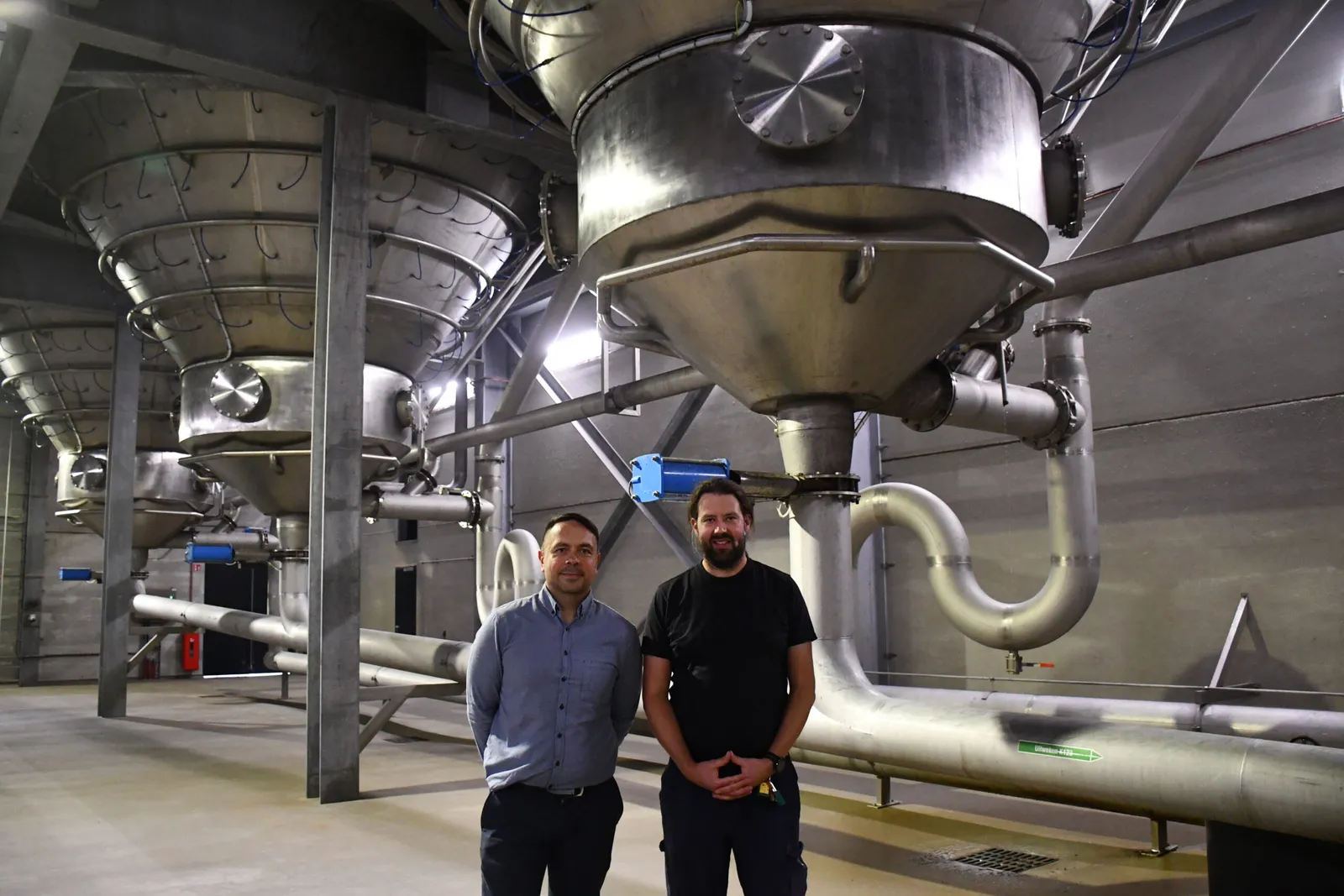
With a production capacity of 3.1 million tonnes of malt, Boortmalt can rightly call itself ‘Masters of Malt’. In Belgium, production takes place at two sites. The Antwerp site is the largest maltings in the world, while the Herent site may well be the most efficient. Thanks to automated production, its staff contribute 110,000 tonnes to that impressive total. To achieve this, they rely on VEGA level sensors.
Beer owes its nickname ‘barley water’ to one of its main ingredients: barley. At Boortmalt in Herent, around 130,000 tonnes of barley are processed each year into malt, to customers’ specifications, over approximately 7 to 8 days. The process consists of three stages: steeping, germination and kilning (drying). “The complexity of malt production is often underestimated. After all, it is a living product and a natural process. It starts with the differences in the barley delivered here. Winter barley, for example, needs to steep for a little longer to get germination under way than spring barley. There are also local differences depending on the region where the barley was grown,” says electrical & automation supervisor Neal Herdewijn. A great deal of data comes together in the control room to ensure every detail of the production process is under control. “At all times, the climate (humidity and temperature) has to be exactly right for the recipe in question, to achieve the desired flavour profile and specifications.”
‘Our’ factory
Anyone driving to Boortmalt in Herent might think they have ended up in the middle of nowhere, but in fact the location could hardly be better. “We’re very close to our customers. Some of the major breweries are just a stone’s throw away. And our connection to the canal allows us to transport goods sustainably.” We learn that this is an important consideration. A little further on, we see an electric Boortmalt lorry arriving to handle some of the transport. The same goes for production. Boortmalt aims to become CO2-neutral. The technical team is therefore constantly looking for ways to improve, work more efficiently and use less energy. “It’s a strategy that has been in place for years. By investing in our own team, we’ve moved on from figuratively putting out fires to these optimisation projects. That’s only possible if you know what every signal is for. That makes it a bit ‘our’ factory,” Herdewijn says proudly.
Blind trust
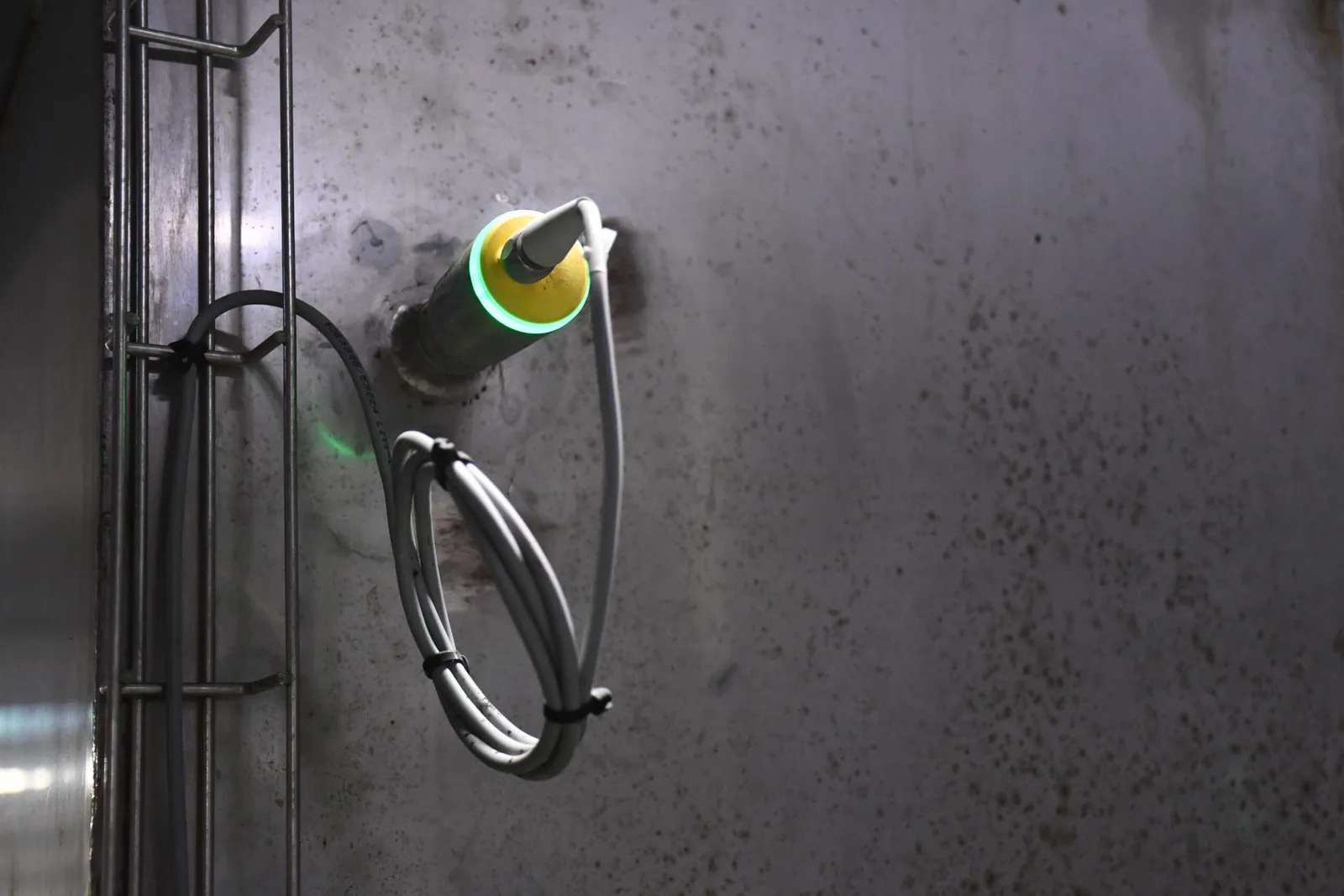
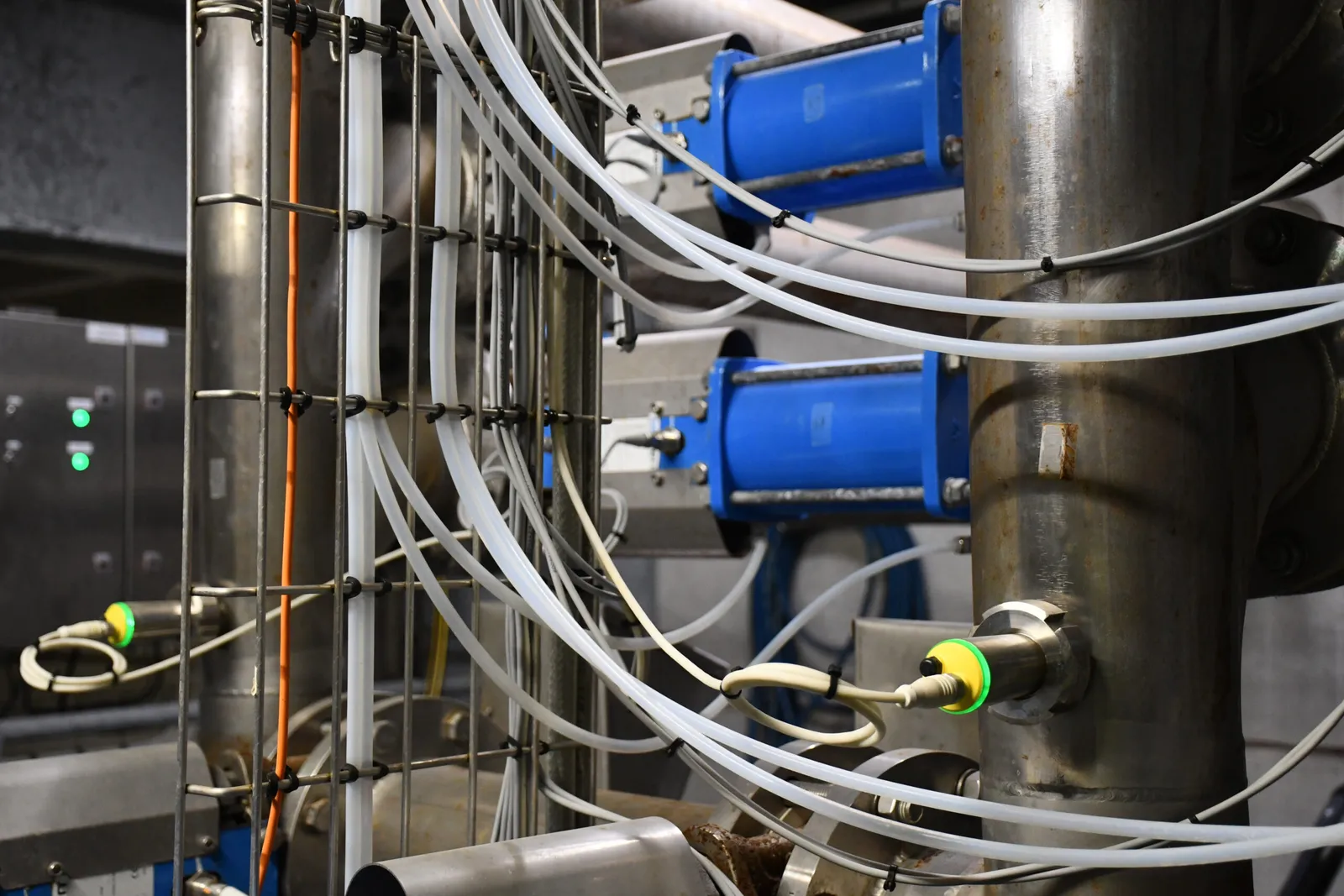
To be able to trust those signals implicitly, Boortmalt Herent has relied on VEGA instruments for years. “When I started here thirteen years ago, several brands of pressure and level sensors were used in production. Now yellow is becoming an increasingly familiar sight because once the VEGA sensors have been set up, there’s really no need to worry about them. That’s an incredible advantage! What’s more, they can handle even the most complex challenges.” Herdewijn talks about the new steeping tank room, installed around four years ago as the first stage of the production process. “Steeping may well be the most crucial step. It requires close monitoring. That’s why we combine VEGA radar sensors to measure the level of the barley with pressure transmitters to determine the water level. This gives us a complete and clear picture, enabling us, for example, to significantly reduce water consumption in this process.”
Complexity
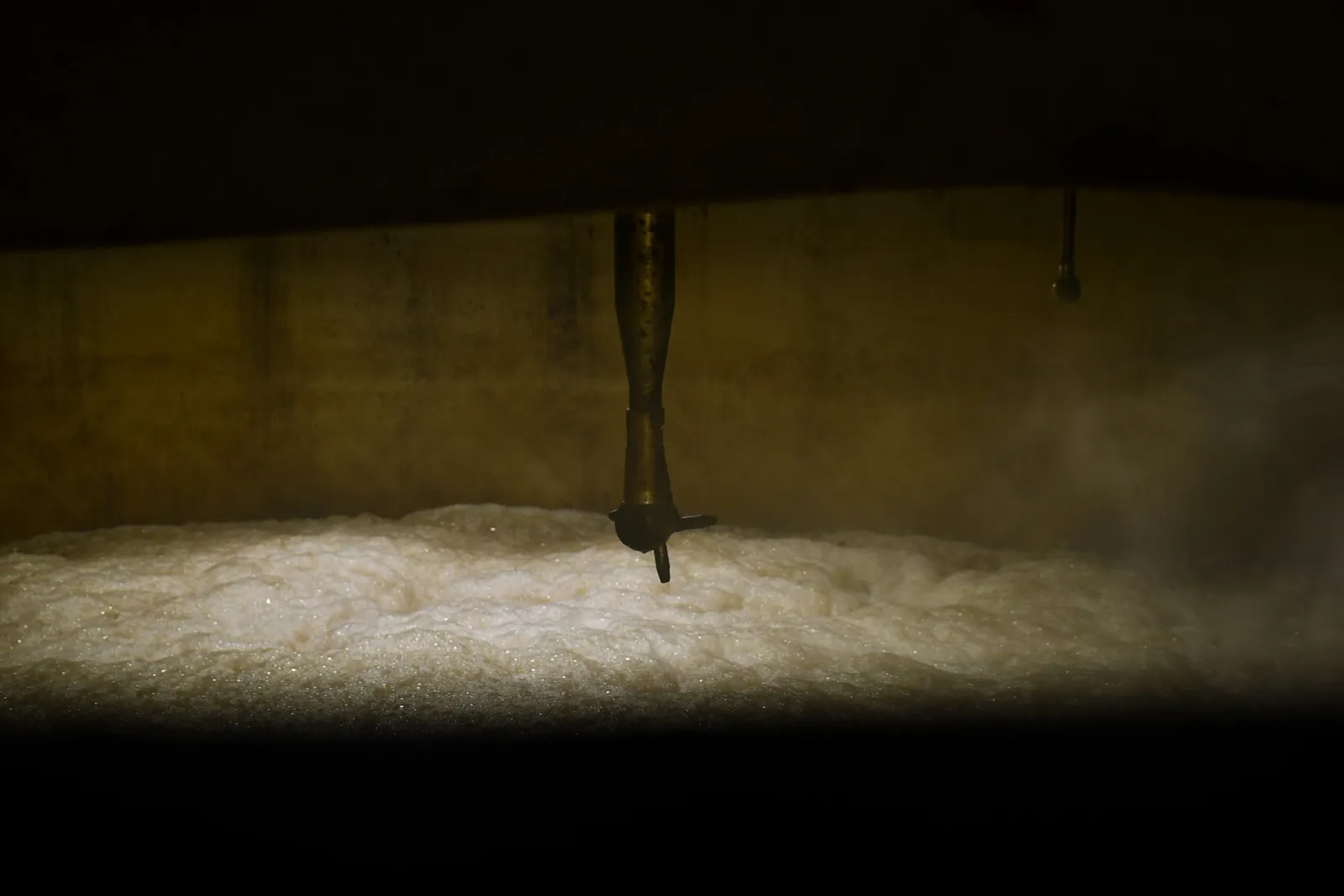
The new steeping tank room has two rows of three tanks, with more than thirty VEGA radar and pressure measurements in total. “This is the kind of application where you really notice their experience and expertise,” Herdewijn adds. “Unlike conventional silos, these stainless steel tanks generate quite a lot of echoes. There’s also a great deal of foam. In short, they have everything that can make radar measurement impossible. But with VEGA instruments, you can successfully handle even such a complex set-up.” The technical team at Boortmalt carried out the configuration themselves. “Using the VEGA app, all our data is also backed up on the myVEGA platform.” As for the pressure sensors, Herdewijn is keen to point out the pressure diaphragm’s resistance to chlorine and mechanical robustness. “It’s an extra built-in safety feature,” he says. “VEGA gives you peace of mind. You know their instruments perform above average and comply with all the requirements,” he says, referring, among other things, to the level and detection instruments certified for the new VLAREM II legislation on overfill protection.
Een zakelijke vraag aan VEGA N.V.? Get in touch
Companies in this story

Keep following this
Get an email when a new story is published. No account needed.
- ThemeSmart production with data
- SubjectTechnology
- CompanyVEGA N.V.