Iodised salt: a small change that adds significant value to your product
Text Valérie CouplezImage ZOUTMAN

Although the body needs only small amounts of iodine, around 50% of the European population has a mild iodine deficiency. By choosing iodised salt, food companies can make a positive contribution to health in a simple way. Iodine has no effect on flavour or the production process. ZOUTMAN is happy to advise food companies on how to turn iodised salt into a strategic advantage.
Iodine is an essential trace element for thyroid function and a healthy metabolism. Deficiency can lead to fatigue and a slower metabolism. The World Health Organization (WHO) recommends a daily intake of 150 µg for adults. For pregnant and breastfeeding women, this rises to 200 to 250 µg. Iodine is found naturally mainly in seafood: fish, shellfish, algae and seaweed. As we do not eat fish every day, salt has been used for decades as an effective way of adding iodine to our diet. When we think of iodised salt, we often think of table salt. Many salt shakers on the table also contain iodine. But that is not enough.
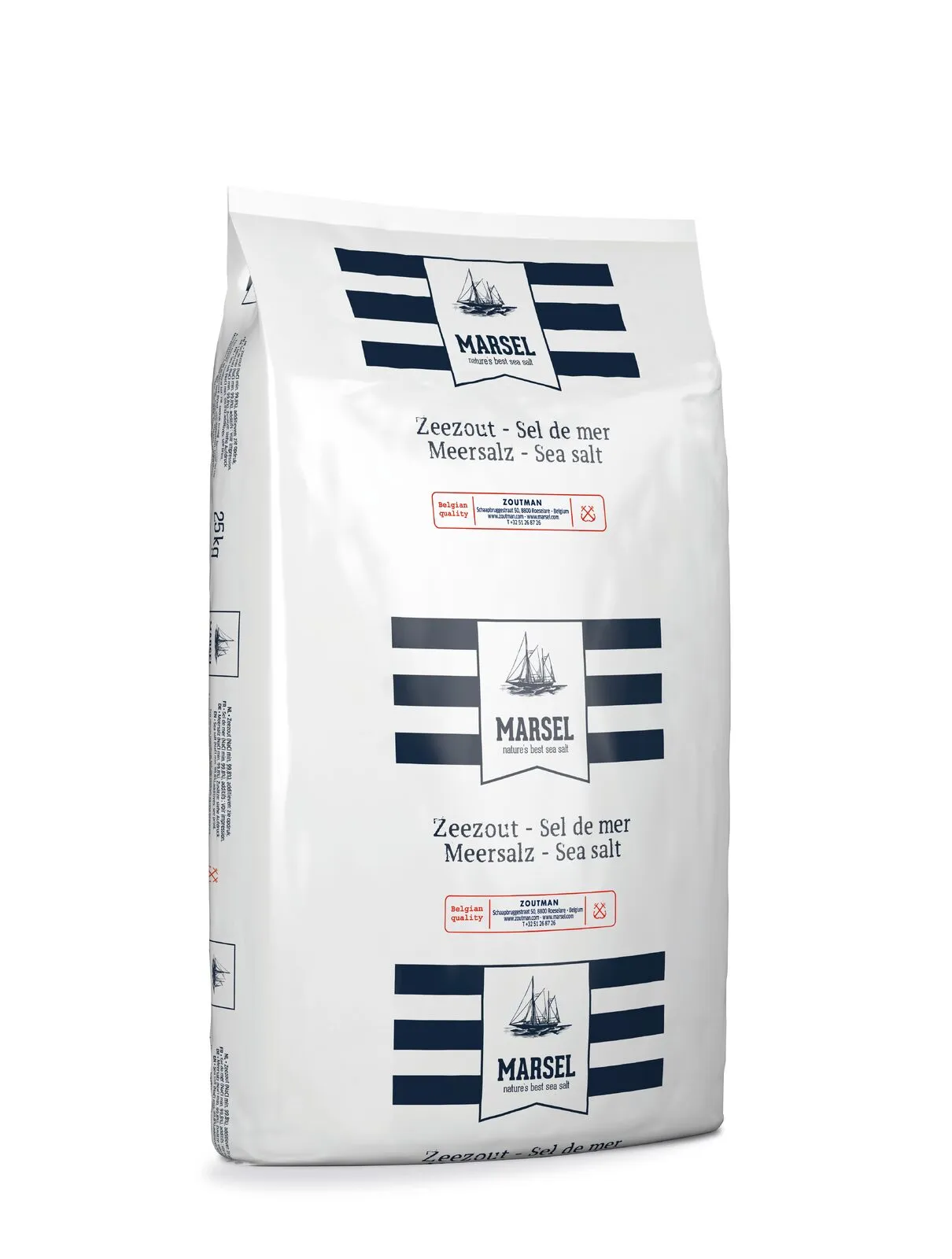
Salt: an ideal vehicle
In reality, most of our salt intake comes from processed foods. Bread, stock, sauces, savoury condiments, instant products and preserved foods such as processed meat, fish and pickles account for a much larger share of our daily salt consumption (70 to 80% comes from food prepared or processed outside the home). This represents untapped potential for the food industry to make products with a valuable benefit for consumers: iodine. Because salt is consumed daily and in small amounts, it is an ideal vehicle for increasing intake of this micronutrient across the population. That is why international organisations such as the WHO recommend salt iodisation as a simple public health measure. It is still not practised widely enough: in Germany, for example, only 9% of the salt in processed products was iodised.
A simple recipe change
Many food manufacturers, however, still do not use iodised salt in their recipes. This is a significant opportunity to help improve iodine intake. Accurate dosing is key. ZOUTMAN ensures that iodine is distributed evenly throughout the salt in very small quantities. Each batch is tested for iodine content in its own laboratory and leaves the factory only once it meets the customer’s specifications and the legislation in the destination country. For most food manufacturers, using iodised salt poses no technical challenge. Recipes can remain unchanged, and iodine generally has no noticeable effect on flavour, texture or process stability. So the question is more strategic: what type of salt do you use in your recipe today? By choosing iodised salt, food manufacturers can contribute to an important health goal without affecting their production process. With the right labelling, this can also be an additional selling point for end consumers. People who eat little meat or fish are particularly susceptible to iodine deficiency. Manufacturers targeting this group stand to benefit even more from using iodised salt in their recipes and mentioning it on the packaging.

Regulations in flux
The greatest complexity lies in regulation. Different countries have their own guidelines for iodine levels in salt, and rules on fortification and labelling vary from market to market. Manufacturers operating in several markets should therefore keep track of these developments. ZOUTMAN supports its customers with the right iodine specifications for different markets.
Een zakelijke vraag aan ZOUTMAN? Get in touch
Companies in this story

Keep following this
Get an email when a new story is published. No account needed.
- ThemeDeveloping new foods
- SubjectSolutions
- CompanyZOUTMAN