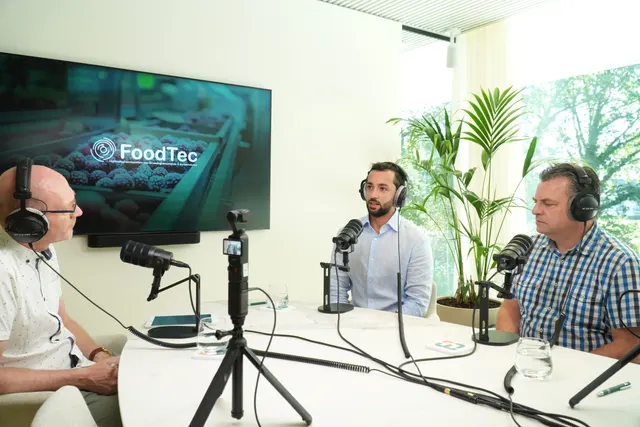
Why you should keep production and consumption close together
Text Valérie CouplezImage Ekkow
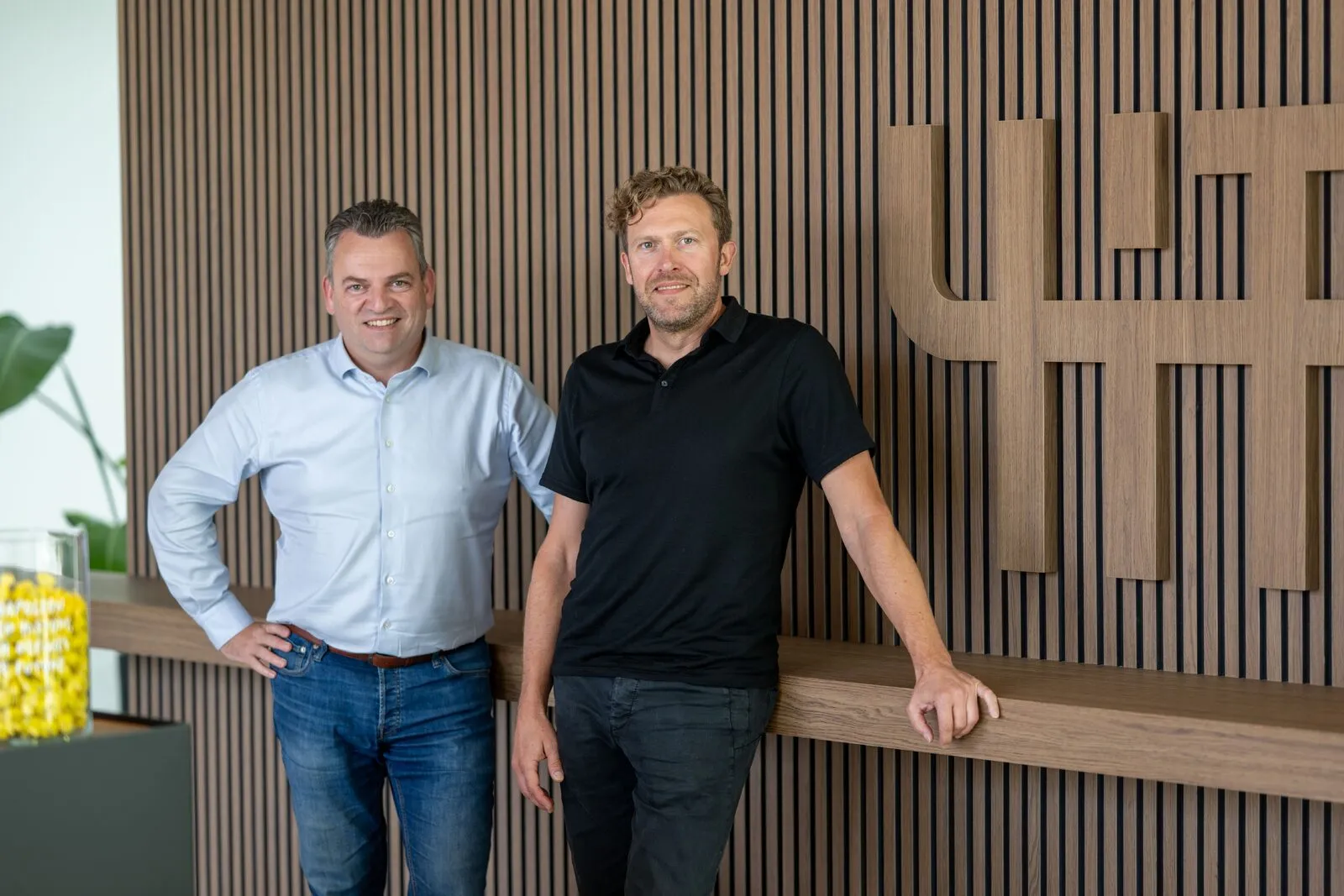
The world has been turned upside down in recent years. The Covid-19 pandemic, import tariffs, conflict zones, transport restrictions … have shown the benefits of keeping your supply chain short. But high energy and labour costs make this no easy task. Yitch believes, however, that affordable production is possible here too, provided we move towards smart factories. A conversation with managing directors Werner Fransen and Wim Van Soom about the path to achieving this.
The food industry is very much a local sector. Ingredients need to reach your factory as fresh as possible, and eating habits are closely tied to culture. So you know your local market best. But food companies are also, of course, exposed to global competition. Van Soom and Fransen nevertheless see plenty of potential if we focus on flexibility. “Most factories in Europe are ageing. The investments we make should therefore be aimed at building a production facility with enough flexibility to respond quickly to market demand. This is an area where we can still make a real difference compared with American and Asian companies, especially in the food market.”
Quick wins through automation
That is Yitch’s answer to the question of what needs to be done to remain competitive. They have also considered how to do it. “Automate and digitalise,” they say emphatically. “There are still many manual processes in the food industry. They offer opportunities to improve quality and productivity.” Fransen and Van Soom give an example of quick wins. “Food companies already have a lot of data because of food safety regulations, but it is often locked away in separate systems. You can actually capture this data with simple tools and correlate it with other information. Simply breaking down the silos and bringing everything together in an integrated system gives you insights that can deliver significant efficiency gains.” At the same time, automation is essential. The shortage of new talent is being felt, and ageing means a lot of knowledge will soon disappear from companies. “So try to preserve that valuable experience in your own systems as effectively as possible,” they say.
Sparring partner
Yitch’s roots, more than twenty years ago, lie in process automation. “We used to simply write the PLC code to control everything. Building on that experience, we began to take a broader view of production, from the OT side to the entire factory, including digitalisation. Today, we like to see ourselves as a sparring partner. We work with food companies to find future-proof solutions to the problems they face. We provide a clear concept and a roadmap with a budget attached, so food companies know exactly where they stand.” Yitch does this from three offices, in Bornem, Genk and Breda, with around 80 engineers and consultants.
Collaboration at the heart of it
Long-term collaboration is central to this entire process. “A good solution starts with a thorough understanding of exactly what a food company needs. The only way to achieve that is to listen carefully to how they work today and how they want to work tomorrow. Thanks to the expertise we have built up in-house, we can take care of the whole picture: from the moment raw materials arrive at the factory, through the various production lines and all the way to the warehouse. We help food companies achieve their goals as quickly as possible by taking as much off their hands as we can. But throughout the process, you also need to check that what you are building still matches their ambitions. And we stay close to our customers after delivery too. With SLA contracts, we help them resolve production stoppages, reactively or proactively through monitoring.”
New office brings people together
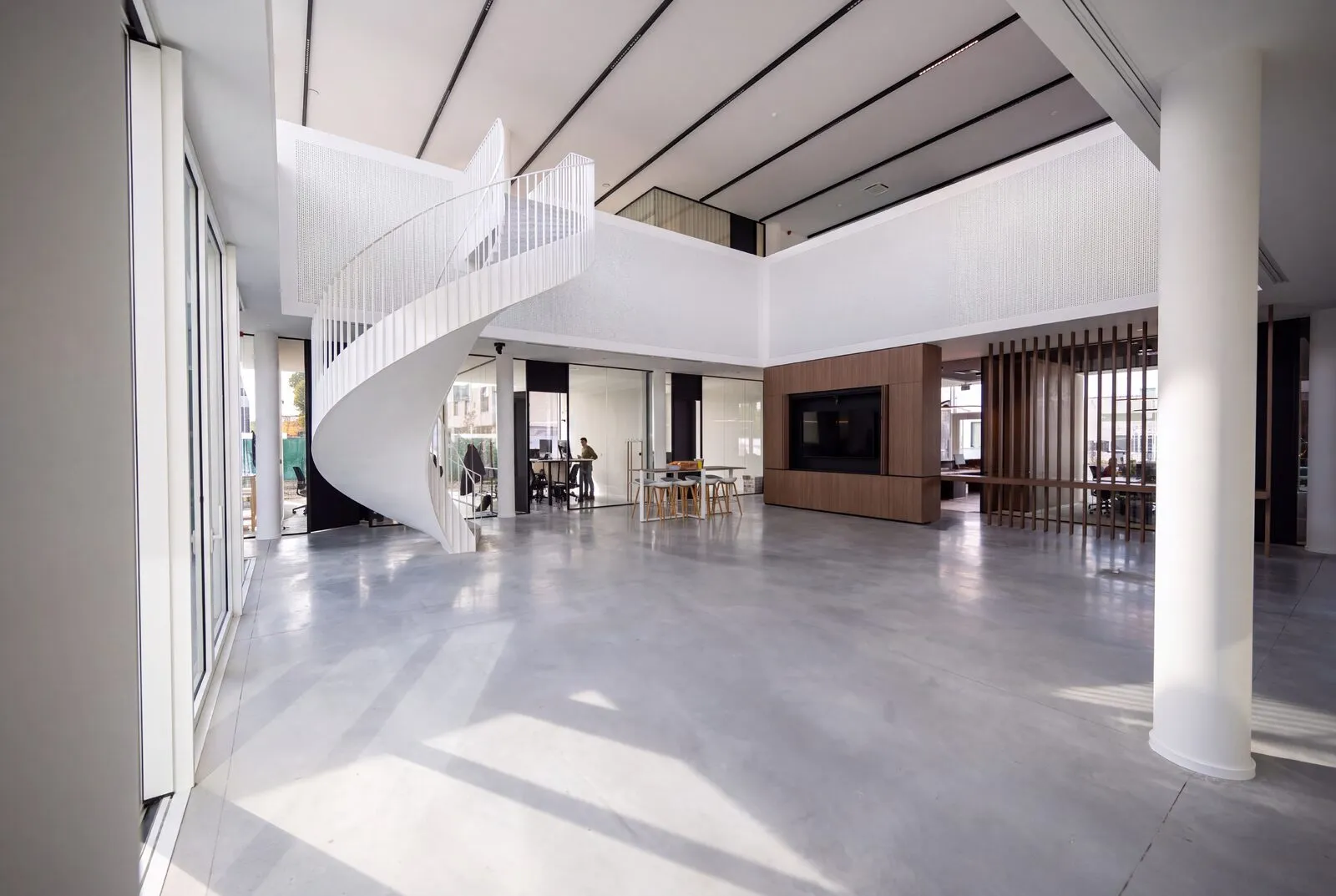
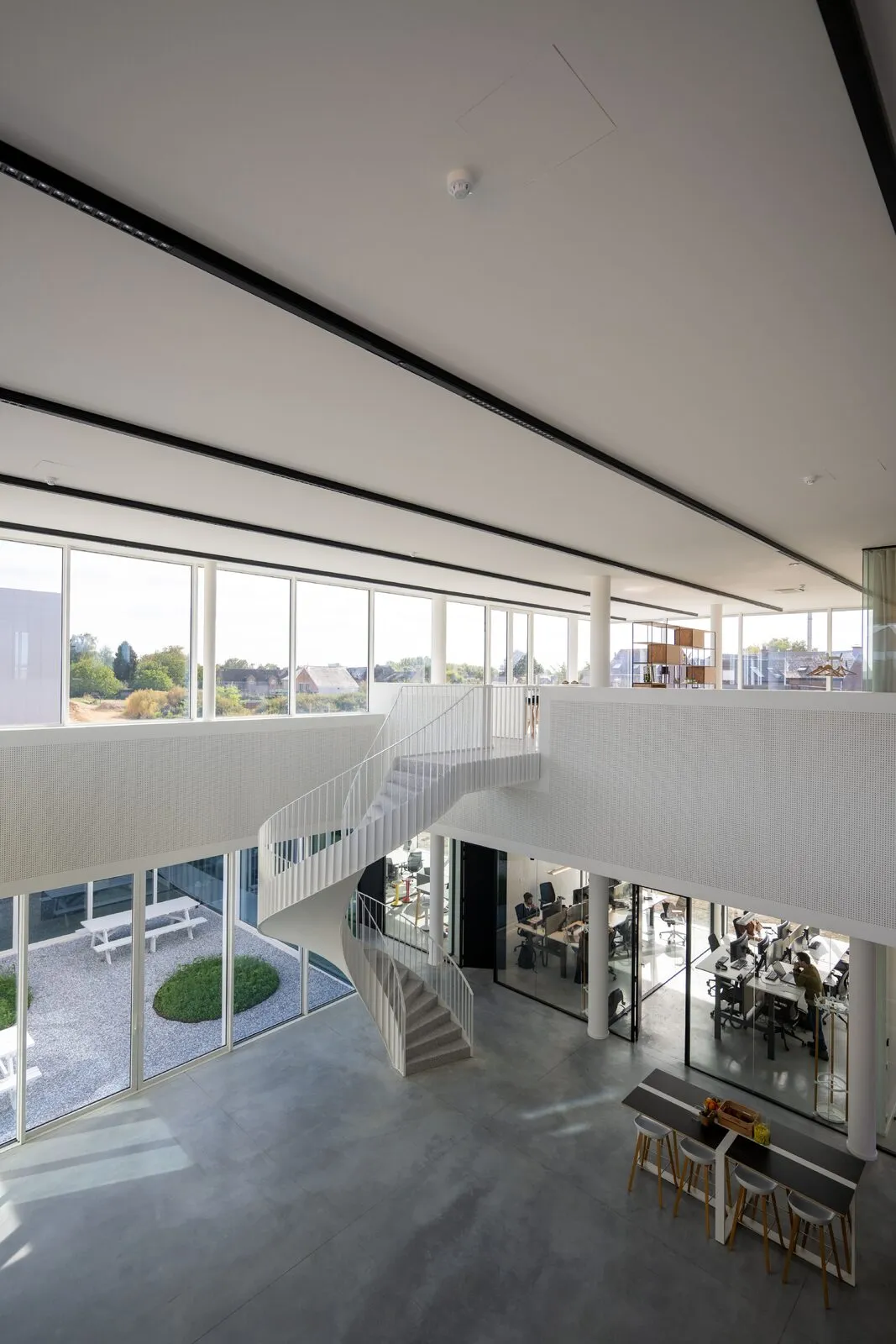
The move to a new office puts even greater emphasis on collaboration. “When we started this project three years ago, we gave the architect one message: create a place where we can really work together and where people want to be. Not just for our employees: we also want to be able to bring customers and partners together around a project. In an age of high-tech gadgets and artificial intelligence, human contact may be more important than ever.”
Keeping a finger on the pulse
But Yitch would not be Yitch if it did not keep a finger on the pulse of everything happening in technology. At the official opening of its new office, it showed just how far humanoids are from the factory floor. “It is our job to look ahead to new technologies that can help companies continue producing locally. Humanoids are just one example, AI is another. Some things may still seem a long way off, but 100 years ago we would not have imagined that the aeroplane would give rise to the tourism industry. That is why we assess what could deliver a return for our customers on a business case by business case basis.”
Een zakelijke vraag aan Yitch? Get in touch
Companies in this story
Keep following this
Get an email when a new story is published. No account needed.
- SubjectTechnology
- CompanyYitch