HACCP requires constant critical thinking
Text Roeland Van Den DriesscheImage DNV
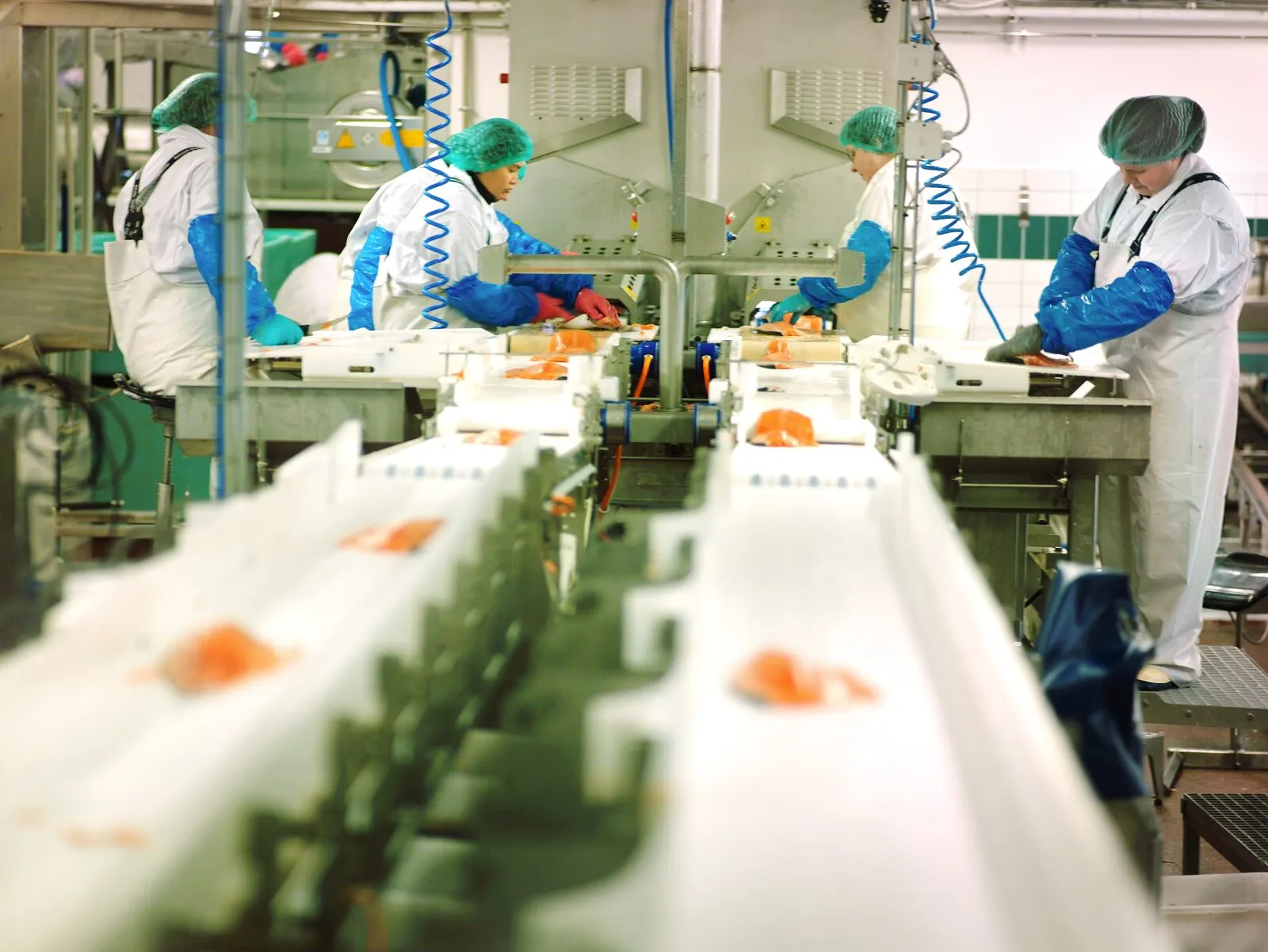
Over the past few decades, the food chain has become much more complex. Technology helps manage that complexity and detect risks more quickly. But the human factor is still there. That is why the HACCP food safety system remains an important guide for food businesses, although today, its effectiveness also depends on how it is applied on the shop floor. “You can mitigate risks, but you can never eliminate them entirely,” says Hans Pijpelink of DNV.
HACCP, short for Hazard Analysis and Critical Control Points, originated in the 1960s as part of the US space programme. The aim was to manage food safety risks more effectively, reducing the chances of astronauts falling ill during their missions. It later developed into a system that still forms the basis of food safety at many food businesses today. “The system identifies potential biological, chemical and physical hazards, defines critical control points, and provides for monitoring, corrective action, verification and record-keeping in a structured way,” says Pijpelink.
Practice as the test
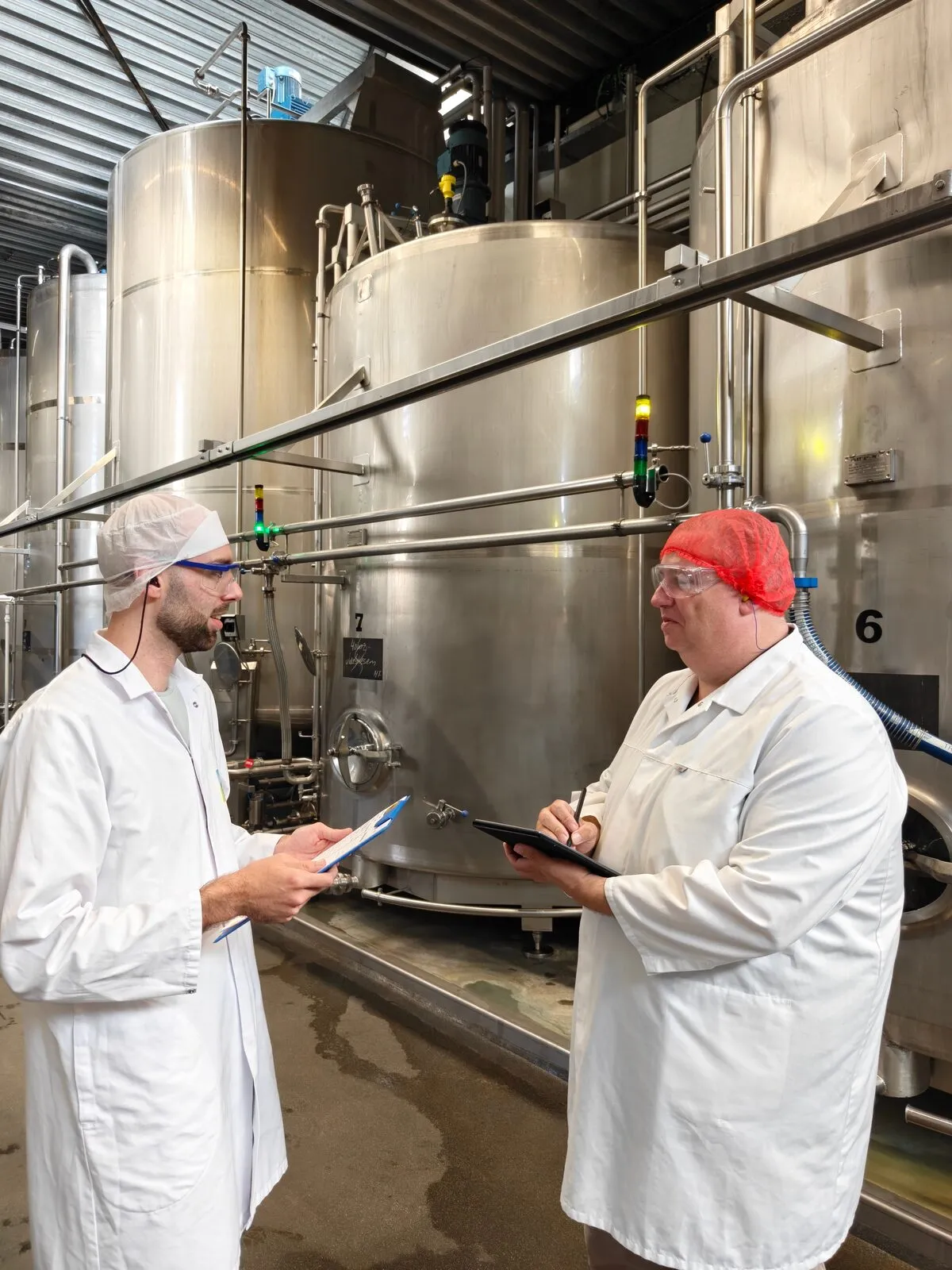
These principles remain relevant today, provided they are applied correctly. And that is precisely where the problem lies. “A company may have a very good HACCP plan, but the reality can be different when there is no link between the paperwork and what happens in practice,” Pijpelink continues. That is why it is important to continually inform the risk analysis with what happens on the shop floor every day. “Only then can you assess processes properly and make adjustments where needed. HACCP is therefore much more than a purely administrative exercise. It is a process of continuous adjustment and optimisation.” As supply chains become increasingly international and complex, this principle is becoming ever more important. “Because raw materials now come from regions with different production conditions and standards, it is worth giving careful thought to the reliability of suppliers, the conditions in which products are made and the risks involved.” Applying HACCP principles correctly helps mitigate those risks, but they can never be eliminated entirely. “And we need to recognise that. Only then can you make improvements in other areas and take targeted action.” Technology can help take those next steps. Sensors, automated record-keeping and ERP systems are already making processes much more transparent, while AI makes it possible to analyse large volumes of data more quickly and detect risks at an early stage. “But you can never be 100% safe, of course. Human error can always occur,” says Pijpelink. That is why training and education remain so important. “Repetition, repetition, repetition: that is what it comes down to. Even when employees know their processes well, you have to keep explaining why certain checks are necessary and why accurate record-keeping matters so much.”
Keep looking and making adjustments
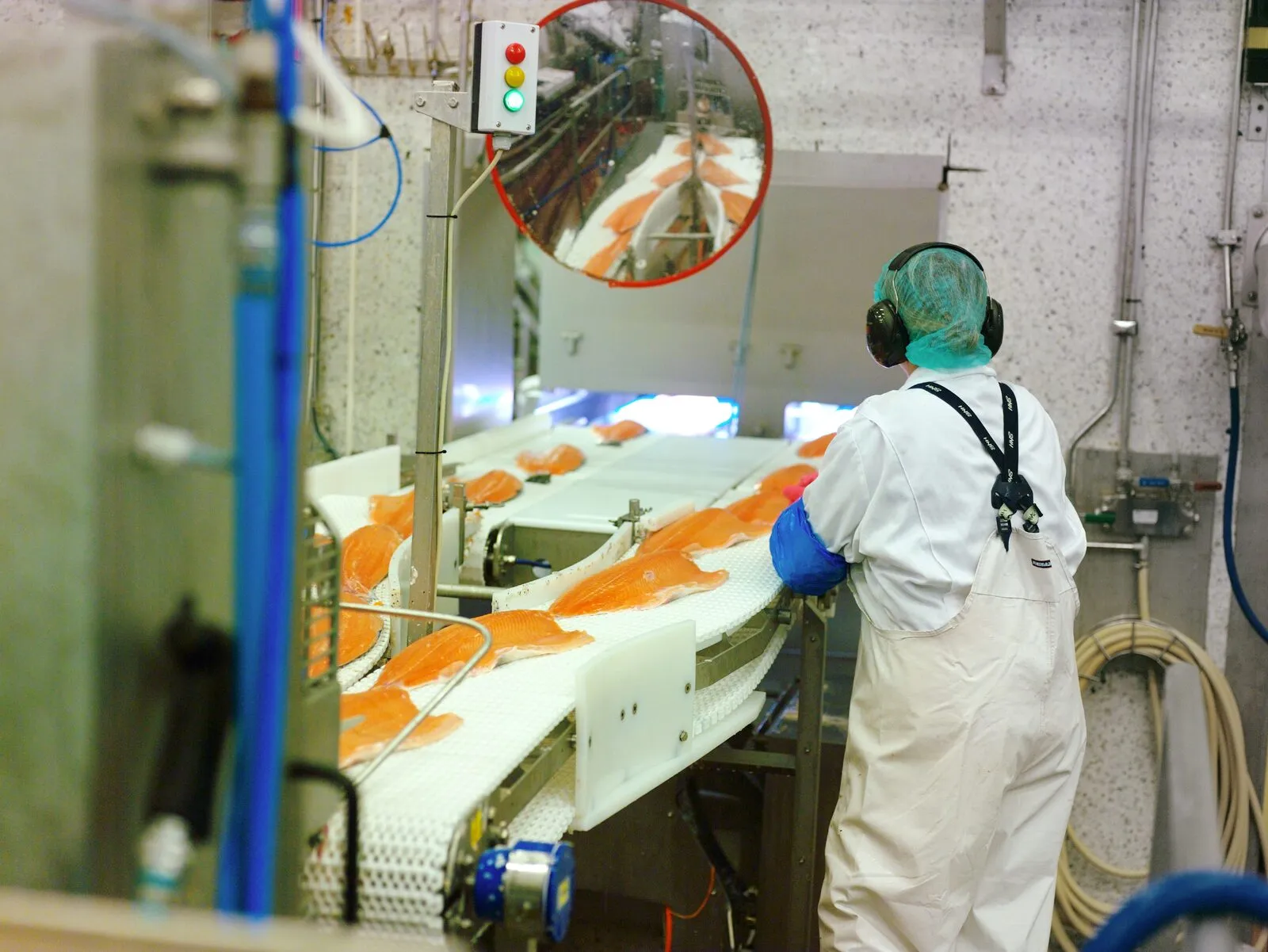
Management also has an important responsibility here. Not only to provide sufficient training, but above all to set a good example and make food safety an ongoing priority. “At the same time, they need to keep looking critically at how they operate. One useful exercise, for example, is to have a newcomer walk around the company and check whether everything still reflects reality. They often notice things that an experienced employee no longer sees after years on the job.” According to Pijpelink, this is the key to a system that delivers results in practice. “So don’t assume everything is in order. Keep looking, checking and asking questions,” Pijpelink concludes.
Would you like to know more about HACCP training or certification? Scan the QR code for more information.
Een zakelijke vraag aan DNV Business Assurance? Get in touch
Companies in this story

Keep following this
Get an email when a new story is published. No account needed.
- ThemeFood safety from design to audit
- SubjectFood safety
- CompanyDNV Business Assurance