Wastewater measurement made easy for unique flowmeter
Text Valérie CouplezImage Glacier
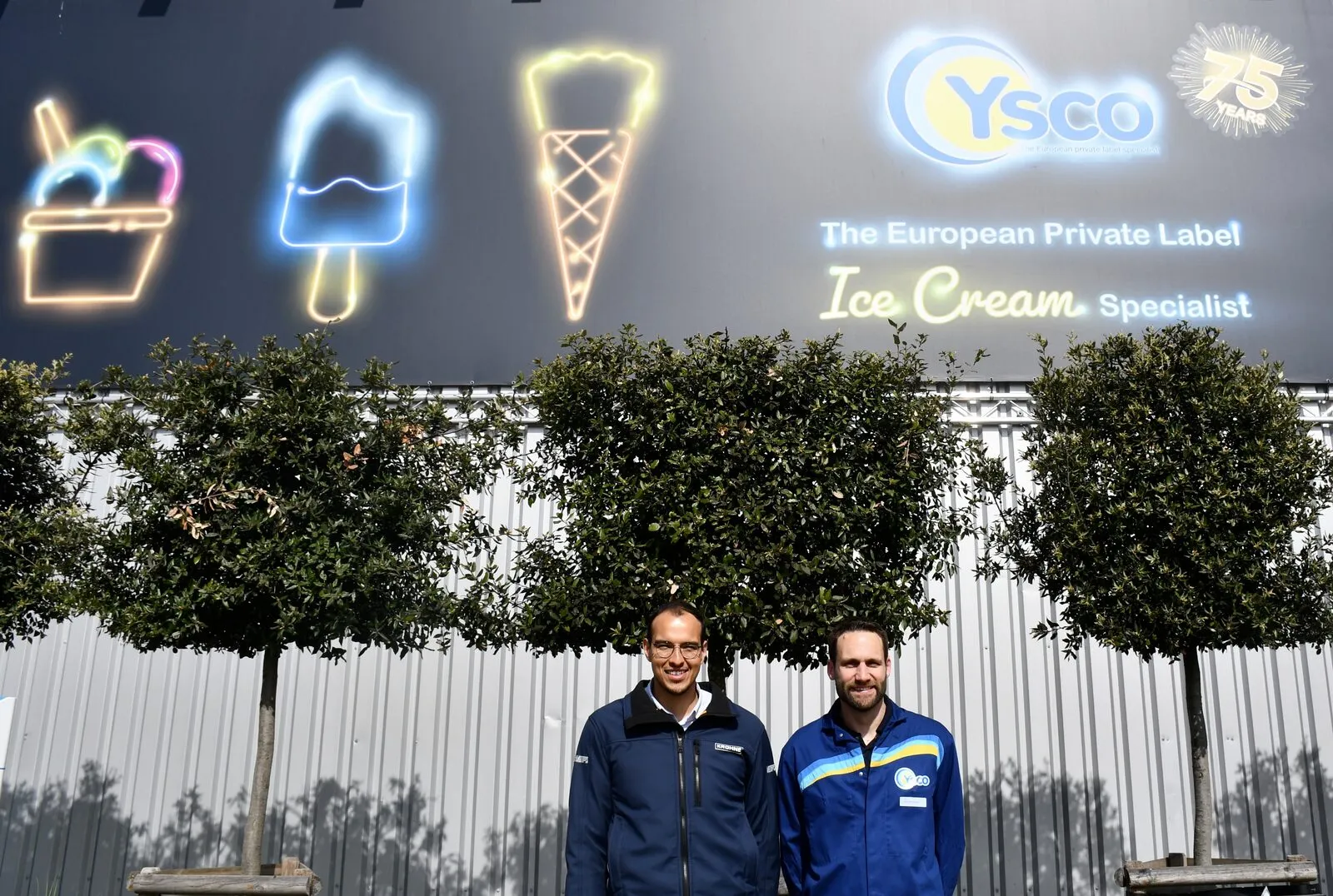
What gets measured gets managed, but only if you can rely on the measurement. To determine how many litres of wastewater flow to the treatment plant, ice cream producer Ysco needed a more reliable solution. It found one in KROHNE’s TIDALFLUX.
Ysco has been making top-quality ice cream since 1949. It first operated in Zarren, then in Langemark and Argentan (France). It grew to become Europe’s largest private-label producer. It was originally part of the Milcobel group, but the separation became official on 1 January 2025. Milcobel became part of FrieslandCampina, while Ysco joined the Glacier group, an international holding company that also includes Gelato D’Italia’s three sites in northern Italy. “It’s a highly complementary offering,” says project & utility engineer Bart Declercq. “They focus more on artisanal production, whereas we are flexible in terms of flavours and ingredients, but work on a large scale.”
Flexibility is key
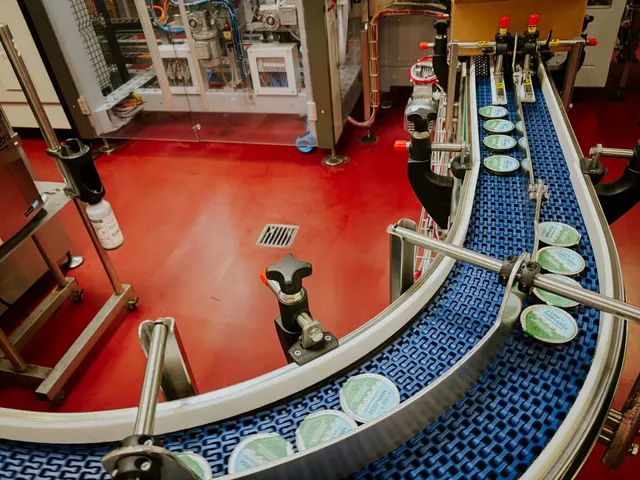
Together, the group has 50 production lines, which produced 298 million litres of ice cream last year. Sixteen of them are in Langemark, where they make jumbo tubs, cones, scoopable ice cream, moulded sticks and cakes. “Our strength is that we work to the customer’s requirements to create the right ice cream and toppings. We have highly flexible equipment for this and develop bespoke filling heads.” Declercq gives the example of spaghetti ice cream, which they are currently trialling for a customer in Argentan. “We produce around 400 recipes in total,” he says. “A changeover takes four to eight hours, thanks to good collaboration between production and maintenance.” Ysco employs 650 people at its Langemark site.
Interconnected but separate
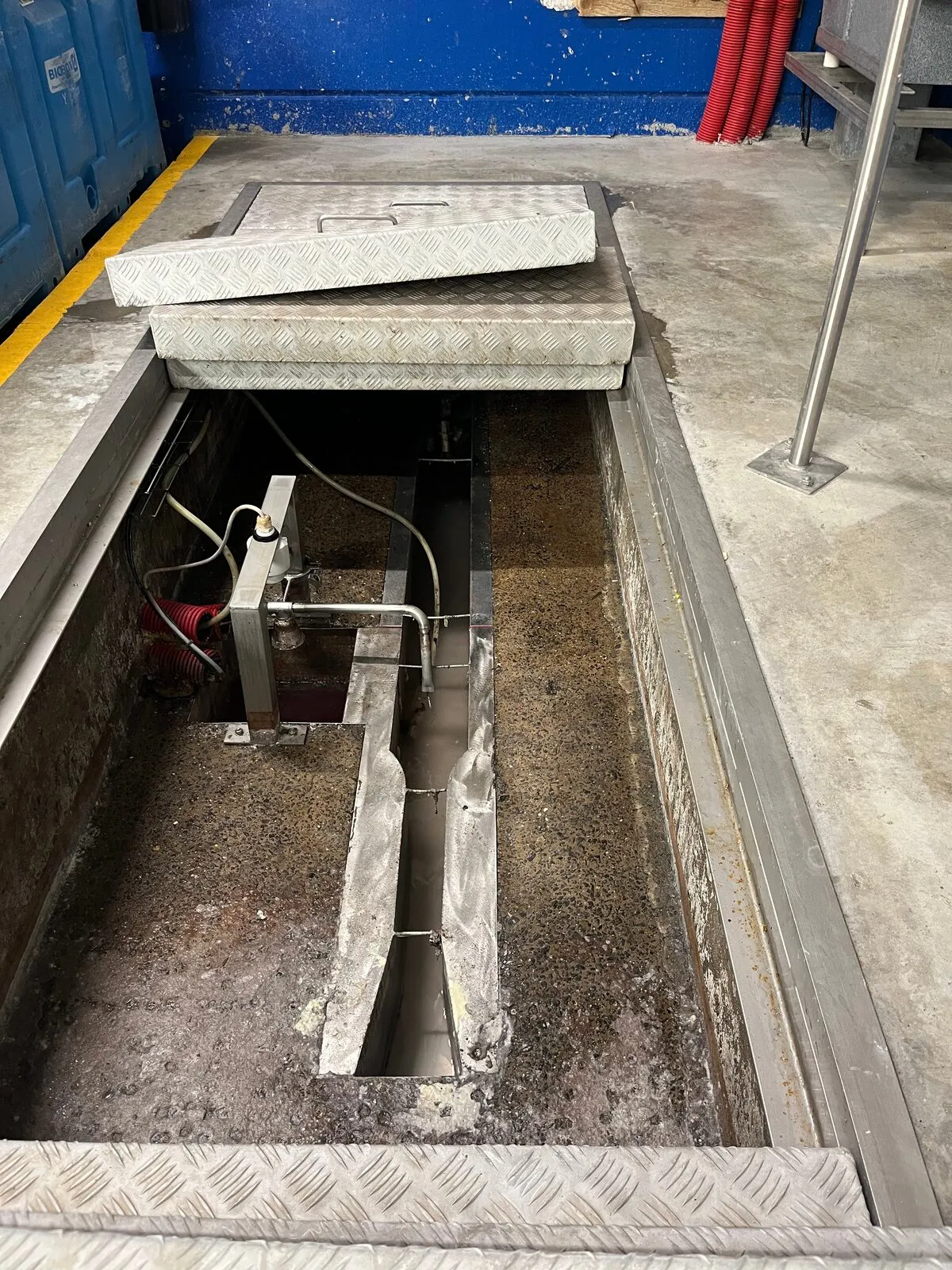
The milk used in these recipes still comes from Milcobel, which is across the road. “Despite the separation, our operations remain closely interconnected. We still share many utilities, although we are looking at ways to change that in the future.” But projects such as building a new wastewater treatment plant cannot happen overnight, and also require a lengthy permitting process. “So our wastewater is still discharged into their plant. In the past, we kept a rough record of how much there was. We used a Venturi flume: the narrowing causes the water level to rise, allowing us to calculate the flow rate from the level measurement. However, this caused problems. Cream and fat in the wastewater built up on the sensor, and the flume had to remain full to produce reliable results.”
The best technical solution
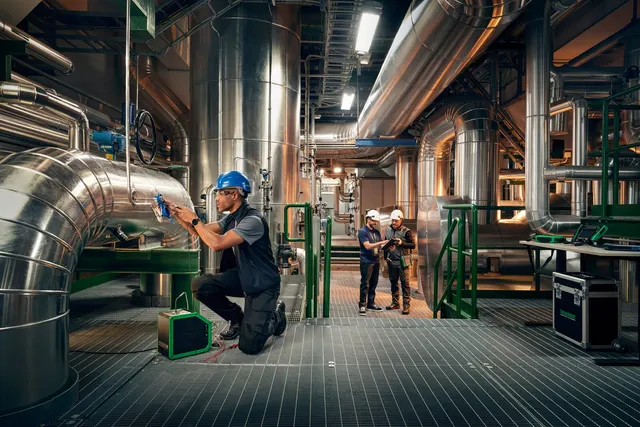
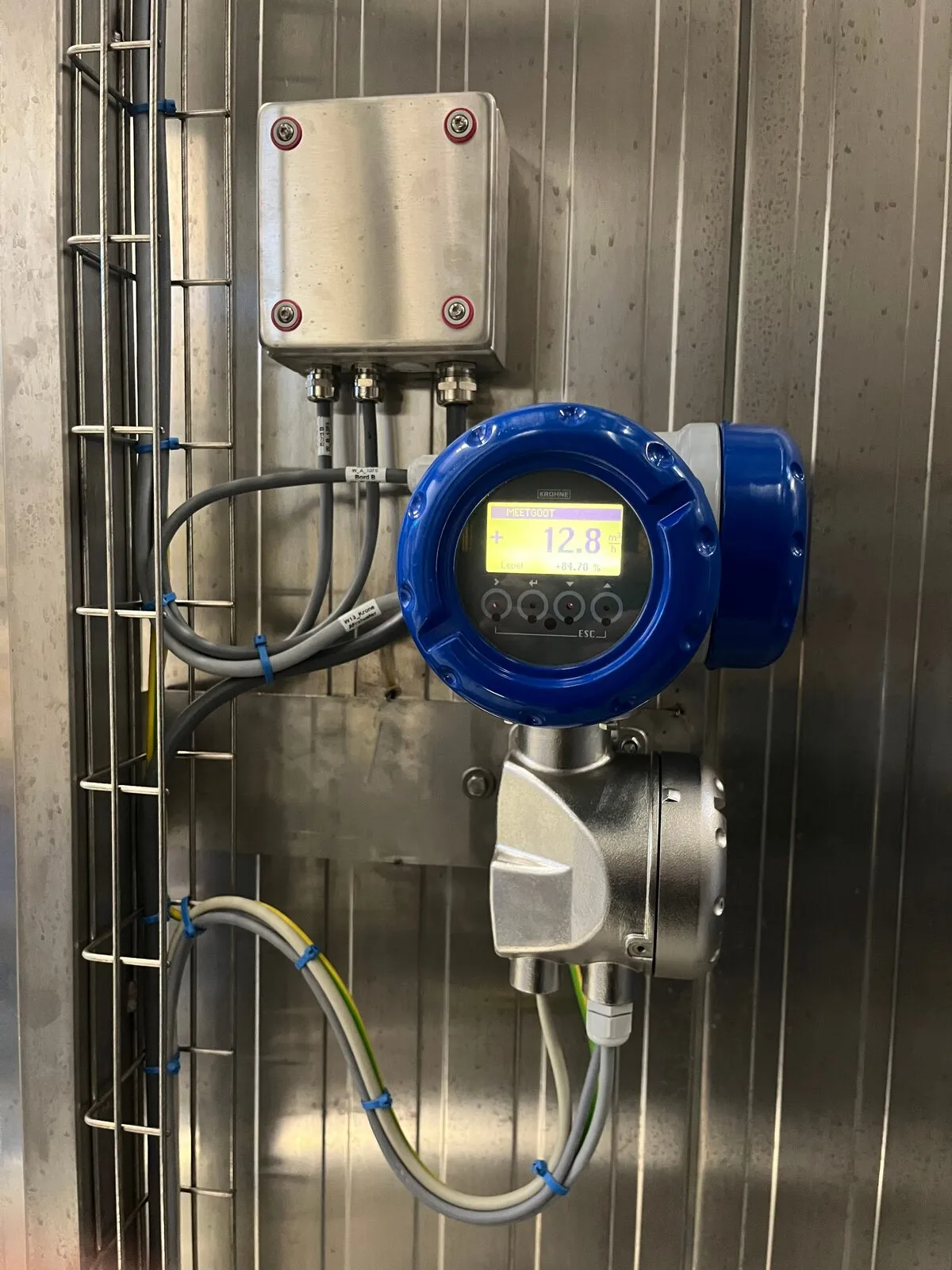
Ysco wanted a better, more accurate solution during its maintenance shutdown last November. The timing was ideal, as the sewer had meanwhile been rerouted so that it no longer had to pass under Milcobel’s production area. Declercq and his colleague Krist Levrouw set out to find an alternative. Their search led them to KROHNE. “They had the best technical solution. Our first conversations also showed that we were a good match in terms of approach: they were flexible in working with us and quick to respond to our questions.” The answer to Ysco’s challenge was the TIDALFLUX, an instrument that combines an electromagnetic flowmeter with capacitive level sensors. This enables reliable measurement in partially filled pipes, such as a drain, from a fill level of just 10%. The wastewater now flows through an enclosed pipe. “By strictly following KROHNE’s technical specifications, including the slope and the straight pipe lengths before and after the sensor, we ensure there is always enough water in the pipe. The first comparisons with historical data show that we now have more accurate results.”
More efficient, safer and more ergonomic
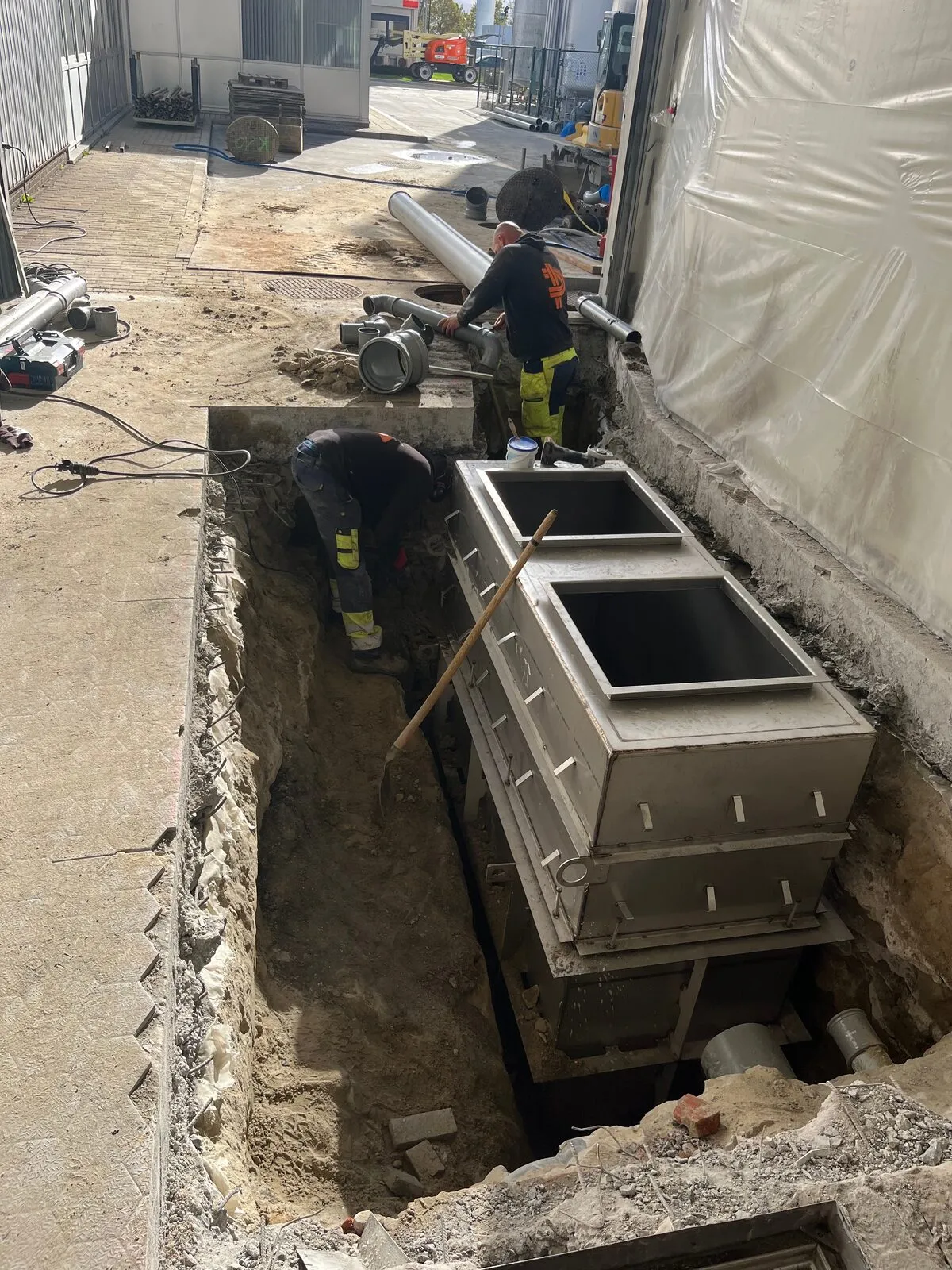
The technical team carried out meticulous preparation. A new measurement chamber was prepared at the new location. “We call it the sarcophagus,” Declercq laughs. “It measures about 3 m x 1.5 m. It was built to fit the TIDALFLUX perfectly, with an inspection hatch and easy access for future maintenance. KROHNE will carry out an annual verification to ensure the instrument is still working as it should. This also means we can work more safely and ergonomically than before. In the past, whenever there was a blockage, two of us had to go to the site and spend two hours resolving it. Now the work is much more efficient and pleasant. We no longer have blockages. We also had just four days to complete the conversion, which would never have been possible with a conventional measuring flume. Failure was not an option. It had to be installed and it had to work, and KROHNE made sure of that,” Declercq concludes.
Een zakelijke vraag aan KROHNE Belgium? Get in touch
Companies in this story
Keep following this
Get an email when a new story is published. No account needed.
- ThemeSmart production with data
- SubjectSolutions
- CompanyKROHNE Belgium