












When investment is on hold, maintenance cannot wait
Text and images Pivaco
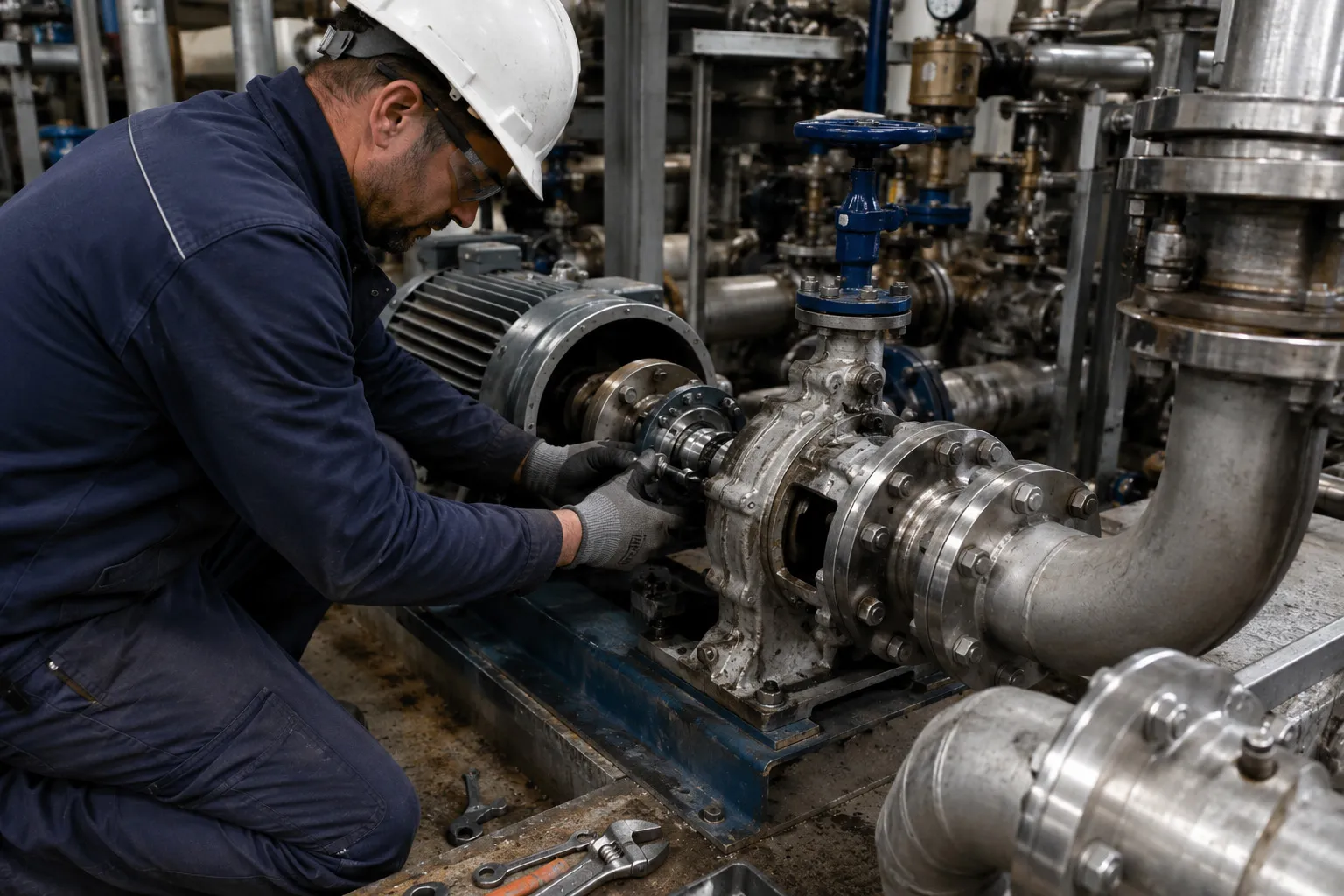
Economic uncertainty is forcing manufacturers to put major investments on hold. But while boardrooms hesitate, plants keep running, losing efficiency, safety and reliability every day. The process industry is under pressure. New-build projects are postponed, budgets frozen and decisions deferred. Yet production never stops. Plants keep running, pipes wear out and hygiene standards still have to be met. Every manufacturing business knows the cost of an unplanned shutdown.
Less visible are the structural costs of deferred maintenance: pipes that gradually deteriorate, hygiene risks that lie dormant, bottlenecks that constrain capacity year after year. Preventive action is almost always cheaper than corrective repairs, and often delivers a higher return than companies initially expect. That realisation is gaining ground. More and more manufacturers are now deliberately opting for targeted interventions: replacing critical pipe sections, improving hygiene, making minor process adjustments or debottlenecking, all carried out during planned shutdowns without interrupting production.
From major projects to targeted interventions
“Customers are not investing less. They are investing differently, in phases, with clear objectives and shorter payback periods.” That is a shift Erik Groes, managing director of Pivaco, sees every day. “Demand for maintenance and optimisation has clearly increased in recent months,” says Groes. “Customers who used to come to us only for major projects are now also asking for help with quick interventions and phased improvements.” This shift calls for a different way of working: shorter lead times, flexible scheduling and teams that can switch quickly between site and workshop. “Our team and processes are geared precisely towards this type of assignment,” says Groes.
Optimisation as a strategic choice
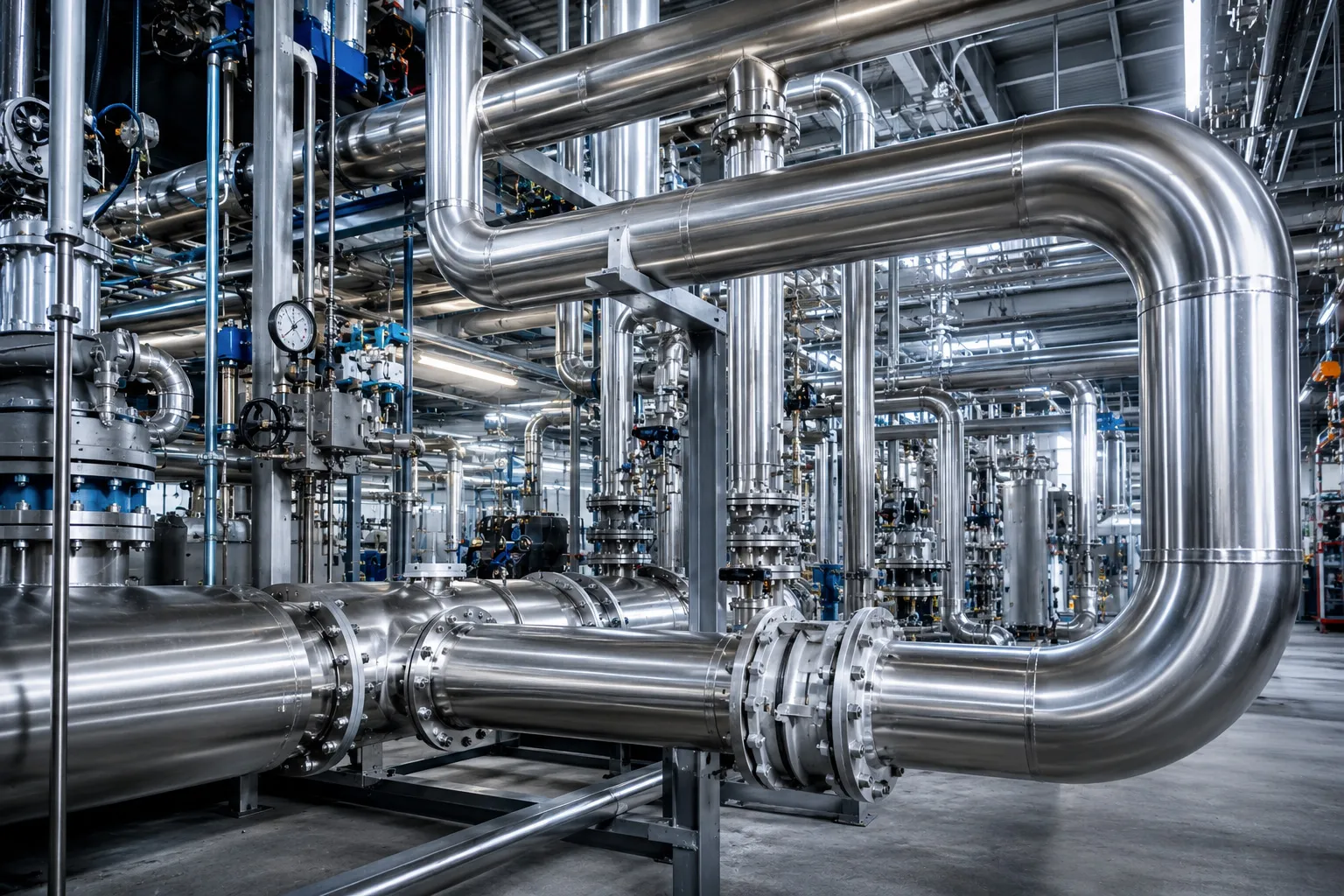
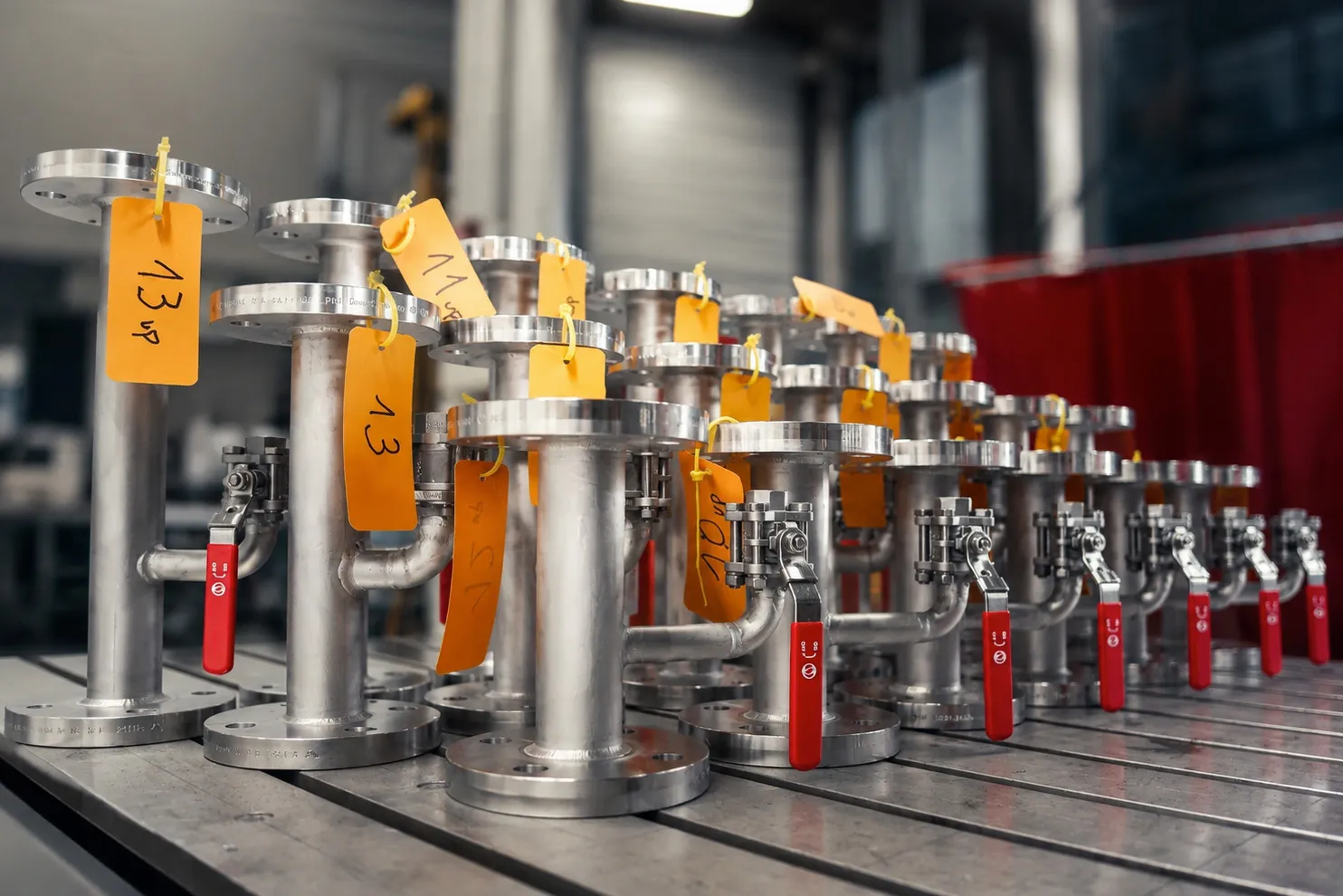
Small-scale interventions are no longer seen as deferred costs, but as strategic decisions. Reconfiguring a filling line to improve hygiene, removing a capacity bottleneck or replacing an ageing pipe run typically delivers a return within one to two years, without the capital outlay of an entirely new-build project. Prefabrication is playing an increasingly important role in this. By moving as much work as possible to the workshop, on-site downtime is limited to the essential installation hours. For companies with a tight maintenance window, this can often make the difference between proceeding and postponing the work.
Building an advantage for the recovery
Companies that keep their plants safe, reliable and hygienic today are building an advantage for the period after the current uncertainty. The market will recover. Those ready with a well-maintained, optimised plant will benefit first as volumes pick up. The economic slowdown is forcing companies to make choices. Smart maintenance is one of them, and often the most profitable.
Een zakelijke vraag aan Pivaco? Get in touch
Companies in this story
Keep following this
Get an email when a new story is published. No account needed.
- ThemeFood safety from design to audit
- SubjectSolutions
- CompanyPivaco







