FDA- and EU-compliant components: when every detail matters in food machinery
Text Katrien De VochtImage igus
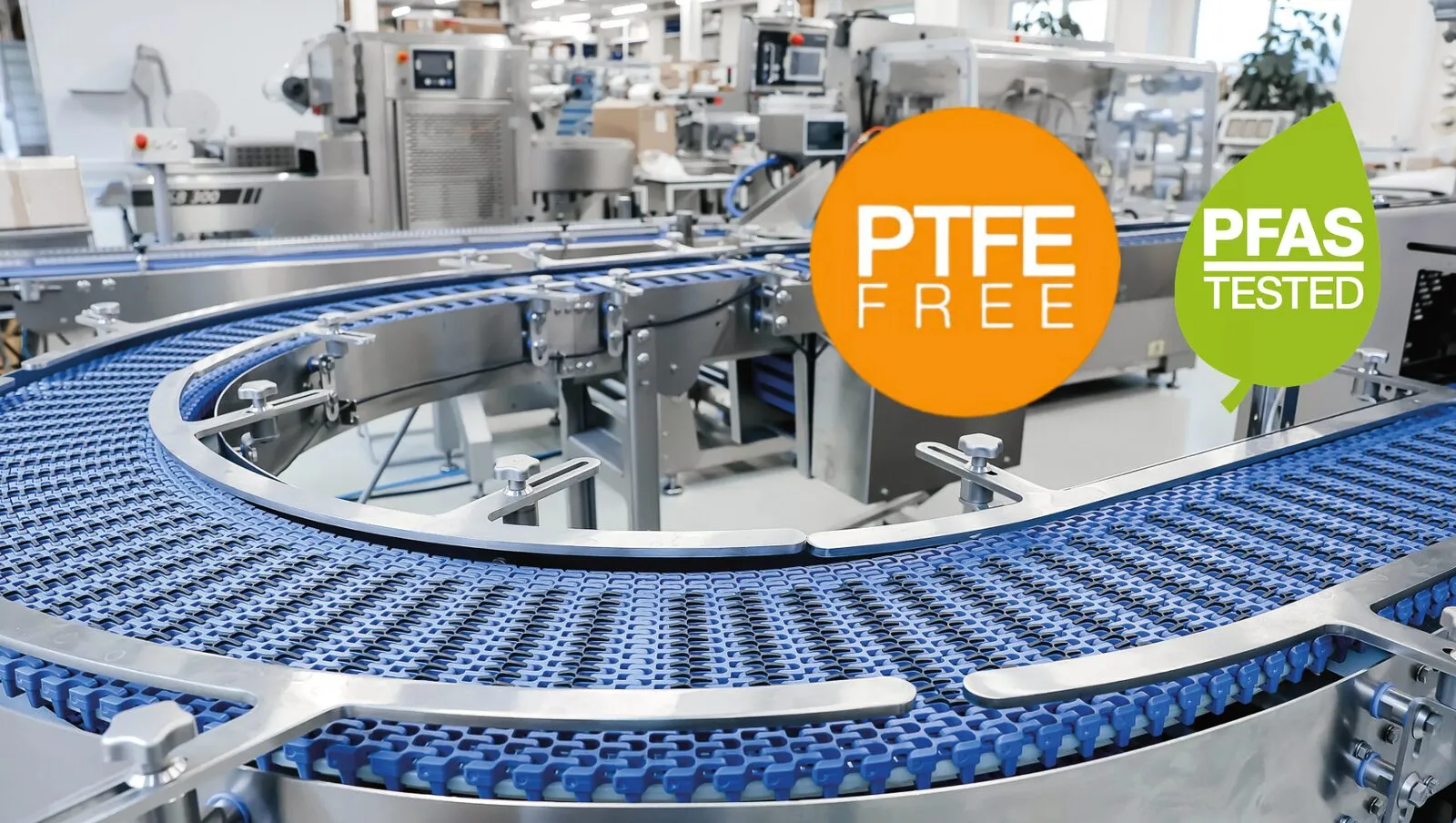
Hygiene in the food industry is never a matter of one component alone. The materials and moving parts in a machine must also be suited to the environment in which they operate. From plain and linear bearings to rollers, lead screw nuts and cable carriers, igus develops motion plastics that meet a wide range of food contact requirements. Lubrication-free and low-maintenance, they comply, depending on the material and application, with FDA, EU 10/2011 and other international standards.
A food machine built in Belgium may ultimately end up anywhere in the world. And that is precisely where material selection becomes complex. Different requirements apply depending on the application, a component’s position in the machine and the country of destination.
A world of requirements
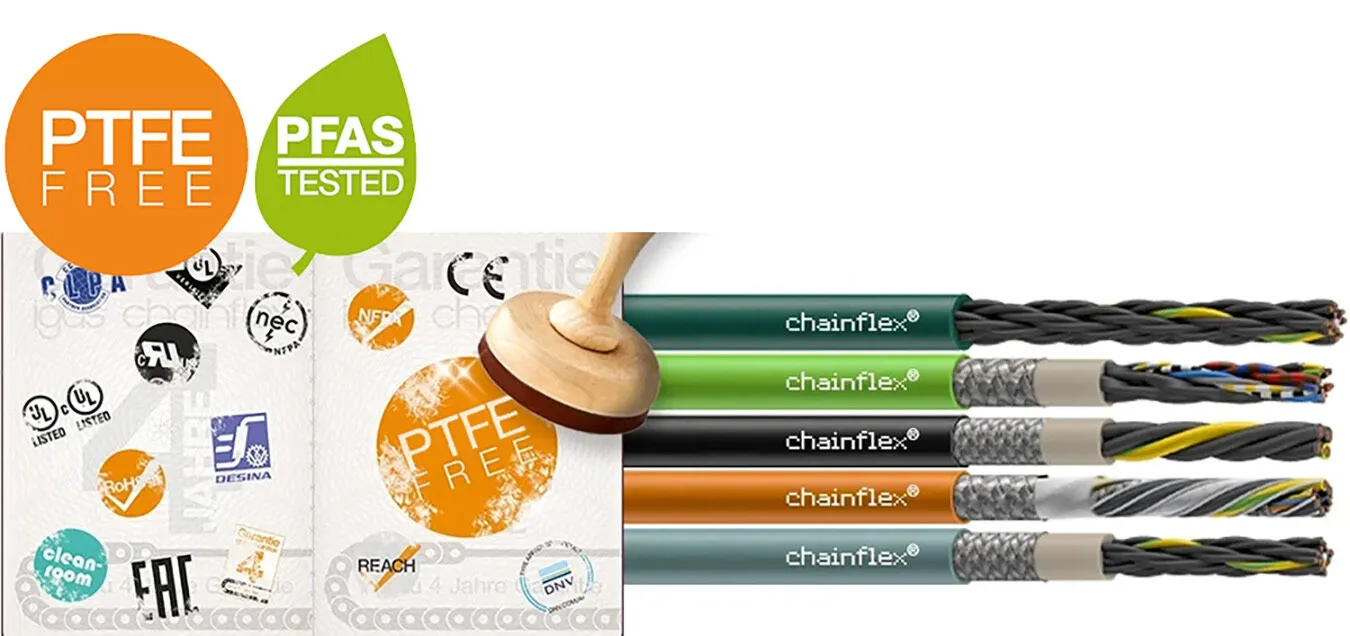
FDA and European Regulation EU 10/2011 are well-known benchmarks, but the picture is broader than that. For example, the 3-A standard applies to certain applications in the dairy industry, while China has GB4806.1 and Japan the Food Sanitation Act. “Not every material is automatically suitable for every hygiene-sensitive application,” says igus. The specialist therefore provides a clear overview of the compliance of its materials. iglidur A180, for example, complies with FDA, EU 10/2011 and Japan’s Food Sanitation Act. For applications with even more stringent requirements, iglidur A500 is one option, as it also complies with 3-A and GB4806.1.
From plain bearings to cable carriers
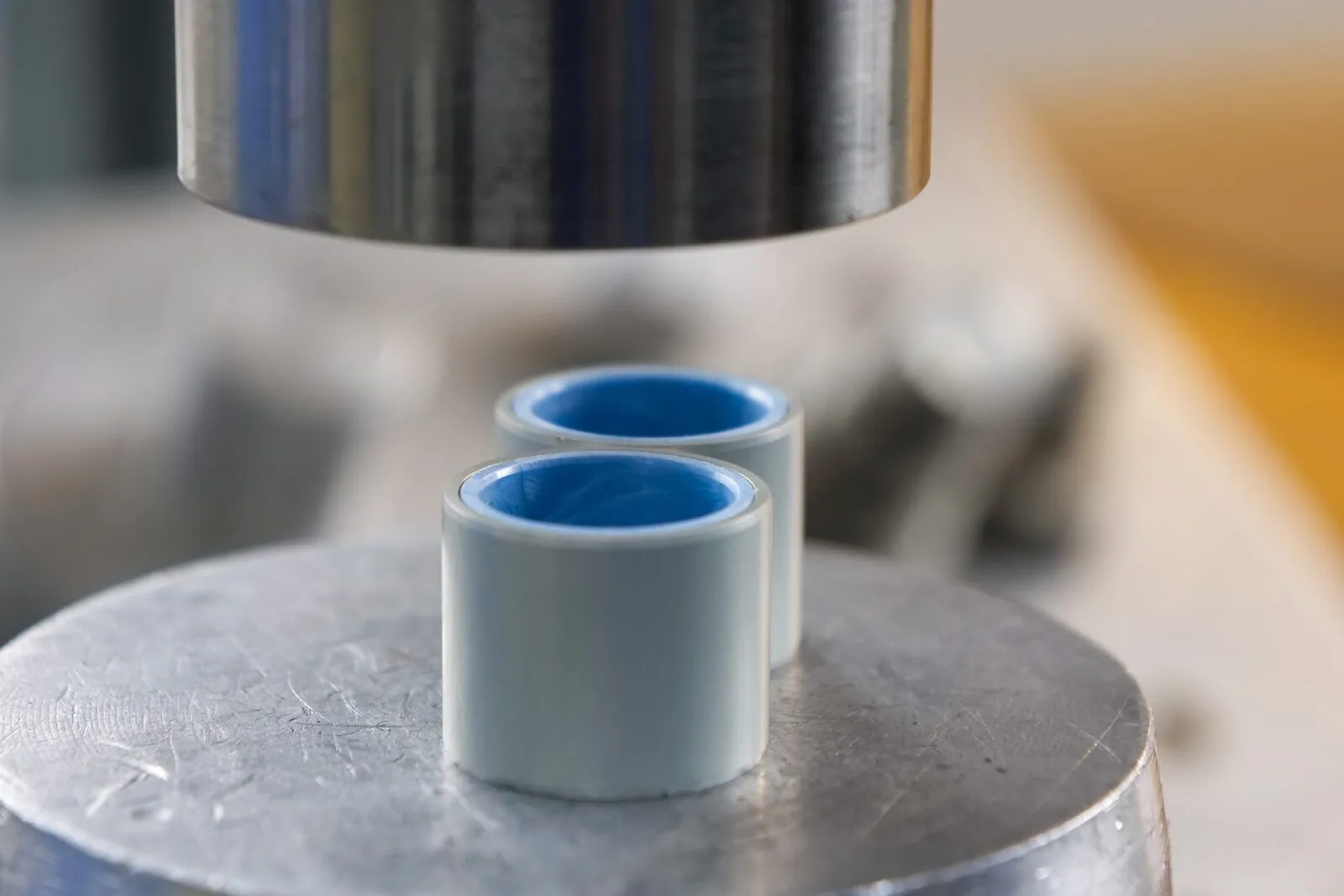
This materials expertise translates into a broad range for food machinery. Products include plain bearings such as iglidur A181, linear bearings that operate without external lubrication or maintenance, spherical bearings, ball bearings, conveyor and knife-edge rollers, and lead screw solutions. Solutions for cable guidance are also available. The TH3 cable carrier is designed specifically for hygiene-sensitive environments and based on FDA and EU 10/2011 specifications. igus also offers semi-finished products, films and 3D-printing filaments for applications in the food and beverage industry. One important feature common to these products is the lubrication-free operation of the polymers. Solid lubricants are integrated into the material, eliminating the need for external lubrication. This reduces maintenance and prevents lubricating oil or grease from these components entering the production environment. Specific materials have also been developed to withstand wear, chemicals and high temperatures, among other factors. “The challenge is not to find one food-grade material, but to select the right material with the right compliance for every movement,” says igus.

PFAS puts materials development in motion once again
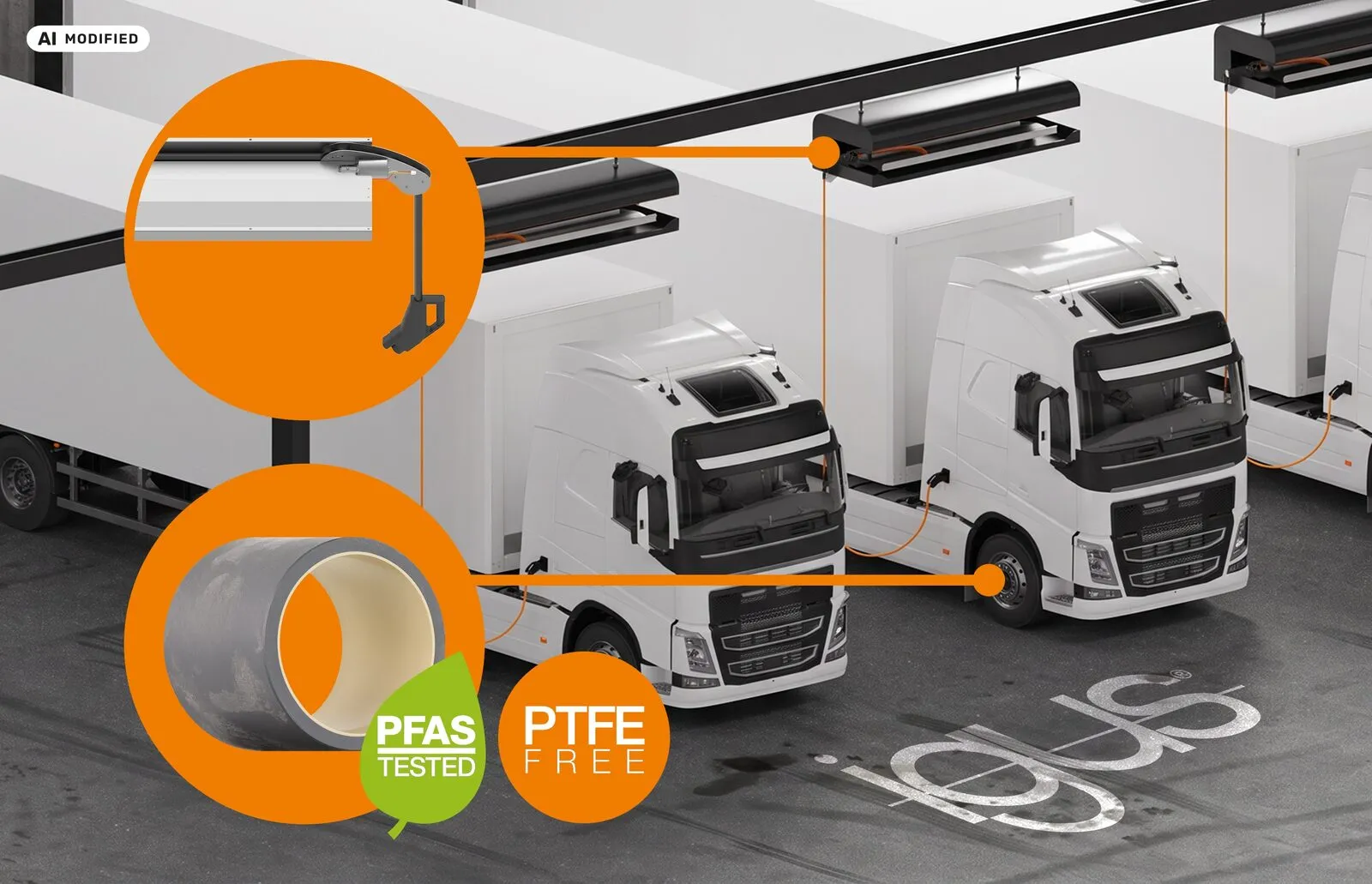
Alongside food safety, the composition of plastics is also receiving increasing attention. PFAS, the collective term for a large group of persistent substances, is firmly in the spotlight. PTFE is also part of this group. The material has valuable tribological properties: it reduces friction and supports dry, lubrication-free operation. At the same time, Europe is working on possible restrictions on PFAS. For igus, this is a reason to further develop alternatives. The range now includes several materials that contain no PTFE. One example is iglidur JPF, named Product of the Year in the Materials category by Kunststof Magazine in 2025. Several PTFE-free igus materials have also been tested for 96 PFAS substances considered critical to the environment and human health. Research into alternatives is continuing. Regulations evolve, and materials must evolve with them. And of course, igus is keeping a close eye on it all for you.
A business enquiry for Igus? Get in touch
Companies in this story

Keep following this
Get an email when a new story is published. No account needed.
- ThemeFood safety from design to audit
- SubjectFood safety
- CompanyIgus