












Automated cleaning increases available production time
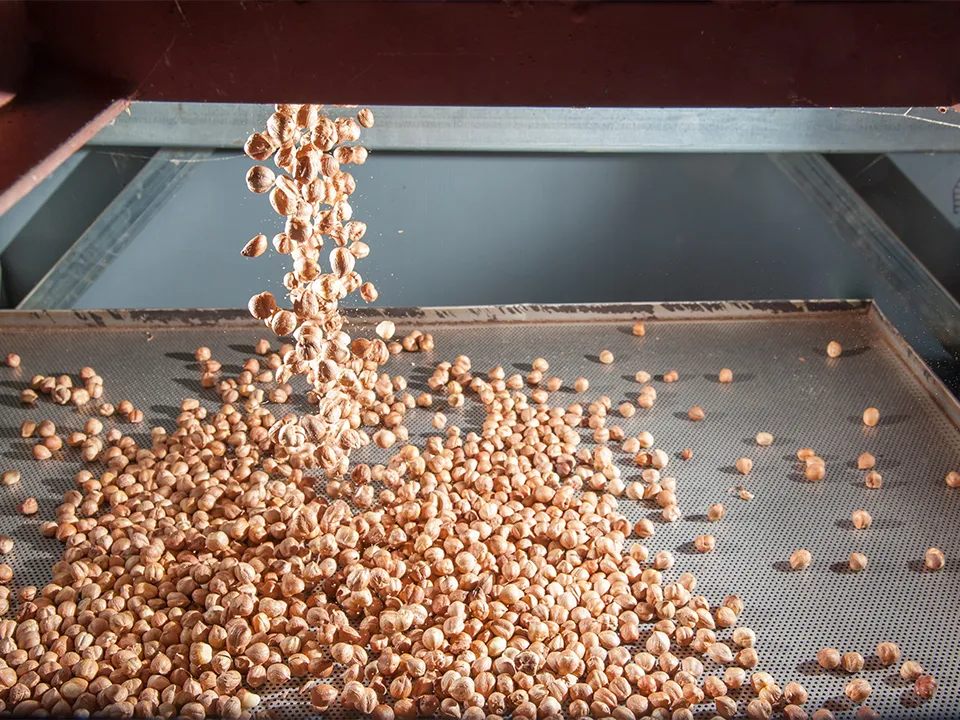
Whatever the products they make, all food businesses must put hygiene first. This makes cleaning machinery and equipment an important part of the production process.
Manual cleaning, however, takes up enormous amounts of labour and production time. Even then, a perfectly hygienic result is not guaranteed. For complete peace of mind, businesses should opt for automated cleaning, and will soon reap the benefits. CIP is the ideal solution for increasing production time and reducing cleaning time. It is also an affordable investment for SMEs that quickly pays for itself, as the same workforce can produce more.
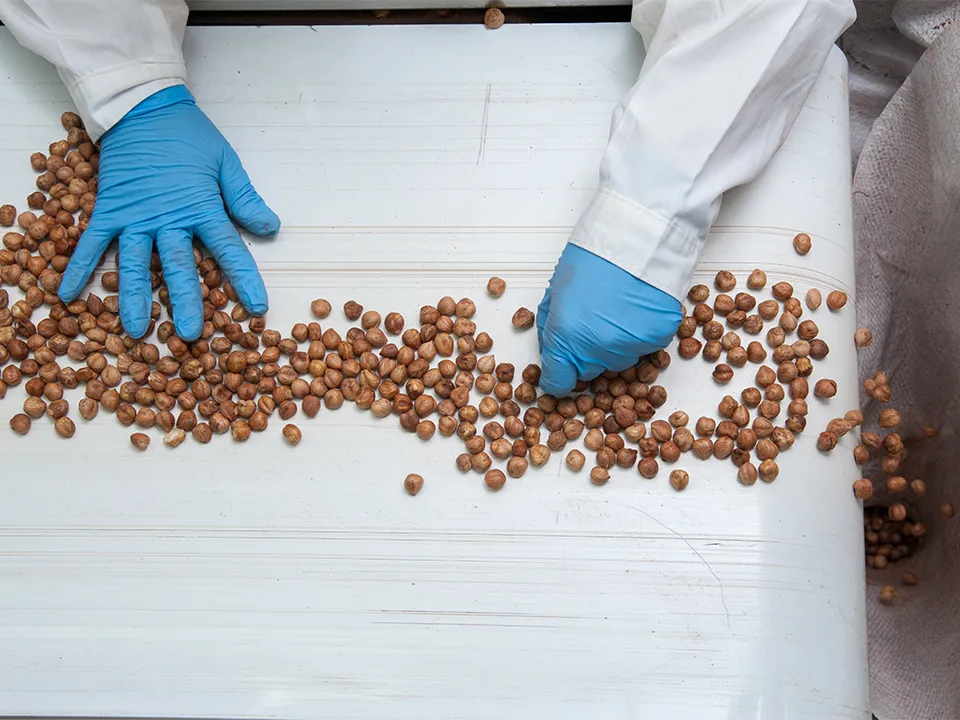
CIP stands for cleaning in place. It is now widely used in the pharmaceutical and food industries. CIP enables businesses to automate their cleaning processes and control them down to the last detail. During a CIP cleaning cycle, the equipment runs through a series of pre-set steps. These may include a pre-rinse to loosen and/or remove product residues, one or more wash cycles with recirculation of different cleaning agents (alkali or acid), disinfection, rinses between wash cycles, draining of cleaning agents, a final rinse with hot or cold water, drying …
The process always starts with the specific situation on site. A tank that has held milk will require different cleaning from a pipe that, for example, has carried grain. Every step in the cleaning process is fully documented and logged by the equipment. This gives businesses instant access to all the data they need to demonstrate that cleaning has been carried out to the required standard. It is therefore no surprise that international retail standards such as BRC and IFS often require CIP cleaning.
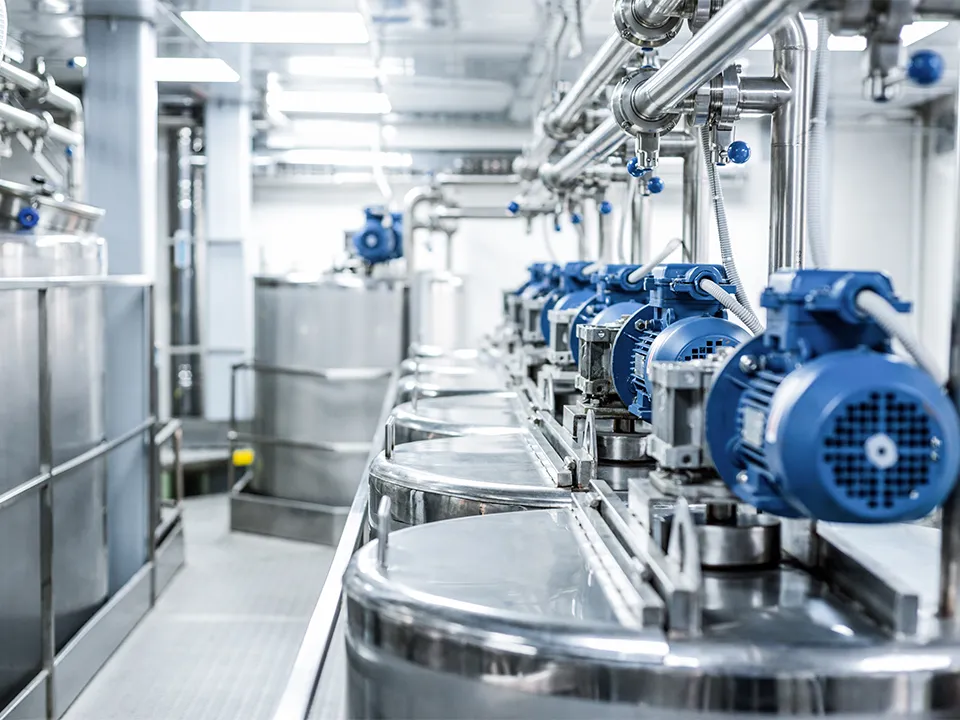
CIP becomes standard practice
CIP has become more important than ever in recent years. With the advent of social media, businesses can even less afford a product recall and the reputational damage that comes with it. A reputation is quicker to destroy than to rebuild. Allergen legislation has also played its part. Today, 1 in 13 children suffers from an allergy to a particular product. The figures have risen steadily in recent years, and there is no sign of this trend stopping. To produce allergen-free products on the same line and avoid cross-contamination, more cleaning is therefore needed between certain batches than before. A third trend driving the growing popularity of CIP cleaning is the move towards healthier food. Consumers are scrutinising the amount of salt, sugar and fat in their food. These ingredients naturally help extend shelf life, however. Removing them makes food more vulnerable than ever, creating a need for effective cleaning. CIP has consistently proved to be the ideal answer to these demands
Benefits of CIP
Why CIP? It is simple. Compared with manual cleaning, CIP ensures that the cleaning process always follows the same procedure. A machine performs just as efficiently on a Monday morning as on a Friday evening. Should a fault occur, it is automatically detected and logged. Sensors throughout the CIP system check that the correct temperature, pressure and conductivity values are reached. CIP therefore provides assurance, backed up by documented logs. CIP cleaning also increases safety, both for your product and your employees. No one needs to climb inside a tank to make sure it is perfectly clean. Higher temperatures and stronger chemicals can also be used to remove all dirt, even stubborn biofilms, from your machinery and equipment. The biggest gain, however, is the time saved. Thorough manual cleaning takes longer than automated cleaning. CIP therefore delivers a substantial increase in production time, while reducing cleaning time and costs. Businesses can save on energy and water, cleaning chemicals and, of course, labour costs.
Balancing four parameters
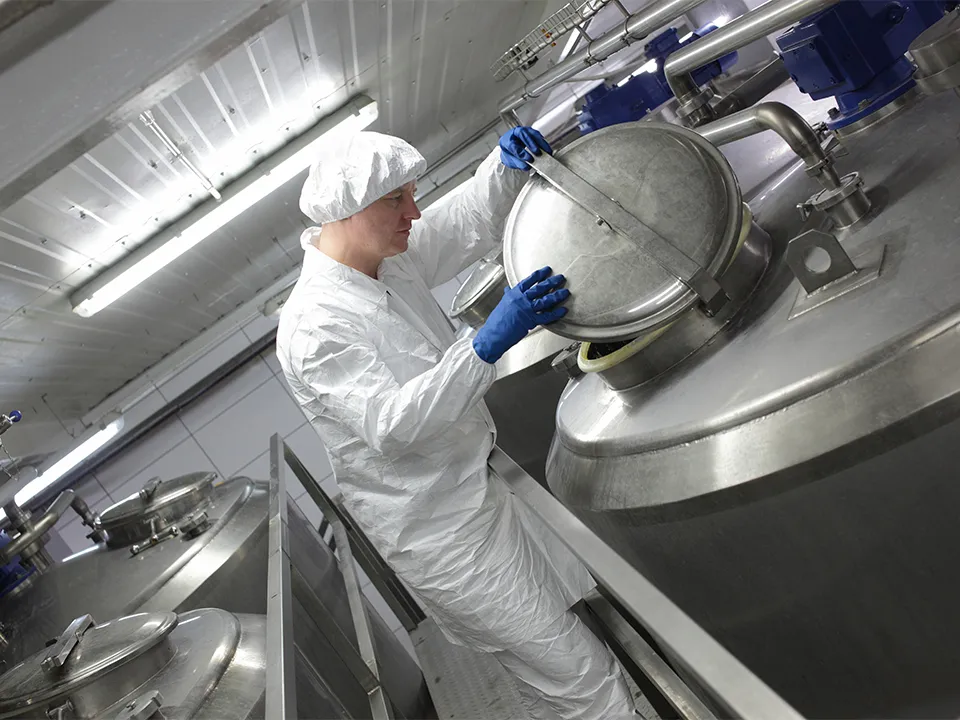
To achieve these savings for every application, the CIP system supplier works with you to find the ideal balance between four parameters: time, temperature, chemicals and mechanical action. The aim is always to keep cleaning time as short as possible by adjusting the other parameters to suit your equipment and products. The temperature should be as high as possible, but must not exceed certain limits, to avoid triggering chemical reactions such as polymerisation or caramelisation. Typically, a temperature of 85 °C is chosen. US companies often set a lower limit of 55 °C to prevent the metal from becoming too hot for operators working nearby. Chemicals fall into two main groups: acids and alkalis. The right product and recommended concentration are selected for each application. The chemicals remove dirt from the material and dissolve it, allowing it to be flushed out of the equipment. Finally, there is the mechanical aspect of cleaning. This involves the pipework, where the right pressure and flow rate must be selected to create turbulent flow that effectively scrapes dirt from the pipes. In open applications such as tanks, it involves spray balls, which must be positioned so that they reach every surface. This also requires the right flow rate and pressure. By combining these four elements, CIP cleaning can safely and cost-effectively remove microbiological contamination, allergens, cross-contamination and chemical residues from your machinery and equipment.
Question about this story? Ask your question
Keep following this
Get an email when a new story is published. No account needed.
- ThemeFood safety from design to audit
- SubjectFood safety







