












Building a food safety culture
Text Valérie CouplezImage Normec
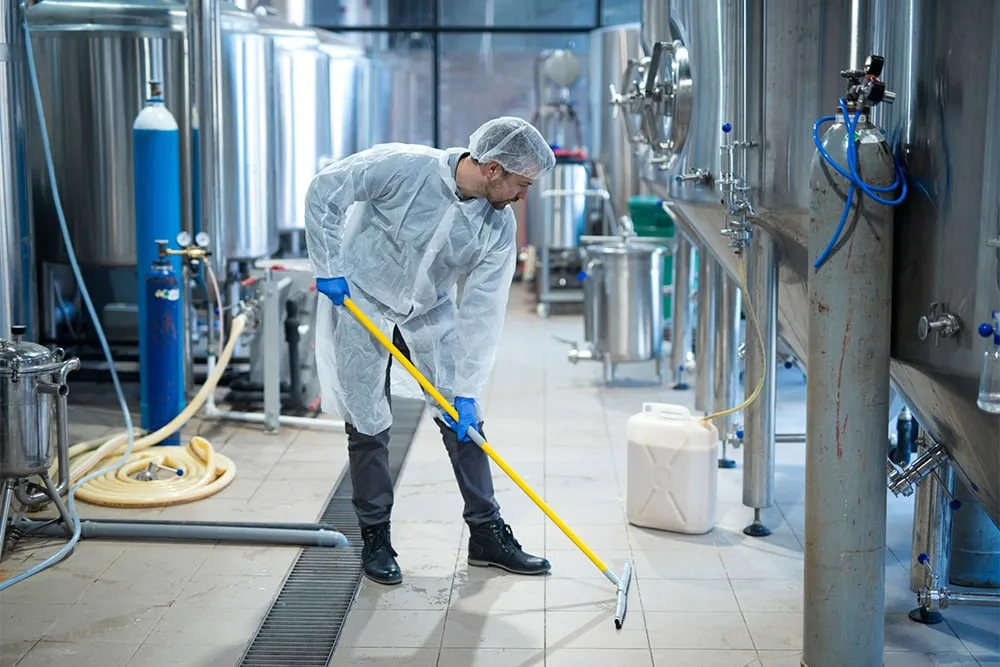
Food safety is about more than ticking off all the requirements in the regulations. It is about ensuring that everyone in the business, from management to the shop floor, understands the importance of food safety. That is why creating a food safety culture has been part of the European hygiene regulations since 2021. By applying Q-DNA, an innovation project in collaboration with UGent and Flanders’ Food, Normec makes food safety culture measurable and tangible in a practical, scientifically grounded way.
Q-DNA is a digital methodology developed by UGent and Flanders’ Food to raise food safety standards in the food industry. Normec Quality Assurance business unit director Fréderique Henderickx explains: “It was developed by bringing together different disciplines. Traditionally, quality is viewed from a microbiological or chemical perspective, with the Codex Alimentarius as the reference point. We take a broader approach that also considers behavioural and group psychology. These are more of a soft skill, but they are just as essential for building a safety culture. Only when people behave appropriately, when everyone understands why they perform certain tasks and how these affect food safety, does it become a reality. We see this as a common issue in audits. Most non-conformities have nothing to do with the absence of a good food safety system, but with a company’s culture and DNA.”
Driven by management
Normec’s Q-DNA approach therefore starts with surveys involving people in different roles across different departments. “We assess subjective factors, objective knowledge and psychosocial aspects using scientifically validated questionnaires,” Henderickx explains. “It is important that this is genuinely supported by management. That is where it starts: management must set the tone for the rest of the business by giving it the right priority and making budget available.” Once the baseline assessment has been carried out on the shop floor, all the data are brought together in a GAP analysis. “Essentially, we identify where improvements are needed. How is it done today? Where do we want to be in the future?” Henderickx explains. “It is important to understand that food safety culture is about people. It starts with small things: getting the basics right and then building on them every day until safe food handling becomes second nature, even when things get busy.”
Practical experience adds value
Normec has been applying this method since 2022, and has seen food businesses achieve some excellent results with it. “The combination of a smart tool and our practical experience across a wide range of sectors adds real value. But a food safety culture is never finished. You are always looking again for ways to improve.” Henderickx offers a few lessons learned. “Make sure your employees are involved. Their experience is invaluable when it comes to making your processes safer. Ask for their input and knowledge. A second tip is to identify the influencers in your business. Who can bring a whole group along with them? But do not forget the most critical voices either. If you can bring both groups on board, you will make more progress. A third element is training. Make it interactive and keep training your people in food safety.”
Growing focus on food safety culture
Henderickx has also seen growing attention being paid to food safety culture. “That is a good thing. Not because it is a legal requirement, but because I firmly believe it is a key building block for producing food safely.”
Een zakelijke vraag aan Normec Foodcare BV? Get in touch
Companies in this story
Keep following this
Get an email when a new story is published. No account needed.
- ThemeFood safety from design to audit
- SubjectFood safety
- CompanyNormec Foodcare BV







