












Chromatography in food analysis
Text Valérie CouplezImage iStock
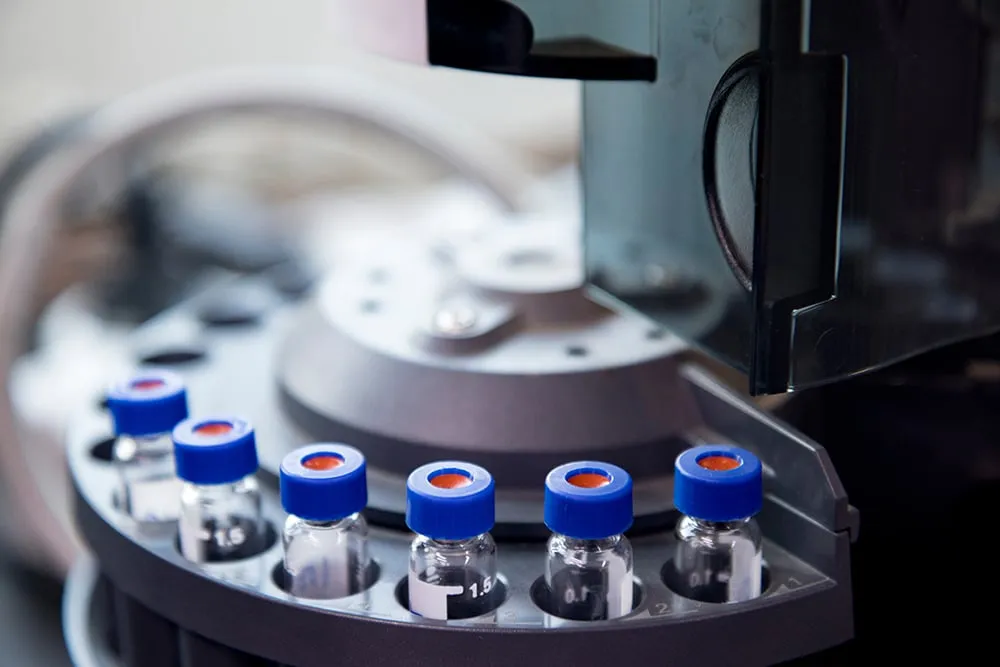
The food industry is responsible for providing consumers with safe and nutritious food. Meeting this obligation requires analytical techniques to examine food samples for a wide range of parameters, from flavour profiling and the identification and quantification of volatile compounds to assessing food authenticity and more. Gas chromatography and liquid chromatography have emerged as powerful tools for this purpose.
Food products consist of a combination of natural compounds and other substances resulting from various stages in the food chain, including agricultural treatments, technological processes and packaging materials. For example, modern farming practices and food processing often involve the use of chemicals such as fertilisers, pesticides and preservatives. While these chemicals increase productivity and improve competitiveness and profitability, they can also pose risks to human health if consumed. Food must therefore be rigorously tested to ensure its safety. Gas chromatography has become a widely used analytical tool for food analysis in the food and beverage industry.
Chemical and microbial analysis
Chemical analysis of food is an essential process that enables us to identify and quantify the various chemical substances in a food product. Once these substances have been identified, chromatography plays a crucial role in effectively separating the components in the food sample. This separation process is essential for further analysis and understanding of the individual chemical components found in food. As noted earlier, agrochemicals are used in various agricultural treatments to promote the growth of food crops. These agricultural chemicals, including pesticides, can leave residues behind. In addition, foods of animal origin can be contaminated by veterinary medicines that are still present in the animal’s body. Organic contaminants can also enter food through environmental processes involving air, soil and water. Gas chromatography plays a central role in measuring compliance with regulatory requirements and ensuring that they are met.
Nutritional analysis and quality control
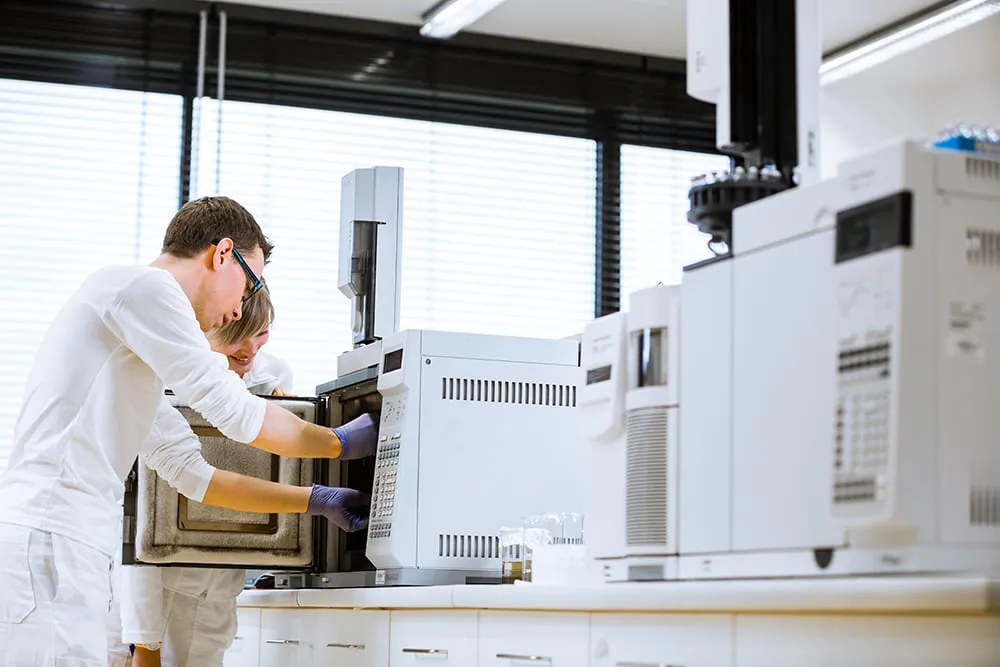
Gas chromatography can also provide valuable insights into the nutritional value of the food we eat. Manufacturers can analyse their ingredients by passing them through a chromatographic column, obtaining a precise breakdown of the components they intend to use in their food products. This analysis provides crucial information on the levels of vitamins, proteins, preservatives, additives, fats and more. By using gas chromatography, manufacturers can determine the specific nutritional values that must be declared on their packaging, as required by government health and safety regulations. Finally, gas chromatography plays a role in quality control. It is used to analyse volatile compounds that contribute to the aroma and flavour of food, helping to assess food quality, authenticity and sensory characteristics. In addition, gas chromatography can identify and quantify volatile compounds that provide valuable insights for flavour profiling and development.
Liquid chromatography
Liquid chromatography also plays an important role in food analysis, particularly in residue analysis. High-performance liquid chromatography (HPLC) is invaluable for identifying and quantifying specific target analytes, making it possible to monitor pesticide levels in food. As mentioned earlier, antibiotics in food as residues from the treatment of animals pose a risk to human health. HPLC is indispensable in this area of food analysis too. Using HPLC makes it possible to detect and measure antibiotic residues effectively, enabling appropriate measures to be taken to protect food safety and public health.
Question about this story? Ask your question
Keep following this
Get an email when a new story is published. No account needed.
- SubjectFood safety







