












Connecting the dots: end-to-end traceability
Text Valérie CouplezImage iStock
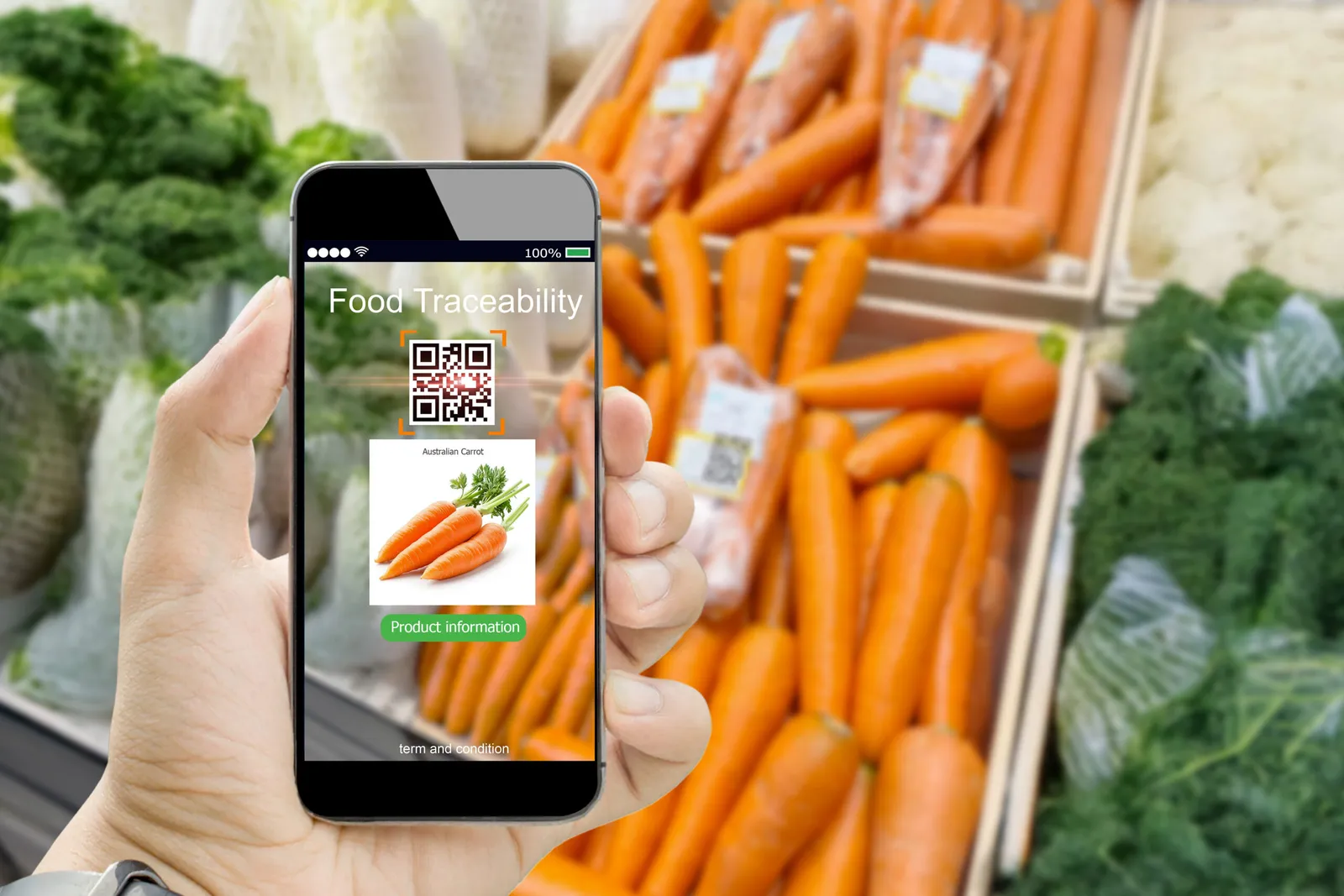
Food safety is about more than regulatory compliance: it is the cornerstone of consumer trust. Today’s consumers want more than quality alone; they want to know where their food comes from, how it is made and whether it is safe. That is why traceability is becoming increasingly important. It is no longer optional: more and more regulators and retail standards require it. But don’t see it as just another box to tick on the compliance checklist. It is a tool to protect your brand, boost efficiency and build consumer trust. Are you ready?
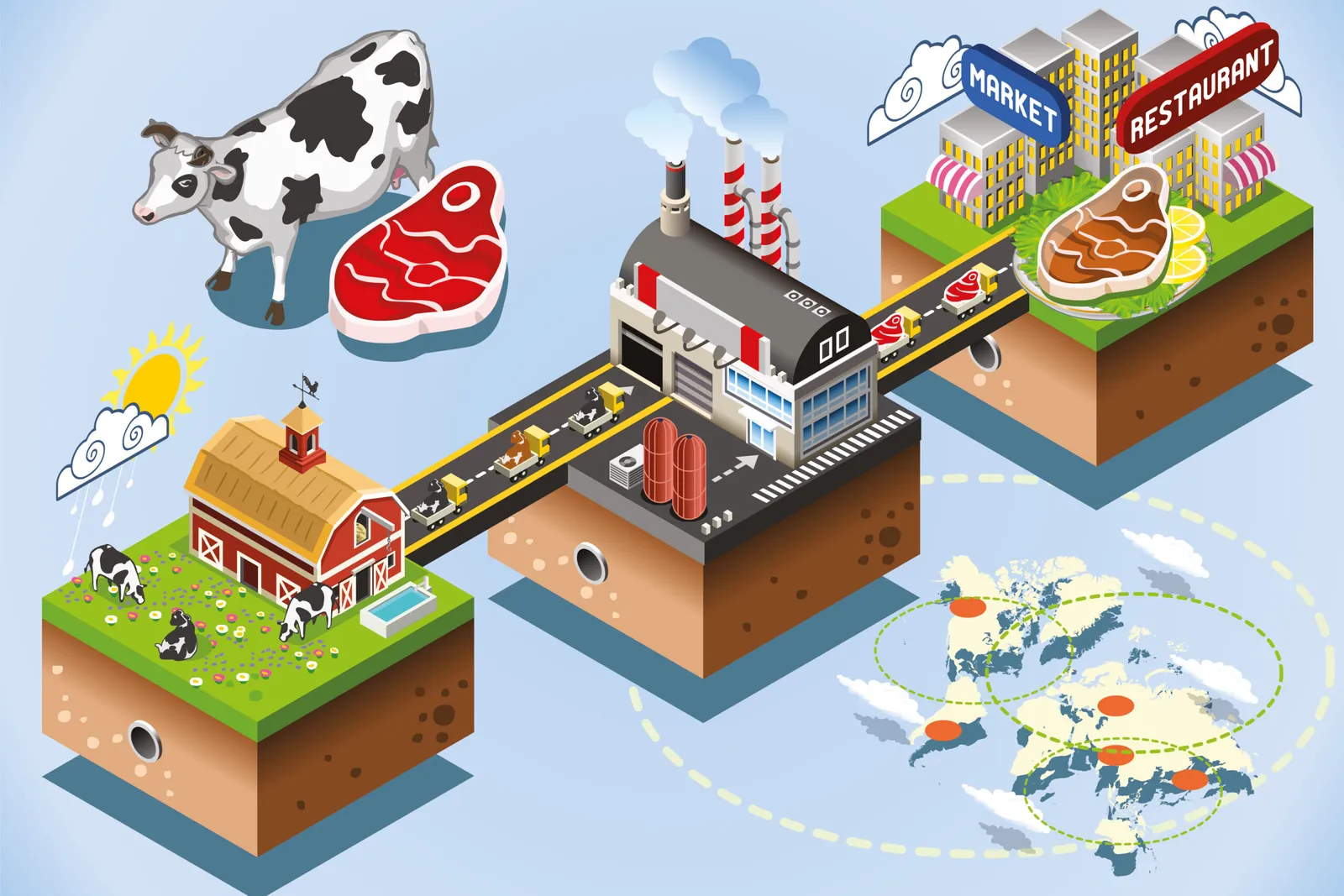
What does end-to-end traceability mean? Imagine a digital thread connecting every step in your product’s journey, from the farm where it was grown to the supermarket shelf. That is the power of end-to-end traceability. Here’s how it works:
- Each product is given a unique identifier, such as a barcode or RFID tag;
- Data is recorded at every step: where it came from, how it was processed and where it went next;
- This information is stored in a secure database, creating a transparent digital map of the product’s lifecycle;
- The map is shared with stakeholders throughout the supply chain: farmers, processors, distributors, retailers and regulators;
- Finally, the data collected is analysed to identify risks, ensure compliance and optimise decision-making.
The result? When a problem occurs, you can trace it to its source in minutes rather than days, protecting both your customers and your bottom line.
Why traceability matters
Consumers are more aware than ever of food safety risks, and this is reflected in their purchasing decisions. More than half of consumers (53%) avoid brands associated with recalls or safety issues. While legislation and retail standards require improved traceability for high-risk foods, the benefits go beyond compliance alone:
- Rapid problem resolution: In the event of contamination or a recall, traceability quickly identifies the source, minimising damage to your brand and protecting consumers;
- Consumer trust: Transparency reassures customers. When they know where your food comes from and how it is processed, they trust your brand;
- Operational efficiency: Traceability streamlines supply chains, reduces waste and provides actionable insights, making your business more efficient and resilient. Traceability is not just about meeting standards, it is about staying competitive and earning lasting customer loyalty.
The challenges of setting up a traceability system
Implementing traceability in the food industry comes with its share of frustrations. Many food processors struggle with outdated systems that simply do not communicate with each other, leaving crucial data scattered across fragmented tools. Add reliance on manual workflows, such as spreadsheets and handwritten notes, and the process becomes not only inefficient but also a compliance nightmare. The lack of visibility across the supply chain only makes matters worse. When you cannot clearly see or verify suppliers’ practices, achieving true transparency can seem out of reach. Missing or inconsistent data further complicates matters, creating blind spots that slow down the response when problems arise. And then there is the constantly changing regulatory landscape: simply keeping up with food safety requirements can feel like a full-time job. While these obstacles may seem overwhelming, they are not insurmountable. With the right tools and guidance, food processors can set up systems that streamline workflows, close visibility gaps and simplify compliance. Ultimately, end-to-end traceability can also help you excel in other areas.
Question about this story? Ask your question
Keep following this
Get an email when a new story is published. No account needed.
- ThemeFood safety from design to audit
- SubjectFood safety







