












Dehumidification: a crucial final step in the cleaning cycle
Text Valérie CouplezImage Munters
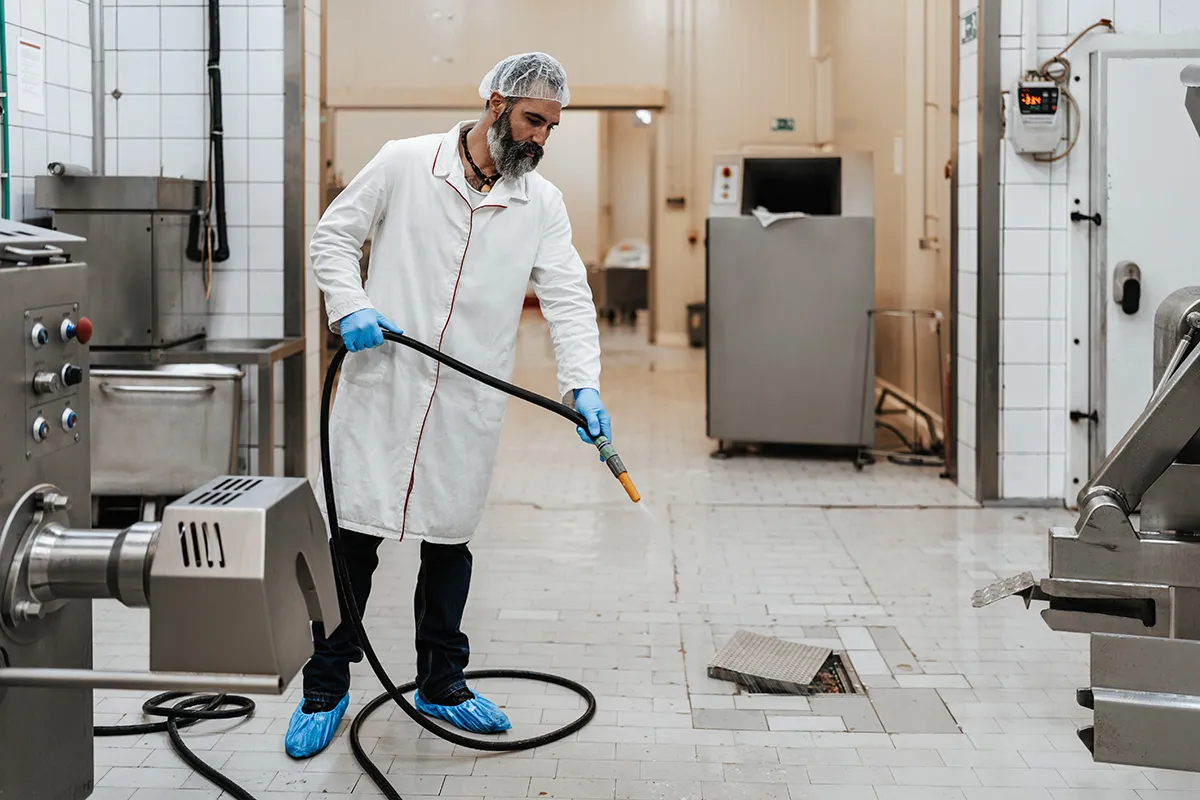
Are you already using dehumidification in your food production? Even a tiny amount of campylobacter or listeria monocytogenes bacteria can have devastating consequences. Scientific studies show that the more humid the air, the greater the chance of bacteria spreading. After all, they need water to support their cellular processes. Good control of moisture levels in your production is therefore instrumental in creating food-safe products. That is why many companies have already made dehumidification the final step in their cleaning cycle, relying on Munters technology to produce food safely. The figures prove that it works.
The importance of dehumidification cannot be denied. The figures clearly show the impact it can have on bacteria and, therefore, on food safety in your production. A study (Qiu et al., 2022) found that bacterial growth at a relative humidity of 70% was 22.3 times greater than at 50%. This means that reducing water activity has a significant effect on microbial growth. For example, a longer lag phase and a lower growth rate and cell yield can be observed.
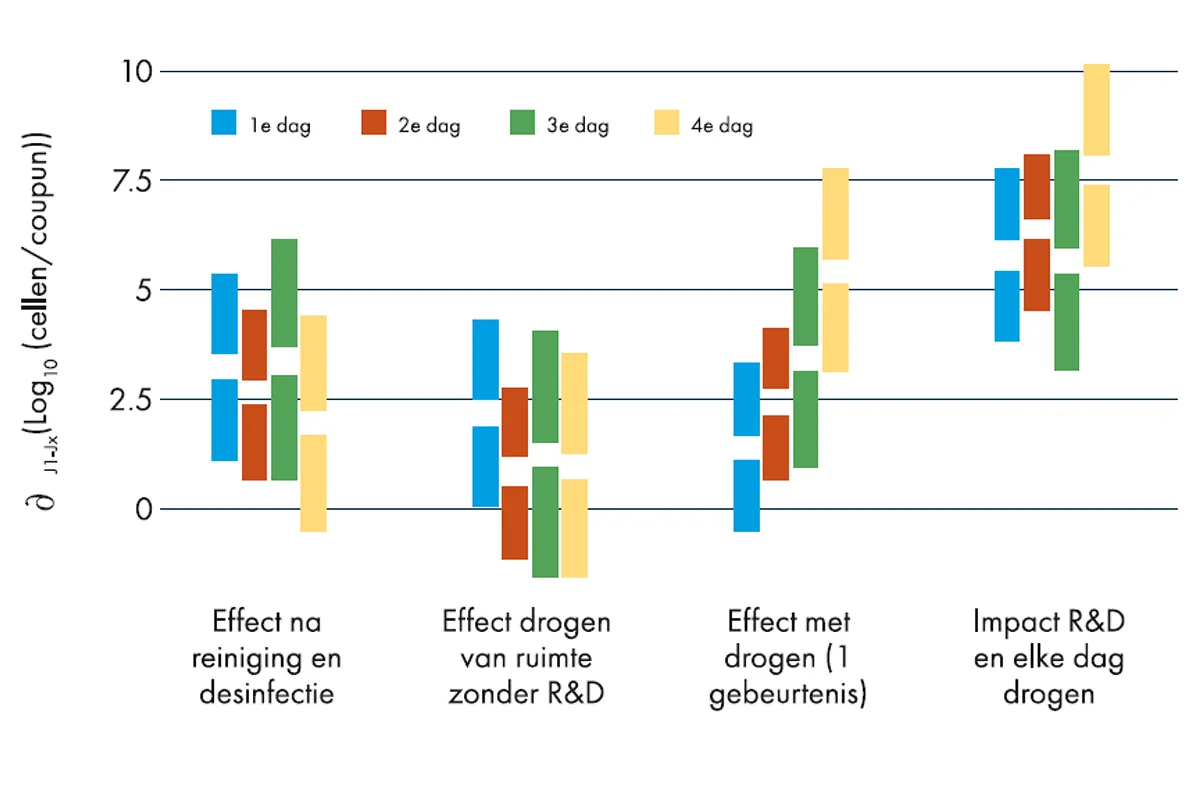
Rapid drying sharply reduces listeria monocytogenes
Research published in the International Journal of Food Microbiology highlights the crucial importance of humidity control and shock drying in combating listeria monocytogenes. This bacterium, which can grow even at refrigerator temperatures and forms resistant biofilms, presents particular challenges for the food industry. Both intensive drying and controlled rehydration are crucial to reducing the bacterium’s viability and damaging its cell membranes. This improves hygiene conditions in food production areas. Shock drying and rehydration create dryness and water stress, weakening the bacterium’s cell membrane and making it permeable. The combination of cleaning, disinfection and rapid drying has proved particularly effective in reducing microbial growth in just four days (see graph).
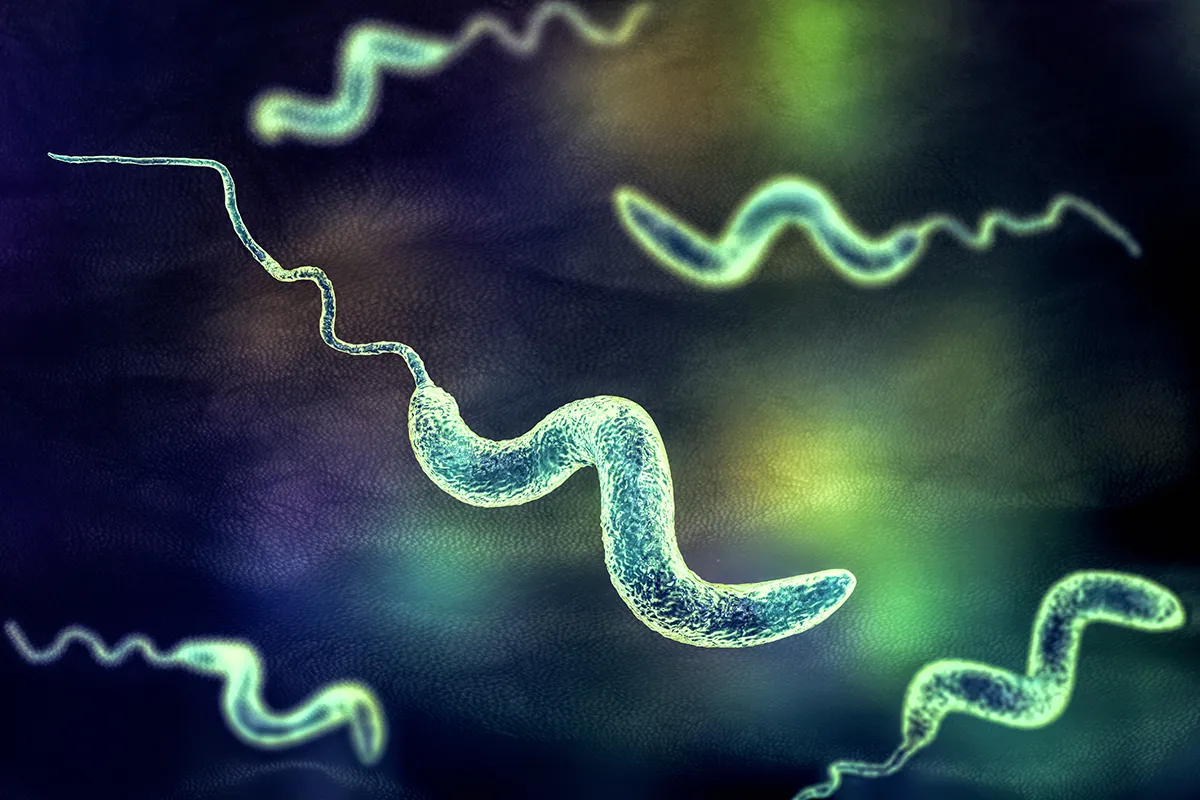
Marked reduction in total viable count for campylobacter
Another study (Dzieciolowski et al., 2022) also provides compelling evidence of the effectiveness of Munters dehumidifiers in significantly reducing campylobacter contamination on transport crates. Treating the crates with dry, warm air for two hours using a Munters dehumidification system led to a marked reduction in the total viable count, used as an indicator for campylobacter. This reduction, equivalent to an average decrease of 3.4 logs, illustrates the profound impact of Munters technology in the fight against microbial threats. The reduction in the total amount of enterobacteria after treatment with Munters dehumidifiers was substantial, at 3.8 logs. Effective use of Munters dehumidifiers can therefore help reduce the number of infections.
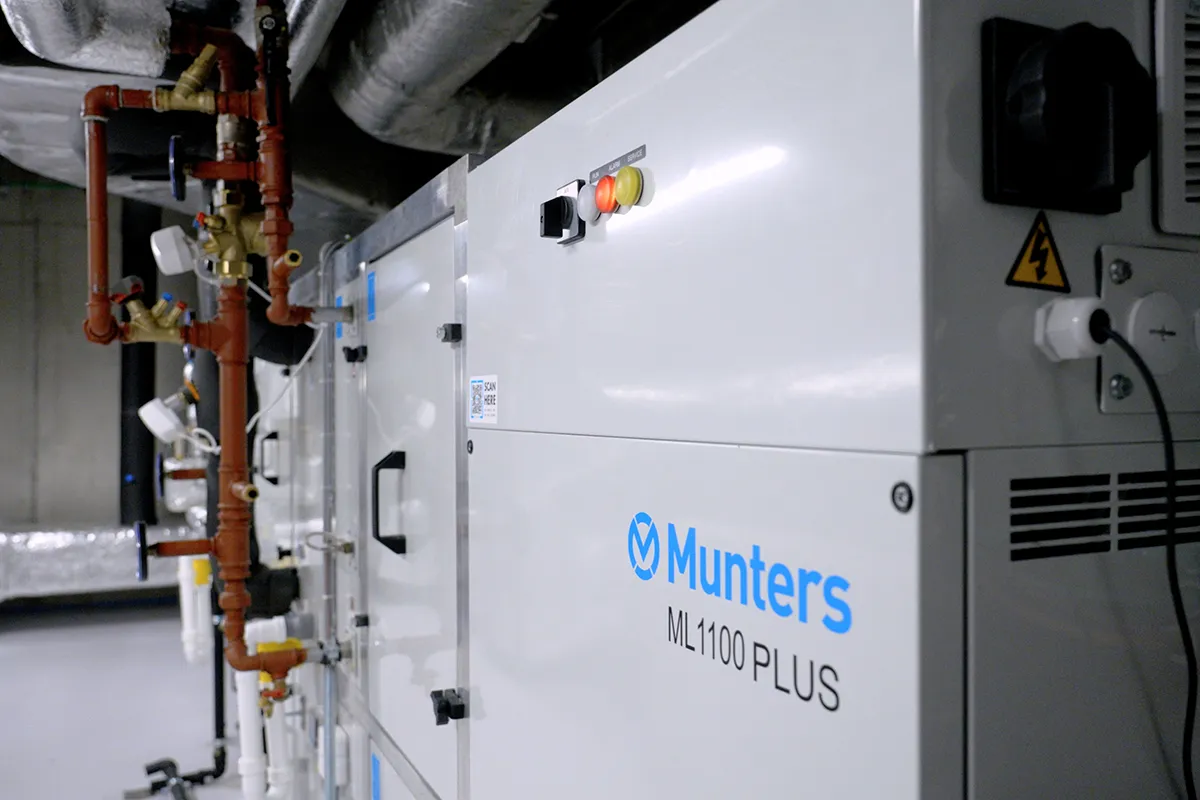
The difference between refrigerant and desiccant drying
Air can be dried in various ways. Refrigerant drying and desiccant drying are the most common techniques. Refrigerant drying uses a closed refrigeration system and a fan. Air is passed over a cold evaporator coil, causing water vapour to condense as it cools. The condensed water vapour is collected in a drip tray and drained through a hose to a collection tank or the sewer. Desiccant drying, invented by Carl Munters, uses highly efficient drying agents such as silica gel, which absorb moisture in the vapour phase. These materials are impregnated onto a rotating ceramic wheel. Moist air is blown through the wheel, where the moisture is captured. The dried air then leaves the desiccant dryer. The saturated section of the rotor is regenerated using a lower airflow and the addition of heat. This can be supplied electrically, by gas or steam, but a great deal of regeneration can also be achieved using waste heat. The warm, moist air is then discharged outside. In the food
industry, desiccant drying is essential. Thanks to technologies such as the Munters Rotor, condensation is prevented without the need for a drip tray. The rotor has an antibacterial effect and is heated every 8 minutes to temperatures above 60 °C, maximising the drying effect. Find out how Munters can take your cleaning cycle to the next level.
Why choose Munters dehumidification technology?
- Drying at any temperature, even below 0 °C;
- Low relative humidity (RH), even at low temperatures;
- Faster evaporation of water at a low dew point (low RH);
- Shorter drying times after cleaning;
- Maximum disinfectant effectiveness;
- No condensation in or behind evaporators (avoiding cross-contamination);
- Lower energy consumption by refrigeration systems.
Question about this story? Ask your question
Keep following this
Get an email when a new story is published. No account needed.
- ThemeFood safety from design to audit
- SubjectFood safety







