












Do birds really spread disease?
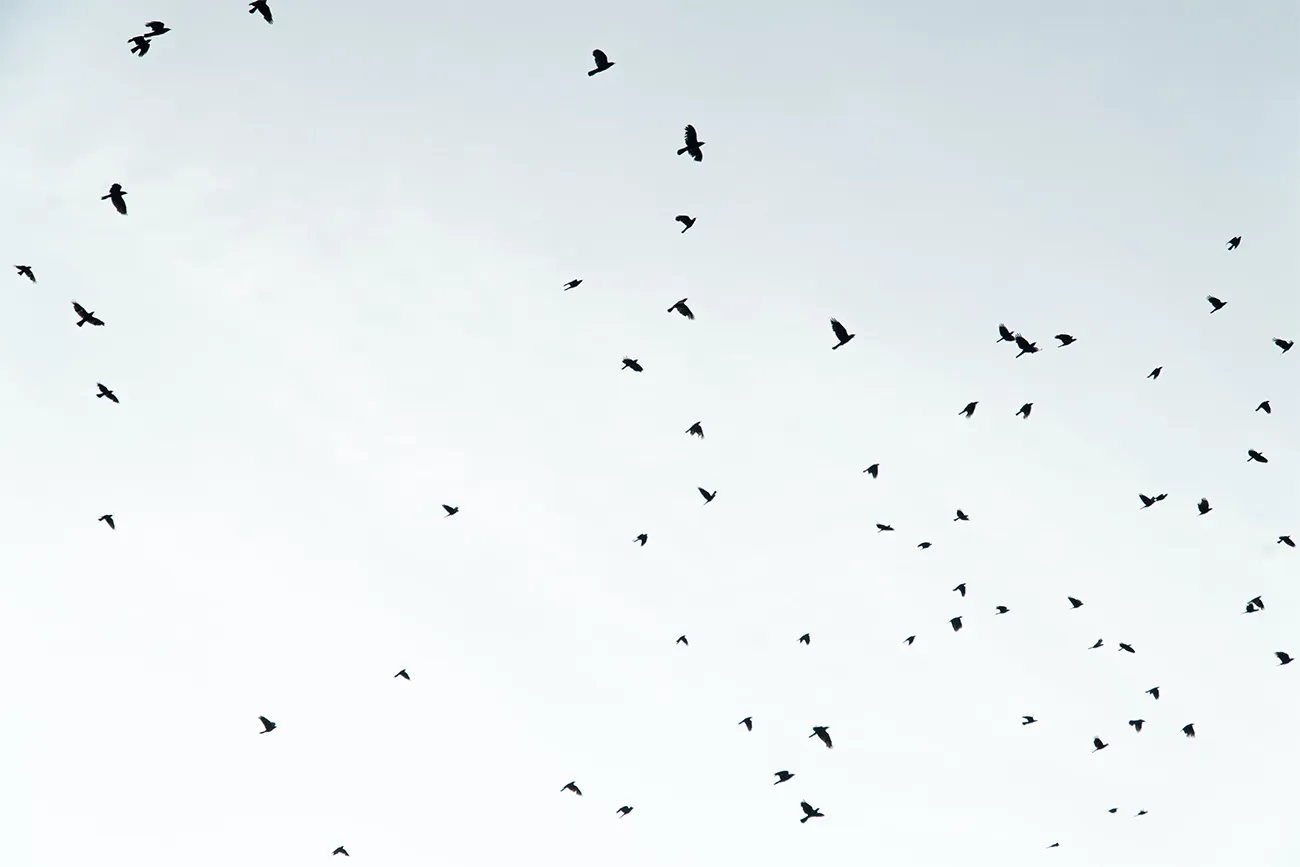
Birds are probably not the first animals that come to mind when you think of pests. You are more likely to think of rodents, cockroaches or perhaps even flies. But under certain conditions, some bird species, such as pigeons, gulls, crows and starlings, are also considered pests.
As with cockroaches, rodents and flies, the presence of birds, especially in an environment where food is produced or sold, carries a risk of contamination and disease.
For businesses, a bird problem can pose a disease risk to both staff and customers. This can be particularly problematic for food production businesses, as bird contamination breaches food safety standards and regulations. It can lead to food products becoming contaminated, disease outbreaks and a possible audit.
How do birds spread disease?
As with most other pest species, several factors contribute to the spread of disease. In the case of birds, however, their droppings and nests are the main concerns.
Bird droppings:
Bird droppings are the main way birds can transmit diseases to humans. They contain various fungi and bacteria. When droppings dry out and become airborne, people can inhale them and become ill, or bacteria can settle on surfaces and products and contaminate them.
Bird nests:
Nesting materials are also an important factor in the spread of disease. Bird nests provide an ideal home for parasites and insect pests, which can also transmit specific diseases to humans. Bird mites, often found in nests and roosting sites, feed mainly on bird blood but also bite humans. And strange as it may sound, pigeons, starlings and house sparrows can carry bed bugs.
How can you catch a disease from a bird?
There are several ways you can catch a disease from birds, some more common than others. These include:
● Inhalation: when bird droppings dry out and are then disturbed, diseases in the droppings become airborne.
● Eating and drinking: consuming food or drink contaminated with bacteria, fungi or viruses from bird droppings.
● Touch: dead birds can host a range of harmful bacteria, fungi and viruses.
● Insect bites: biting insects can become infected with a disease after biting a bird and then infect humans.
Bird diseases that can affect humans:
Birds are thought to be able to transmit more than 60 different diseases that can infect both humans and animals. The most common include:
1. Psittacosis: often called parrot fever, this disease is caused by the bacterium Chlamydophila psittaci. Infection occurs when people inhale airborne particles found in the droppings and feathers of infected birds.
2. Salmonellosis: caused by Salmonella sp. bacteria. Infection occurs when people consume food or drink contaminated with droppings from infected birds.
3. Newcastle disease: this virus can be transmitted to humans through exposure to the faeces and other excretions of infected pigeons.
4. Gastroenteritis and septicaemia: caused by Escherichia coli (E. Coli) and spread mainly by gulls.
5. Fungal infections: including histoplasmosis and cryptococcosis, carried in gull droppings.
Preventing diseases spread by birds
The possibility of birds spreading disease should be a major concern for both homeowners and business owners.
Here are four DIY prevention techniques you can use when you first notice signs of a bird problem to help reduce the risk of contracting a bird-borne disease.
● Deter birds from your property: This can be done by repairing potential damage, installing barriers on window sills and attaching other deterrents to railings and eaves.
● Prevent birds from accessing nesting sites: Railings, window sills, eaves and gaps in roofing can all provide birds with places to build their nests.
● Remove potential food sources: Birds, particularly pigeons and gulls, are resourceful and omnivorous when it comes to food, especially in urban areas. Removing anything that could be a potential food source will make your property less tempting to birds.
● Be mindful of nesting materials: Birds are attracted to areas scattered with paper, twigs, grass and plant debris. These provide them with an endless supply of materials to build their nests. Keeping the outside of your property clean and free of debris will make it less attractive to nesting birds and encourage them to find somewhere else.
Professional bird control
Although the DIY methods listed above can help prevent birds from settling on your property in the first place, it is important to use a professional pest controller to deal with bird problems.
Rentokil offers a range of solutions, from bird spikes and netting to bird scarers, that effectively deter birds and prevent them from settling and making themselves at home at your business.
As the world’s leading commercial pest control provider, Rentokil has developed a range of innovative and sustainable bird control solutions to help you create a bird-free environment, while complying with the necessary local laws and regulations for safe and humane bird control.
Een zakelijke vraag aan Rentokil? Get in touch
Companies in this story

Keep following this
Get an email when a new story is published. No account needed.
- ThemeFood safety from design to audit
- SubjectFood safety
- CompanyRentokil







