












Effortlessly disinfect even hard-to-reach surfaces
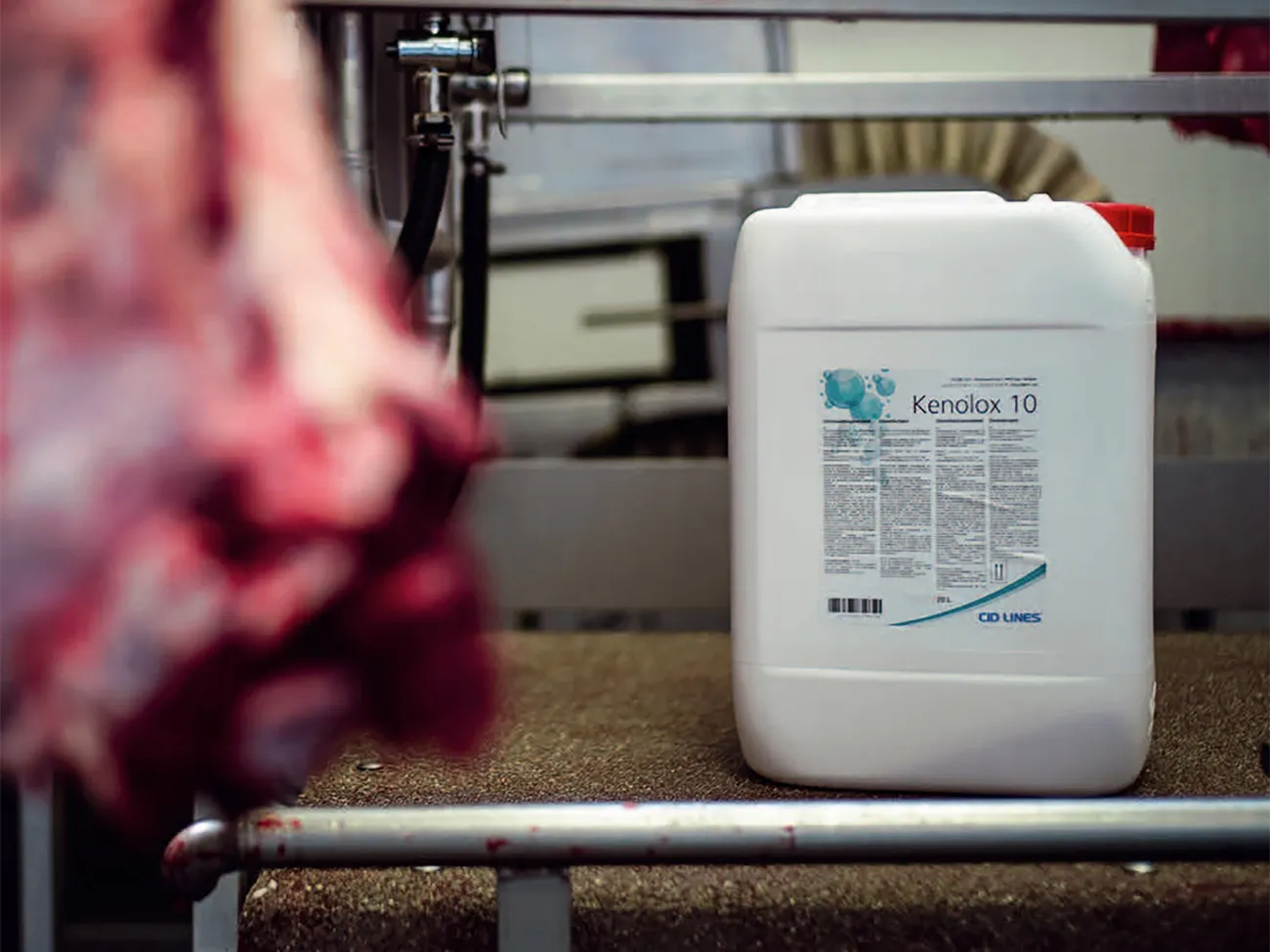
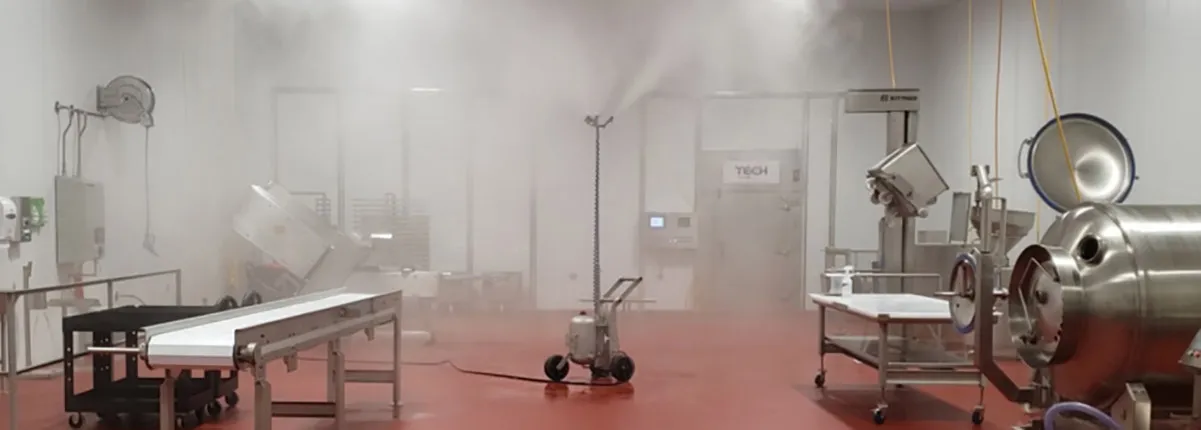
Fogging is a surface disinfection technique that continues to gain importance. This is largely because atomisation allows the surface disinfectant to reach even hard-to-reach areas. With the addition of Kenolox 10 to its portfolio, Ecolab can now offer this technique to its customers. Once fogging is complete and the prescribed contact time has elapsed, the production area is ready for use again straight away. There is no need to rinse afterwards.
Two years ago, Ecolab acquired CID Lines. This opened the door for Ecolab to add fogging to its range of cleaning techniques. “Surface disinfection is traditionally carried out by wiping, spraying or foaming the surface. We are now adding fogging to that list. This technique disperses disinfectant throughout the area under high pressure. When the microdroplets settle on a surface, they disinfect it. Kenolox 10 is specifically approved for use in fogging applications and is highly effective at killing bacteria, viruses and fungi. It is not intended to replace other cleaning methods, but rather to complement them. It is particularly useful for hard-to-reach surfaces or persistent contamination, and also for businesses looking to take their hygiene practices to the next level, for example by adding an extra disinfection step after production stops on Friday,” explains Arne Daneels, Marketing Associate Benelux for Ecolab.
Ecolab draws up a protocol for you
The main advantage of Kenolox 10, which is based on 1% lactic acid and 1% hydrogen peroxide, is that it contains no alcohol and does not need to be rinsed off, thanks to its favourable MRL value. Kenolox 10 is also non-corrosive and therefore suitable for all materials. Production can resume as soon as fogging is complete. Daneels says: “The contact time is four hours. During this period, ventilation must be switched off and no one may remain in the area being fogged. The process is fully automated, ruling out dosing errors. Fogging takes place for one hour at a concentration of 30 ml/m³. The disinfectant is then left for a further three hours to take effect. It is important that we always visit the customer’s site to see what their production area looks like. Based on the situation, we determine the best position for the unit or units to achieve the optimum effect, and the protocol the user must follow to ensure effective disinfection and staff safety.”
The right fogging equipment, too
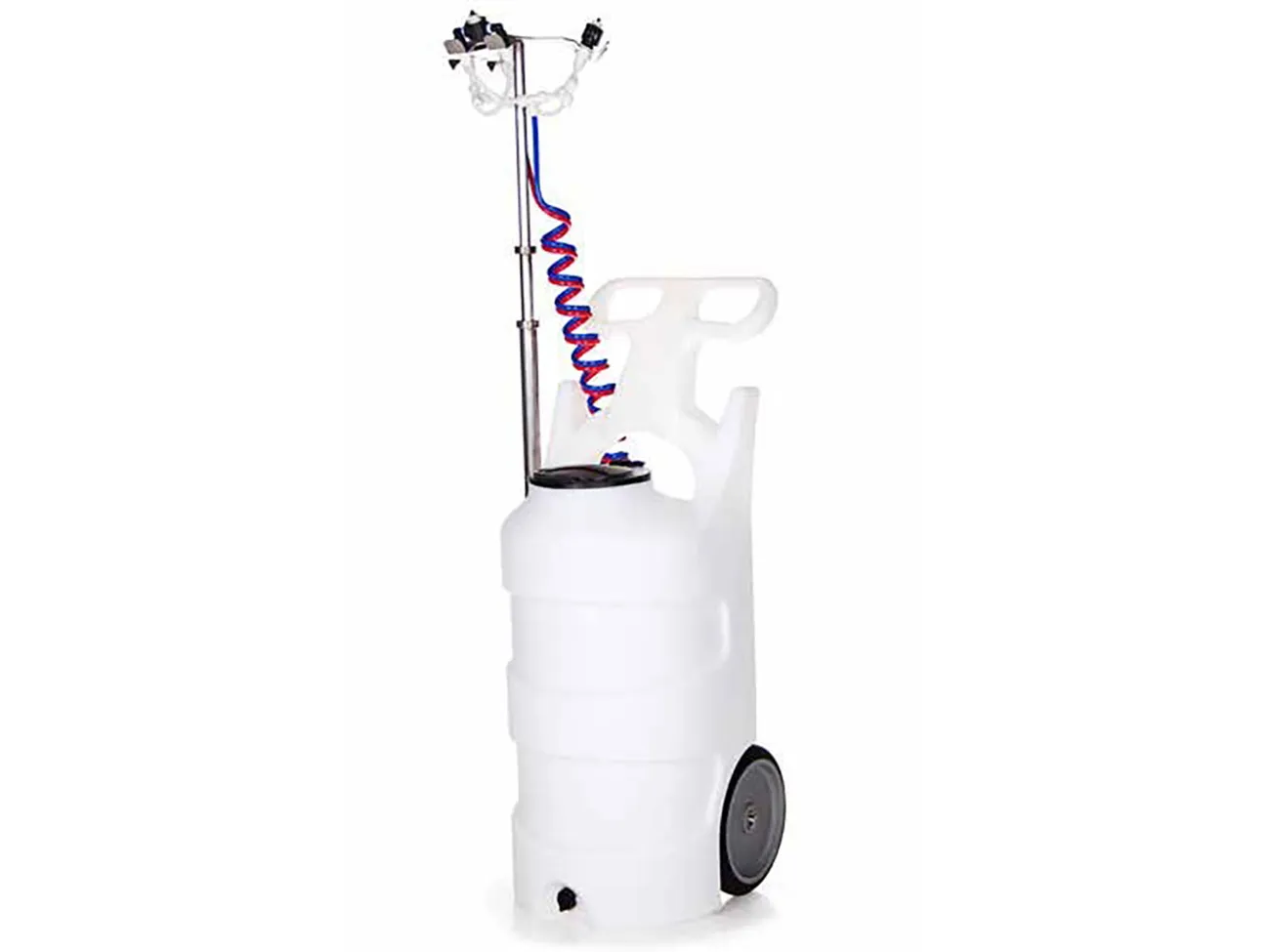
Fogging is widely used in the dairy industry, in maturing rooms, slaughterhouses and meat-processing plants, among other settings, thanks to its excellent hygiene results. The equipment is available in a mobile version and a stationary version that is wall-mounted, both from Nilfisk’s Fog-it range. “Food businesses benefit most from the mobile version, which they can position in whichever production area they want to treat. The mobile version also features a telescopic mast with nozzles, allowing us to direct the fog optimally. Just 1 l of Kenolox 10 is enough to treat almost 30 m³, making this an exceptionally efficient technique. We can also supply a measuring device to check whether the concentration in the air has fallen sufficiently, to below 0.86 ppm, for the area to be re-entered,” Daneels adds.
Question about this story? Ask your question
Companies in this story
Keep following this
Get an email when a new story is published. No account needed.
- ThemeFood safety from design to audit
- SubjectFood safety
- CompanyEcolab BV







