












Everything you need to know about biofilm control
Text and images Christeyns
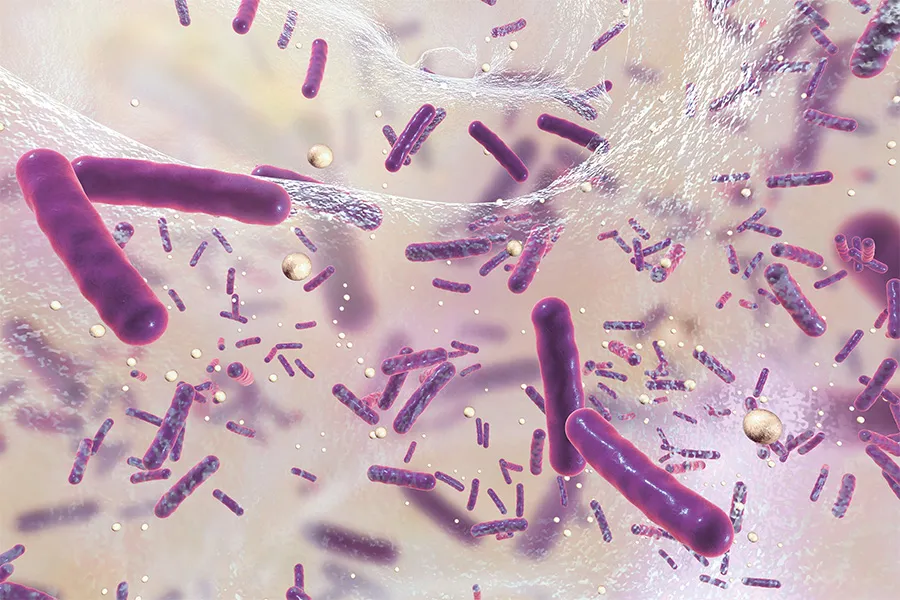
Biofilms in the food industry pose a major food safety risk and can also cause operational problems with equipment. They protect the microorganisms they contain, reducing the effectiveness of disinfection treatments. Christeyns has drawn on its knowledge and experience to develop an effective, step-by-step approach to the problem.
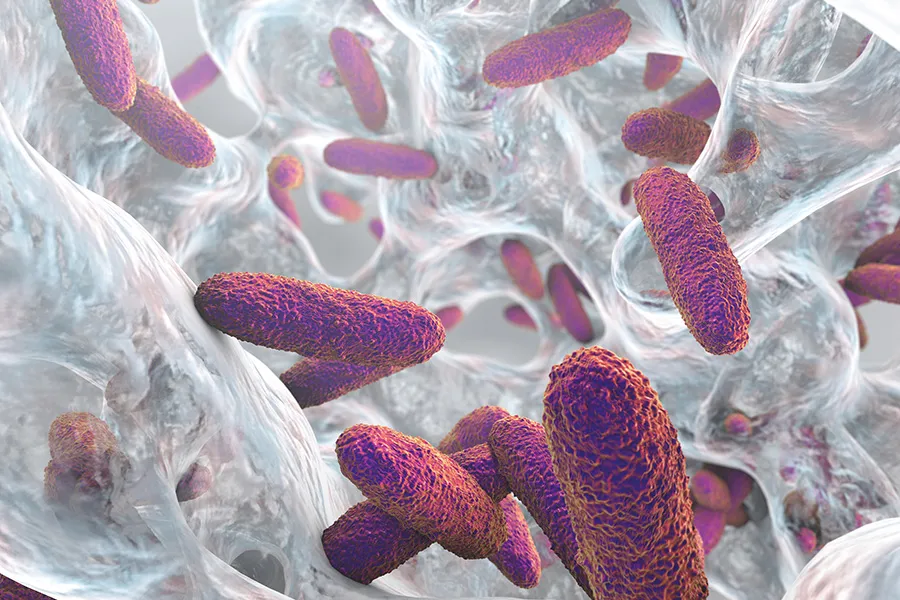
A biofilm consists of colonies of microorganisms that are connected to one another and attached to a solid support, which provides stability, nutrients and protection. It is made up of microbial cells surrounded by a matrix formed from extracellular polymeric substances (EPS), such as proteins and polysaccharides. Biofilms promote the growth of microorganisms by providing them with a protected, moist and nutrient-rich environment. The sticky, dense and highly viscous matrix effectively protects microorganisms from external influences. Biofilms are often formed by several microbial species, such as bacteria and fungi. They develop on surfaces that promote adhesion, such as porous, scratched or rough surfaces, and that have not been cleaned and disinfected effectively.
Biofilm control
Using methods to monitor the presence of microbiological contamination is essential in the food industry. Rapid results are also important, so that action protocols can be initiated quickly when necessary. Christeyns has developed a multi-step method for removing biofilms.
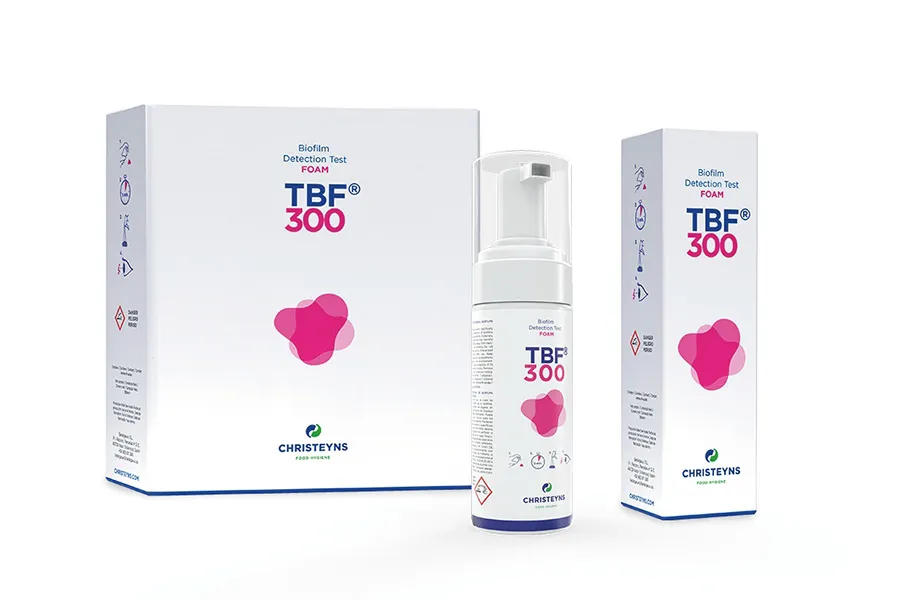
Detection: To detect biofilms, Christeyns offers TBF® 300, a patented rapid test for checking surfaces for the presence of any type of biofilm. TBF® 300 was developed by Christeyns in collaboration with Complutense University of Madrid. Users receive the results within minutes, without the need for specialist staff or complex equipment. The reagent interacts selectively with the polymer matrix of the biofilm, avoiding the risk of false positive results.
Removal: Removing biofilms from a surface is complex, but possible with the right approach. Specific enzymatic detergents can break down and disintegrate the polymer matrix. The active compound in a broad-spectrum biocide can then penetrate the viscous mass and kill the various microbial species present. Once the biofilm matrix has been broken down, disinfection must be carried out. The Christeyns team will be pleased to advise you on the best solution for your specific situation.
Verification and prevention: Christeyns also provides support to monitor and prevent biofilm formation. Christeyns implements a preventive protocol, evaluates the results and ensures that control measures are maintained.
More information
Christeyns places great importance on R&D and also focuses its efforts on tackling all types of biofilm. Contact Christeyns for more information or a tailored solution. ■
Een zakelijke vraag aan Christeyns NV? Get in touch
Companies in this story
Keep following this
Get an email when a new story is published. No account needed.
- SubjectFood safety
- CompanyChristeyns NV







