












Expertise makes machinery safe and practical
Text Valérie CouplezImage SPARQ
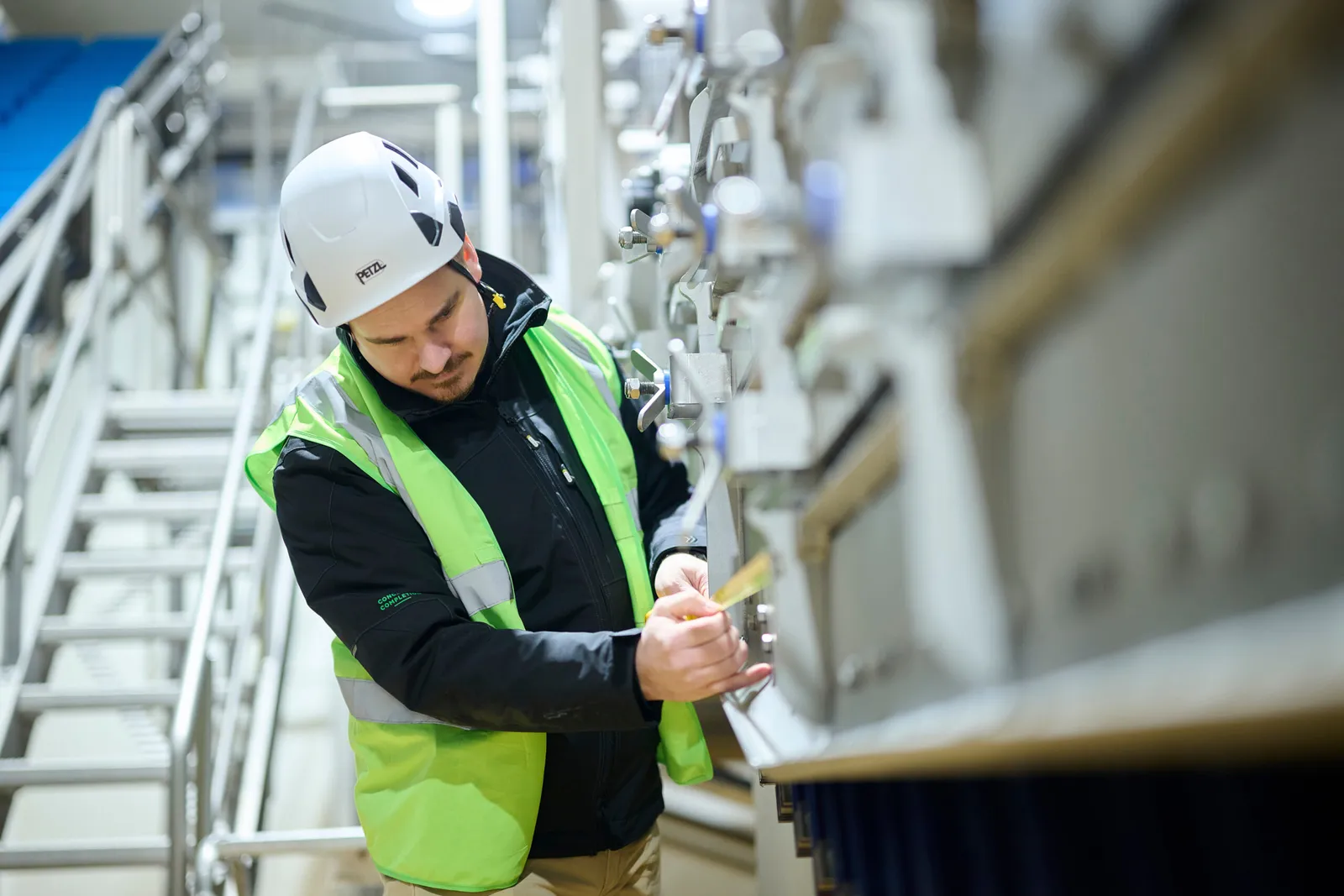
For SPARQ Engineering, safety is a natural extension of its work as an engineering consultancy. “Safety is a fundamental responsibility, not an option,” it says. “But that doesn’t mean it has to be unnecessarily complex or expensive. We make sure every safety detail is covered, while ensuring installations remain practical to operate and clean.”
Regulations on machinery safety, functional safety and explosion protection have expanded considerably in recent years. Next January, another major change comes into force: the new Machinery Regulation (EU) 2023/1230. This also affects food businesses that purchase or have machinery integrated. Documentation requirements will become stricter, the integrator’s responsibilities will be more clearly defined, and suppliers will have to demonstrate that software-based safety functions have also been assessed. Many businesses, including large organisations, lack the in-house capacity to make sense of it all. Who coordinates the process? Who checks that the CE marking for an integrated production line is actually correct? Who checks that all the documents are in place at handover? SPARQ does.
The earlier, the cheaper
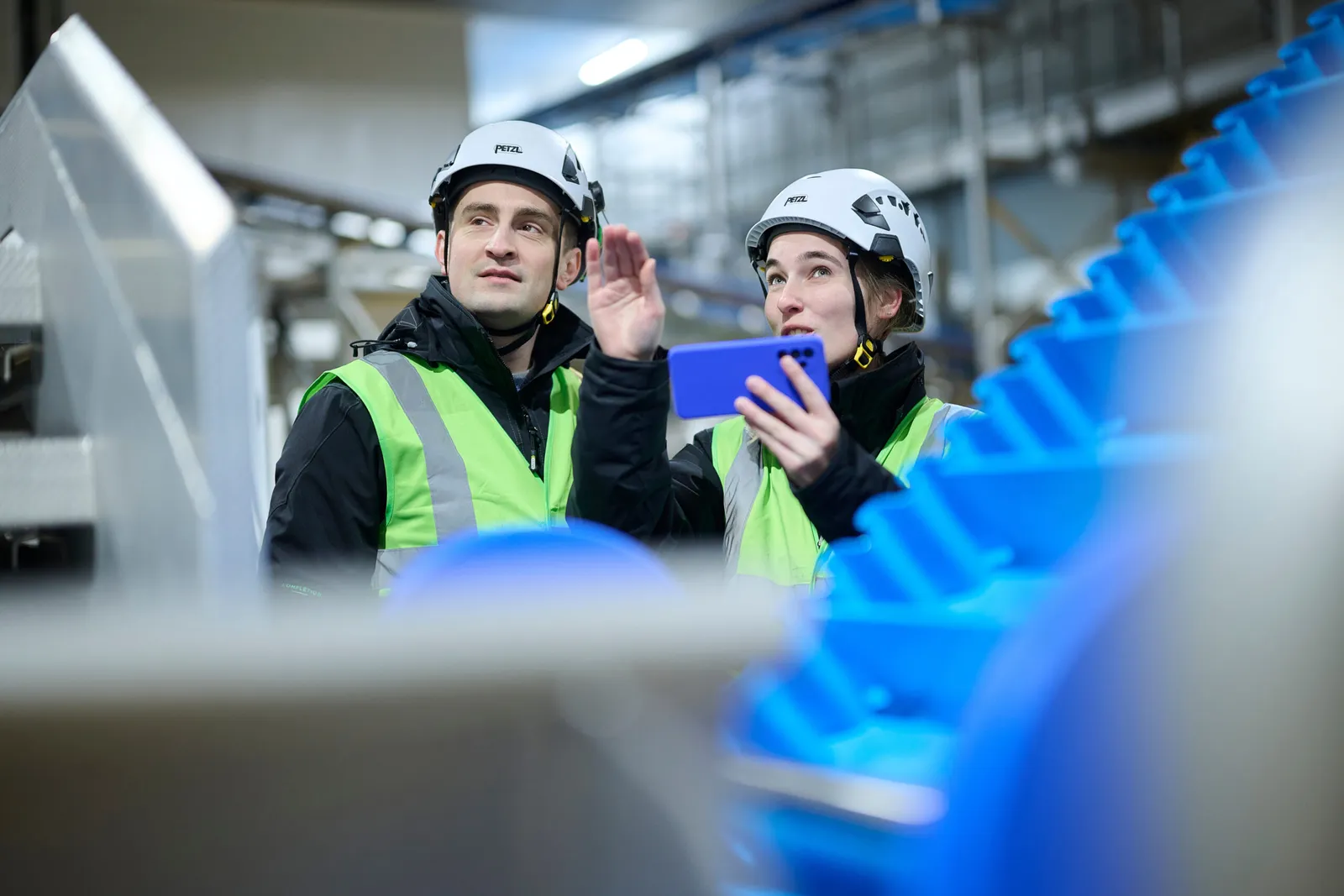
Food businesses should integrate safety early in the engineering process. There is no need to wait until a new production line or installation is complete before thinking about safety. The unwritten rule of safety engineering is that the later you start, the more expensive and complex it becomes. A machinery supplier may provide a CE declaration, but fail to do its homework properly, with a superficial risk assessment, residual risks left undocumented or safety measures not dimensioned using a recognised method. If you only discover this at handover, or worse, after an incident, the consequences are serious: technically, financially and legally. SPARQ, however, asks the right parties the right questions from the outset. Which legislation applies, which documents are required, and who is responsible for what? The documentation SPARQ provides is compliant and practical. A risk assessment nobody understands protects nobody. If the work does still need to be done retrospectively, SPARQ will guide you towards a solution that is safe and works well.
Practical thinking
The common thread running through SPARQ’s work is its pragmatic approach. Some residual risks simply cannot be eliminated, or are difficult to eliminate. The key is to decide which ones to prioritise, how to manage them technically and how to document them without producing hundreds of pages that nobody reads. That is why SPARQ considers the operational context from the engineering stage onwards. What does the prevention service expect at start-up? Is everything accessible for maintenance? Are guards designed so that they will actually be used in practice, rather than bypassed because they make cleaning more difficult? In the food industry, hygienic design and machinery safety can be at odds. A sticker saying ‘beware of moving parts’ is no solution. It takes a technical assessment early in the design process.

Machinery, process and explosion safety
More and more businesses recognise that safety is not a cost, but a prerequisite for high-quality engineering. However, expertise in implementing it correctly from a technical perspective is scarce. That is why SPARQ has made safety a fundamental pillar of its activities. It supports food businesses in three key areas, machinery, process and explosion safety, at several levels:
- Delivering a complete, well-organised dossier. CE marking involves a substantial amount of technical documentation, including a risk assessment, checks against statutory requirements, a declaration of conformity, a review of the instructions for use, an emergency stop plan and a safety control system;
- Clarifying the responsibilities of the various parties;
- Preparing a clear risk assessment in accordance with ISO 12100 or the Machinery Regulation, through close collaboration with the client and an on-site inspection of the installation;
- Determining the required performance levels (PL in accordance with ISO 13849) and verifying that the chosen architecture meets them;
- Providing support with ATEX zoning, the selection of category-compliant equipment and preparation of the explosion protection document;
- Carrying out HAZOP studies and thoroughly reviewing designs and P&IDs for safety. Taking account of the possible failure of a valve or pump results in a more robust installation.
Peace of mind
Safety is a field that greatly interests and challenges SPARQ’s engineers. The barrier to entry is high: standards are complex and legislation extensive. By positioning safety as a fully fledged pillar of its business, SPARQ actively invests in this expertise and ensures every project is delivered with the necessary know-how. With SPARQ as your safety engineering partner, you can rest assured that your production equipment complies with legislation while remaining easy to operate, maintain and clean efficiently.

Een zakelijke vraag aan SPARQ Engineering? Get in touch
Companies in this story

Keep following this
Get an email when a new story is published. No account needed.
- SubjectFood safety
- CompanySPARQ Engineering







