












Food-grade compressed air
Text Valérie CouplezImage iStock
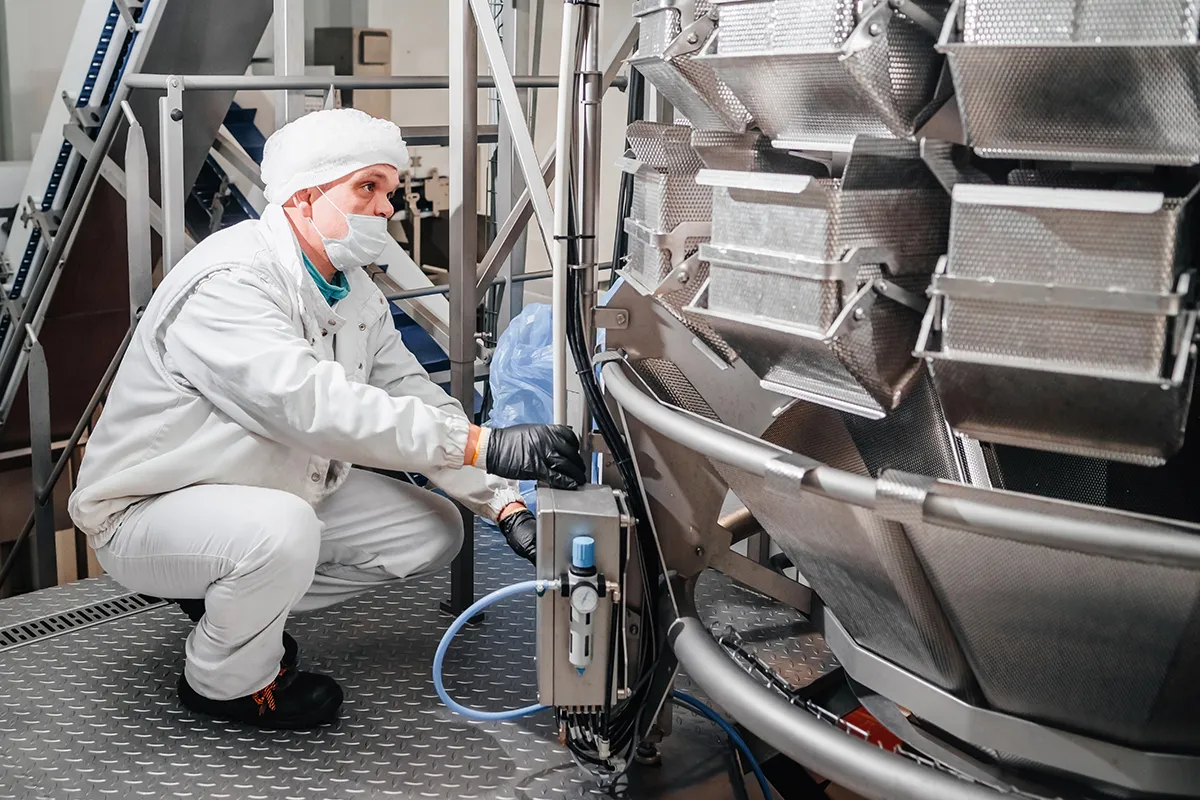
If you produce food or beverages, it is important to use clean compressed air throughout the production process. This not only protects the consumers of your products, but also ensures compliance with food safety regulations. The best way to guarantee this is to use oil-free compressed air equipment that meets ISO 8573-1:2010 Class 0 standards.
Whether it is cleaning equipment, sealing packaging, stirring dairy products, processing meat, dehydrating food, carbonating, bottling, fermenting or sterilising water, it is important to use the same clean air throughout. The best way to do this is with a versatile ‘oil-free’ set-up. In this article, we discuss the benefits of a scroll compressor for supplying food-grade compressed air. Depending on your needs, these applications can be covered with a compact all-in-one set-up.
Where is food-grade compressed air used?
As noted above, compressed air is used at almost every stage of food and beverage production. It is used to blow dirt off conveyor belts and equipment, and to clean and dry containers or products. It is also essential for maintaining freshness during packaging. Compressed air is used to mix and process dairy products. The same applies to meat production. If you make dehydrated foods, you need compressed air. It is also important for making refreshing drinks, including carbonated beverages and for fermentation in beer and wine production. Finally, clean compressed air is needed for sterilisation using ozone gas, as high-quality water ensures the best possible flavour. Once all this is done, the products also need to be packaged properly. Air compressors power the machines responsible for bottling and canning. They ensure accurate fill levels and a good seal. Since this affects what your customers consume, it is crucial to carry out stringent quality control.
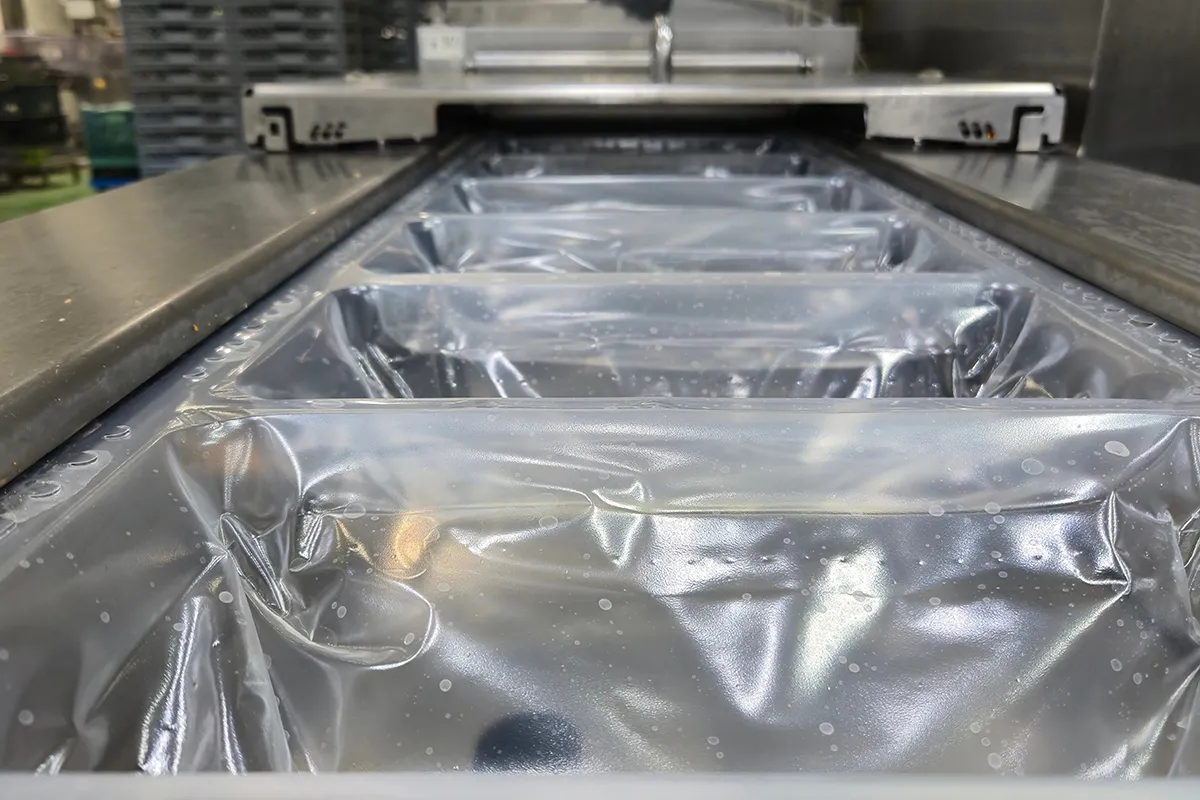
A versatile scroll air compressor solution
As mentioned above, a scroll compressor can produce food-grade compressed air because it does not require oil as a lubricant. This is down to the way the machine works. There is no friction between the two scrolls used to compress the air. One remains stationary, while the other rotates and pushes air into a small space. It is also worth noting that using an oil-free compressor is the only way to meet ISO 8573-1:2010 Class 0 standards. In addition to being oil-free, scroll compressors also offer exceptionally quiet operation, with noise levels as low as 48 dBA, and high energy efficiency. The system switches compressor pumps off when they are not needed and automatically adjusts the pressure settings. This saves electricity by avoiding the production of unwanted air and extends the machine’s service life.
Piston versus scroll compressor
Although small oil-free piston compressors are available, they generally consume more energy. This is because of their simple design, which means they need to be shut down completely at regular intervals to cool down. Piston machines can also be louder during operation. Despite the lower initial cost of piston equipment, you are likely to save on the total cost of ownership with a scroll machine. The choice of machine naturally depends on your set-up and requirements. For example, a scroll compressor cannot achieve a high compression ratio.
Question about this story? Ask your question
Keep following this
Get an email when a new story is published. No account needed.
- ThemeFood safety from design to audit
- SubjectFood safety







