












Food-safe installation of cable trays and cable ladders
Text Valérie CouplezImage Vecotec
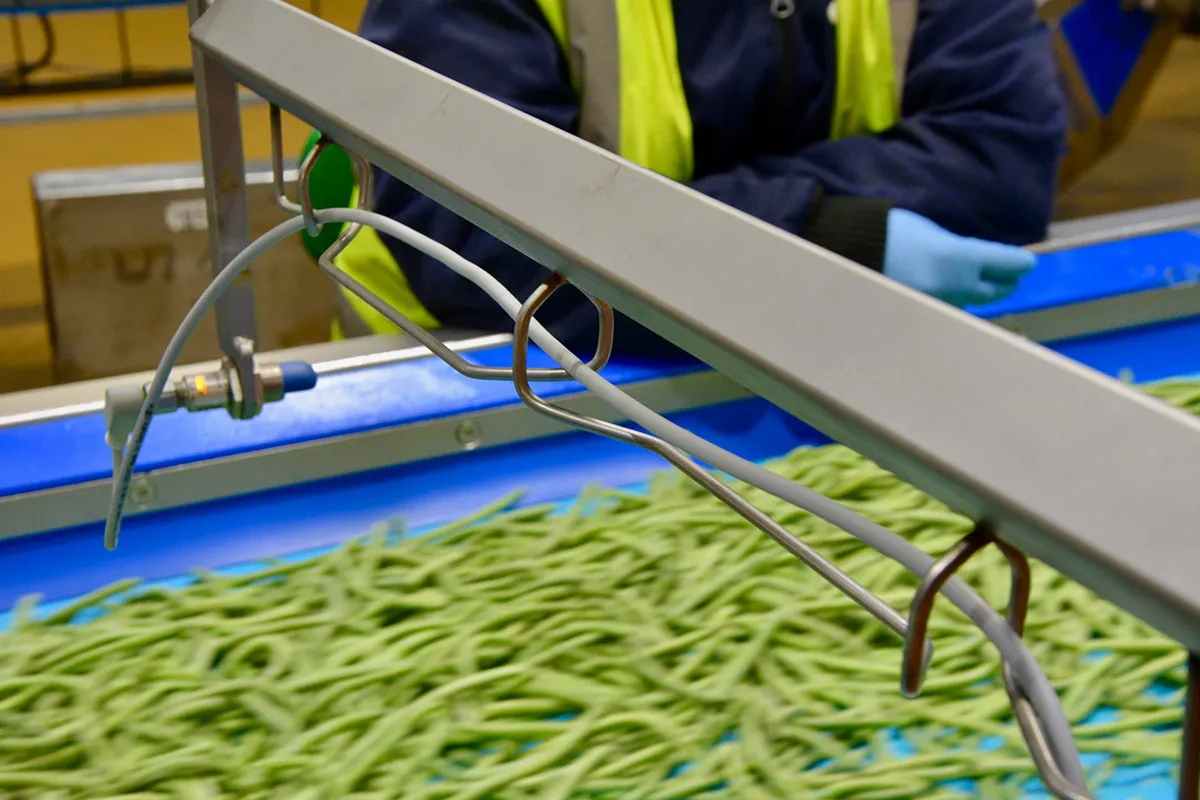
Hygiene is a top priority for food businesses. This is reflected in their choice of machinery, the finish of the production floor and their extensive cleaning procedures, but unfortunately not in their cabling. The traditional approach nevertheless poses significant food safety risks. Vecoclip products eliminate these risks and provide hygienic cabling in your production environment.
In production environments where food is processed in open systems, food safety hazards can arise. Foreign materials such as glass, wood, metal and plastic may find their way into the food. If the particles are large enough, optical sorters and metal or X-ray detectors will detect them and remove them from the product stream. But if they are too small to detect, they remain in the food, with all the consequences that entails. A second risk is an invisible hazard: bacteria such as listeria and salmonella that attach to and multiply in hard-to-clean areas. This can happen, for example, when product residue is left behind in equipment and becomes a breeding ground for bacteria. To counter these risks, food businesses rightly set high standards for their machinery and production lines. But they often forget that cable trays and cable ladders also require special attention.
Hazards of standard cable trays
Open systems are generally preferred because closed cable trays cannot be cleaned on the inside and can therefore become a breeding ground for bacteria. Wire mesh trays are usually the preferred option. They consist of longitudinal and cross wires welded together. But every welded intersection is a potential hazard: product residue or bacteria can accumulate there. They are often installed with the opening facing upwards so that cables can be laid inside. This is not advisable, however, as it effectively creates a receptacle for food residue. During the next cleaning, rotting (contaminated) product can then be sprayed everywhere. Installing the tray with the opening facing forwards is better, but this too poses food safety risks because cable ties are needed. They take time to fit, and the space between the ties and cables is difficult to clean. A third option is to mount the tray against the machine. This puts the longitudinal wires against the machine, which is undesirable because they are difficult to clean. A spacer can help by creating a gap between the wire tray and the machine or wall.
Hazards of standard cable ladders
When many cables need to be secured in a limited space, food businesses generally opt for a cable ladder. It consists of side rails fitted with rungs. The rails are usually hollow, which is clearly undesirable because they cannot be cleaned inside. One solution is to seal the ladders by welding, but this is particularly time-consuming and therefore expensive. Cable ladders are usually mounted flat, with the cables resting on them and forming a bundle, with all the associated food safety risks. Vertical installation also creates risks, particularly because cable ties are used.
Food-safe cable profiles
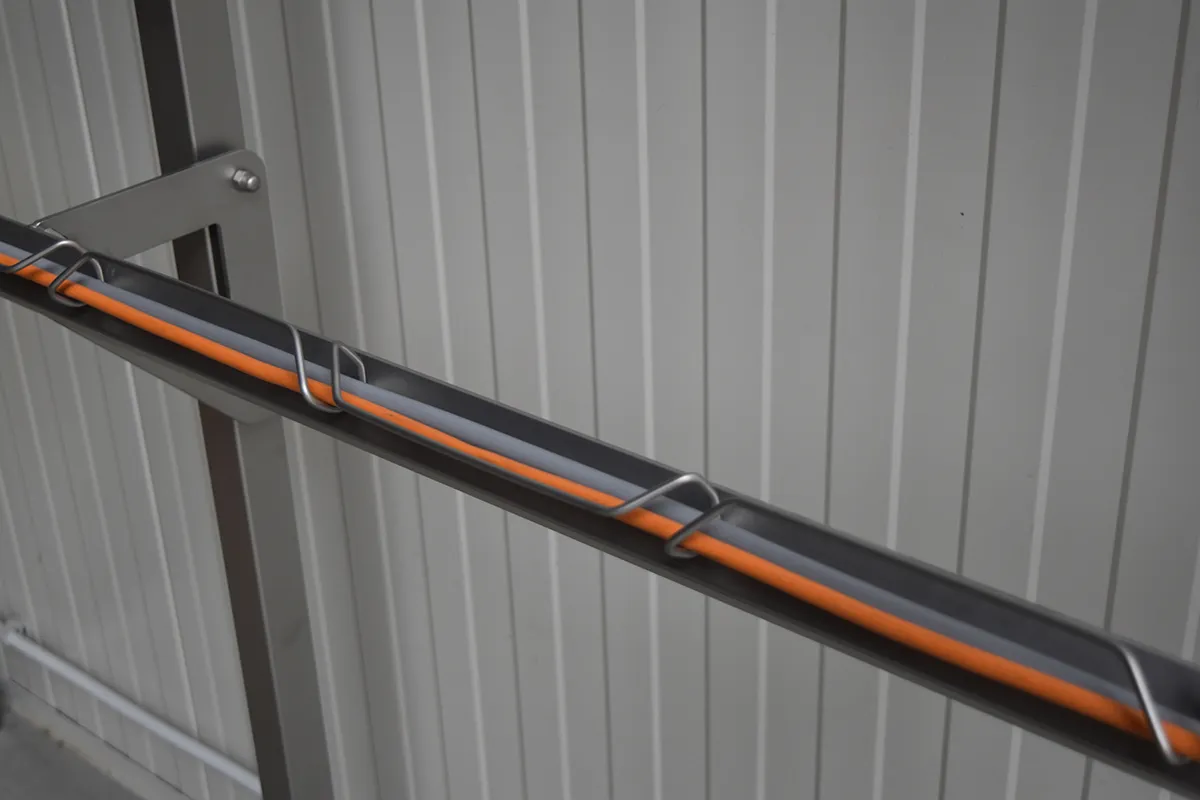
Unable to find a way to make cabling more hygienic, the Vecotec team developed a new principle of its own. With Vecoclip, cables can be woven into the cable profiles and ladders. Simply pull the cable taut and it locks in place. This is much quicker than the traditional method using cable ties and is also far more food-safe. The Vecoclip profile is made from a continuous folded section.
There are no welded intersections where food residue or dirt can accumulate. The cables also sit loosely in the profile, making them easy to clean.
Food-safe cable ladders
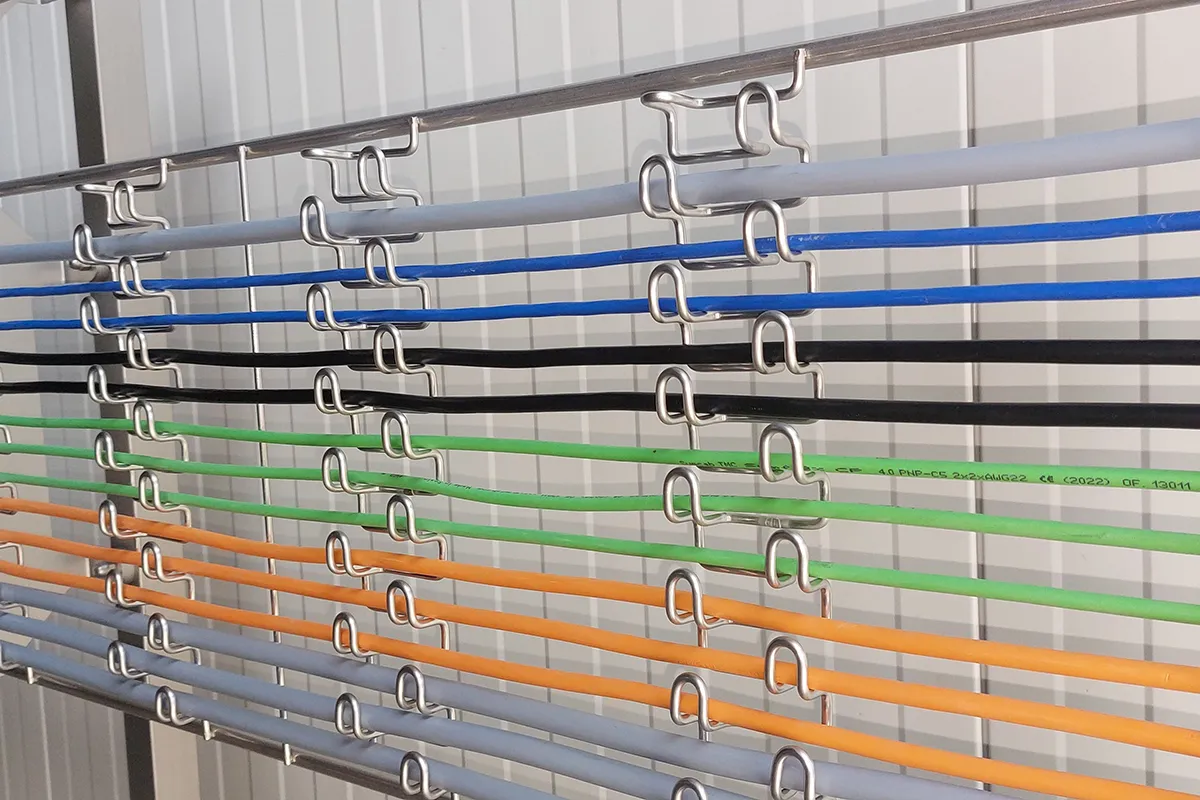
They have also developed a similar food-safe method for cable ladders. Vecoclip cable ladders are based on the same principle: the cable can be woven into the ladder and, once pulled taut, locks into the holder. The holder consists of a continuous folded wire, with no welded intersections. The use of round profiles for both the holder and the support profile ensures good cleanability. As with Vecoclip profiles, no cable ties are needed, making installation quick, and the cables sit loosely in the holder for efficient cleaning.
Food-safe cable ladders with a single-wire system
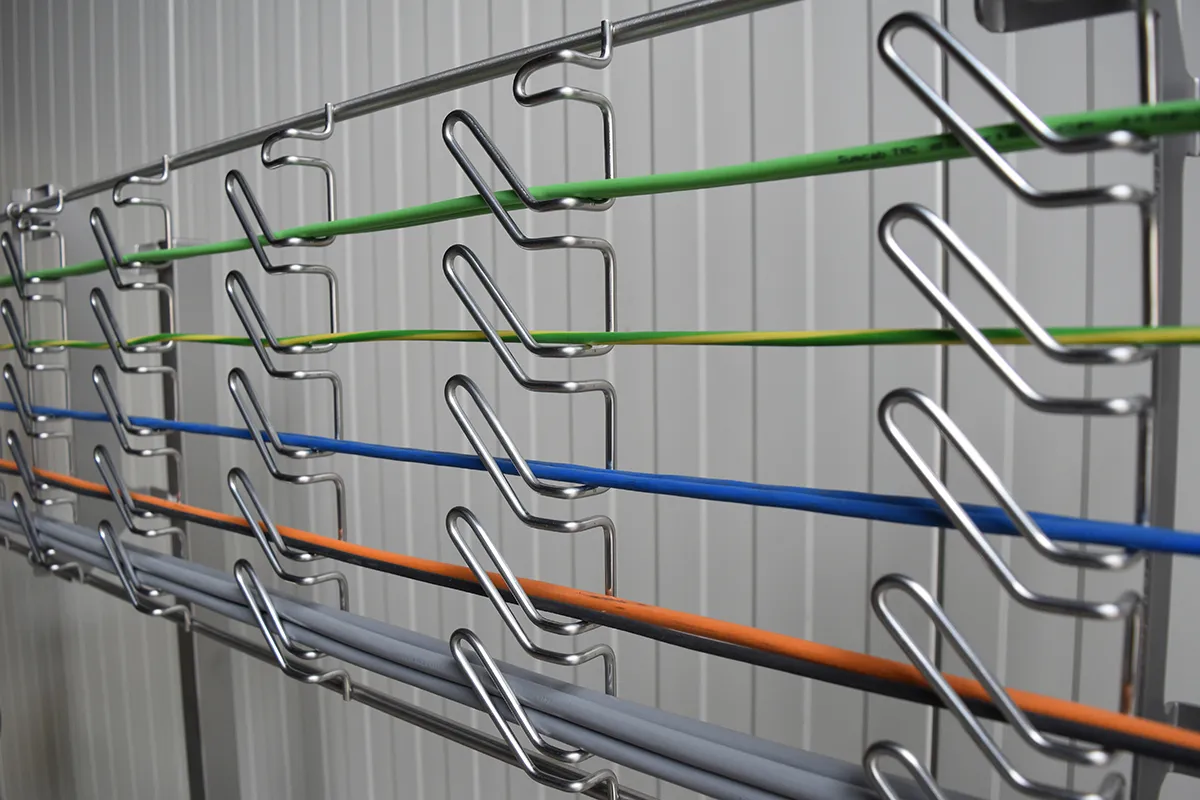
Vecotec also developed a third system: the Vecoclip cable ladder for cable separation. This type of cable ladder allows cables to be secured individually. It is a single-wire system, so there are no more cable bundles. This makes it easy to clean all around the cables. As with the previous solutions, Vecotec uses continuous folded wire, with no welded intersections where dirt can accumulate. This profile uses the same components as Vecoclip cable ladders: round profiles and cables that sit loosely in the holder for easy cleaning, with no cable ties for faster installation.
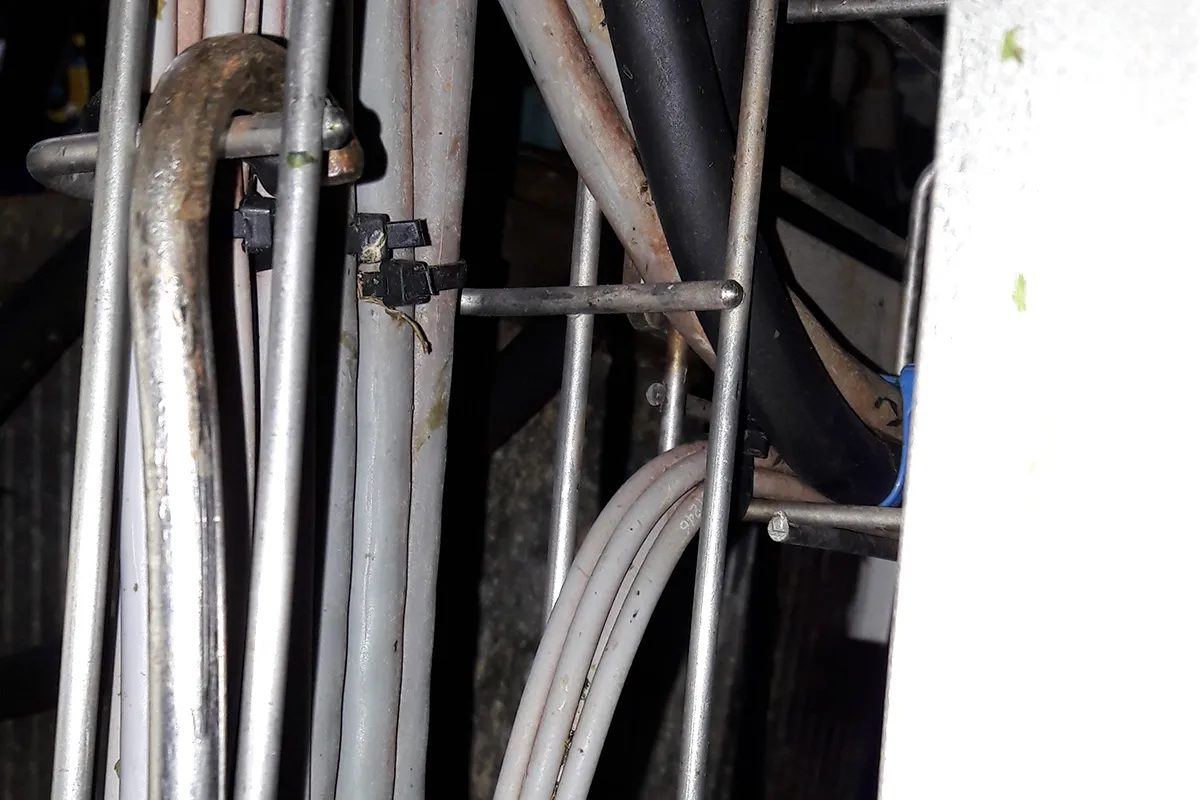
Hazards of conventional cabling:
- Product residue accumulates in the wire trays;
- Dirt collects between the cable ties and the cable;
- Too many cables are tied together in one bundle, making them impossible to clean. Bacteria and mould grow between the cables;
- Hollow spaces in cable ladders with box-section profiles;
- Cable ties come loose and end up in the product stream.
Question about this story? Ask your question
Keep following this
Get an email when a new story is published. No account needed.
- ThemeFood safety from design to audit
- SubjectFood safety







