












Heat treatment: the eco-friendly solution to stored product insects in the food industry
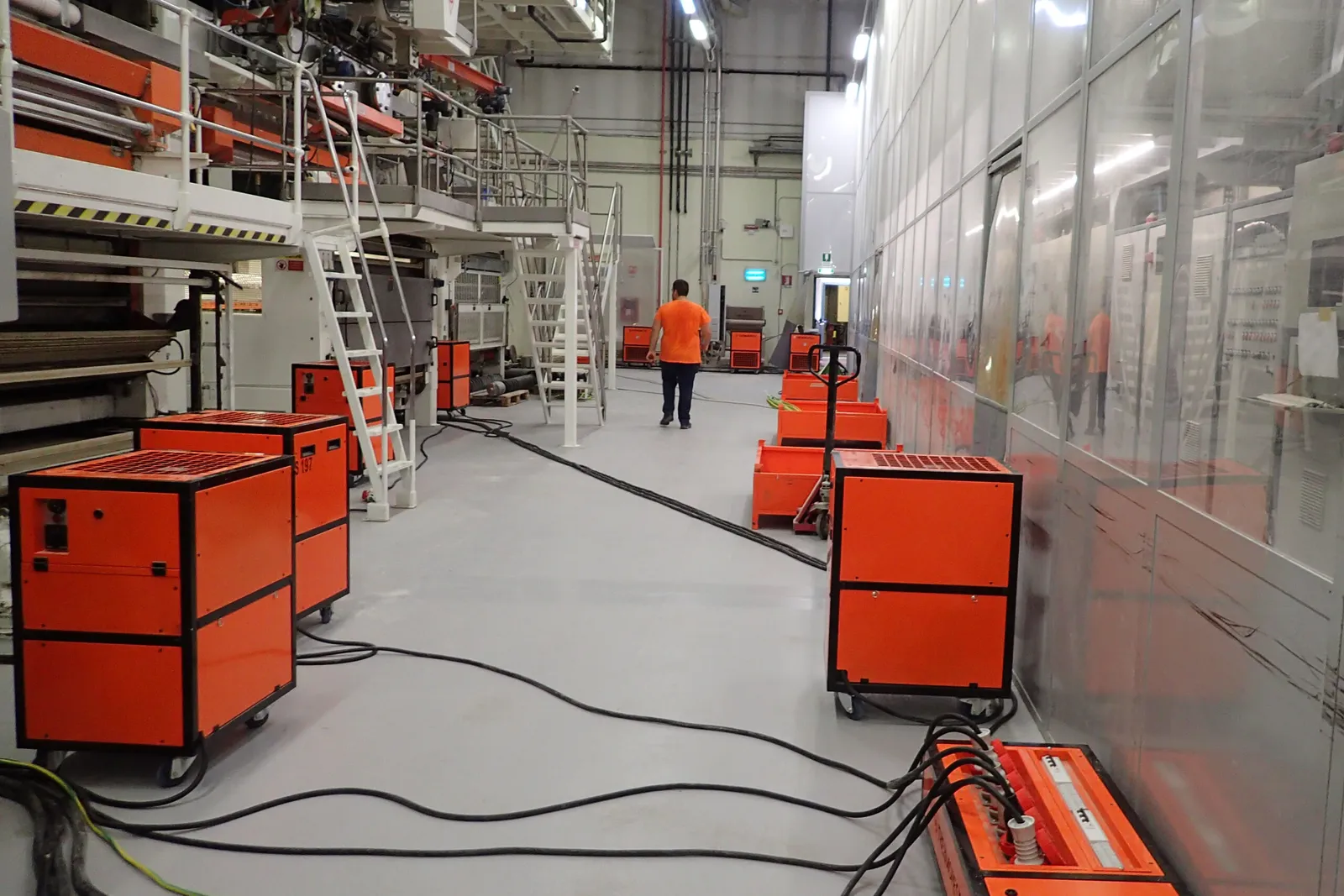
In a sector where food safety and hygiene are top priorities, controlling stored product insects (SPIs) remains an ongoing challenge. Traditional methods, such as using toxic pesticides, are increasingly constrained by practical and regulatory limitations. An alternative approach is therefore gaining ground rapidly: heat treatment, a method recommended and used by Rentokil’s specialists.
What are SPIs and why are they a problem?
Stored product insects such as grain beetles, biscuit beetles, cigarette beetles, flour beetles and moths can spread rapidly in storage areas, silos, production lines and packaging areas. They not only cause direct damage to raw materials and finished products, but also threaten food safety. For food industry businesses, this can lead to production disruptions, product recalls and reputational damage.
Why choose heat treatment?
Heat treatment is a controlled process in which areas or equipment are heated to a constant temperature of around 56°C for a set period, depending on the situation. This temperature is lethal to insects at every life stage, from eggs to adults. This makes the risk of reinfestation very low, and one treatment is often sufficient.
This is an ideal solution for businesses facing stricter regulations or seeking to adopt more sustainable production methods. In addition, insects never develop resistance to heat, unlike some pesticides.
How does heat treatment work in practice?
- Inspection and risk assessment: Technicians assess the environment and determine the best approach.
- Preparation: The site is prepared so that all heat-sensitive materials are protected or removed.
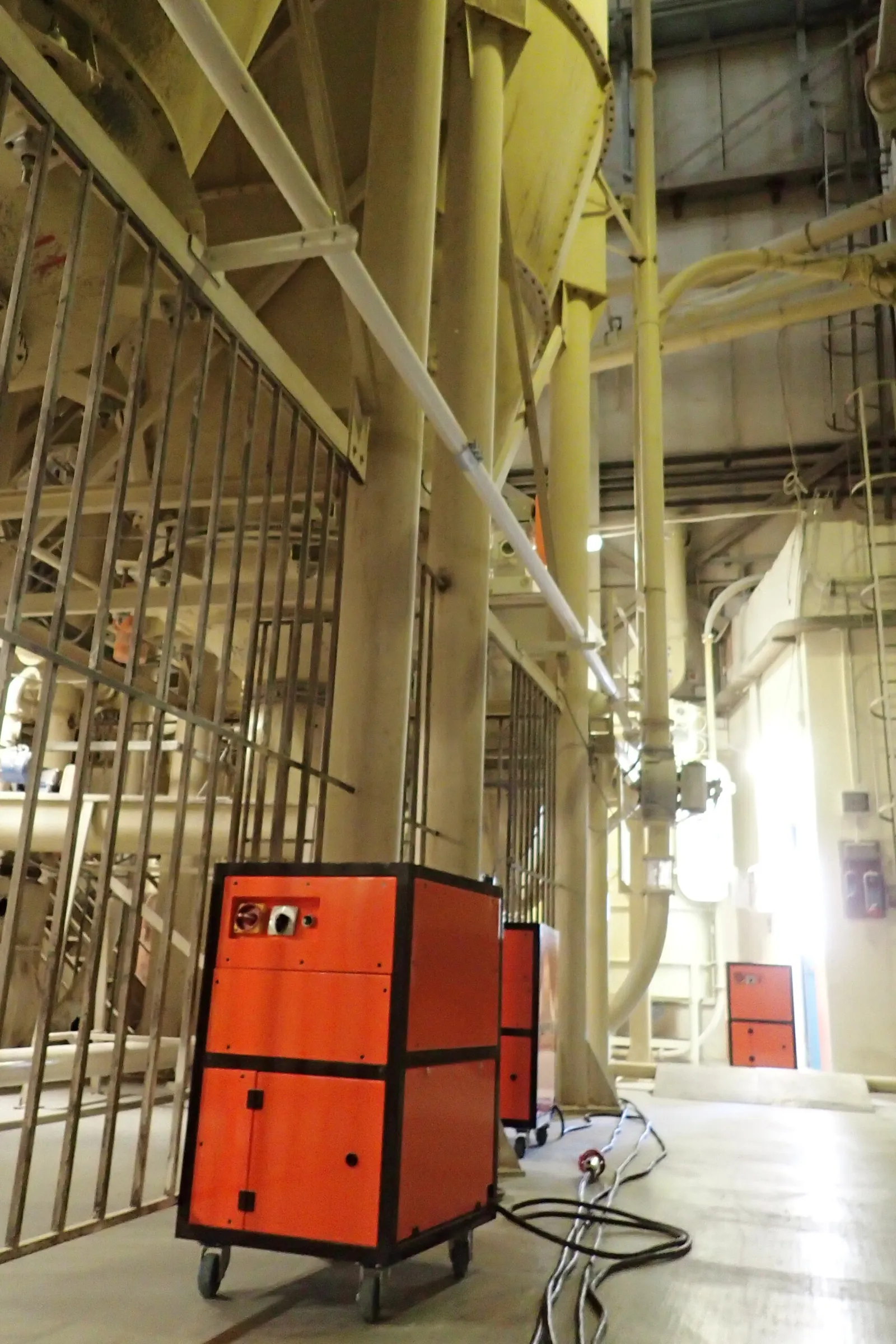
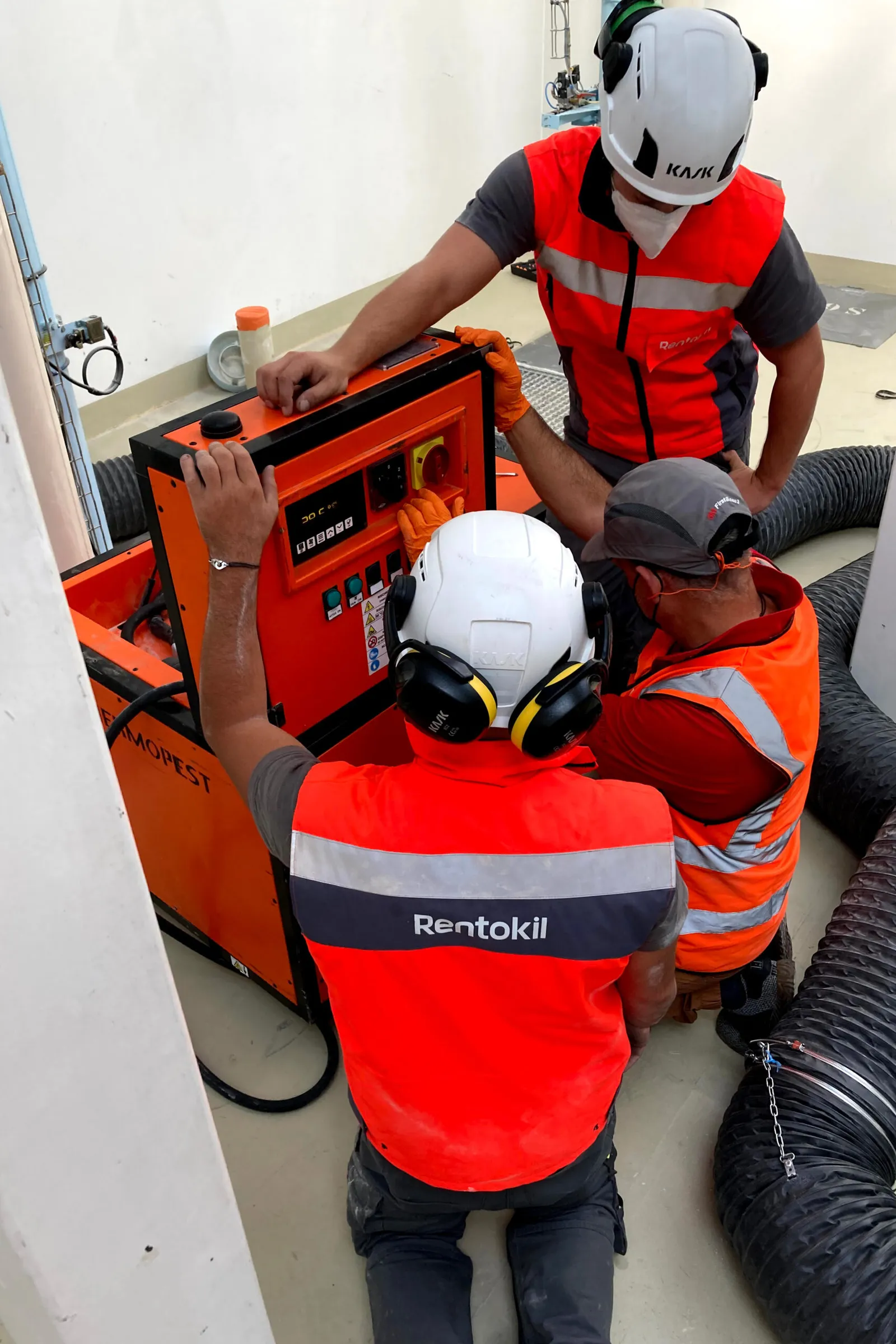
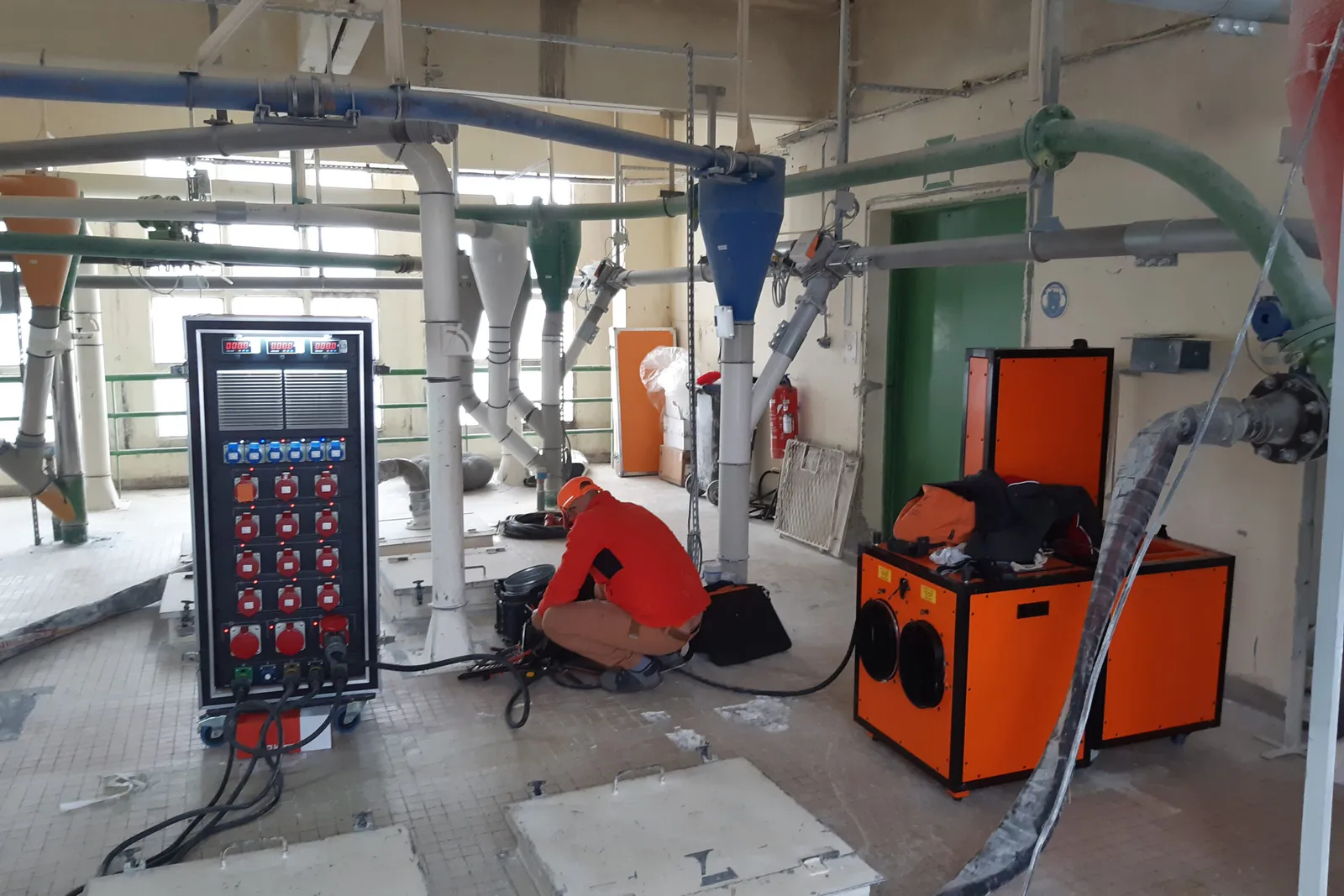
- Installation of heaters: Strategically positioned units raise the temperature in a controlled manner.
- Monitoring: Heat sensors ensure even heat distribution, which is crucial for successful treatment.
- Follow-up and inspection: After treatment, an inspection is carried out to verify the results, and advice is provided on preventing future infestations.
Applications in the food industry
Heat treatment is particularly suitable for:
- Storage areas and warehouses
- Silos and transport containers
- Production lines and packaging equipment
- Areas where pesticides are not permitted
Businesses that opt for heat treatment reduce the risk of cross-contamination and avoid the residues that chemical treatments can leave behind. Heat treatment is not just a practical solution, but also a strategic choice. The process leaves no residue and does not require prolonged production downtime.
An environmentally conscious choice
In a sector increasingly focused on sustainability, heat treatment is a natural fit for a forward-looking strategy. As it uses no pesticides or gases, its environmental footprint is limited. Rentokil’s approach in this area shows how modern pest control can go hand in hand with environmentally responsible business practices.
Conclusion
Stored product insects pose a real risk to every business in the food sector. Heat treatment offers an effective, safe and environmentally friendly approach that is perfectly suited to the needs of the modern food industry.
Get in touch here with Rentokil’s heat treatment specialists directly.
Een zakelijke vraag aan Rentokil? Get in touch
Companies in this story

Keep following this
Get an email when a new story is published. No account needed.
- ThemeFood safety from design to audit
- SubjectFood safety
- CompanyRentokil







