












Hidden hazards, real consequences: the crucial role of hygienic drainage
Text and images ACO
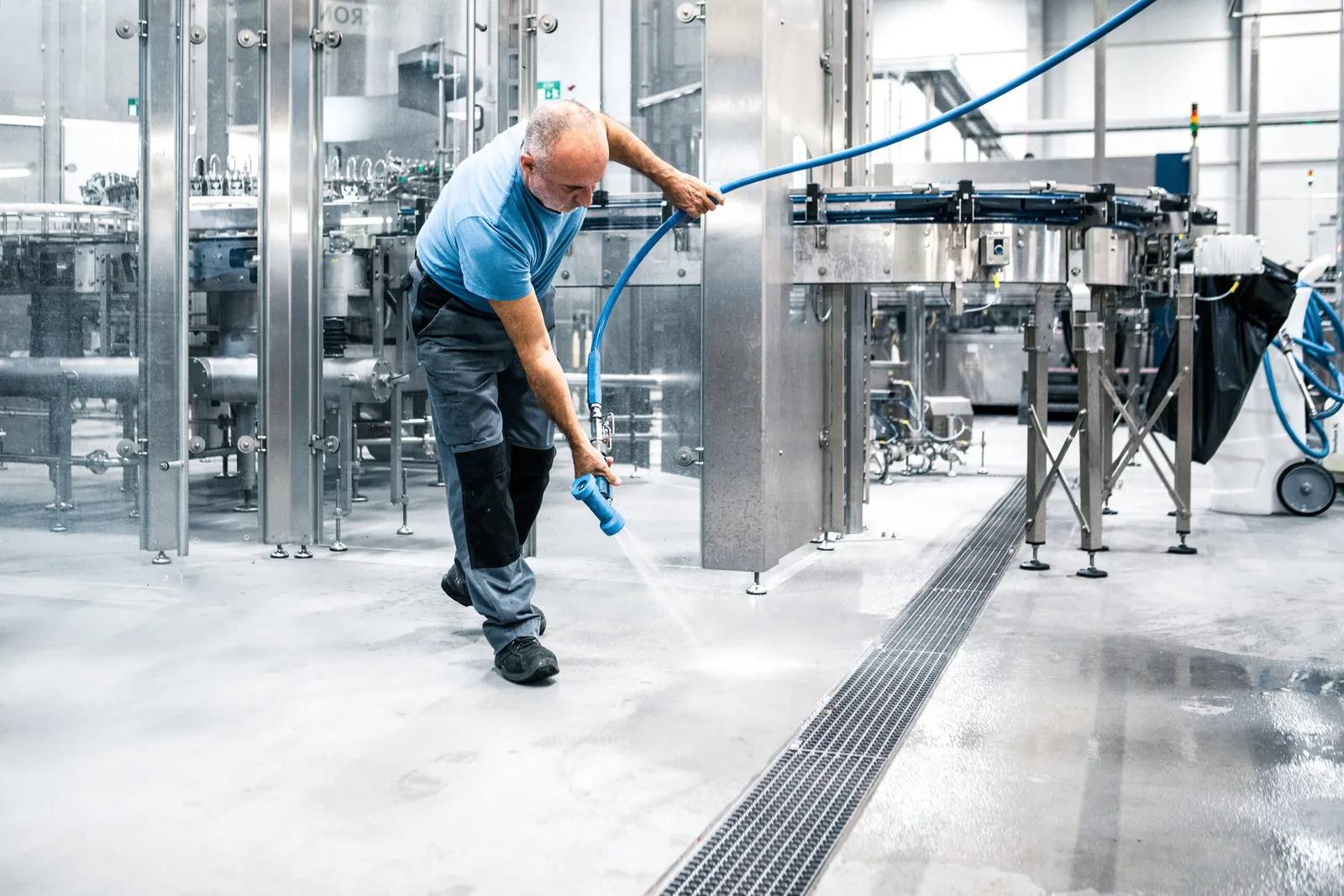
Food-safe production starts with hygienic drainage. Awareness of this is growing in the food industry. That is why ACO and Diversey took a closer look during a webinar earlier this year at the food contamination risks posed by inefficient drainage. They also offered a solution, outlining the key considerations for food businesses seeking safe and hygienic drainage. This article summarises the main insights.
EFSA (European Food Safety Agency) has found that the biggest microbiological problems in food production are not caused by incoming raw materials, but by bacteria that are persistently present. EFSA identified listeria monocytogenes, salmonella, peudomonas, e.coli and cronobacter sakazakii as the most significant and persistent threats. They survive and grow in the absence of clearly defined zones with effective hygiene barriers, hygienic design in machinery and equipment, and good cleaning and disinfection practices. “That puts drainage at the heart of the issue,” said Hein Timmerman, global sector specialist lead for dairy and processed food at Diversey. “Even if the drain channel is not the original source of contamination, it brings together the conditions EFSA warns about: high moisture levels, the presence of nutrients, hard-to-clean geometries and, often, a direct link between dirty and clean areas if the separation between them has not been properly designed.”
No compromises on food safety
“We need to stop treating drain channels purely as a maintenance issue. From a microbiological perspective, they are a high-risk area for potential contamination,” said Timmerman. This is not mere speculation. EFSA reports show that listeria monocytogenes was found in almost a quarter of the drains inspected at frozen vegetable processing sites, despite daily cleaning. “We therefore need to take a broader view of food safety than simply testing the end product. Above all, we need to think about the niches in our production environments where pathogens can survive week after week. Drainage is a critical indicator of how hygienically our production facilities have actually been designed. This calls for robust hygiene programmes and continuous environmental monitoring, rather than relying solely on a single test procedure. It is about an integrated control system based on monitoring, science, documentation and well-trained staff. Legislators are also placing increasing emphasis on a preventive approach and a well-managed hygiene system. And yes, there is a cost. But what does it cost when quality is lacking? How much does a recall cost? What are the consequences when contaminated food actually causes illness or worse? There can be no compromises on food safety.”
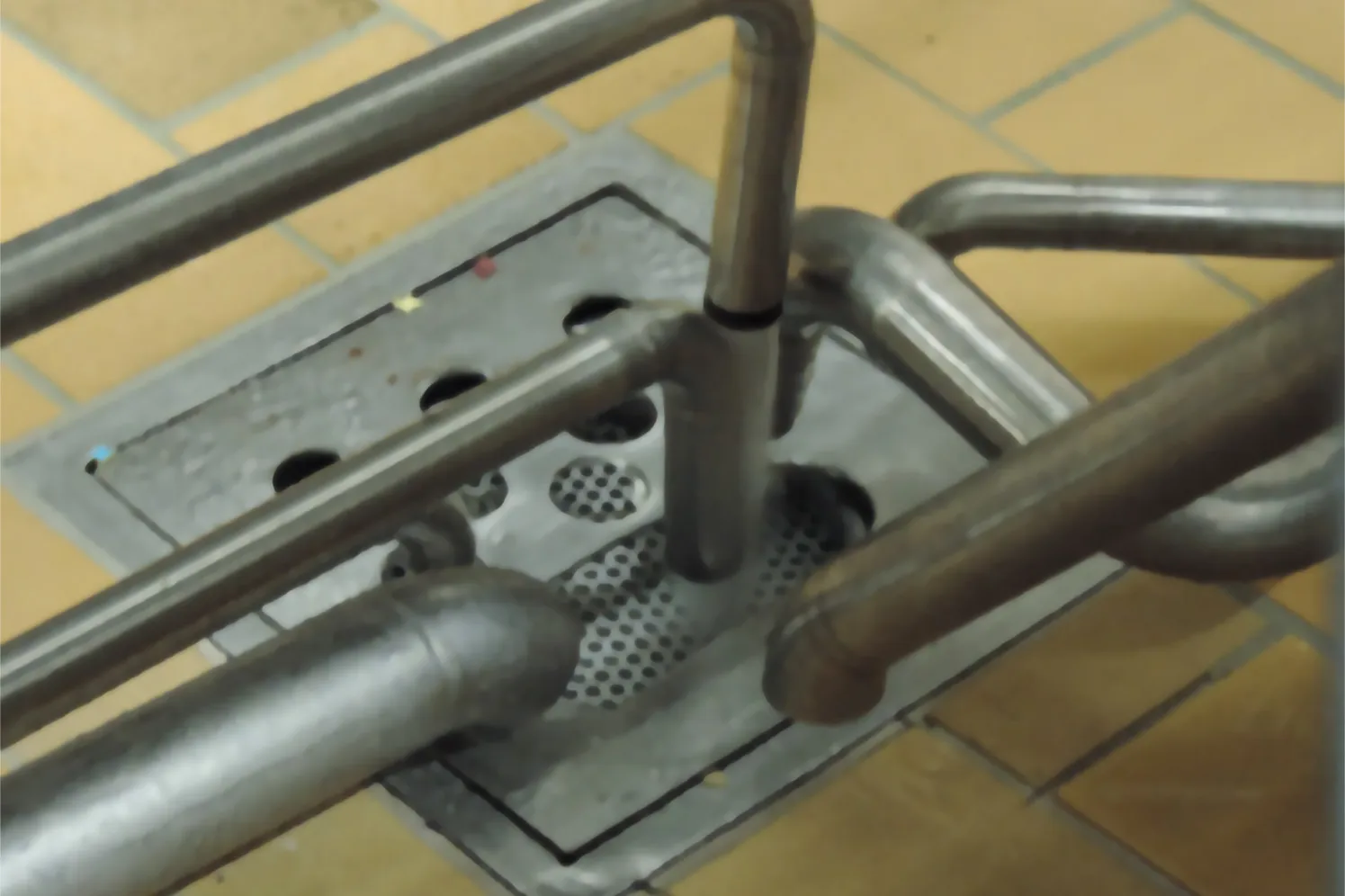
The right drainage as a step towards greater food safety
By choosing hygienically designed drainage, food businesses can take important steps towards greater food safety. Yet in practice, we often see that it does not receive enough attention. “The biggest risks are linked to poor design or incorrect positioning in relation to the machinery used in production. A common problem is incorrect sizing: drain channels must have sufficient capacity and flow rate to carry everything away. If they do not, someone using a pressure washer can spread the pathogens present further around the area,” says Brett Ira, Head of Commercial Development at ACO. “Your drainage is therefore a real lever for the overall performance of your food production.”
What are the requirements for hygienic drainage?
“First, the drainage must allow for thorough cleaning. In other words, it needs sufficient capacity and a design that takes account of the production technology already in place. Second, it must be properly integrated into the floor, which also depends on the properties and capacity of your production equipment. Finally, you need to take working and safety requirements into account to create a comfortable working environment for your staff,” Ira explains. “Drainage also plays a crucial role in hygienic zoning, helping to eliminate the risk of food contamination. If the machinery above it, such as tanks, valves and ventilation systems, also follows hygienic design principles, the entire production environment can operate in hygienic harmony. That should be the ambition.”
Basic rules for hygienic drainage system design
- Floor sloping towards the drains and gullies;
- Fully drainable surfaces to prevent standing water from accumulating;
- Hygienic design that flows from high-risk to low-risk areas;
- Internal radii that allow for effective cleaning (EHEDG document 44);
- Seamless integration into the floor, with no openings through which contaminants or contaminated water can come into contact with the substructure;
- An effective separator to create a barrier between the pipework system and production.

Een zakelijke vraag aan ACO? Get in touch
Companies in this story
Keep following this
Get an email when a new story is published. No account needed.
- ThemeFood safety from design to audit
- SubjectFood safety
- CompanyACO







