












How can you ensure sufficient drainage capacity in production?
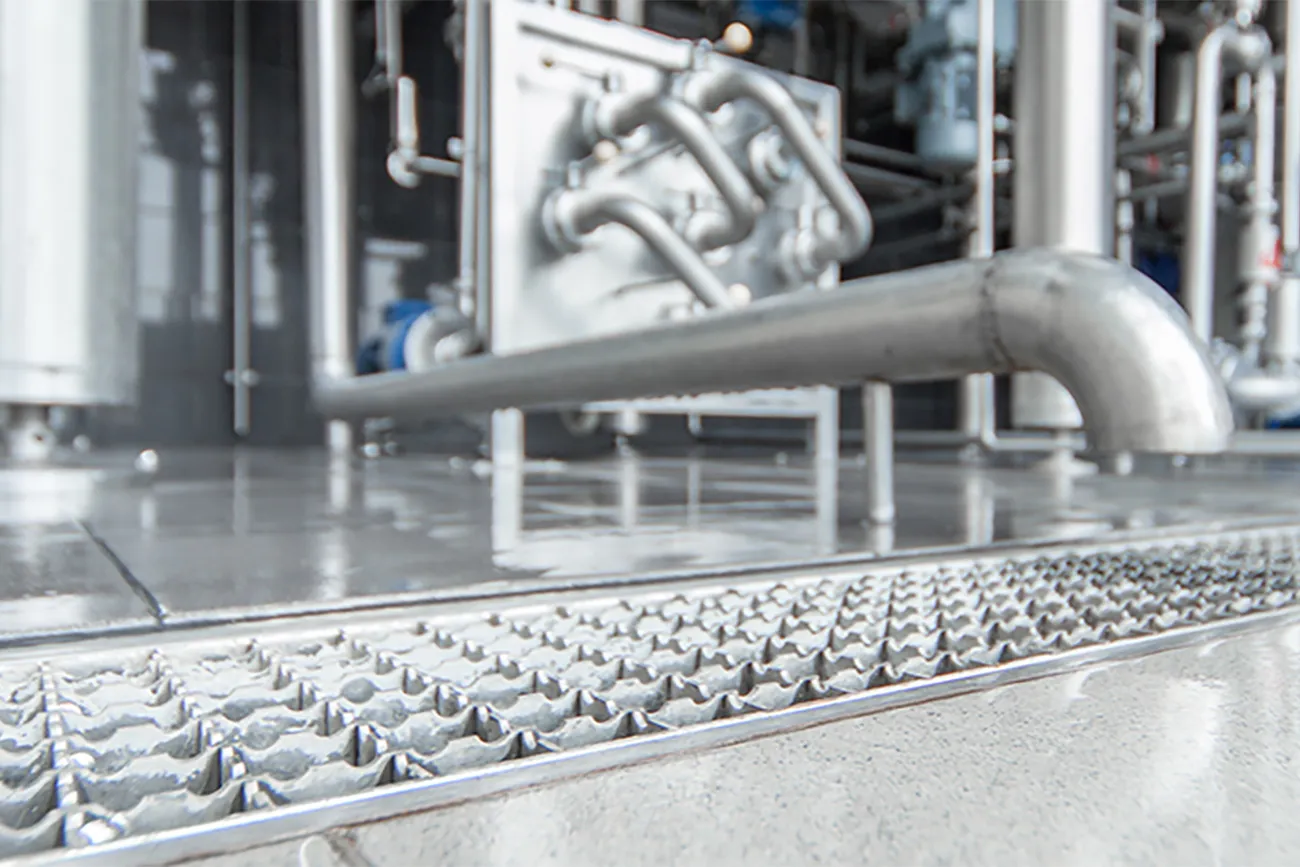
Too often, insufficient consideration is given to the required capacity and the flow rate the drainage system must be able to handle now and potentially in the future. Insufficient drainage capacity leads to flooding, putting workplace health and safety at risk and increasing the risk of cross-contamination. For this reason, it is important to design your drainage system in line with the design of your production equipment.
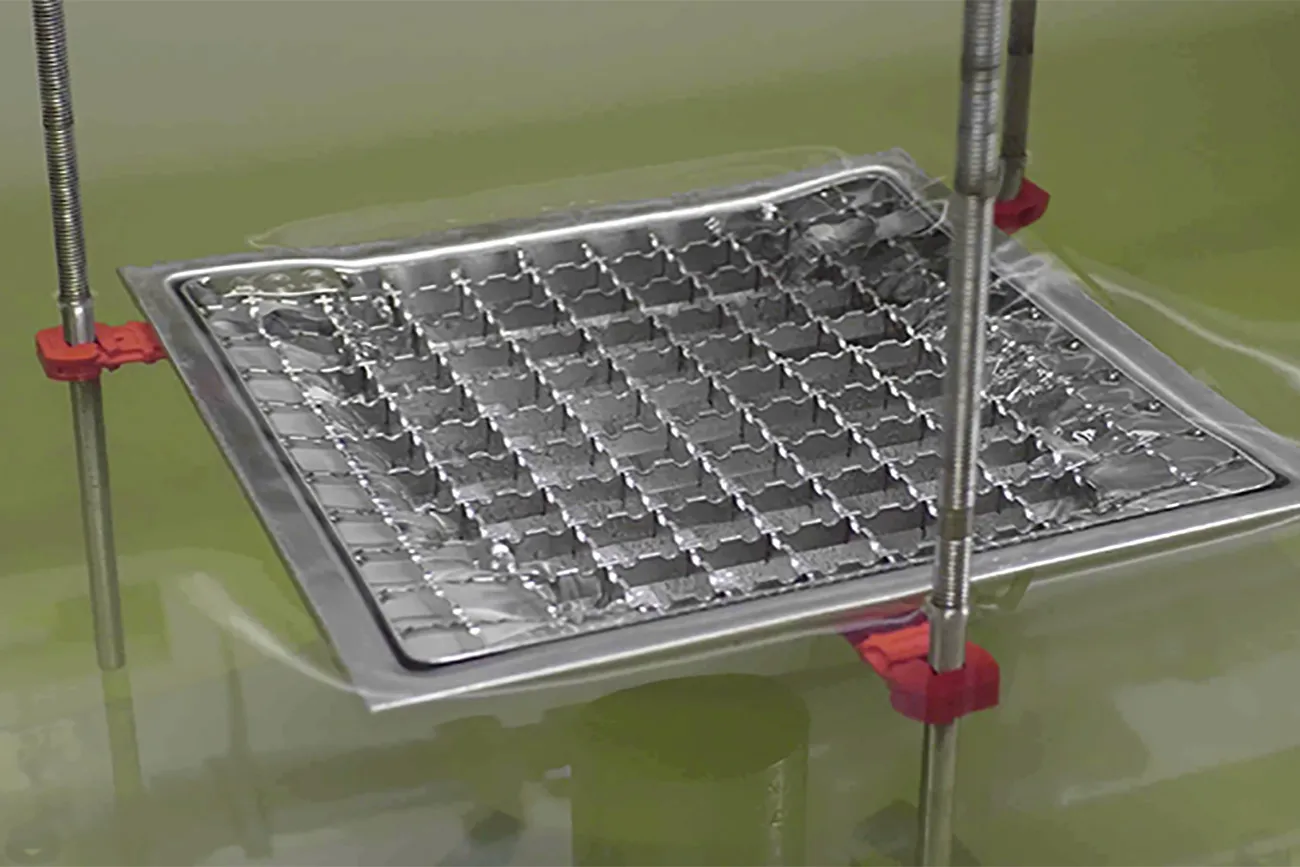
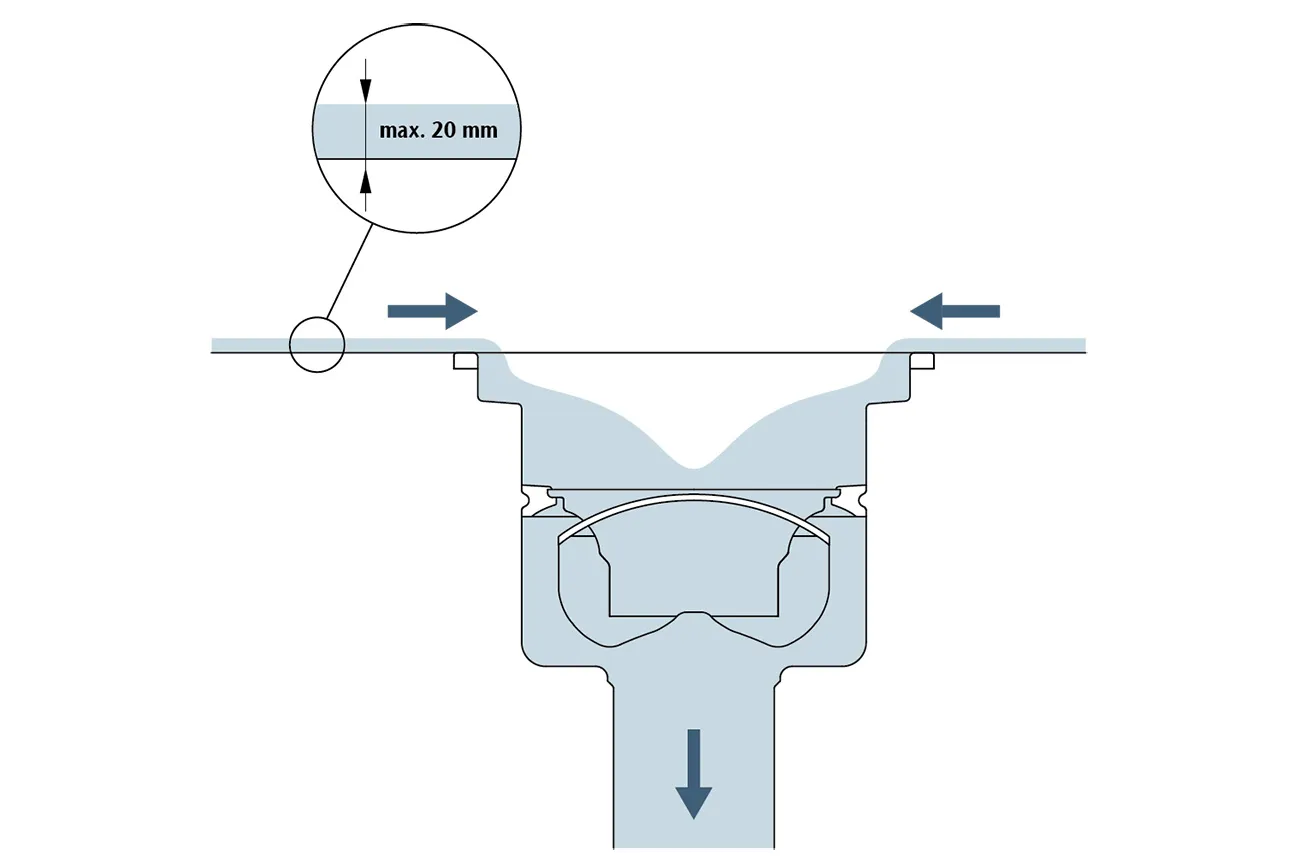
The standard method for measuring flow rates is EN 1253-1. This is the European method for determining the nominal flow rate of commercial floor drains. It is not always ideal in food & beverage environments, because machine outlets are often positioned above the drain so that water flows directly into the channel body. Here, the drainage system is not viewed merely as a way of removing excess water from the floor, but as an extension of the wastewater outlet coming directly from the machine. It is important that this wastewater does not reach the floor.
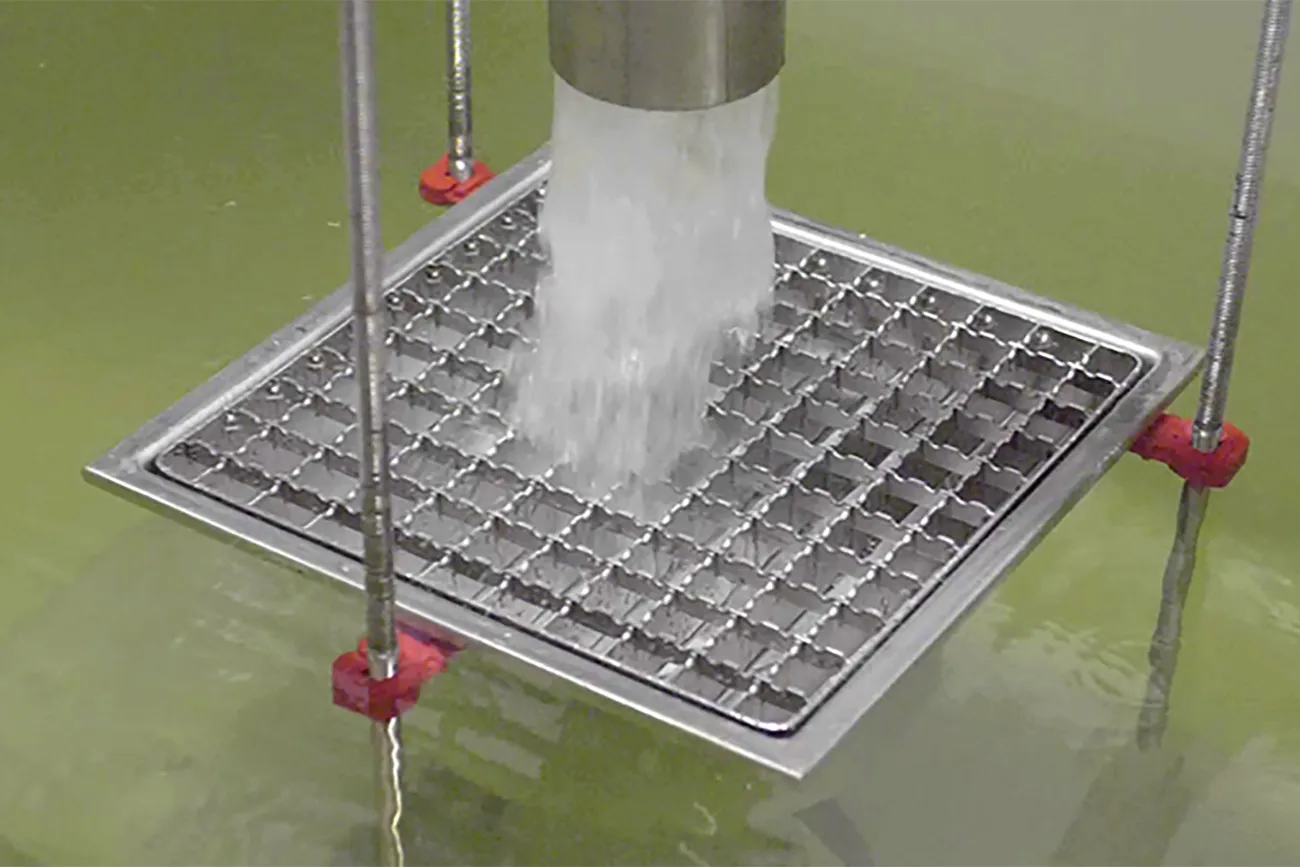
A dedicated method that takes machine outlets into account
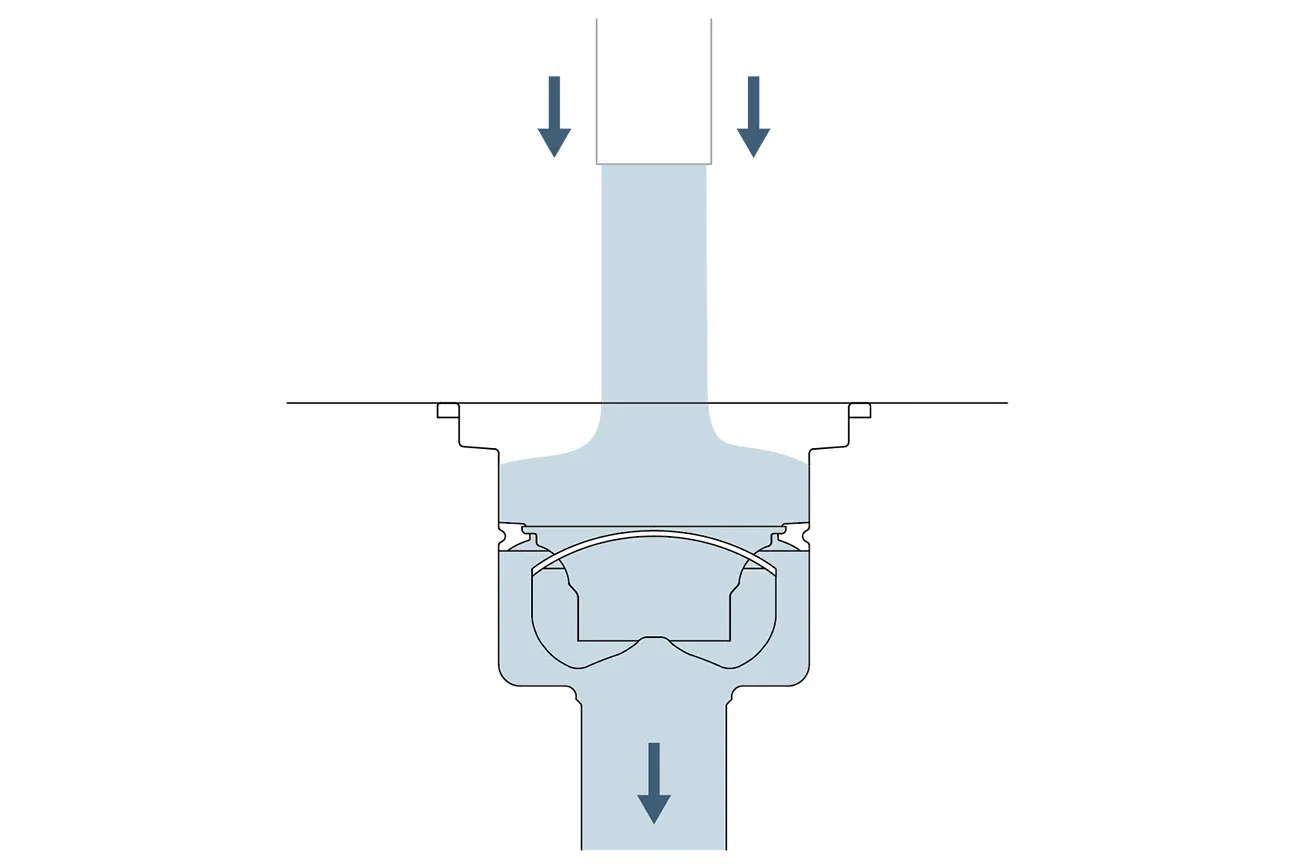
ACO has therefore developed its own method for measuring the flow rate of ACO floor drains. This is crucial for determining the right drainage solution in food & beverage environments. Selecting the right product based on its flow rate can now be done more accurately, especially when your drainage system needs to handle large volumes of water at once. The EN 1253-1 standard specifies the different classes of drainage channels, installation guidelines, and requirements for the construction, design, performance and marking of channels used in drainage systems that require a trap with a water seal depth of at least 50 mm. The ACO Direct method determines the flow capacity of a trap when the water source is positioned directly above the drain. To select the right ACO channel, you need to know the maximum volume of water the machine can discharge, for example 6,000 l in 5 minutes, or 20 l per second.
A method suited to the situation on site
ACO applies both methods to provide the right tailored solution. It all depends on how the drainage system is used. If there are no direct outlets above it, it is better to use only the lower values determined using the EN 1253-1 process. Good drainage plays a crucial role in food safety. Wet floors pose a significant health and safety risk and, in the worst case, can bring the entire production process to a halt. A good drainage system does not use the floor to carry wastewater away from machines. All wastewater must flow directly into the drainage system without leaking onto the floor.
What are the requirements for measuring flow rate using the ACO Direct method?
- Air gap: the drain must be positioned directly beneath and in the centre of the wastewater flow from the machine. Ideally, the pipe should be one to two times its diameter above the floor.
- Unless otherwise specified, it is best to avoid grating above the drainage channel. Grates can cause water to splash and thereby adversely affect drainage performance.
- The pipework system must have sufficient capacity
Find out more at http://www.hygienefirst.com/be-nl
Een zakelijke vraag aan ACO? Get in touch
Companies in this story
Keep following this
Get an email when a new story is published. No account needed.
- SubjectFood safety
- CompanyACO







