












Hygienic design is key to improved cleanability
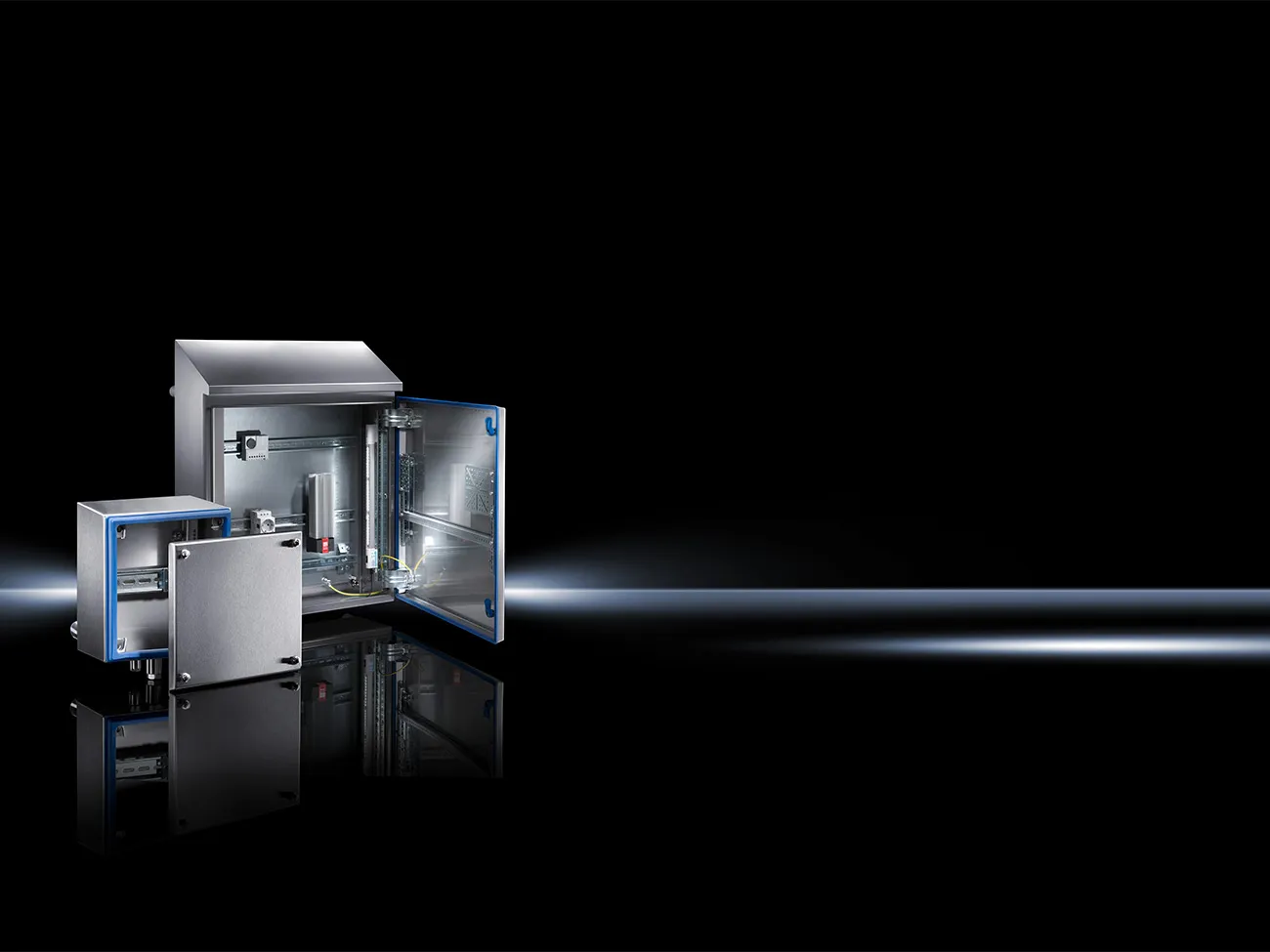
Cleanability is the watchword for equipment in the food industry. Recent outbreaks of salmonella and listeria, among other pathogens, at food companies are further proof that continued vigilance is essential. Choosing hygienically designed installations is therefore advisable. As a pioneer in this field for enclosures for switchgear, networks and servers, Rittal is now expanding its Hygienic Design range with additional sizes and accessories. Everything needed for 100% food-safe production.
Food safety comes first for everyone working in the industry. EHEDG, the European Hygienic Engineering & Design Group, was established to help food companies prevent infections and contamination in production. Its guidelines provide food companies with a framework for developing food-safe solutions. With its Hygienic Design range, Rittal meets the requirements set out by EHEDG for enclosures for switchgear, networks and servers.
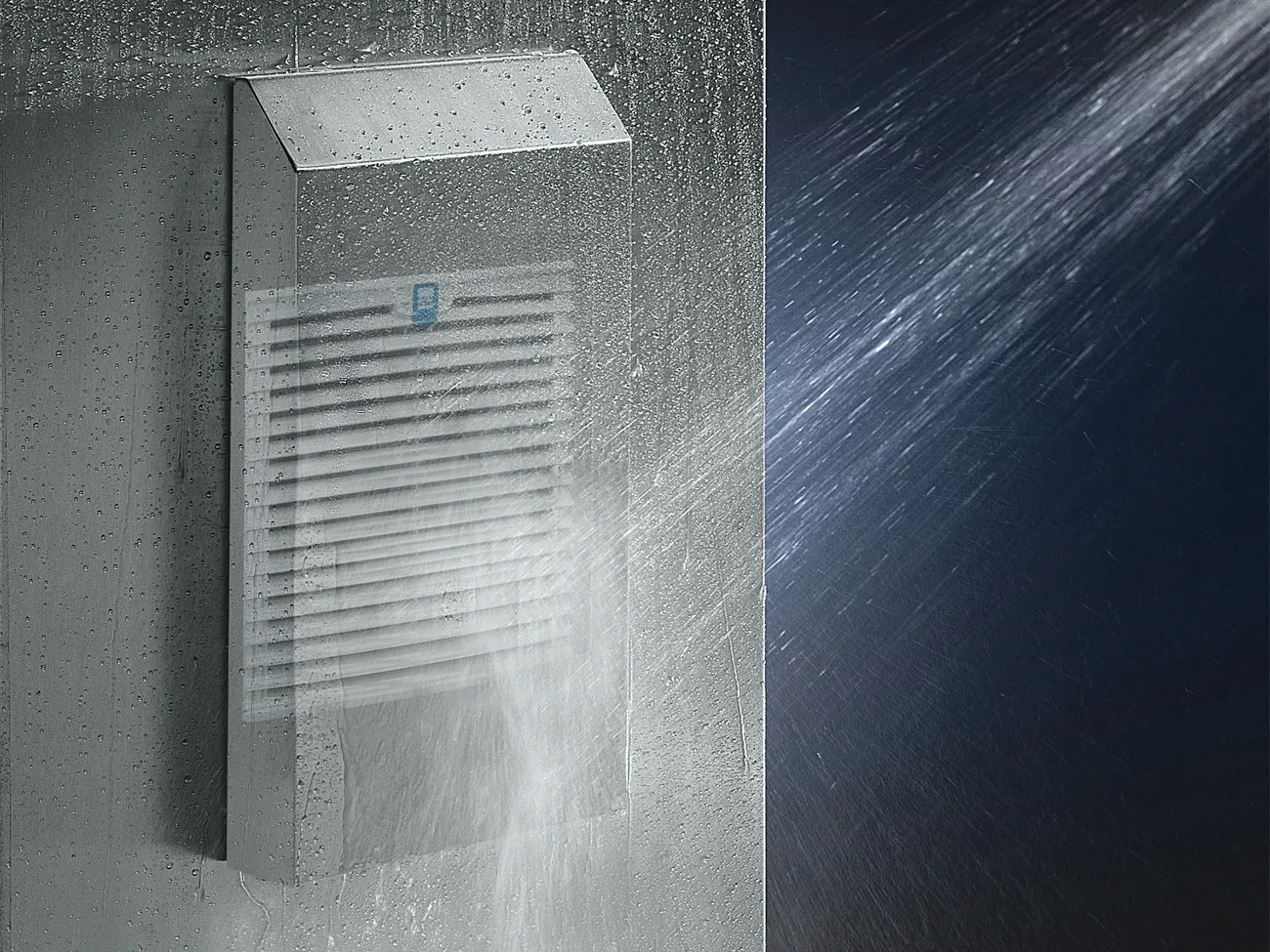
Ensuring easy cleaning
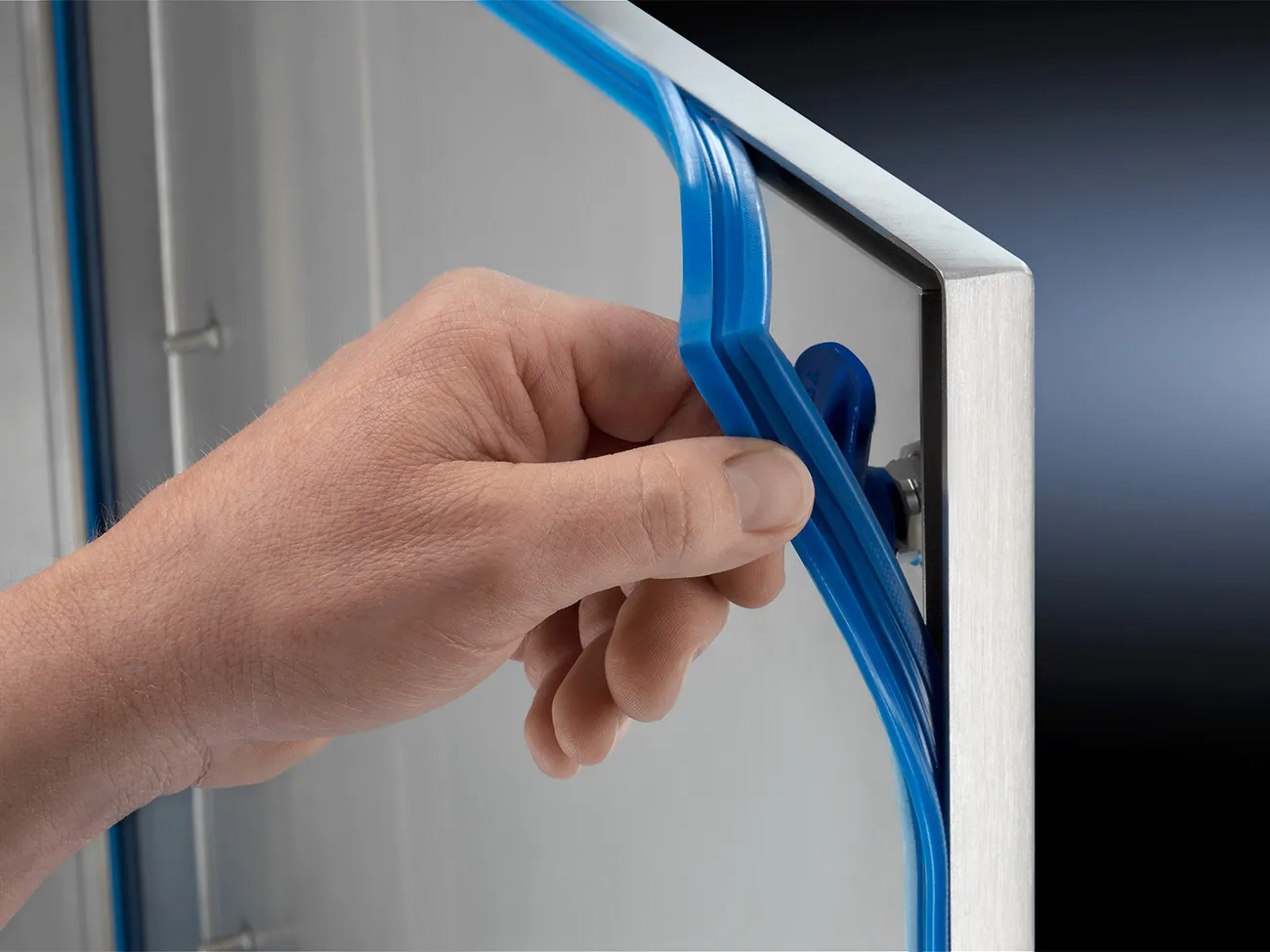
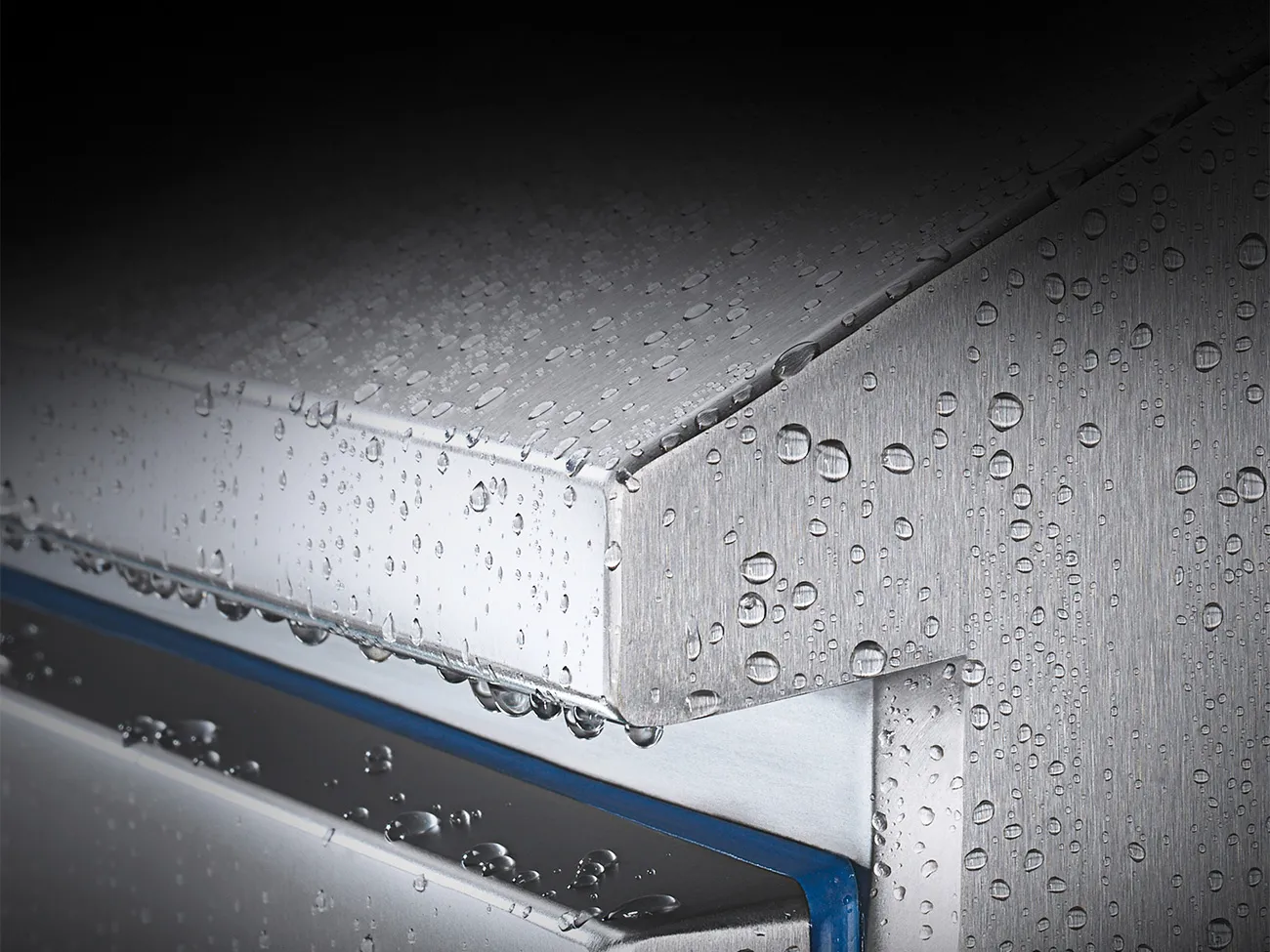
A key consideration in developing this series was to ensure easy cleaning. “The aim was not only to minimise the risk of contamination, but also to make cleaning more efficient, so that as little time as possible is lost while still achieving a thorough clean,” says Danny Forré, team leader Product Management at Rittal. It starts with the choice of material. “Rittal is committed to stainless steel (AISI 304), an alloy that is highly corrosion-resistant, with a surface roughness of 0.8 µm and an IP69K protection rating. Combined with the sloping 30° corners, this ensures that water never remains on the surface of our enclosures.” The choice of blue silicone seals is also notable. “They are approved for use in the food industry and are easy to spot if a piece ever breaks off,” Forré adds.
Seamless, adapted design
Food safety calls for as few seams as possible. This was also taken into account in Rittal’s Hygienic Design range. Forré says: “All the edges merge seamlessly into the surface of the enclosure. The closures have also been designed with cleanability in mind and use a special spring mechanism that projects outwards.” Rittal also supplies all the accessories needed to ensure enclosures can be installed as hygienically as possible. “Wall spacers and levelling feet make it easy to clean the rear and underside. Finally, the enclosures are also fitted with the distinctive blue silicone seals to ensure cables can be correctly routed into them and sealed. In Belgium, we also distribute Hummel cable glands. Two hygienic models are available, and they are easy to clean.”
Hygienic Design range expanded
The food industry’s focus on food safety has grown steadily in recent years. Rittal is responding to this growing demand by further expanding its Hygienic Design range. “Demand is being driven mainly by larger groups, which impose requirements for hygienic design on machine builders. By adding four enclosure sizes, we are helping our customers meet those requirements.” Two hygienic accessories have also been added. “A pressure compensation device is the ideal solution for dealing with pressure differences that can occur inside enclosures as a result of changing climatic conditions. These can cause condensation or deform the cover. Its smooth design and blue silicone seal make this version ideal for use in the food industry.” The second addition is stainless steel compression latches. “Rittal is one of the pioneers in hygienic design in its field. Food-safe details and finishes really make a difference for companies looking to take their overall hygiene concept to the next level,” Forré concludes.
Question about this story? Ask your question
Keep following this
Get an email when a new story is published. No account needed.
- ThemeFood safety from design to audit
- SubjectFood safety







