












Hygienic enclosures put downtime problems behind us
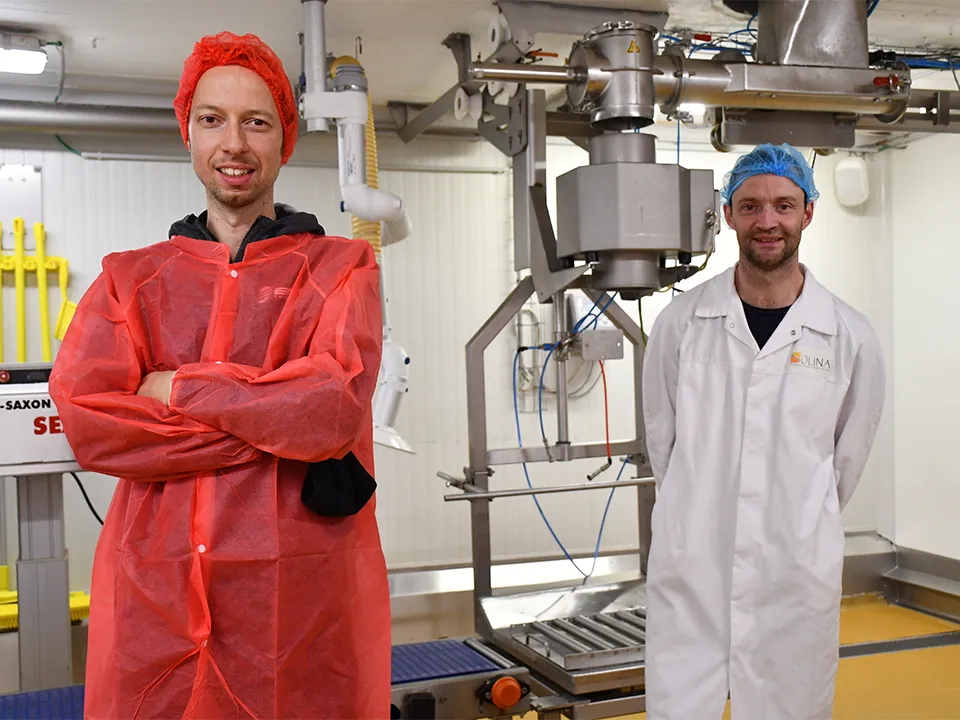
Hygiene is vital in the food industry. Machines, installations and technologies that meet the rules of good hygienic design therefore have a clear advantage in this environment.
The best example of this is Rittal’s Hygienic Design enclosures. Thanks to their IP69K rating, they can withstand the intensive cleaning processes typical of the food industry, meaning they are never affected by water ingress. Solina has experienced this first-hand. Such downtime is now a thing of the past.
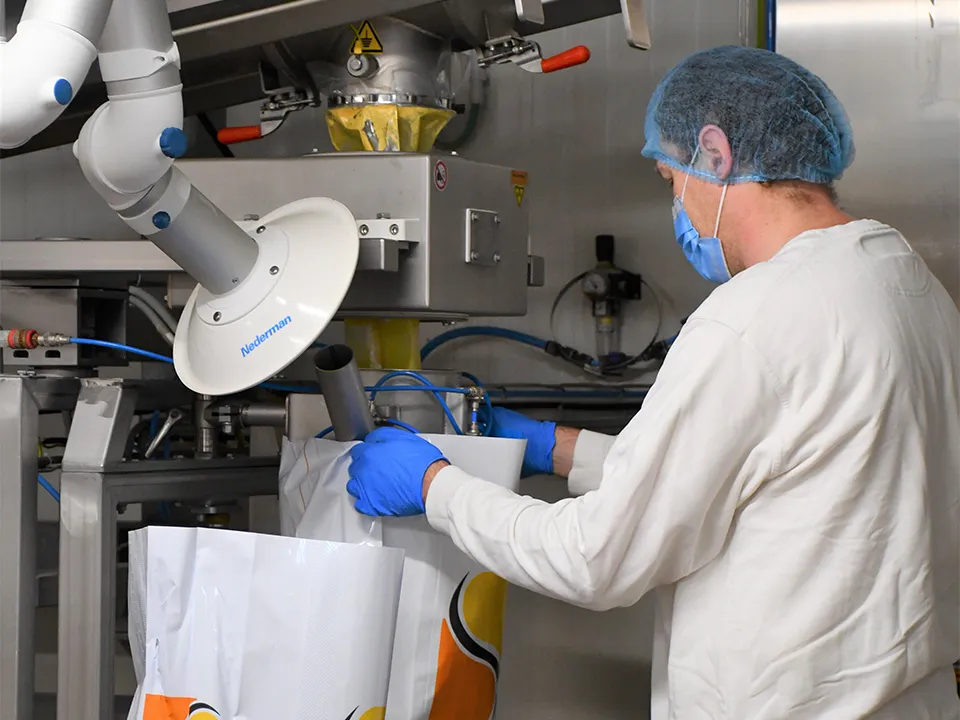
From ingredients, blends and compounds for meat applications to components for ready meals, from colour stabilisers to aromatic oils and coatings, Solina Belgium, part of Solina Group, offers the ideal solution for customers’ specific needs and requirements. It operates from four sites in Belgium. Mixing takes place in Izegem. “Here, ingredients are meticulously combined to create flavour sensations for chip coatings, cooking spices, breadcrumbs … Every day, 22 to 23 tonnes are transported in big bags to the site in Eke, where the products are then packed to meet each customer’s requirements. This is done by a team of around 25 employees.” Dirk Coucke is speaking. He oversees production planning according to orders.
Problems at start-up
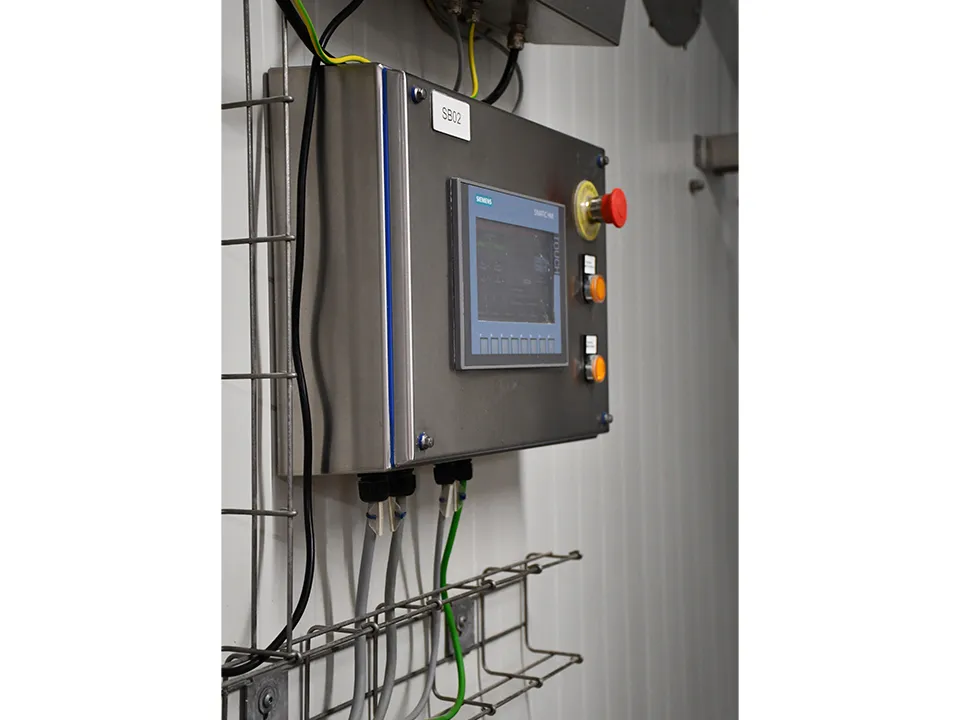
As is standard in the food industry, Solina also carries out intensive cleaning every day to maintain hygiene. Unfortunately, water and electricity do not mix well. This often becomes apparent in electrical enclosures. “This is a common problem in the food industry,” says Dieter Vergote of integrator EMV Technics in Wielsbeke. “Enclosures in production areas often suffer from water ingress caused by cleaning processes. High pressure, high temperatures, chemicals … they all affect the material. The trouble starts when the morning shift tries to start up the next day.” Coucke knows these problems all too well. “We particularly experienced start-up problems on Mondays. As breakdowns occurred regularly, we looked into how we could find a better solution.”
“Every detail has been thought through”
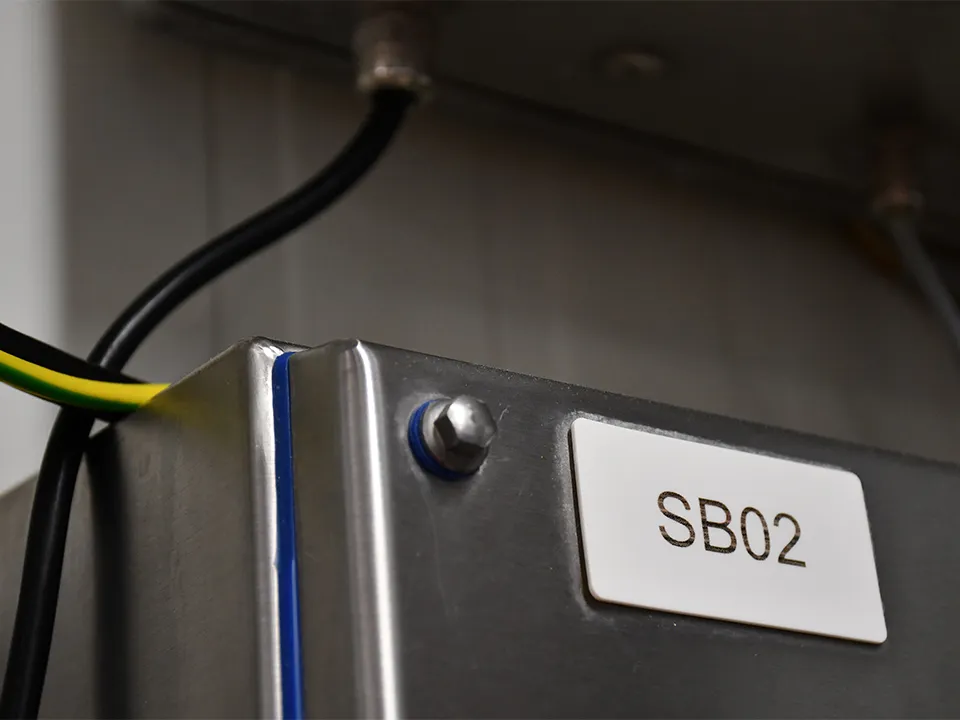
For EMV Technics, the solution is clear: Rittal’s HD enclosures. With their seamless silicone seal between the enclosure and cover, and their hygienic hexagonal closure, this range is specifically designed for use in the food industry. The enclosures are made entirely of stainless steel and come with all the certificates required for use in food environments. “You can tell the difference compared with standard enclosures. Every detail has been thought through. The rounded locks, internal hinges, brushed finish, the spacer that leaves enough room to clean easily behind the enclosure … everything is just that bit more ingeniously designed. And as an integrator, you have to respect that by using the right techniques. Drilling, for example, is out of the question. I make sure everything is welded watertight. That makes all the difference in a food environment. I always work with Rittal because I am convinced that the quality of its enclosures adds value for my customers,” Vergote concludes.
Ensuring production continuity
Four years ago, the four enclosures in the production area at Solina Izegem were replaced with the Hygienic Design series. “This actually served as a pilot project for Solina’s larger site in Eke,” says Coucke. “And it was a success. Since these enclosures were installed, such breakdowns have become a thing of the past. We haven’t had any problems with them. Water never pools on them either, because the enclosure roof has a 30° slope. The investment paid for itself very quickly, helping to ensure the durability and continuity of our production.”
Question about this story? Ask your question
Keep following this
Get an email when a new story is published. No account needed.
- ThemeFood safety from design to audit
- SubjectFood safety







