












Infection prevention and disinfection: new technology offers watertight guarantees
For those working in the food processing industry, both infection prevention and a well-designed disinfection process are absolutely crucial. Remarkably, manual disinfection procedures remain widespread in many sectors, despite the many drawbacks and even risks involved, and the interesting alternatives now available on the market.
From the meat sector to the fish and dairy industries, industrial bakeries and ready-meal production, food processors must always work to create a safe environment. Medtradex brings extensive expertise to the task, with technologies that can provide both preventive and remedial solutions. In 2021, the disinfection process centres on a balanced combination of manual procedures and automated applications. This approach ensures that all surfaces are treated, including those that are difficult or impossible to reach by hand. Medtradex first works with the customer to identify the most suitable technology, then provides thorough training tailored to the end user. Particular attention is paid to the support needed to implement the technology and all the associated procedures.
Errors
Manual disinfection remains widespread in most sectors. Whether the product is meat, fish, bread or vegetables, the risk of (re)contamination or cross-contamination with organisms such as listeria, salmonella, enterobacteriaceae or E. coli can never be completely ruled out. People are excellent carriers and transmitters of all kinds of disease-causing pathogens. They also make mistakes and have certain limitations: not all environmental surfaces are treated with equal precision, residues of cleaning products may remain after manual rinsing, and some critical surfaces are difficult to reach. In practice, it is generally impossible to check after every disinfection cycle whether the entire space has been adequately disinfected. And inevitably, each manual disinfection will be carried out differently, more thoroughly on some occasions and less thoroughly on others. Manual disinfection is therefore never fully measurable or reproducible.
New trends
A number of new trends are also contributing to a greater risk of infection. Growing urbanisation and overcrowding, for example, increase the risk of infections spreading. Another significant factor is the change in our eating habits. We often prefer minimally processed foods today, whose aroma and flavour have not been altered by salting, smoking or drying. Yet these techniques were formerly used to extend the shelf life of food and reduce the risk of pathogens or spoilage. Last but not least, the market for ready meals and pre-cut vegetables and fruit is growing rapidly. As these products undergo only ‘gentle’ preservation techniques, they are also more susceptible to ‘mishandling’.
Atomisation
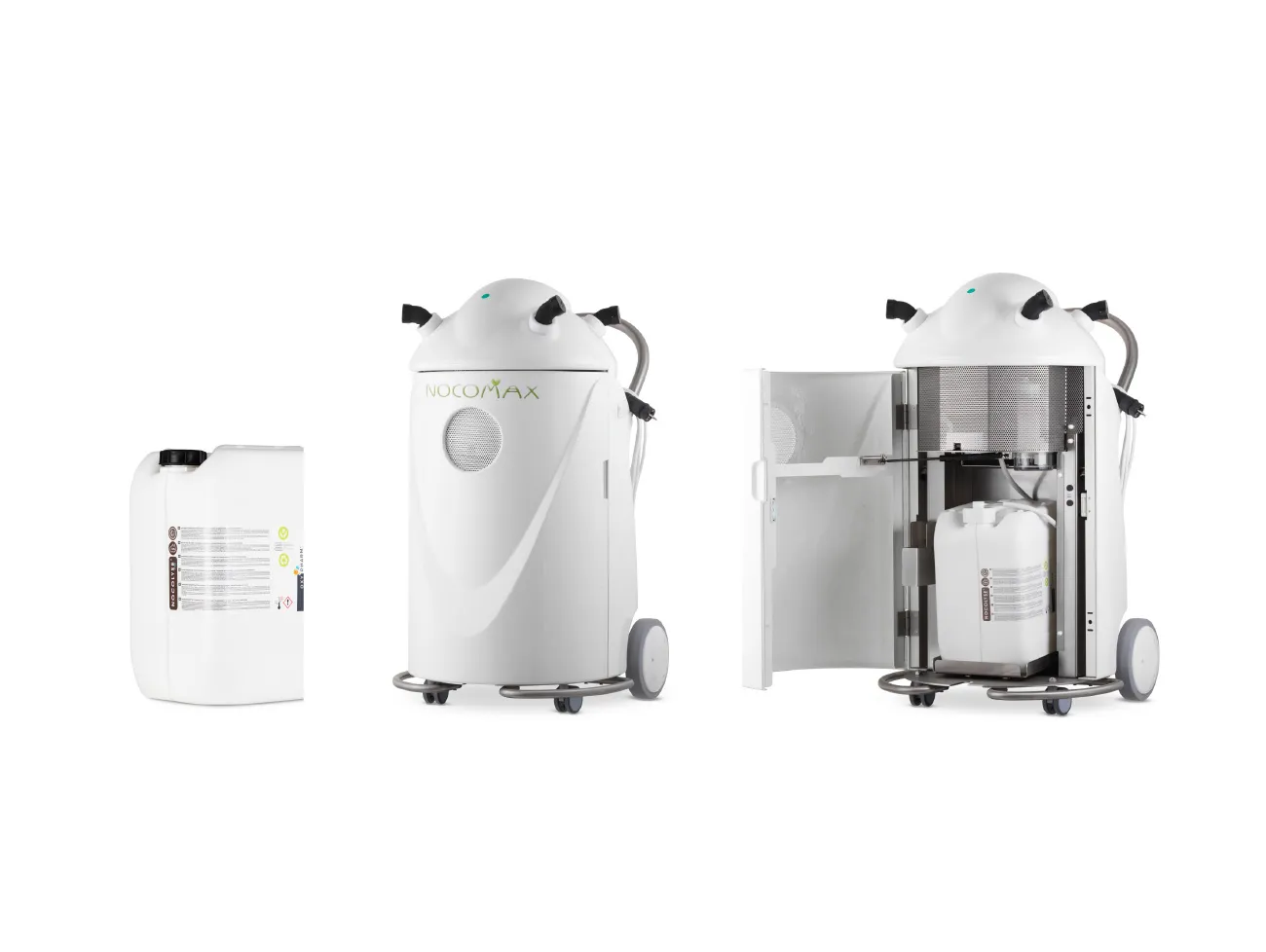
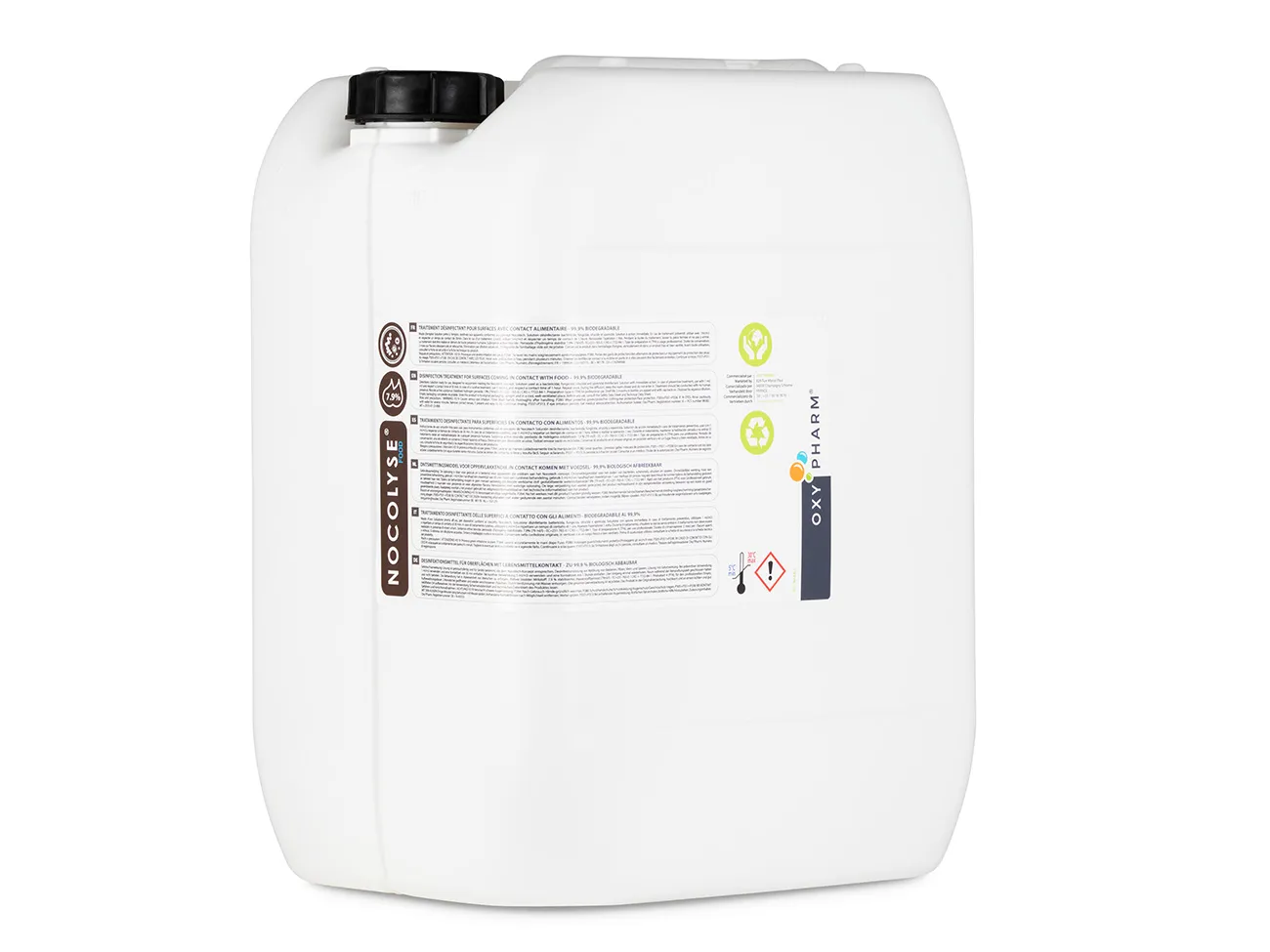
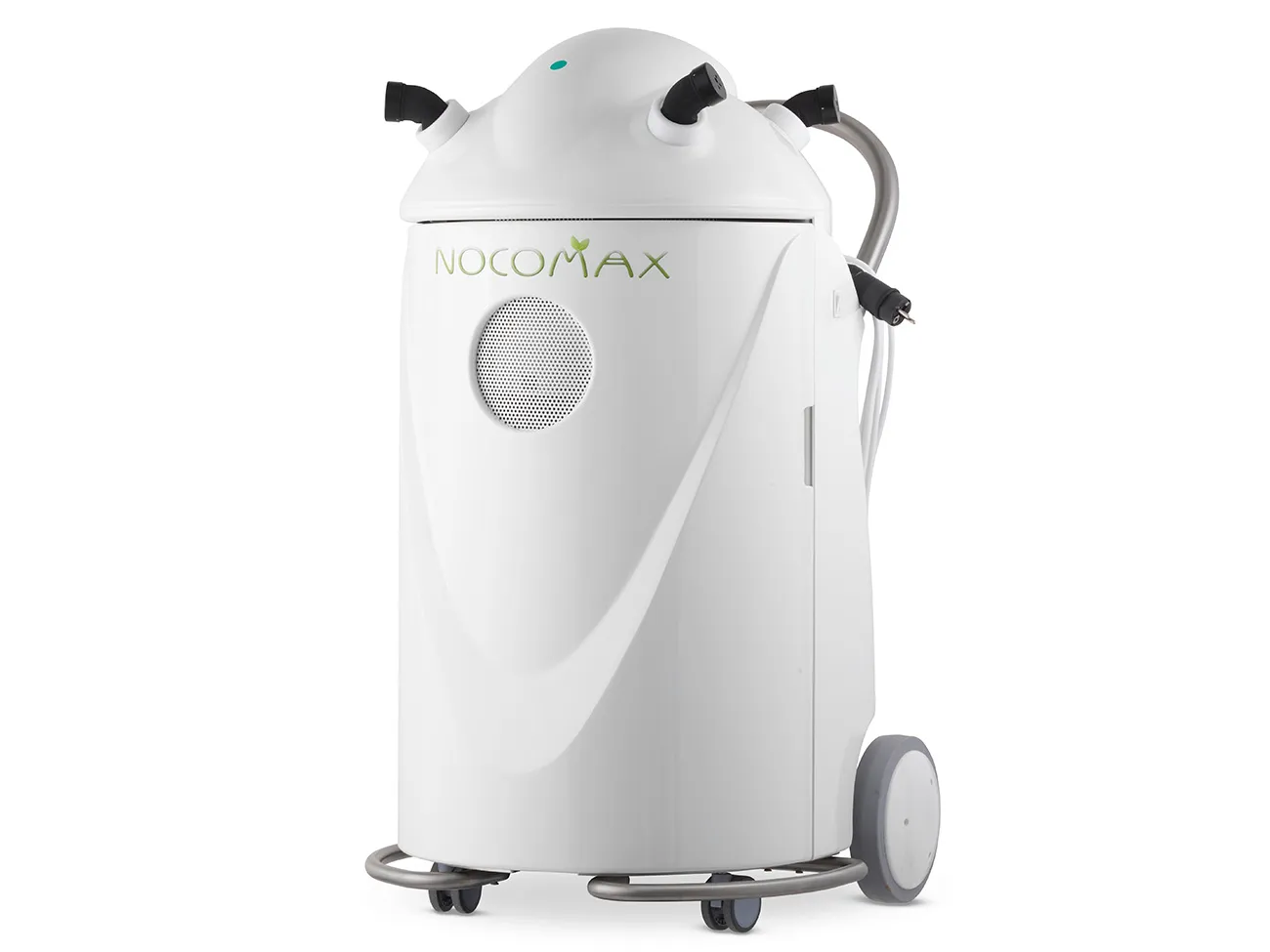
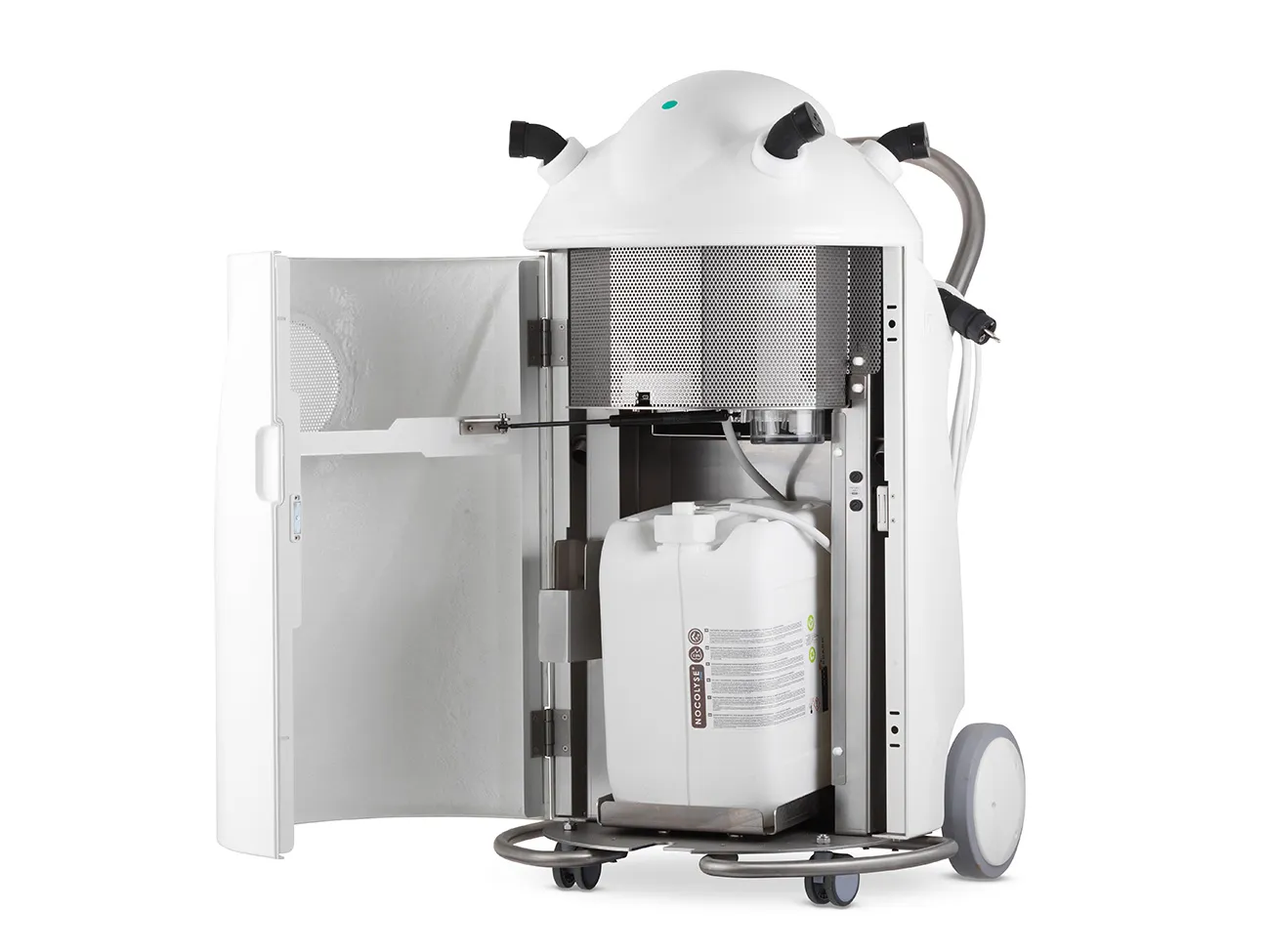
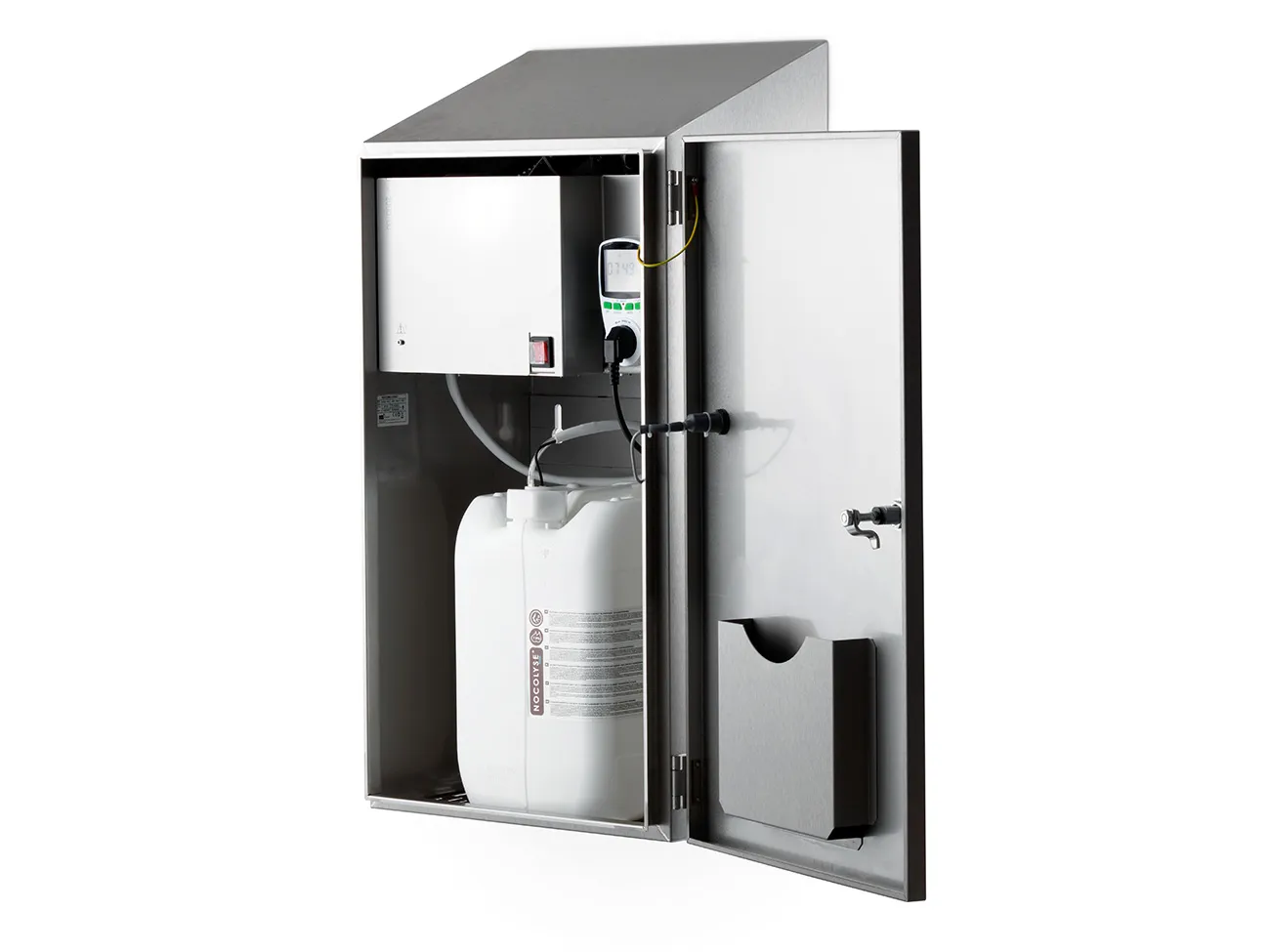
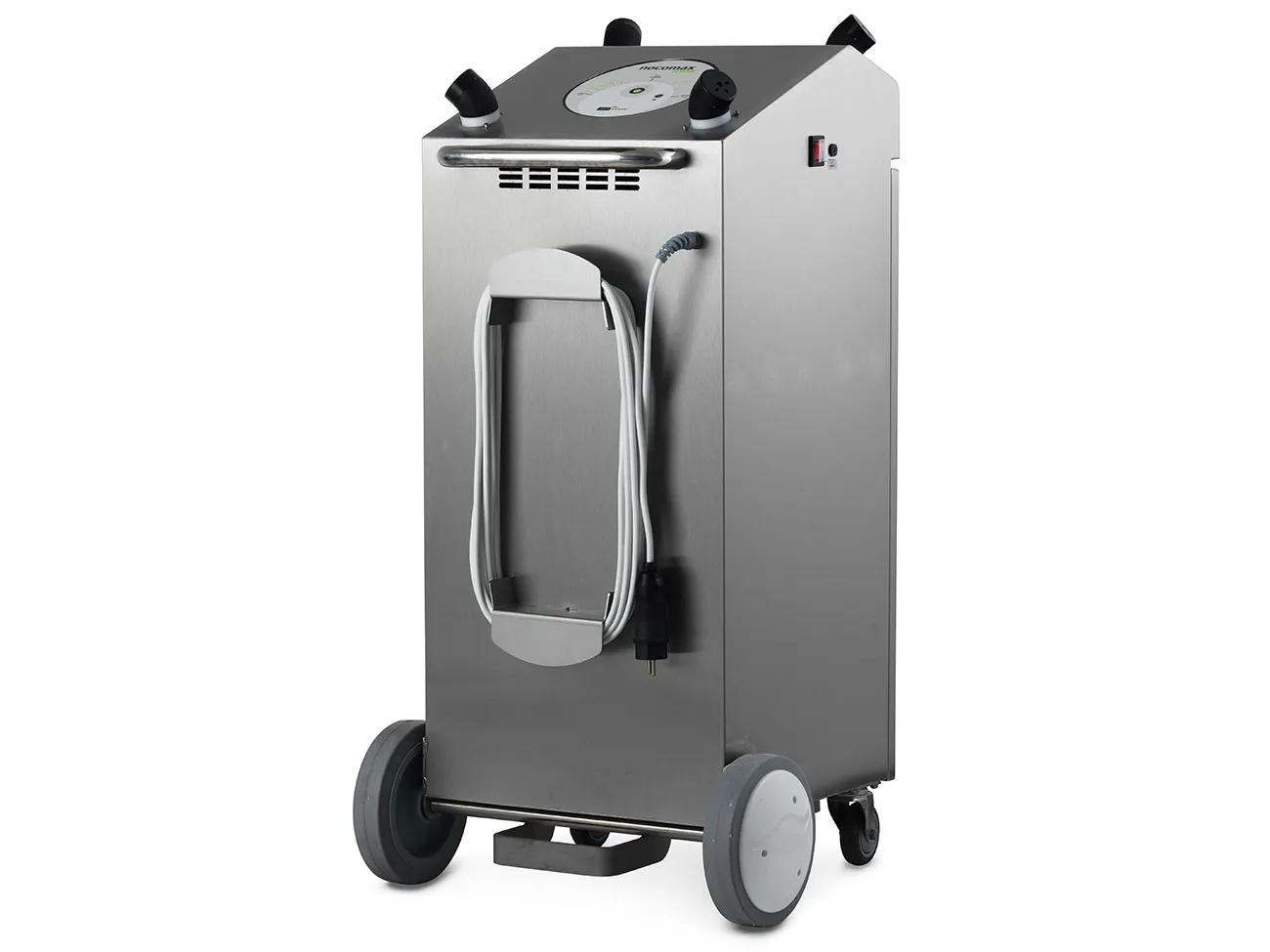
To reduce infection pressure and optimise the disinfection process, Medtradex developed an innovative concept: Nocotech. This technology uses a device such as Nocospray 2®, Nocomax Easy® or Nocomax Fix to atomise a biodegradable disinfectant based on H2O2 (Nocolyse) throughout the room. During atomisation, the disinfectant is ionised, giving the particles a positive charge. The product forms a dry mist, and the ‘positively charged particles’ are attracted to ‘negatively charged’ surfaces. This concept ensures that all surfaces in the room are disinfected perfectly and automatically. The technology has proven effective against a wide range of bacteria, viruses, fungi and spores. The process is also environmentally friendly: the product breaks down into water and oxygen, making it 100% biodegradable. It contains no allergens or other substances that pose a risk to people.
Question about this story? Ask your question
Companies in this story
Keep following this
Get an email when a new story is published. No account needed.
- SubjectFood safety
- CompanyMedtradex







