












Laser cladding safer and more efficient than ever
Text and images Valérie Couplez
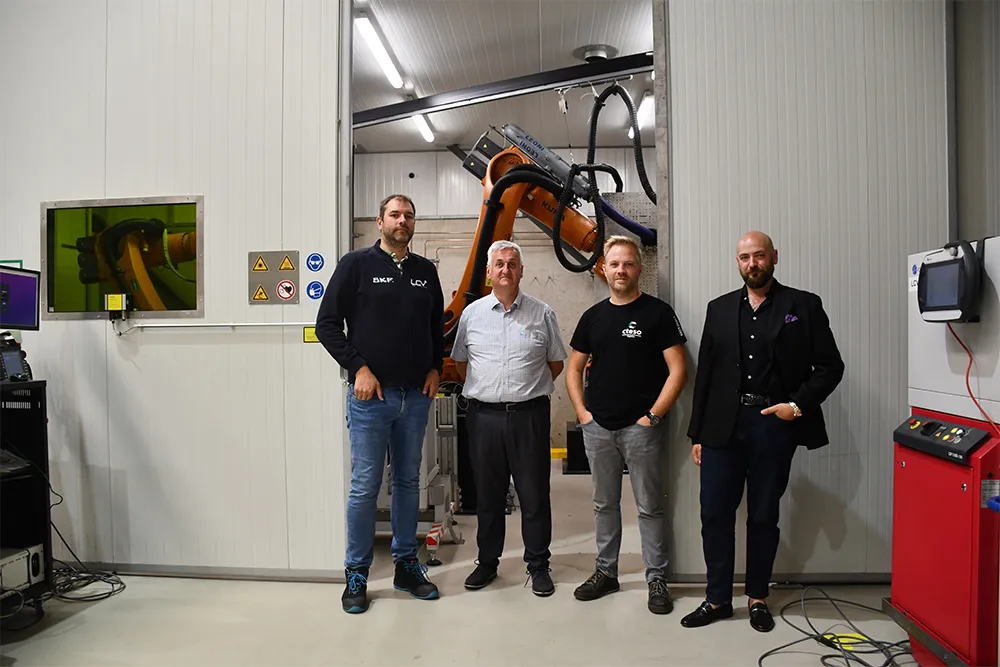
Lasers are versatile tools that can make a difference in many industrial applications. But the risks associated with laser light call for additional safety measures. To give safety an extra boost as it moved towards higher-volume production, Laser Cladding Venture (LCV) called on Schmersal’s tec.nicum machine safety services to bring its robot cell up to the latest safety standards.
In laser cladding, a laser beam and a powder stream combine to add material to a workpiece. This coating method is used to extend the service life of mechanical parts or to 3D-print components. The technique offers many advantages over conventional welding processes and thermal spraying, including greater hardness and wear resistance, minimal dilution and limited distortion, but it requires the expertise to control the process perfectly. “LCV was established in 2015 as a spin-off from VITO,” explains Process Technology Development Manager Stijn Clijsters. “In the early years, the focus was on optimising the technology for repairs and developing prototypes. Since being acquired by SKF, a world leader in bearing technology, in 2022, we have changed our focus. We now want to concentrate more on series production of rotating components.”
Safety upgrade
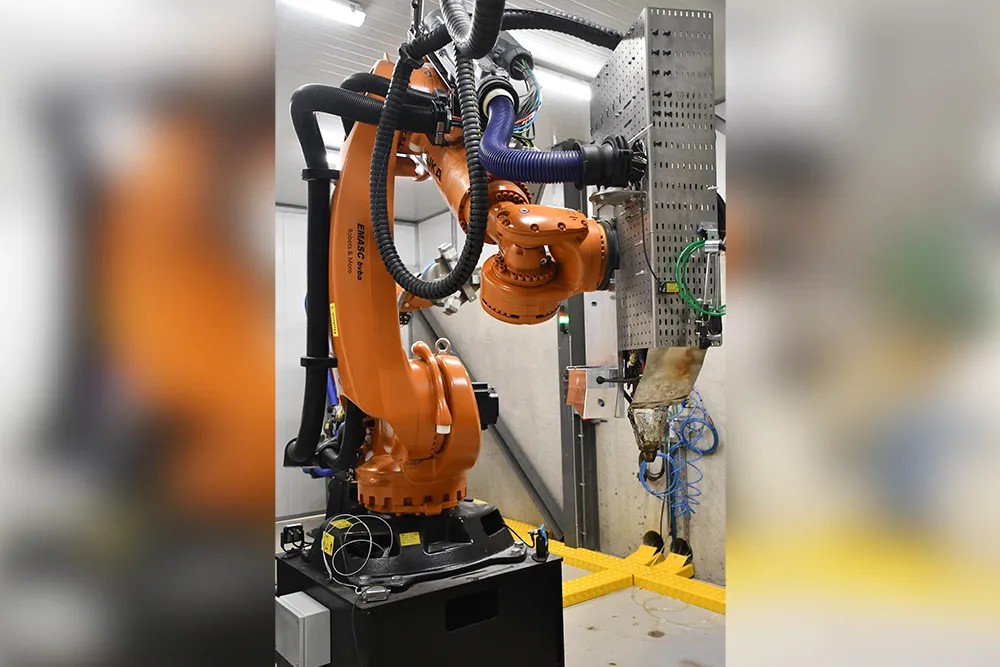
That also had an impact on the machine. It consists of two robots, one for handling and the other for laser welding, and uses a 5W diode laser source. “The move towards greater industrialisation called for a safety upgrade. As engineers closely involved in the process, we knew how to work with it safely, but you cannot expect production operators to have the same knowledge. SKF also maintains the highest possible safety standards.” With Schmersal a preferred supplier to the Swedish bearing manufacturer, Clijsters and LCV knew who to turn to. Through its tec.nicum division, which brings together a comprehensive range of machine safety services, Schmersal worked with partner CTESO, responsible for the engineering and integration, to deliver a complete solution. The first step was to identify and assess the existing risks in the robot cell and check them against applicable directives (Machinery Directive, EMC), standards (laser products, robots) and SKF’s safety standards.
Schmersal develops the concept, CTESO handles engineering and integration
“We approach every project from the customer’s point of view,” explain Schmersal safety consultant Wim Van den Hove and account manager Johan Van den Broeck. “What safety features does the machine need? And how can we deliver them in a way that is economically viable and practical for employees? We also support customers afterwards with evaluation and validation: does the machine work as safely as intended?” As mentioned, Schmersal developed the concept, while CTESO handled the detailed engineering and integration. Founded in 2017, this machine builder both makes bespoke machines and upgrades existing ones for specific projects, as well as building series machines for customers. “This combination means we can grow alongside our customers while also building plenty of flexibility into our own production. It is a formula that works well,” says co-owner Rob Creemers.
Secure locking
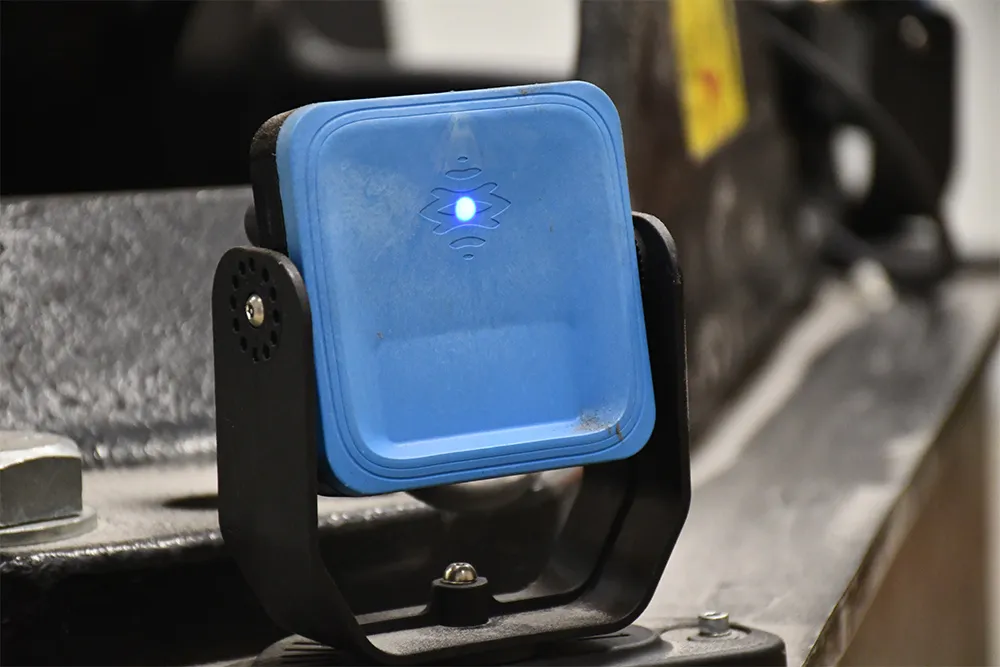
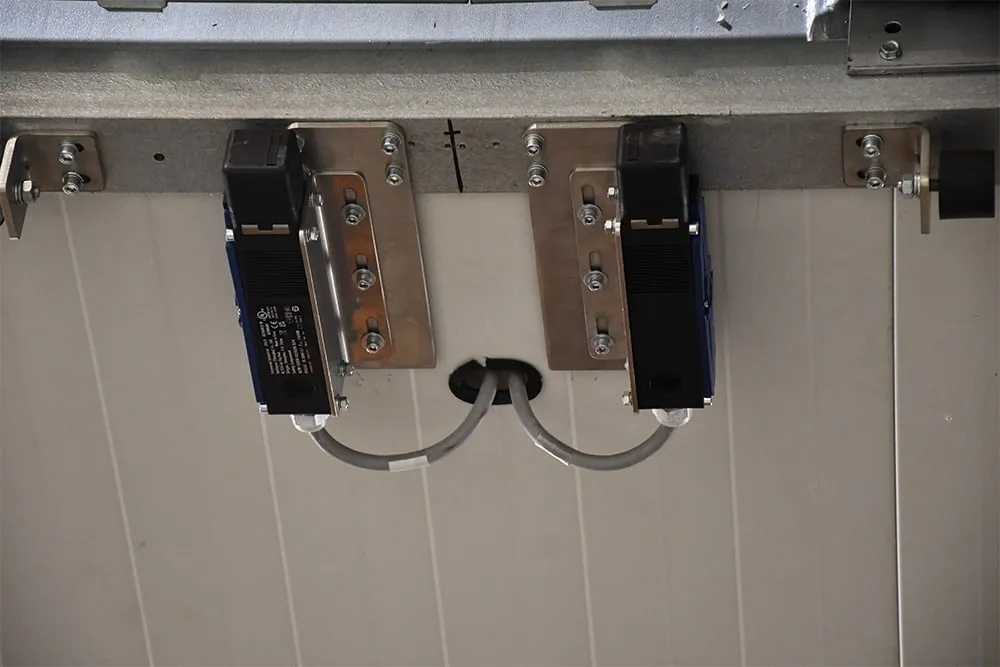
CTESO did not have to travel far for this machine. The machine builder is just a stone’s throw from LCV. This helped the three parties hold the extensive discussions needed to arrive at the best possible safe solution. The main priority was to ensure that no one could be inside the cell while the machine was running. Creemers says: “We do this with six radar sensors that scan the area for human presence. Schmersal’s AZM 150 02/02R-024 also provides secure door locking, preventing anyone from entering the cell while the system is running. A third element is the oxygen sensors: if oxygen levels are still too low, the doors cannot be opened.” The rest of the safety upgrade is less visible. But the new safety PLC in the cabinet is evidence of the programming work involved.
Safety made foolproof
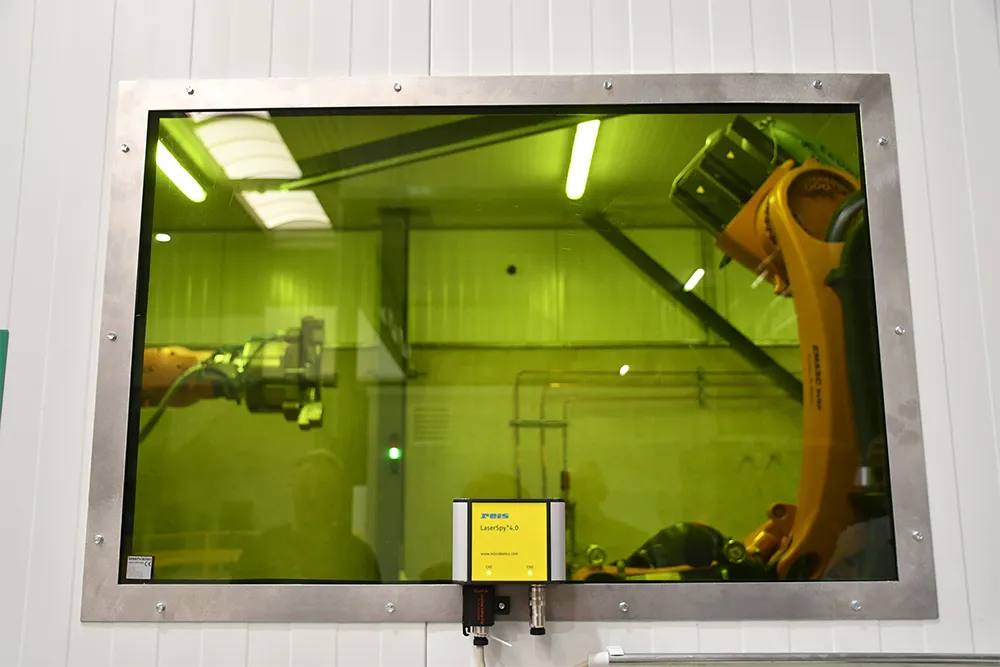
“They have automated several manual operations for us and integrated other functions, such as extraction, into the control system to improve safety,” explains Clijsters. “This means there is no longer any need to be physically present in the cell. The process can be monitored from the controls or through a safety window fitted into the cell wall with a laser-proof filter.” Clijsters is very pleased with the result. “Safety in and around the robot cell is now excellent, foolproof even, so we can move into series production with complete confidence. At the same time, we are still working just as efficiently as before.”
Een zakelijke vraag aan Schmersal? Get in touch
Companies in this story

Keep following this
Get an email when a new story is published. No account needed.
- SubjectFood safety
- CompanySchmersal
- CompanyCTESO







