












Listeria monocytogenes: how should we deal with contamination?
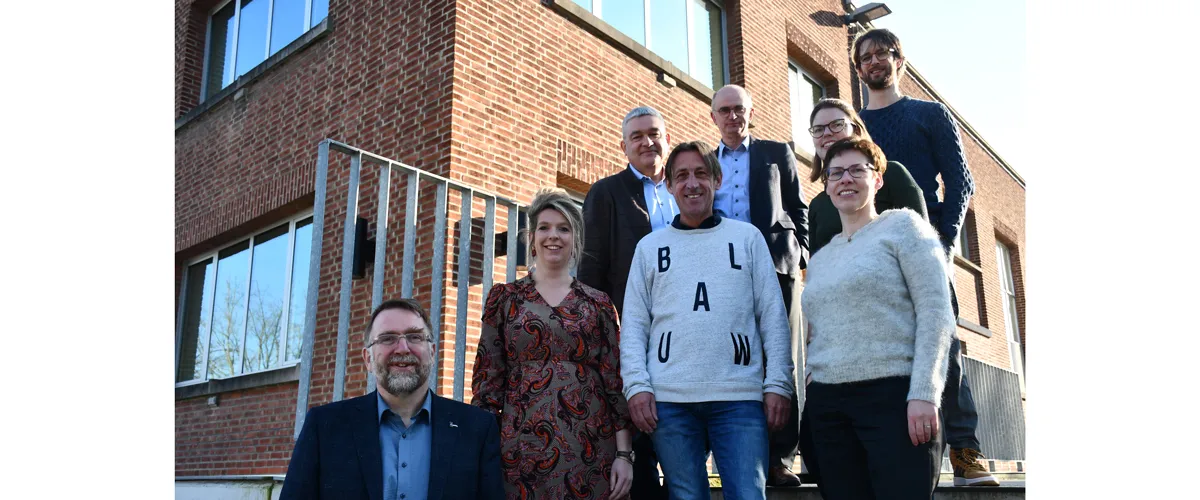
If the recent Salmonella outbreak at Ferrero has proved one thing, it is that food businesses need to take more targeted action when contamination is detected in production. We need to move towards a new quality culture. A culture in which food safety is not seen as a cost, but as the cornerstone of how a business wants to position itself in the market. Only then will the resources and people be in place to detect contamination, seek out its source and tackle it. That, at least, was the conclusion of the round-table discussion organised by the Quality Days on Listeria monocytogenes.

Listeria monocytogenes is a major concern for food businesses. More contamination in food has been detected in recent years, as confirmed by figures from the FAVV and its European counterpart, EFSA. EFSA reports also show that the number of human cases of Listeria monocytogenes infection is increasing. It is not immediately clear, however, whether this is due to more extensive testing or a rise in the Listeria bacterium. What is clear is that businesses need greater insight into this issue. Are we searching thoroughly enough for Listeria in food businesses? What aspects need to be considered? What is the best way to manage Listeria in the future? Who is responsible for what? … The Quality Days therefore brought together a panel of experts to examine the subject of Listeria in depth and from every angle. The participants were Wouter Burggraaf (Burggraaf en Partners), Joost Buysschaert (Epacco), Vera Cantaert (FAVV), Koen De Reu (ILVO), Jonathan Hallaert (Fevia), Ellen Lambrecht (ILVO), Katrijn Verbeek (Lavetan) and Bavo Verhaegen (Scienscano).

How should testing be done?
One of the first questions put to the experts was how, alongside raw material and product analysis, the production environment should be checked for contamination. “Good environmental monitoring is needed to verify that good practices are being followed. The way that monitoring is carried out makes a real difference,” De Reu begins. “Rubbing a cotton swab, like an ear bud, over a small area is absolutely out of the question. You cannot get reliable results that way. Practical experience in many businesses shows that thorough sampling makes a significant difference to the detection of the pathogen compared with the sampling currently carried out by businesses. It is not unusual for businesses to detect 5% positive environmental samples, whereas thorough sampling by ILVO can yield 40%. On the one hand, you need to know the critical points, and on the other, you need to be willing to look for the pathogen. That requires extensive, structured sampling of large areas using suitable swabbing materials. Sampling hard-to-reach places and dismantling equipment are also essential. The approach must of course go beyond surface sampling alone. It starts with checking incoming raw materials and carrying out frequent checks on your finished products. You also need to talk to machinery suppliers about hygienic design and invest in buildings and the flow of your production.”
Tracing Listeria
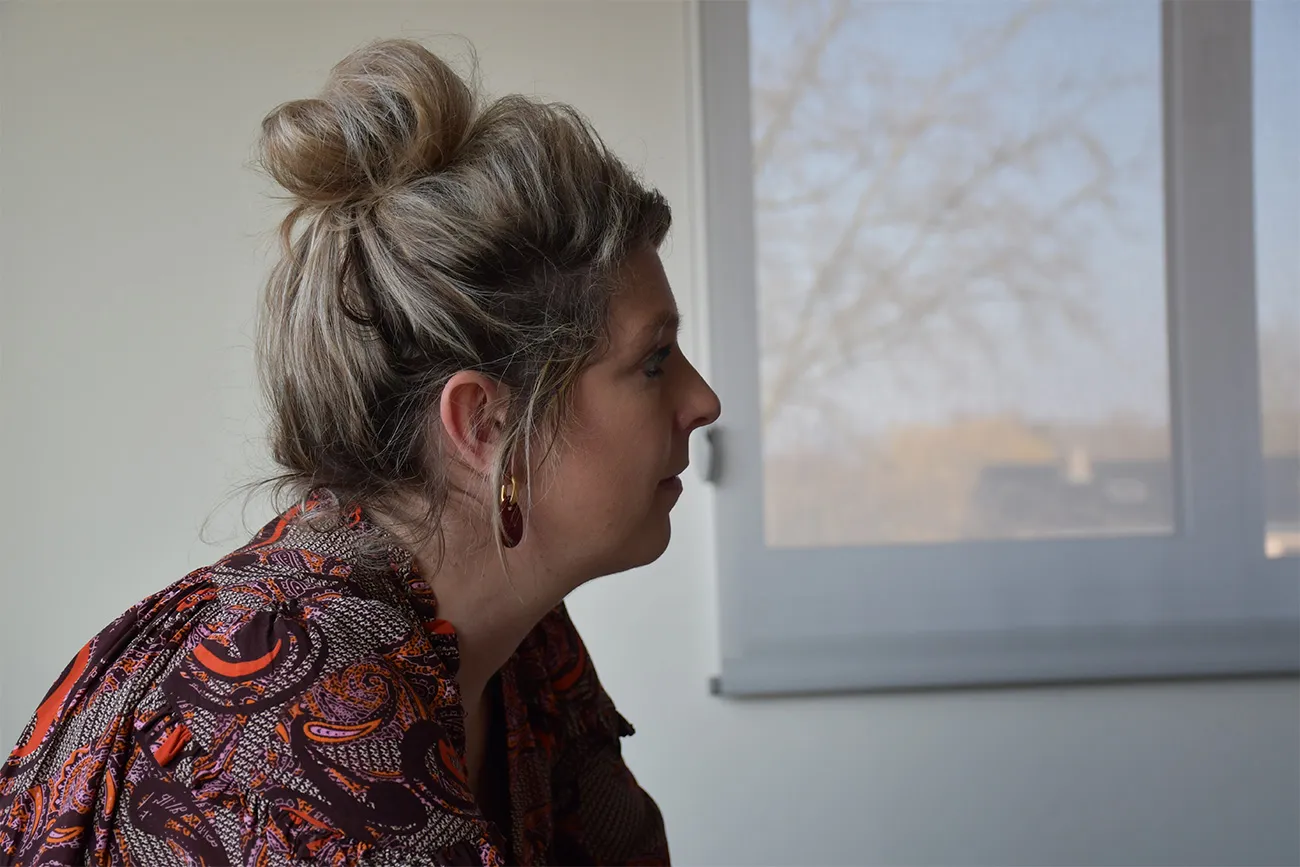
Today, testing can go further than simply establishing whether Listeria monocytogenes is present. Verhaegen: “With whole genome sequencing, the DNA, or passport, of each bacterium can now be fully mapped. This is done as standard for every strain isolated from a sick person. This means that an increasing number of outbreaks involving people infected with the same strain are being identified. Further investigation can make it easier to trace the source. Persistent Listeria strains are often present in food businesses, and can therefore infect people over a longer period. The new analytical technique is helping to unravel the issue further and further. The aim of whole genome sequencing is certainly not to point the finger at food businesses and identify someone to blame, but to improve the control and prevention of pathogens. This allows us to identify sources of contamination and take targeted action.”
A more preventive approach to food safety culture
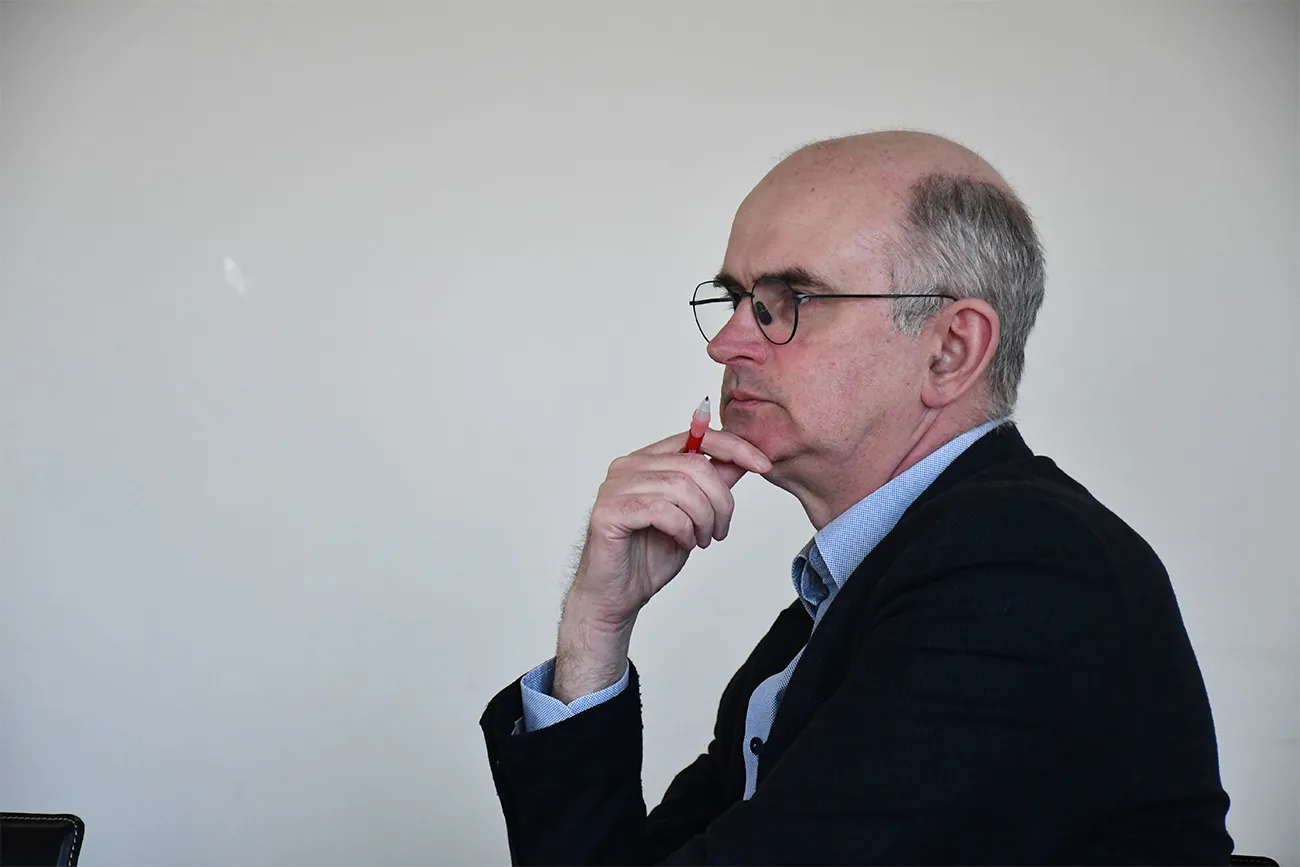
For now, few food businesses are keen to adopt this approach. Burggraaf has noticed this too. “In the Netherlands, it has already led to a court case and the closure of a business. This has made businesses very wary, because whole genome sequencing gives you a kind of fingerprint of Listeria monocytogenes from that specific factory. And it does not lie. If you know there are contamination problems in your production, you simply have to intervene preventively instead of waiting until claims are made. Otherwise, you are negligent. It is as simple as that. The scandal involving Listeria contamination in vegetables a few years ago ultimately led to tens of thousands of tonnes of food being recalled from 108 countries, 70 million in direct losses, a huge amount of stock market value wiped out and nine deaths, because the response was not fast enough. In Europe, one in ten people still become ill from eating food. In America, the figure is as high as 25% of the population. In 2022, surely the food industry should no longer accept that? We need to invest in a food safety culture so that we no longer have to pay for recalls.”
Draw up an action plan for non-conformities
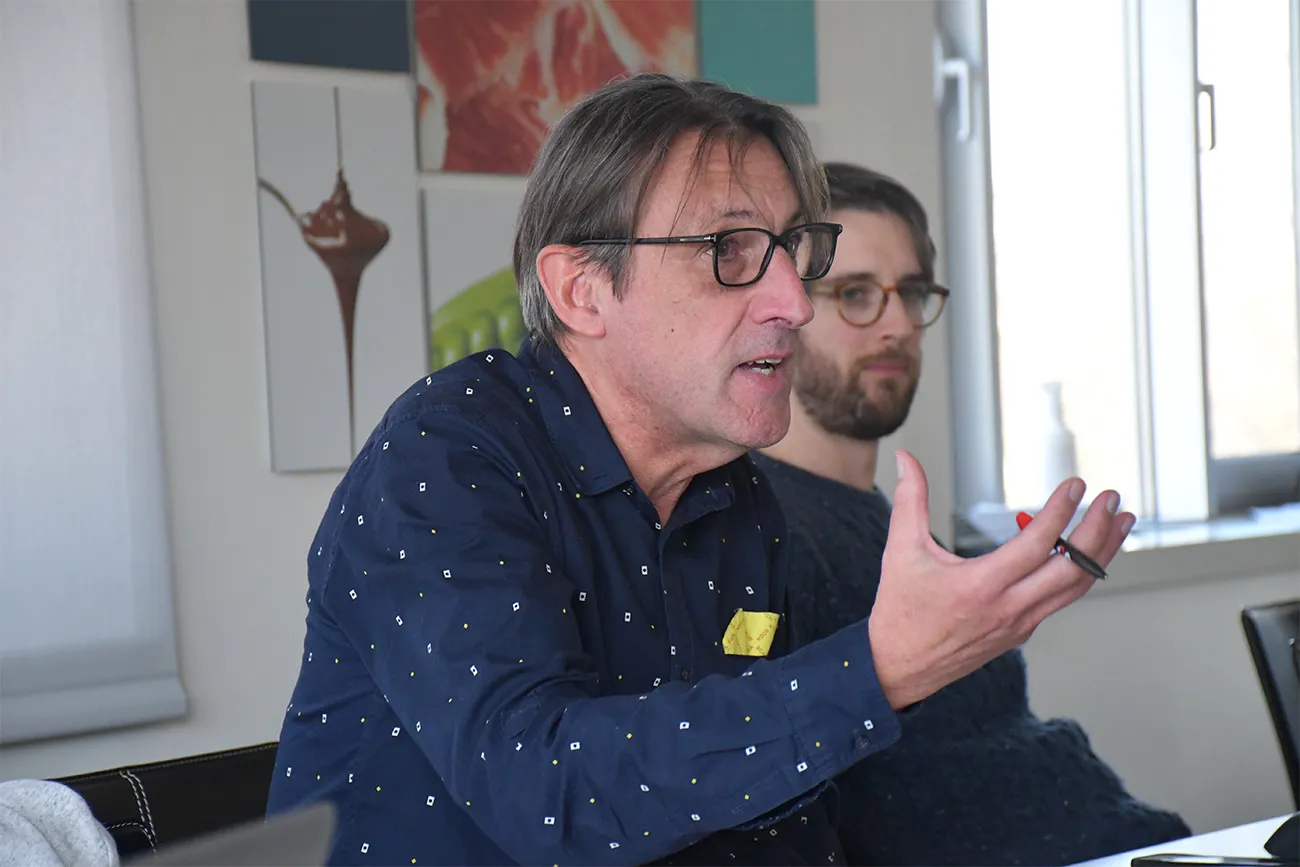
Business closure is, however, only a last resort for the FAVV. “Our inspections are always unannounced. The scope of an inspection can vary: hygienic practices, HACCP, traceability … and it can be supplemented by official sampling. The business is then given a score of 1, 3 or 10 for each question on a checklist. If we identify problems, our first step is to sit down with the business concerned and draw up an action plan. The plan must address all non-conformities. We only proceed to closure if matters get completely out of hand and no substantial steps are taken in the right direction. But we do not take businesses to court. That can only happen if the public prosecutor or the consumer takes matters into their own hands,” Cantaert adds.

Action plan
Combating Listeria therefore starts with a good action plan. However, the legislator does not specify exactly how this should be done. Fevia is therefore currently working on a document, a self-monitoring guide, which will give food businesses a number of practical tools for detecting and tackling Listeria monocytogenes. “50 to 60 samples per month will certainly be the absolute minimum in certain high-risk sectors,” says Hallaert. “With this initiative, we want to help our members develop an active safety culture. We also want to organise more training and education on this subject, because we can see that there is a need for it.” ILVO recommends that Listeria analysis be carried out by an accredited laboratory. “We are working with several food businesses on a project about Listeria contamination. In practice, self-tests often produce a lot of false positives. You really need to know what you are doing to obtain a reliable measurement,” says Lambrecht.
Working together to find solutions
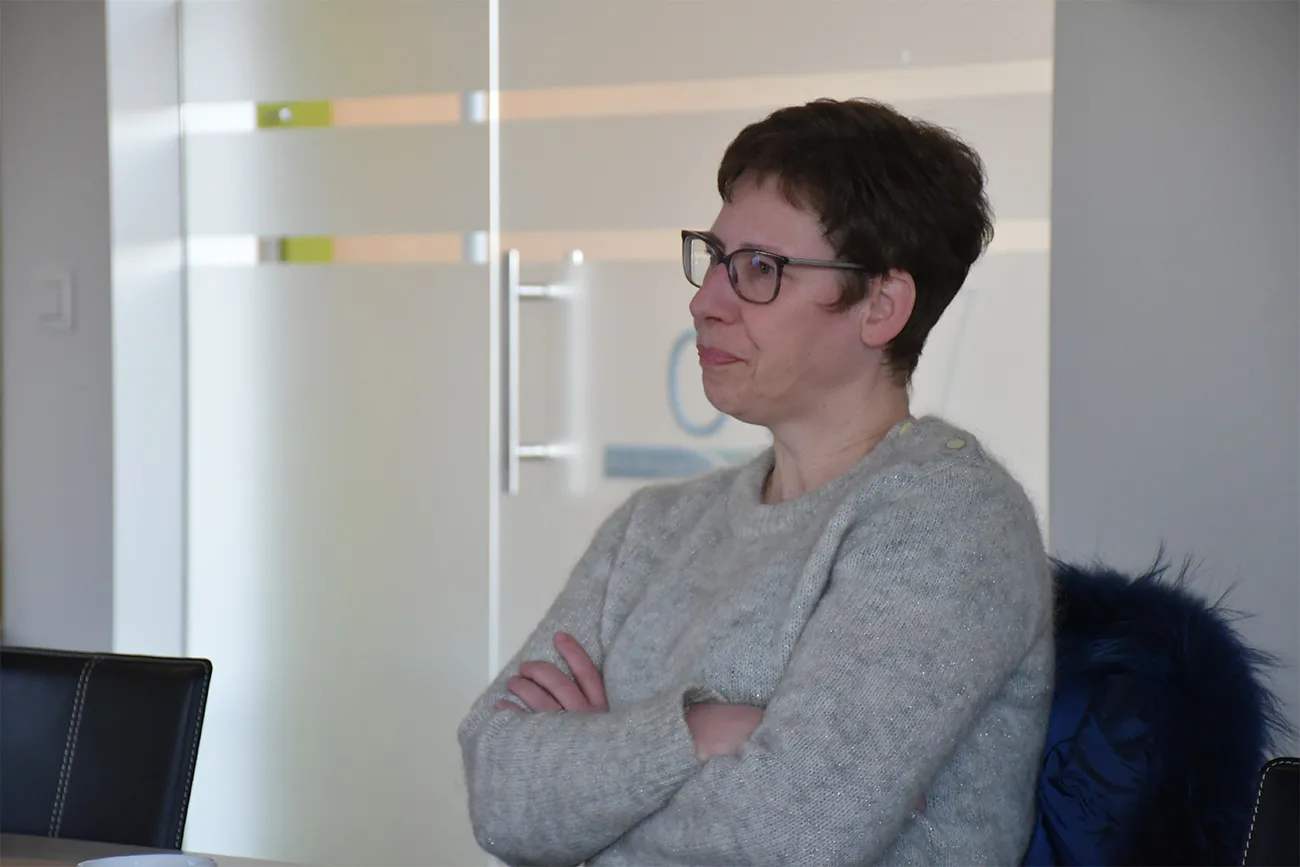
When contamination is detected, cleaning is often seen as the solution. “As a cleaning sector, we are certainly willing to help,” says Buysschaert, “but we cannot do it alone. However thoroughly you clean the surfaces, if you do not tackle the source of the contamination, the problem will keep coming back. You need to bring different partners together to deal with it.” Verbeek agrees. “You can see that the necessary knowledge is not available everywhere. Many food businesses do not know exactly how to deal with this kind of contamination. It is an extremely complex issue, and the risk of Listeria can come from all directions: from raw materials, a non-hygienically designed installation or insufficient awareness of the flow between high- and low-risk zones. Interpreting the results also requires the right knowledge, for example to identify and remedy persistent contamination. This further analysis is still carried out too infrequently today, because of the cost and concerns about the scale of the problem.”
Always go further
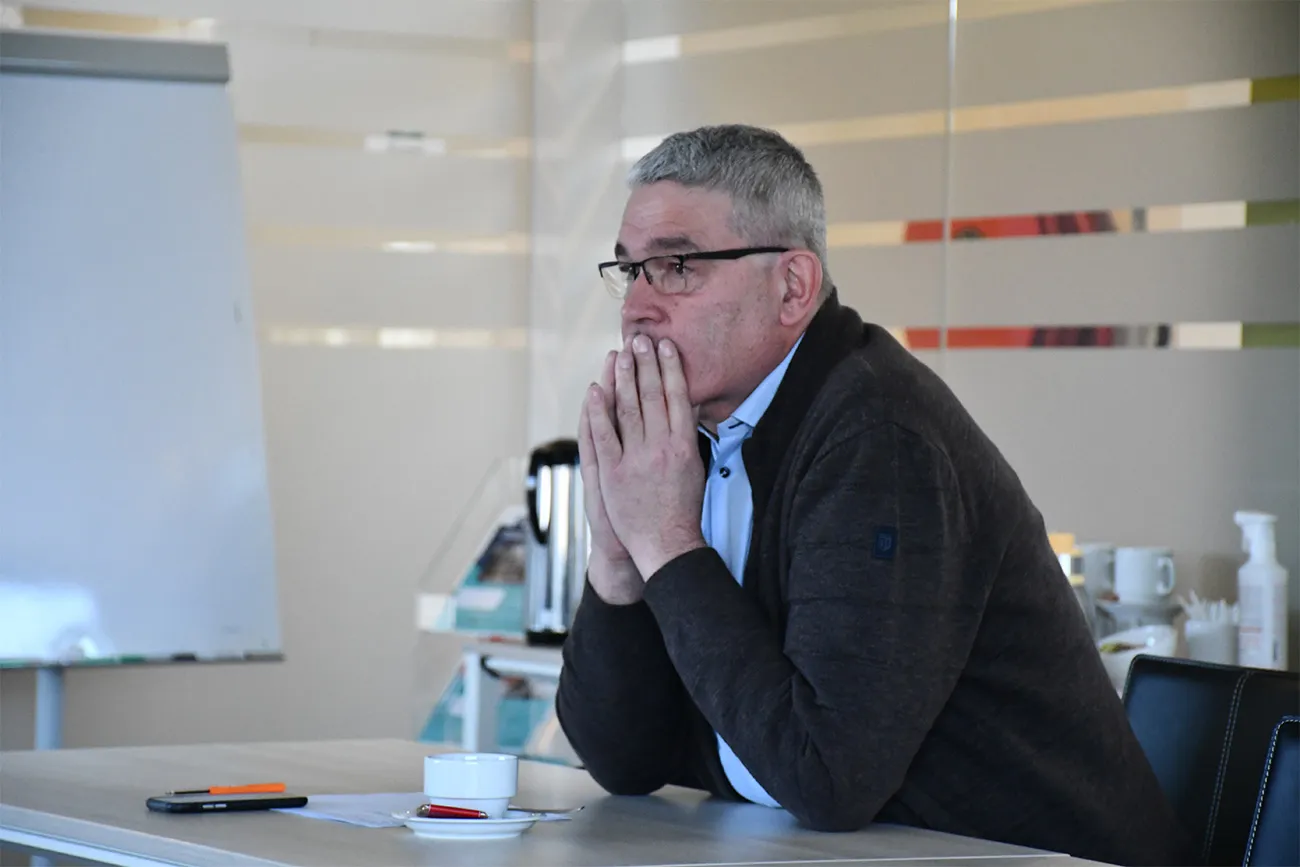
Lambrecht: “Our Listeria support programme has also shown that when Listeria monocytogenes strains are isolated, it is best to establish whether they are resident strains or merely temporary visitors. At ILVO, this is done using simple techniques that do not involve databases.” Buysschaert is also convinced that a comprehensive approach always pays off: “If you can solve a Listeria problem, you indirectly solve many other problems that stand in the way of safe food production.” Today, however, the quality manager still has too many different responsibilities, particularly in smaller food businesses, and is not given the time needed to keep taking the right action and updating procedures. “It does not have to be so difficult. We now have the knowledge and resources to tackle Listeria. It is a question of goodwill and a structured approach. The fact that more and more figures on contamination are emerging should be an incentive for the sector. It should help everyone see why a food safety culture is needed,” Burggraaf stresses. “We are all working towards the same goal: from food businesses to inspection bodies, cleaners to laboratories, research institutes to sector federations. To ensure that a safe product reaches consumers,” Cantaert concludes.
Question about this story? Ask your question
Companies in this story
Keep following this
Get an email when a new story is published. No account needed.
- ThemeFood safety from design to audit
- SubjectFood safety
- CompanyLavetan NV







