












Paper validation versus real-world validation, and what it can deliver
Text Valérie CouplezImage Normec
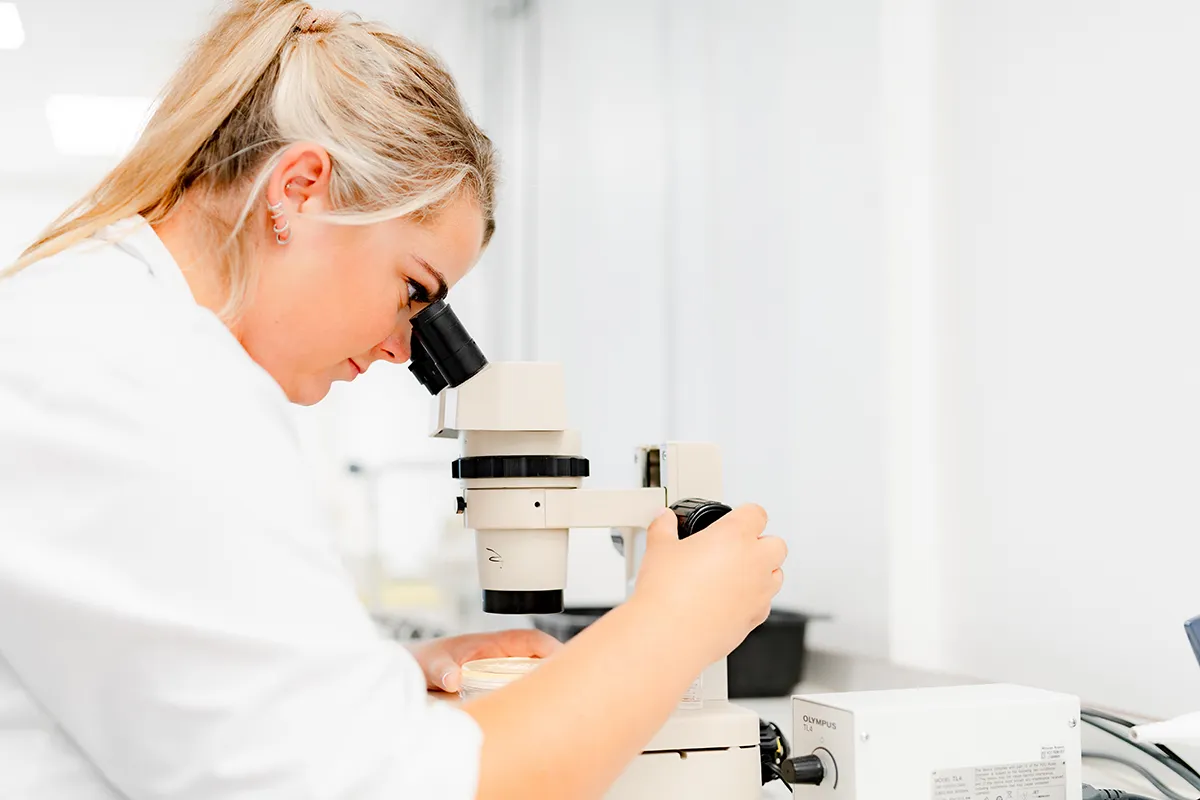
Validating every process step is crucial to ensuring food safety in your production. Today, this is largely done on the basis of scientific literature, meaning assumptions are made rather than testing what actually happens in your process. This can sometimes lead to unexpected outbreaks. BRC and IFS have therefore tightened their requirements to ensure that validation is also demonstrated in practice. But where do you start? With Normec, of course! Technical Director of Microbiology Aldo Evers explains how it works.
The importance of real-world validation, rather than paper validation, is growing. “It is a trend that food businesses will not be able to avoid. There is currently no legal requirement to carry out validation tests in practice. However, they are already mentioned in the requirements of retail chains. Think of BRC and IFS. What is more, Ghent University is currently working on a research model to develop a method for calculating risks. Once that exists, the legislator will also introduce new requirements,” Evers predicts.
Taking a critical look at results
Normec has already built up considerable experience with validation tests. “Usually, this is when an outbreak occurs at a customer’s site and they cannot explain it. But often, you have already received enough warning signs beforehand. You simply need to be prepared to look critically at your results. If bacteria are still present after a pasteurisation step, this could be due to an error during sampling or in the laboratory. If this happens consistently, there is more to it. For example, dead volume may remain in your complex pipework. If you come close to killing off the organism but do not quite succeed, it can sometimes adapt over time. There is already a great deal of scientific literature on this.”
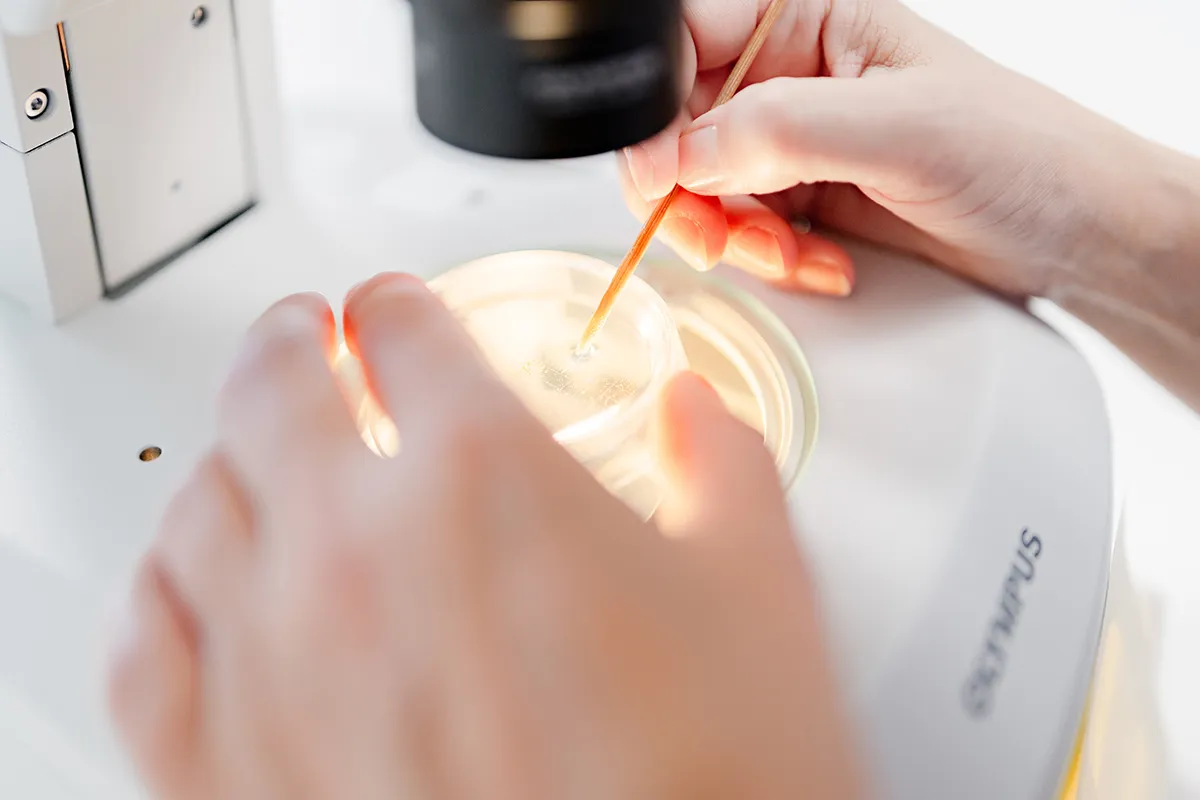
Replicating the process
Practical tests can tell you far more than paper validation. But how should you go about it? “Ideally, you do not want to carry out these validation tests in your own factory. We manage to avoid that in 95% of cases by replicating the process in the laboratory under the same conditions and in the same quantities.” For the past three years, Normec has had a dedicated laboratory for this type of project, where it has recreated a pilot plant. “The strength lies above all in combining our laboratory with our people. A task force of laboratory technicians, process technologists and quality consultants works best. What assumptions were made during paper validation? How can we best simulate that in practice? Bringing all the pieces of the puzzle together produces the best results. In the exceptional cases where we do test in the customer’s production facility, we often use a surrogate organism. Enterococci, for example, respond in the same way as salmonella, but are not as dangerous.”
Relevant insights
But what insights does this provide? Evers gives the example of UV tunnels. “On paper, they work perfectly if your packaging stays in the tunnel long enough. In practice, however, there can be shaded areas where UV light cannot exert its disinfecting effect. Interesting data always emerge that can help make your production process safer. That is what it is all about.”
Taking an honest look at challenge tests, too
In this context, Evers also likes to point out how challenge tests go hand in hand with practical validation tests. “As consumers, we want clean-label products. That means less fat, salt and E numbers, but these help prevent bacteria from growing. If you change the recipe, it is therefore a good idea to carry out another challenge test, just as you would for new products. This investigates the extent to which a microorganism can grow in your product, in order to substantiate its shelf life. This is already done for Listeria monocytogenes, but the scope could certainly be extended. We are seeing Bacillus cereus emerging in more and more food businesses.” But even with challenge tests, it is important to be honest about what really happens to your product. “Temperature assumptions for storage, retail and the consumer’s home do not always match reality. For example, they do not take into account the journey from the shop to the fridge at home. If you start from real-world conditions, you can still adjust your packaging or gas flushing to guarantee the same shelf life, rather than risk a recall.”
Een zakelijke vraag aan Normec Foodcare BV? Get in touch
Companies in this story
Keep following this
Get an email when a new story is published. No account needed.
- SubjectFood safety
- CompanyNormec Foodcare BV







