












Post-treatment of stainless steel for optimum hygiene
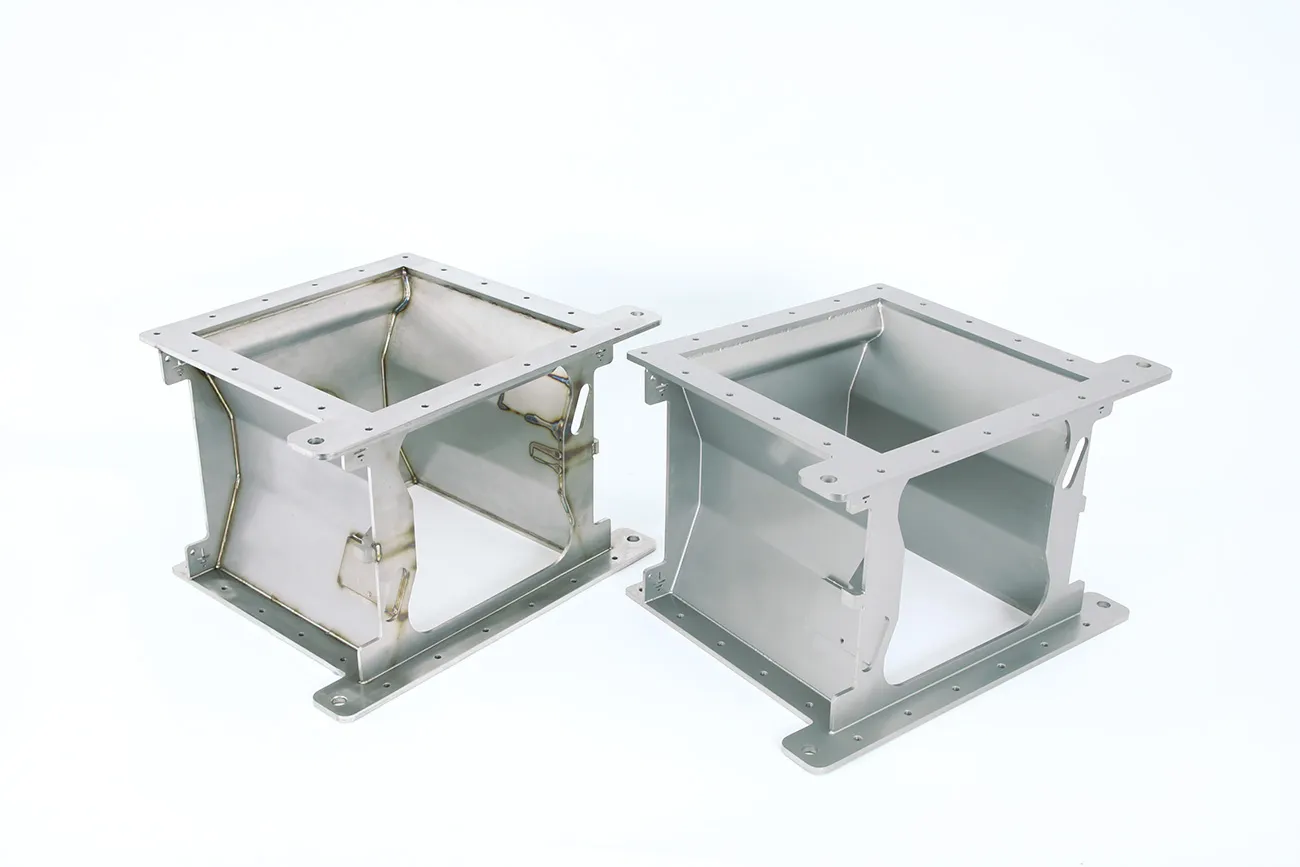
PureFinish is a post-treatment technique developed by Rösler Benelux in Oss. It gives stainless steel surfaces a low, reproducible SRI value of less than 0.010. In practice, this means low levels of contaminant adhesion and effective cleanability. The process offers particular potential in the pharmaceutical and food industries, where hygiene requirements are especially stringent.
Optimum hygiene is the top priority in the food and pharmaceutical industries. Contamination, whether by bacteria, proteins or other substances, must therefore be prevented as far as possible. Where it cannot be avoided, contaminants must be removed quickly and efficiently. In addition to an optimum process plant design, this requires a defined, homogeneous and reproducible surface structure on all components that come into direct contact with the process streams. The PureFinish process from Rösler offers interesting possibilities in this respect.
Vibratory finishing and wet blasting
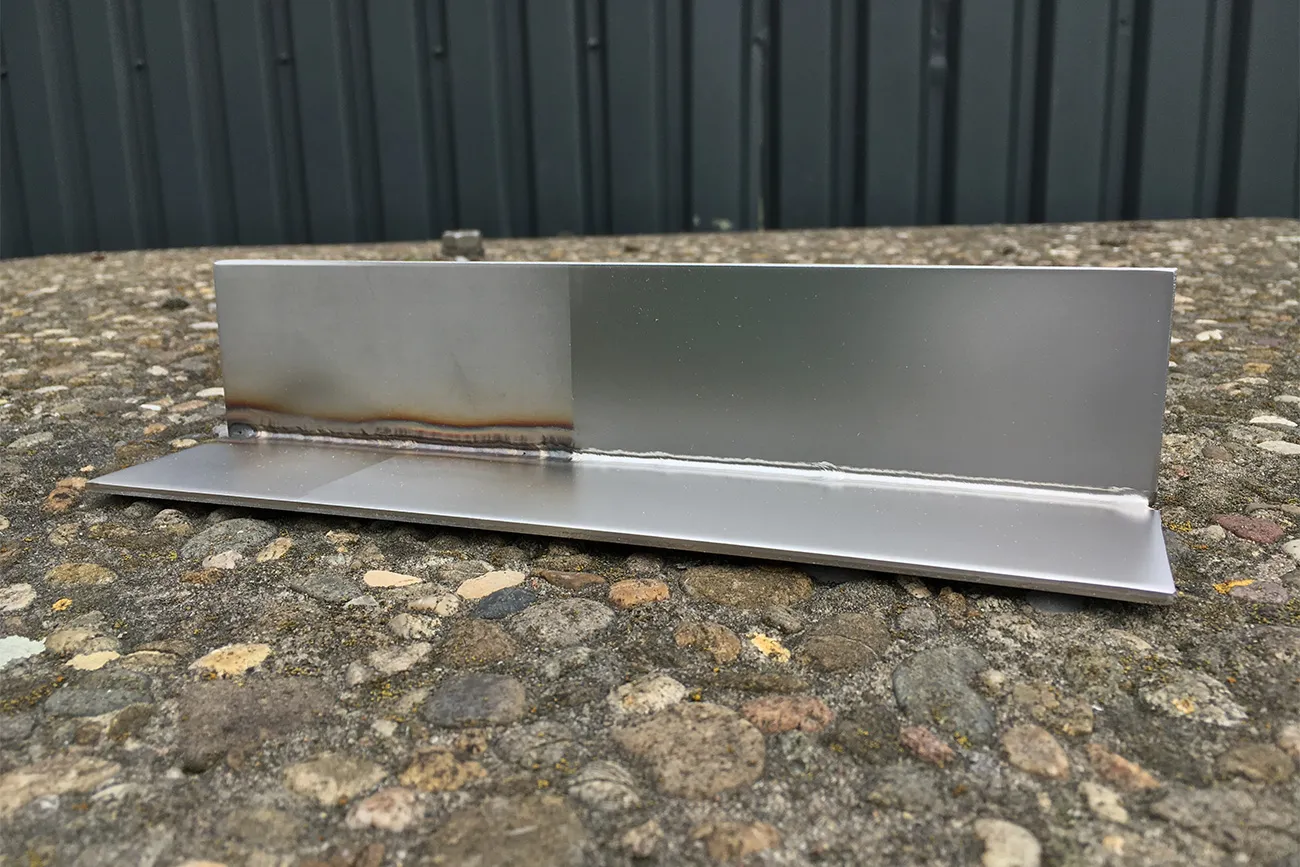
PureFinish is an environmentally friendly wet blasting process in which a medium suspended in water is propelled at a surface. Key blasting parameters include pressure, material type, and particle size and shape. Drawing on 40 years of experience in wet blasting and vibratory finishing, Rösler Benelux knows which process parameters to use to achieve a PureFinish surface. As well as the wet blasting option, Rösler Benelux has developed a drum application for smaller components, using vibratory finishing technology. During vibratory finishing, polishing media move over the product in a sliding and grinding action. This process also delivers a high degree of homogeneity and reproducibility.
TNO results confirm performance
The PureFinish process has now been extensively tested by TNO. Particular attention was paid to the SRI value, or Soil Retention Index, which measures how much soil remains on a material. In practice, this parameter has been shown to provide the most direct indication of the relationship between surface structure, contamination and cleanability. A low SRI indicates a low level of contamination. The Ra value has proved too limited on its own, as it provides only an average roughness value and says nothing about variations in peaks and valleys across the surface. The SRI calculation takes account of the Sa value (a 3D surface roughness measurement), as well as peak count (Pc) and waviness (Mr2). The lower the SRI, the less contamination remains and the lower the shear forces required to clean the surface. The latter is important for ensuring effective cleaning during cleaning-in-place (CIP) procedures. TNO’s measurements gave the wet blasting process an SRI of 0.010, while the vibratory finishing process achieved 0.008. In this respect, PureFinish performs as well as, or considerably better than, other companies’ wet blasting processes with an established benchmark of SRI 0.020. These convincing figures underline the potential of the PureFinish process. Depending on the products being processed, the Ra value is between 0.30 and 0.55 µm, also meeting the current EHEDG requirement of < 0.8.
Minimal residue
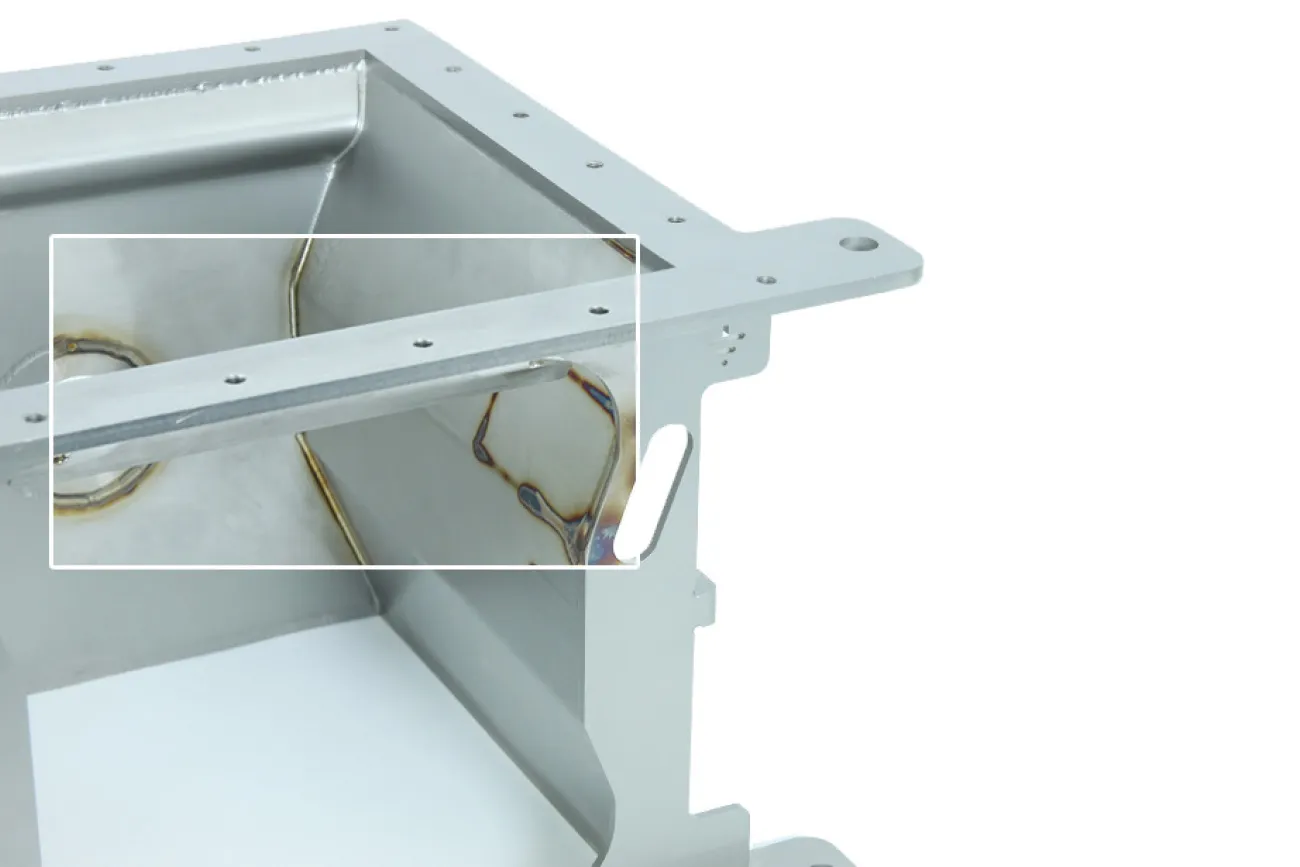
The PureFinish process developed by Rösler Benelux produces a better surface structure, with a much lower SRI than dry blasting, which inevitably leaves some blasting media residue in the surface. In the PureFinish process, the water film effectively protects the surface being treated against excessive impact from abrasive particles (the blasting media). This minimises the amount of particles left in the material.
Open process
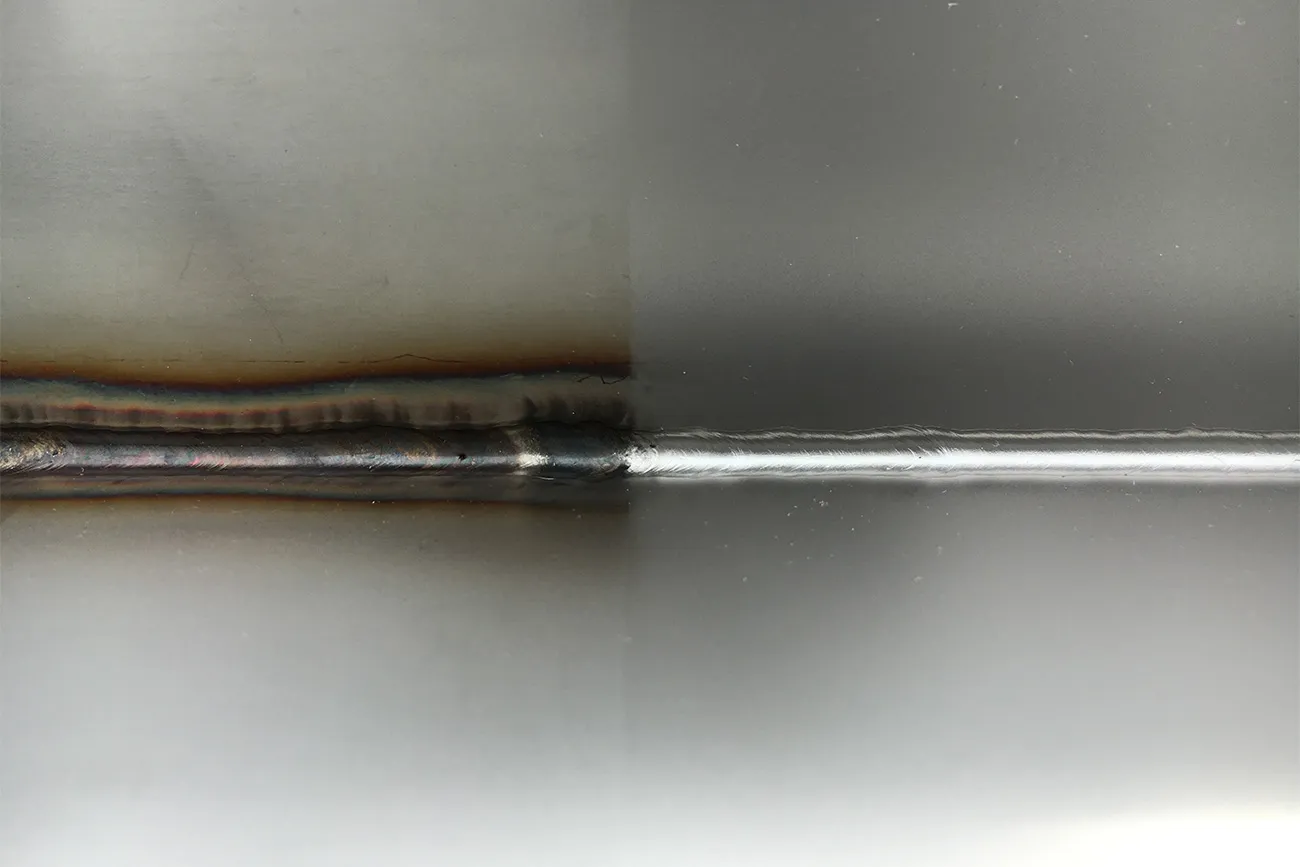
Rösler Benelux has developed special process media for PureFinish treatment. The mix ratio can be monitored and adjusted during operation, either manually or automatically. The process media can be recycled and returned to the system to maintain consistent quality and limit consumption. The appeal of the PureFinish process is that users can directly see how the process is progressing by selecting the process parameters. This allows the end result to be precisely tailored to requirements. Unlike other processes, it is therefore open and transparent. Rösler, the manufacturer of equipment for the PureFinish process, offers both blasting and vibratory finishing systems. These systems can also be easily integrated into existing production lines or automated using robots and/or conveyor systems.
Finishing stainless steel in-house
At the Rösler Benelux test laboratory in Oss, all the necessary preliminary trials are carried out to identify the optimum parameters. This includes the process design, blasting and vibratory finishing media, and process parameters in relation to the component and the requirements it must meet under the given process conditions. This offers excellent opportunities to retain control over the choice of finishing process. This new development means companies can now finish stainless steel in-house using a PureFinish installation from Rösler.
Question about this story? Ask your question
Keep following this
Get an email when a new story is published. No account needed.
- ThemeFood safety from design to audit
- SubjectFood safety







