












Safe, efficient and sustainable
Text and images Christeyns
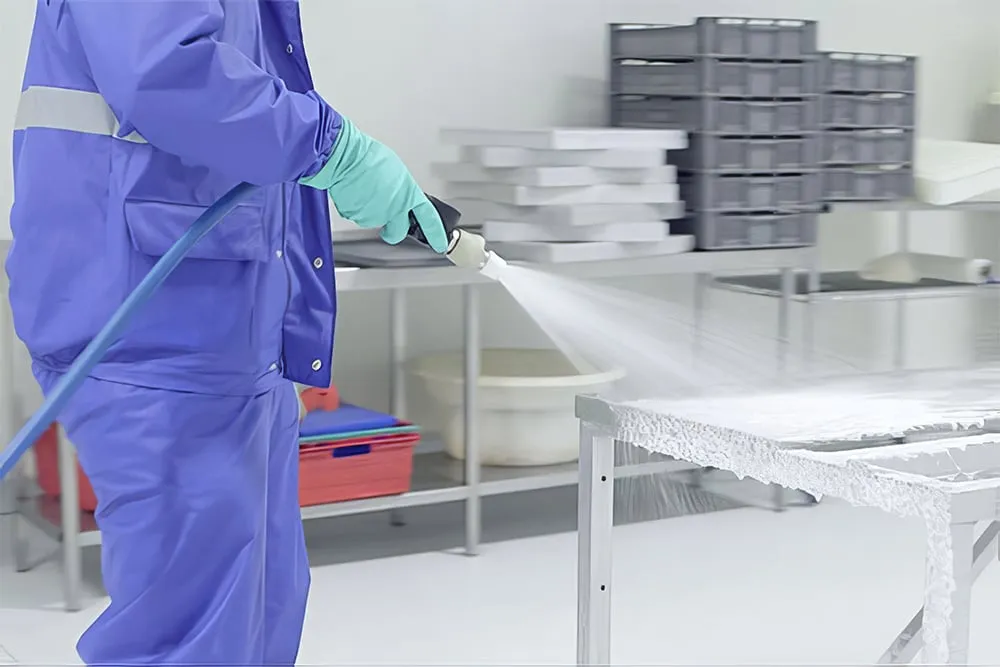
Enzymatic cleaning agents: an innovative alternative
Christeyns continues to develop hygiene products. New technologies such as enzymes can offer an interesting alternative, improving safety, efficiency and sustainability. Thanks to the wide range of enzymes available at industrial scale and the specificity of the reactions they catalyse, enzymes are now widely used. In the food industry, they deliver excellent results in removing biofilms and allergens.
Enzymes are proteins that act as biocatalysts, speeding up certain chemical reactions such as the hydrolysis of biomolecules. Enzymes are not new. The laundry sector has more than 30 years’ experience of using enzymatic detergents, with positive results in terms of efficiency, soil removal and process sustainability. Enzymes have made it possible to reduce cleaning time and temperature. The situation in the food industry is different. For now, enzymatic detergents are reserved for specific applications such as biofilm or allergen removal and membrane cleaning.
Biofilm removal
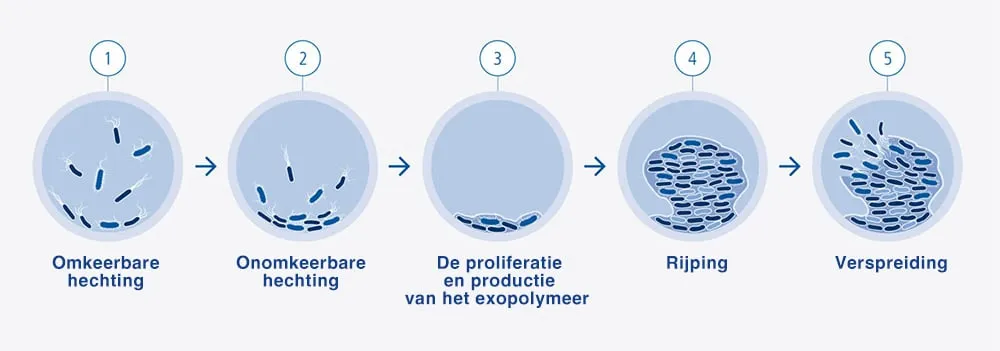
Biofilms are microbial structures that form on surfaces when microorganisms attach themselves, start to cluster and multiply, and secrete extracellular polymeric substances (EPS). These substances make the microorganisms adhere to each other and to the surface, and also form a protective layer against external physical and chemical agents, making them difficult to remove. Enzymatic detergents contain a combination of enzymes that break down the EPS matrix of biofilms, allowing a disinfectant to reach them, act on them and eliminate them. They are also neutral cleaners, do not damage surfaces and are safer for operators. They are biodegradable and leave no residues. They are generally used at temperatures between 45 and 55 °C, with the same foam-generating equipment or CIP systems as conventional cleaning agents. Some, however, also work at 20 °C. Application temperature is crucial: above 55 °C, the enzymes break down and stop working. At too low a temperature, performance decreases. Depending on the treatment required, a preventive or shock protocol can be selected. This affects the choice of products, concentrations and frequency.
Allergen removal
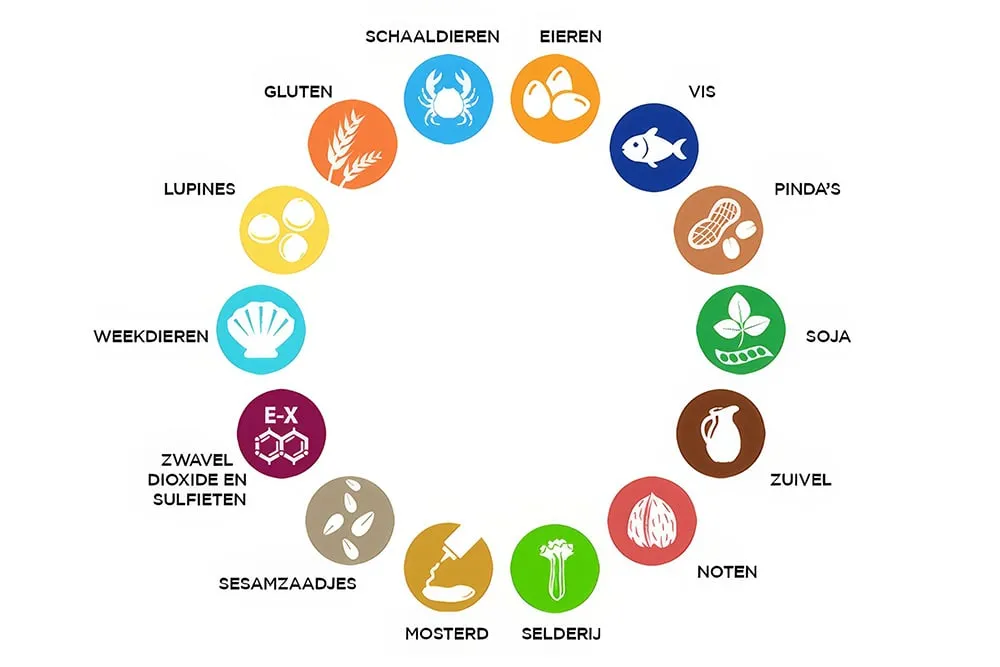
Allergens are proteins found in various foods that trigger a reaction in the immune system of consumers who are allergic to them. The presence of allergens in food and their declaration are currently regulated by the EU (Regulation (EU) 1169/2011). Annex II to this regulation lists the 14 main food allergens. Traces of these substances in a product can trigger an immune response in an affected person. Therefore, undeclared allergens should be entirely absent from food products. This can only be guaranteed by using dedicated production lines and avoiding cross-contamination. Enzymes can also make a significant contribution in these cases. Allergens are proteins and can therefore be broken down by enzymes, increasing the allergen removal efficiency of detergents. It is always necessary to check that allergens are absent from the protected area when products are changed. In the food industry, enzymatic cleaning agents improve the safety of the end product by helping to prevent biofilms and allergens effectively and in an environmentally friendly way.
Membrane cleaning
Membranes are semi-permeable, selective barriers to the passage of various substances. They need to be conditioned periodically to remove soil from both their surface and the inside of their porous structure, restoring their properties. Cleaning UF membranes, for example, is an important step in the overall production process in the food industry. Using enzymatic products to clean membranes is a suitable, less aggressive option compared with other types of products, thanks to their natural properties. They do not require high temperatures and work at a milder pH, resulting in lower energy consumption and minimal environmental impact.
Conclusion
Efficiency, green alternatives and affordability are what the food industry seeks in its cleaning protocols. Enzymatic products fit the bill perfectly. In addition to the applications described, this type of product is also suitable for general cleaning tasks in the food industry, removing soil from different types of surfaces in production plants.
Een zakelijke vraag aan Christeyns NV? Get in touch
Companies in this story
Keep following this
Get an email when a new story is published. No account needed.
- ThemeFood safety from design to audit
- SubjectFood safety
- CompanyChristeyns NV







