












‘Safety First’ for people and machinery in the food industry.
Text Johan DebaereImage Nederman
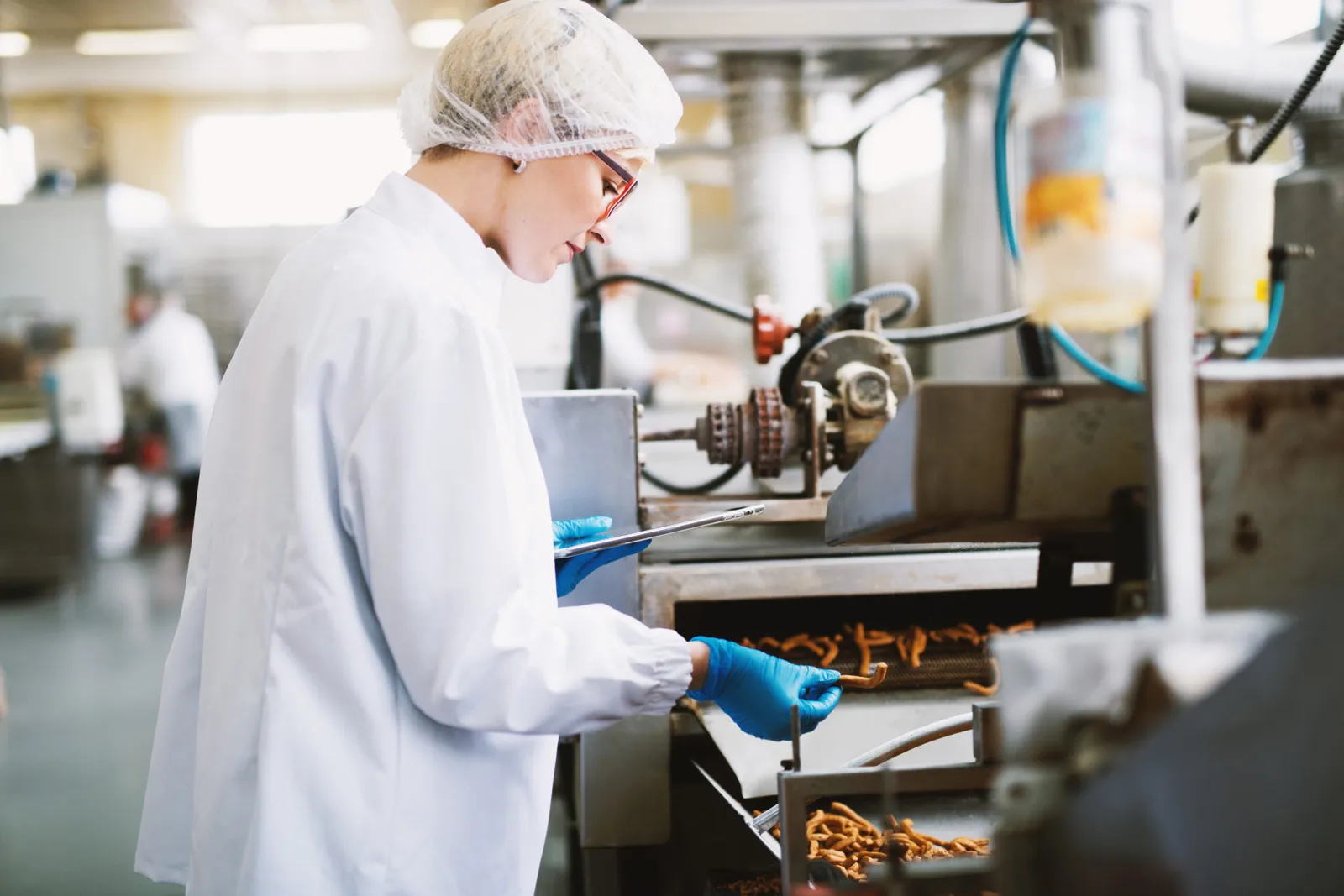
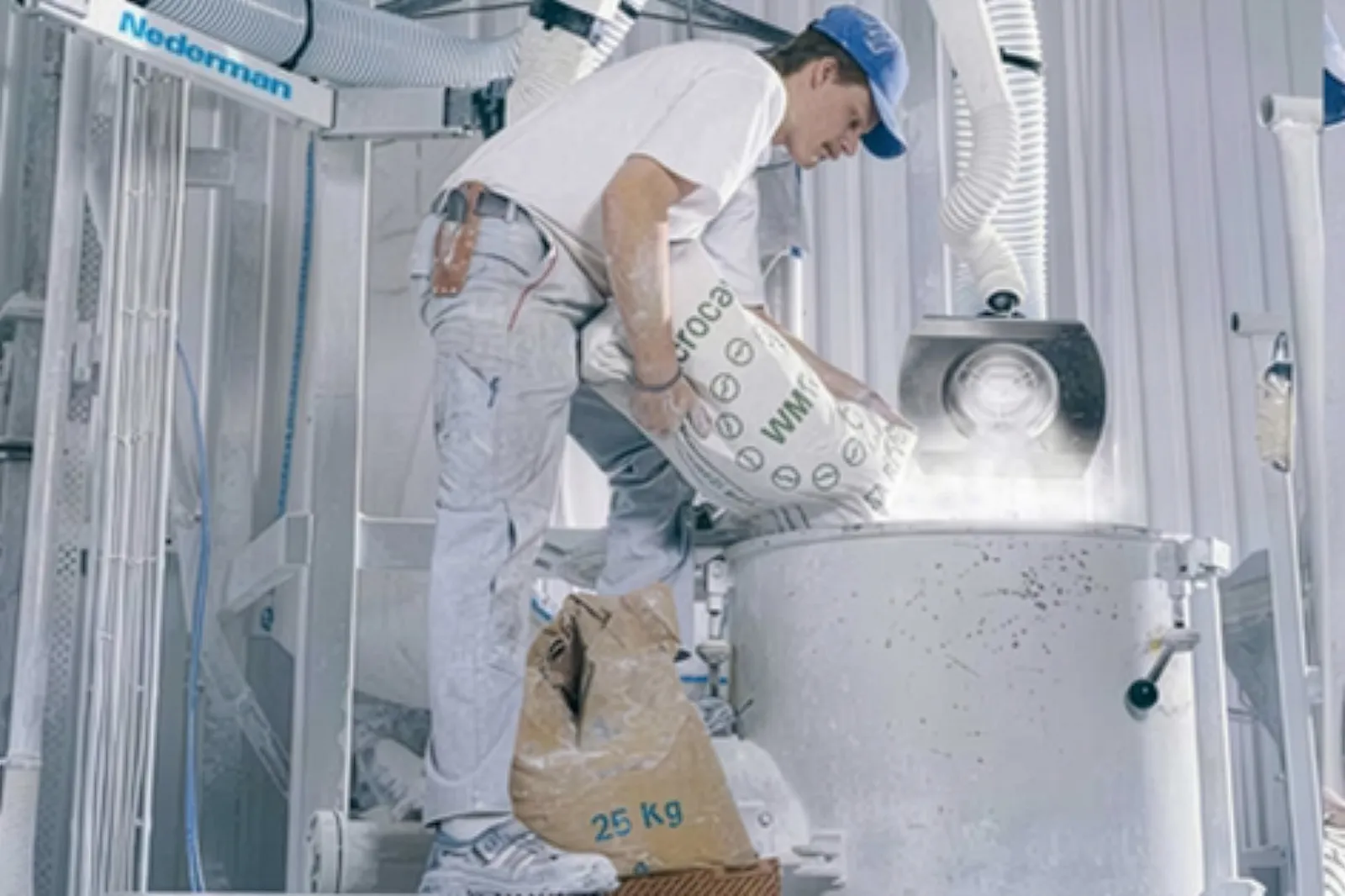
As in other production environments, the food industry also presents certain risks to workers and the environment. Two key hazards are poor hygiene and combustible dust. If these are not addressed properly, they can have serious consequences for people, machinery and the surrounding area. Large quantities of combustible dust increase the risk of fire or explosions. Nederman offers solutions to collect, contain and control dust efficiently: dust extraction systems, extraction arms and hoods, and explosion protection systems, all ATEX-compliant.
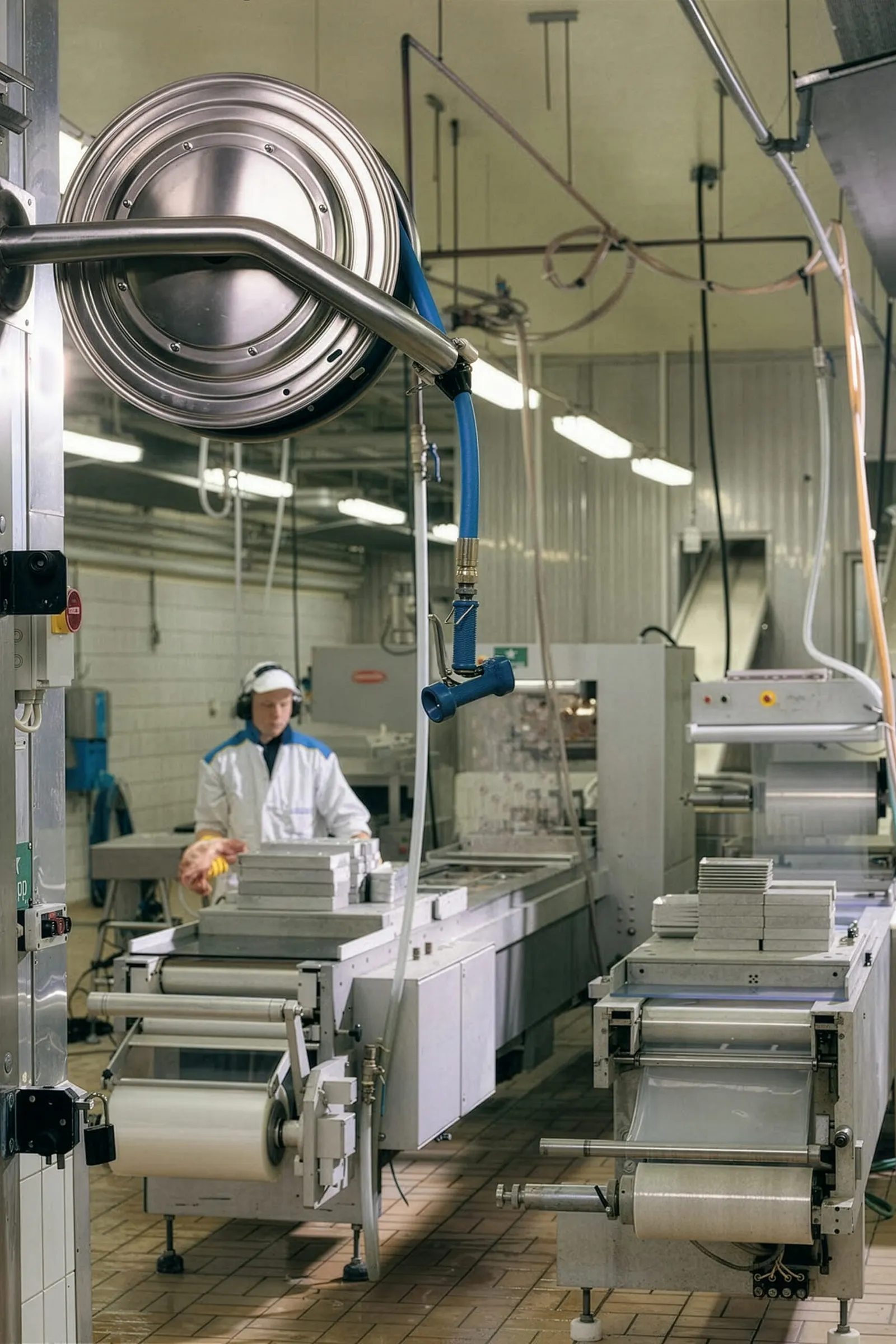
Studies over the years have shown that workers are more productive in the cleanest conditions. They enjoy working there more, but, above all, it is much healthier. This also applies to the food sector, where poor hygiene and the presence of combustible dust pose a danger to the wellbeing of people, machinery and the environment. Good hygiene is essential to prevent the spread of disease and infection. Production companies must therefore implement appropriate procedures and practices, including regular cleaning and disinfection of equipment and surfaces, and the correct storage and handling of raw materials and finished products.
The right solutions to protect against dust explosions
“Food processing companies generate large quantities of combustible dust. Think flour, sugar, cocoa powder and various other food powders. If it is not removed properly, there is a risk of fire and explosions. When combustible dust is suspended in the air or dispersed in a dust collector or enclosed processing area and then comes into contact with a spark or flame, a dust explosion can occur.
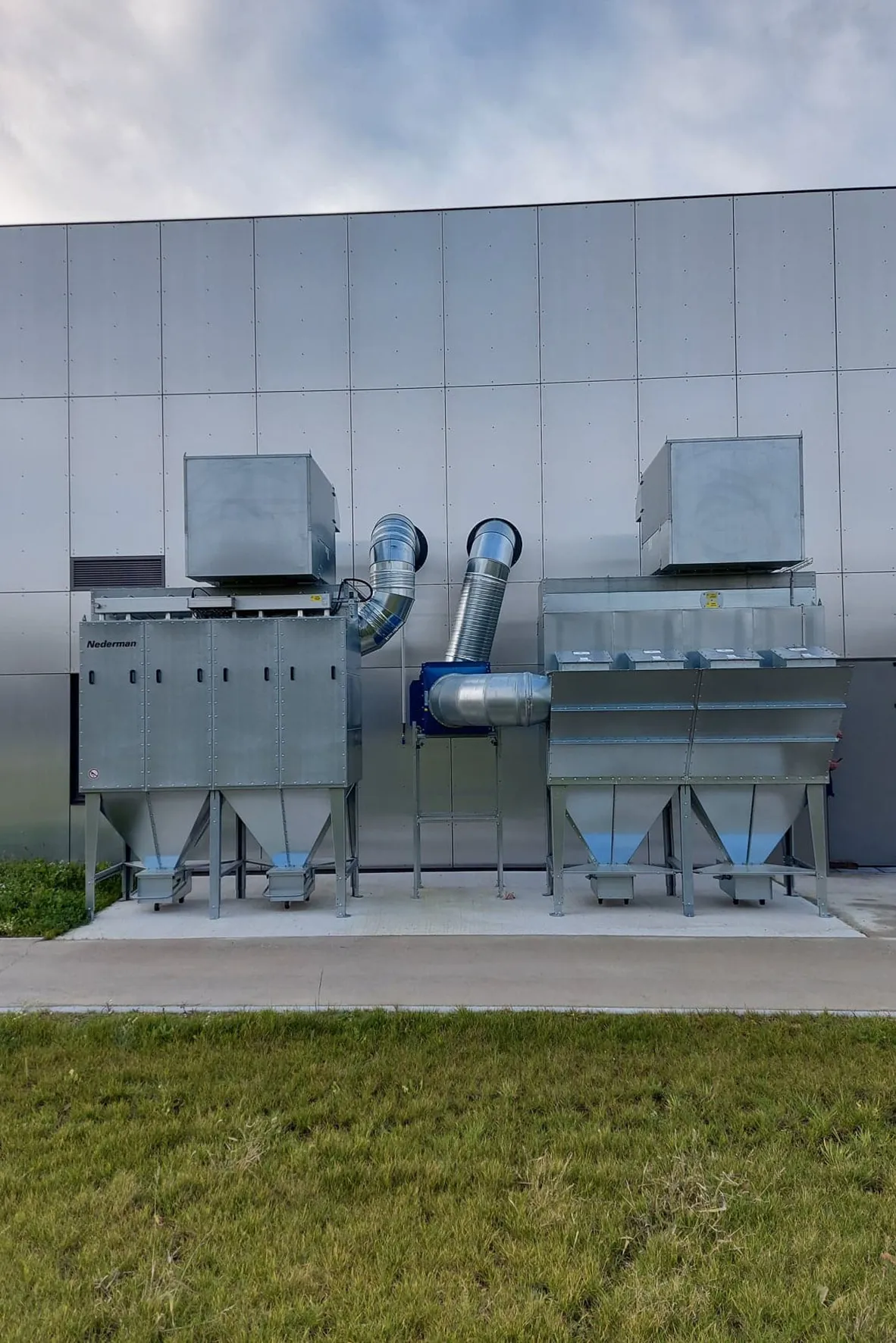
This can result in loss of life, serious injuries and damage to machinery and buildings,” says Gunther Maes, sales manager at Nederman. “For more than 80 years, we have been a leading developer and supplier of products and systems for extracting these hazardous substances in various sectors. We therefore have the right solutions to collect, contain and control dust in the food sector efficiently, always in compliance with hygiene and ATEX requirements and with AN, ATEX and NFPA standards. We offer a suitable dust extraction system for every application: stationary low-vacuum solutions, such as the MCP-, LBR-, LCP-, MEP- and LBP-SmartFilter, the MJC Mini and Filter, the automatic M-Filter and the S-Filters, …, as well as fixed high-vacuum systems (L-PAK, PAK-M, FlexPAK or FlexFilter), mobile dust extractors and industrial ATEX vacuum cleaners.” Nederman also supplies extraction arms and hoods, which remove dust directly at the source, and therefore at specific workstations. Finally, it offers complete explosion protection systems, which typically include explosion vents, isolation valves, emergency shut-off valves, rotary airlocks, flameless venting, spark detection and extinguishing systems, and chemical isolation and suppression systems.
From A to Z
At Nederman, the aim is to take the burden off customers completely. The company takes full responsibility for every project, covering design, engineering, production, installation, commissioning and maintenance. “Reliable operation depends on product quality, perfect installation and regular, thorough maintenance. Our ‘smart’ systems also help save energy, automate cleaning processes, improve operational efficiency and provide real-time monitoring for optimal facilities management,” Maes concludes. “Managing combustible dust in food processing companies is no easy task, but our solutions, combined with comprehensive operator training and the implementation of monitoring, can reduce the risk of fire and explosions and ensure the safety of people, machinery and the surrounding area.”
A business enquiry for Nederman? Get in touch
Companies in this story
Keep following this
Get an email when a new story is published. No account needed.
- ThemeFood safety from design to audit
- SubjectFood safety
- CompanyNederman







