












Supplier audits: From administrative ‘tick-box exercise’ to strategic management tool
Text and images Mérieux NutriSciences Expert Partners
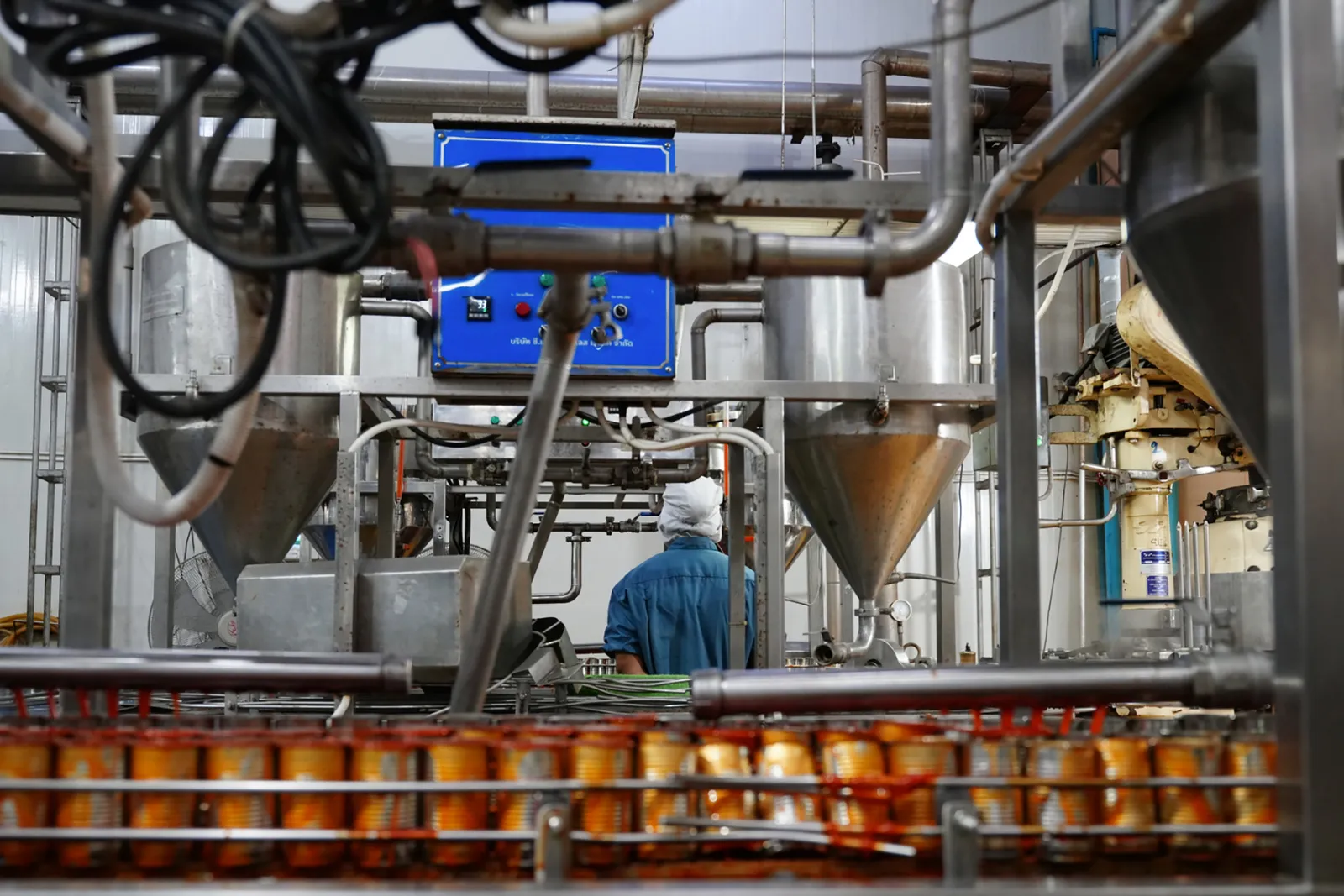
It is a familiar scenario for many quality managers: their inbox fills up with certificates of analysis (CoAs) and completed questionnaires. On paper, everything seems under control, but one nagging question remains: ‘Do we really know what is happening on our supplier’s shop floor?’ In a world where supply chain transparency and food safety culture are the norm, simply ticking off compliance checklists is no longer enough. Supplier audits are as relevant as ever, but they now play a new role: as a strategic tool for brand protection.
Many companies in the food industry rely heavily on suppliers’ paperwork for approval. Although CoAs and GFSI certificates are important prerequisites, they are only snapshots. They tell us little about day-to-day discipline, the condition of the premises or how employees behave when no auditor is watching. This is where the strength of an on-site supplier audit lies. It enables you to look beyond the documentation. What happens at critical points in production? How does the supplier deal with deviations? Talking to production staff gives you a feel for the real food safety culture. This is not an unnecessary luxury, but a necessity if you are to eliminate risks in the supply chain before they reach your own processes.
Compliance+ as an ambition
At Mérieux NutriSciences | Expert Partners, we often talk about ‘Compliance+’. This means that legislation, such as NVWA Informatieblad 64, is not the end goal, but the foundation. An audit based on the Compliance+ philosophy is not just about checking, it is also constructive. It is a dialogue between partners. Audits often bring to light issues that go undiscussed over email. These might include ambiguities in monitoring plans or complex regulatory questions. By talking things through in person, you build the relationship and mutual trust directly. This trust is crucial if an incident does occur: you know exactly who is at the other end of the line and how their systems work.

A guide through a complex supply chain
In-depth audits require specific expertise and time, both of which are scarce resources in many QA teams. Suppliers are also often spread across Europe. Outsourcing these audits to an independent strategic partner offers a solution. An external auditor brings not only objectivity, but also insights from across the sector. The result is an audit report that is more than a list of areas for improvement: it is risk-based advice that helps shape your procurement strategy and quality assurance.
Conclusion
Supplier audits are a mirror of your supply chain management. Those willing to invest in in-depth assessments at source gain more than compliance. They gain continuity, brand protection and the assurance that they can deliver on their promise to consumers. In a world full of noise, the on-site audit is the filter that reveals what is really happening. Would you like to take your supplier management to a strategic level? Our experts are happy to help you navigate the complexities of supply chain assurance.

Een zakelijke vraag aan Mérieux NutriSciences | Expert Partners? Get in touch
Companies in this story

Keep following this
Get an email when a new story is published. No account needed.
- ThemeFood safety from design to audit
- SubjectFood safety
- CompanyMérieux NutriSciences | Expert Partners







