












Taking hygiene to the next level

Hygiene, hygiene, hygiene: it is what food production is all about. But maintaining hygiene standards is no easy task in an industry that is constantly evolving. Larger-scale operations, innovative processes, new regulations, a wider product range, improved efficiency … The food industry is seeing significant investment, which also presents opportunities to take hygiene to the next level. To bring companies up to date on the key developments in this area, Agoria, Flanders’ FOOD and EHEDG België organised the Hygiene for Food event in September. The seventh edition took place at Bluepoint Antwerpen.
With its Green Deal and Farm to Fork Strategy, Europe is following a clear path to secure its future as a continent. Specifications are setting increasingly stringent requirements. This is pushing the ‘hygiene bar’ very high for food businesses. Cleaning and production processes must become more sustainable and efficient, and product quality must be better assured … in order to remain competitive. Alongside an appropriate food safety management system, good practices in cleaning and maintenance, targeted hygiene monitoring and an effective approach to contamination problems are required. Continuous improvement of production lines, the environment and processes must further pave the way towards a permanently hygienic factory, where operational excellence and a sustainable agri-food system become a reality.
Towards a food safety culture
With an extensive seminar programme, Hygiene for Food addressed the many hygiene challenges facing food businesses today. It explored innovations and research findings that are helping to steer the sector in the right direction. This edition also focused on the workplace culture of food businesses. Various authorities expect food businesses to foster a food safety culture throughout the company, from management to shop-floor workers. For this reason, a C-level lunch session for companies was organised for the first time. Attendees were able to discuss food safety culture with other business leaders.
Bridging theory and practice
Knowledge of new regulations, research findings and innovations is essential to improving hygiene. But so is networking. How do you put that knowledge into practice? And how do you find the right partners? Bringing together professionals from industry, academia and government is the only way to achieve ‘World Class Hygiene in Food Production’. This was the aim of the Inspiration Village, which participants at Hygiene for Food could visit throughout the event. There, they could discover providers of new trends and products in cleaning and hygiene. During a guided tour, around 18 practical examples were presented to participants. Here are a few of them.
Efficiently separating large volumes of waste
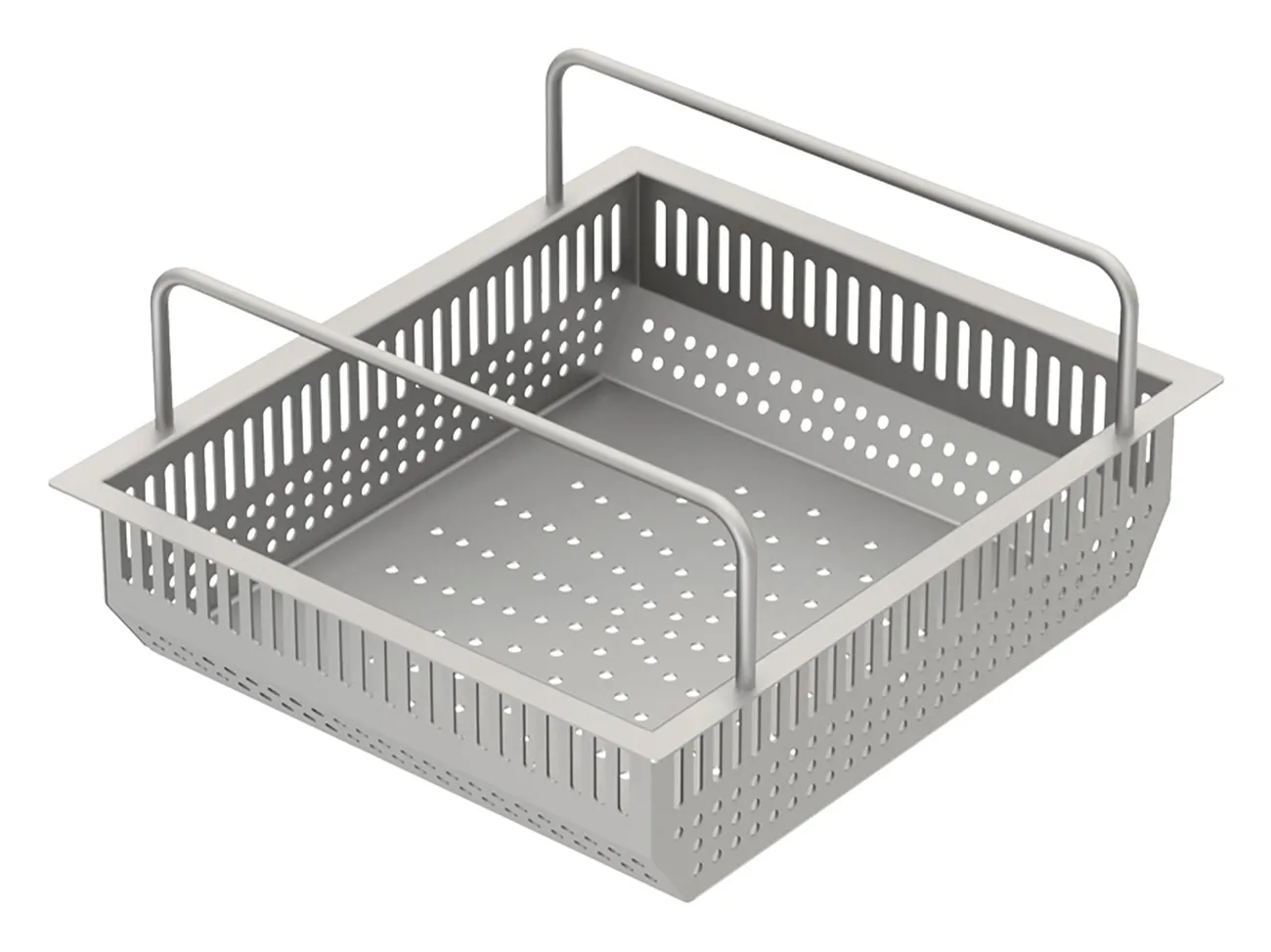
Hygiene is at the heart of everything ACO does, so it was no surprise to see the company at the Inspiration Village. Among other products, it showcased the Waste Trap, a coarse-waste filter for efficiently separating large volumes of waste. The Waste Trap prevents blockages by catching coarse waste before it reaches the drain. Designed at customers’ request, it is an easy-to-handle filter basket. The product is available in two versions. The perforated version is the most effective for separating production waste, such as labels, glass shards or large pieces of organic waste. The coarse-waste filter with a closed base, on the other hand, is particularly useful for small non-floating particles, such as microscopic glass shards. The Waste Trap’s main purpose is to separate large volumes of waste quickly and efficiently. ACO also designed the Waste Trap with the highest possible hygiene standards in mind.
Rapid tests for hygiene monitoring
Hygiene specialist Christeyns presented, among other things, tools for hygiene monitoring at Hygiene for Food. Christeyns offers several rapid tests to detect different types of contamination on surfaces. These hygiene tests are intended for use after cleaning and disinfection. They have the advantage of allowing contaminated areas to be inspected visually and quickly. A useful tool for supporting hygiene audits and assessing the effectiveness of cleaning procedures. TBF 300 is a rapid test for detecting biofilm. The TBF 300 spray can confirm the presence of biofilm using a fuchsia-coloured reagent. After applying the spray, the treated surface is inspected: the presence of coloured areas indicates biofilm. BioFinder is a test for detecting surface contamination, including many micro-organisms and some food residues. A positive result with the BioFinder spray immediately generates microbubbles that produce foam. This makes it clear at once that the surface is contaminated
A first in surface disinfection
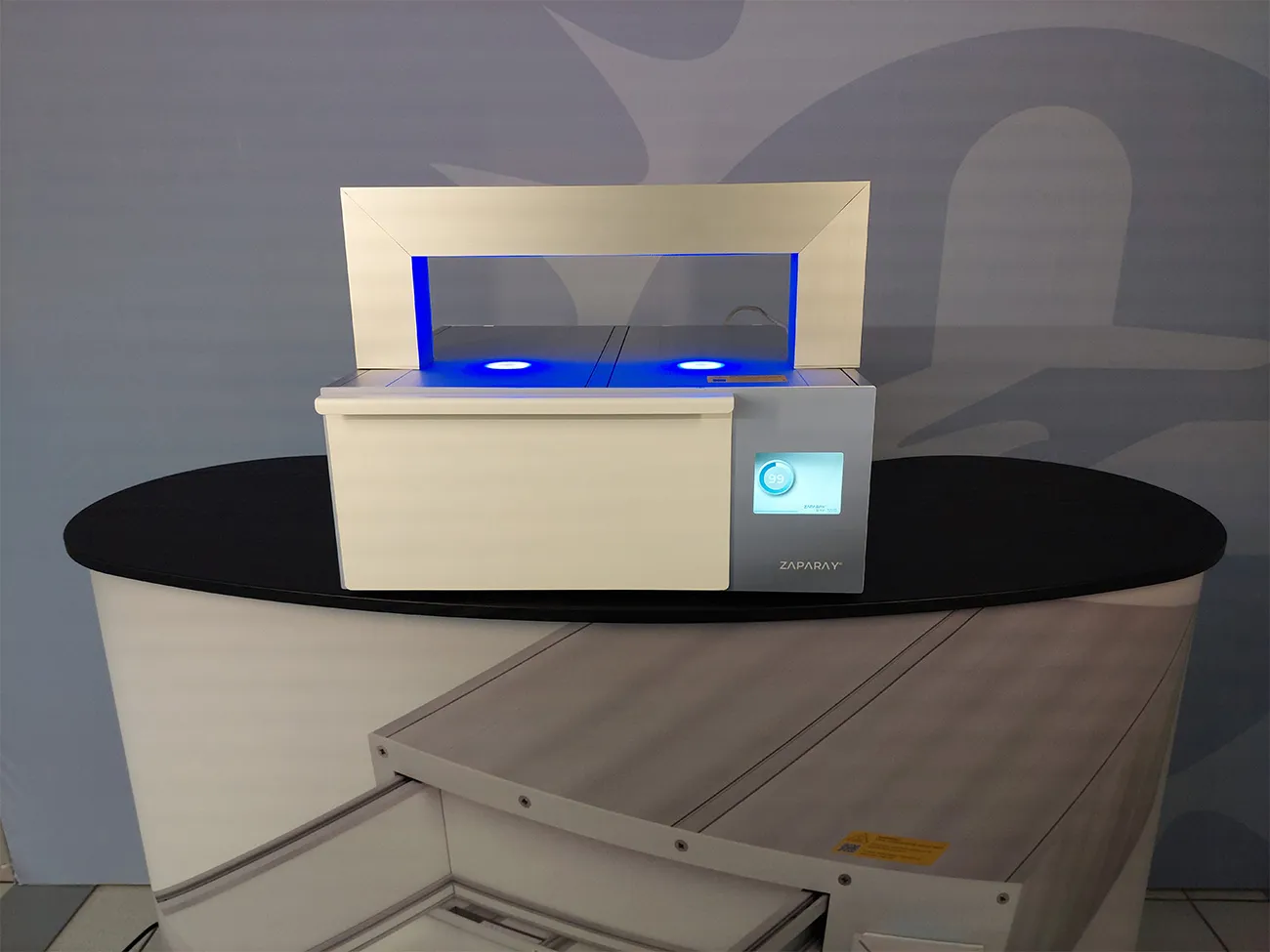
There was also news to discover at the Medtradex stand. Visitors were treated to a European first in UVC LED technology for surface disinfection. UVC LED irradiation at 265 nm can only be produced by LEDs, and this is the most effective wavelength. This means UVC LED irradiation is more effective than mercury vapour lamps at inactivating DNA/RNA, preventing micro-organisms from multiplying. It uses very little electricity and requires neither water nor chemicals. The properties of these LEDs make it possible to work very locally and efficiently. The technology can therefore be implemented just before the final product is packaged, disinfecting at the most critical moment. The technology is also fully complementary to the Nocotech concept. The Nocotech concept uses a specific ionisation-based nebulisation technique to address the overall infection pressure, taking a holistic approach between production processes. UVC LED technology, by contrast, is highly localised and precise, and runs continuously during the production process.
Hygienically designed enclosures
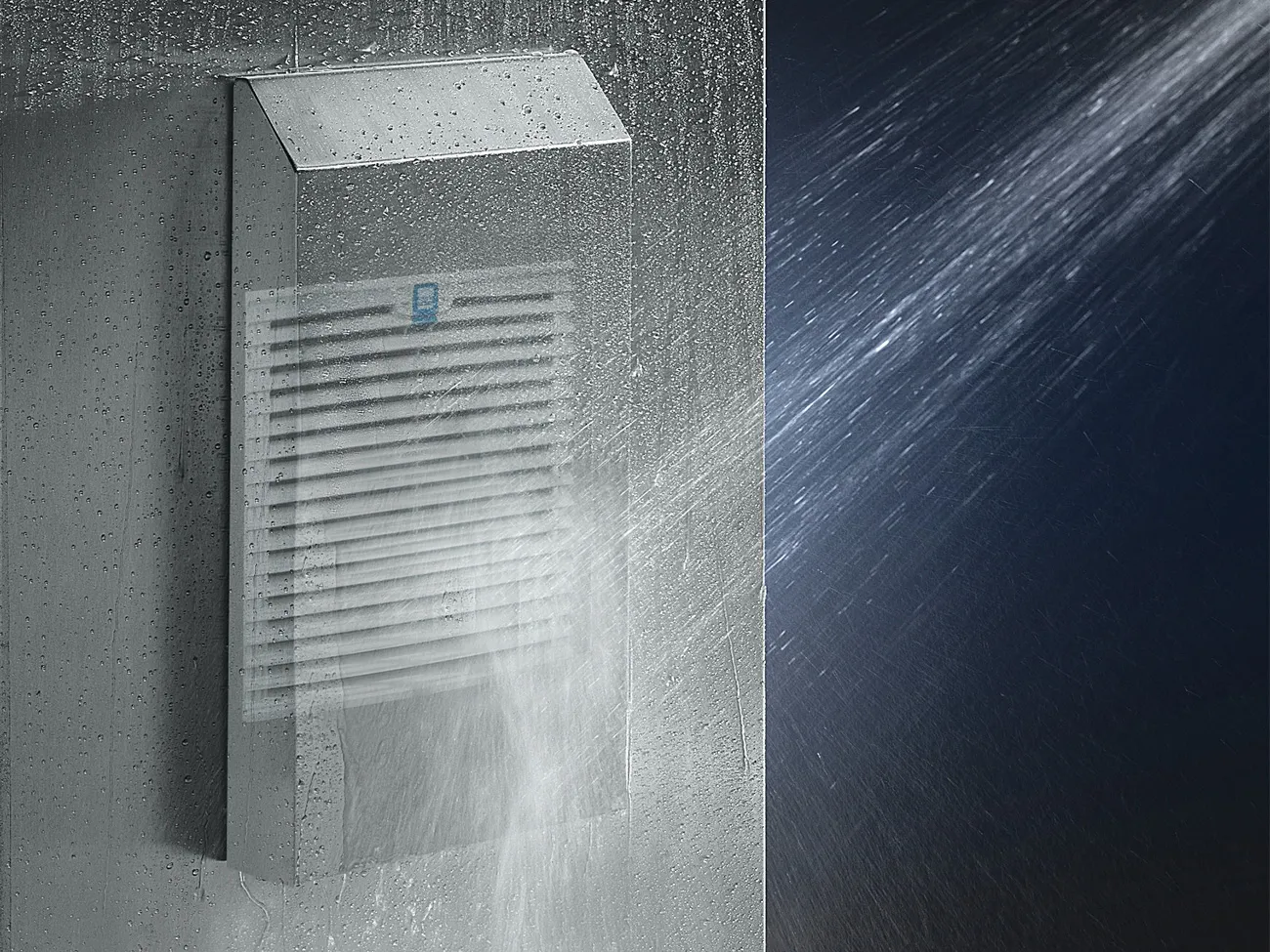
Cleanability is the watchword for equipment in the food industry. Choosing hygienically designed installations is therefore essential. As a pioneer in this field for switchgear, network and server enclosures, Rittal is now expanding its Hygienic Design range with additional sizes and accessories. Everything is designed for 100% food-safe production. Ease of cleaning was central to the development of this range. The aim was not only to minimise the risk of contamination, but also to enable efficient cleaning, reducing the time needed to achieve a thorough result. Rittal is committed to stainless steel (AISI 304), an exceptionally corrosion-resistant alloy with a surface roughness of 0.8 µm and an IP69K protection rating. Combined with the 30° sloping edges, this ensures that water never remains on the surface of the enclosures. Another notable feature is the choice of blue silicone seals. They are approved for use in the food industry and easy to detect if a piece should ever break off.
Robots for hygienic and wet environments
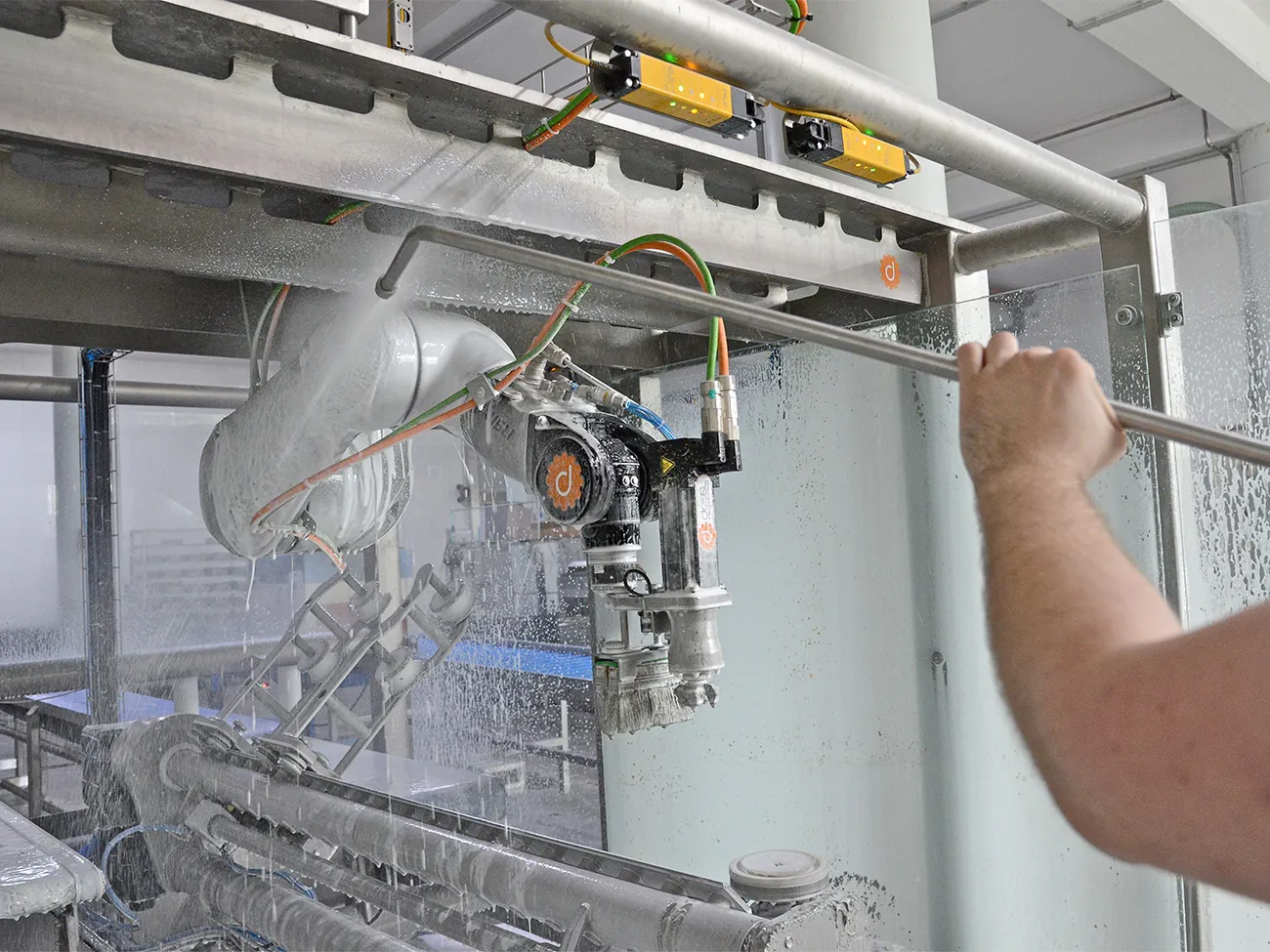
The food industry makes extensive use of industrial robots worldwide, particularly HE (Humid Environment) robots for hygienic and wet environments. Stäubli’s HE robot arms have become market leaders thanks to their compliant, unique design, outstanding technical performance and ability to eliminate the risk of bacterial contamination. Their design meets EHEDG recommendations, preventing the ingress of micro-organisms. They are also easily accessible and simple to clean and disinfect. NSF H1 food-grade oil is used, making them food-safe without compromising performance. This major innovation has revolutionised the food industry. HE robots are also designed for use in harsh environments, such as waterjet cutting, washing/cleaning and deburring. All connections are protected beneath the base. Kinematic pressure control ensures advanced sealing performance, with an enclosed design rated up to IP65/67. This range has also undergone robust surface treatment.
Best practices in hygiene
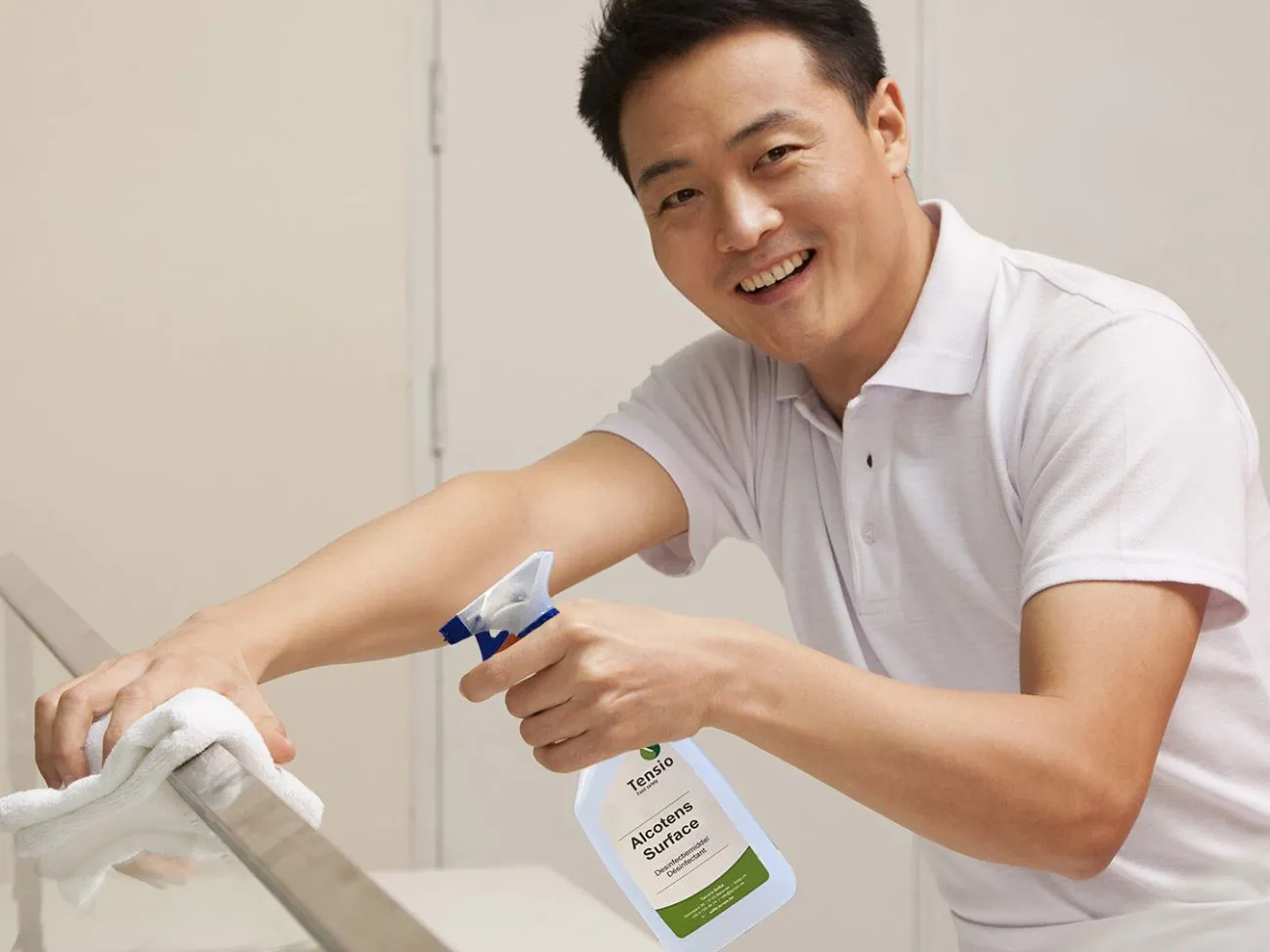
Food safety and a food-safe culture among its customers are areas where Tensio, as a manufacturer of cleaning and disinfection products, is keen to contribute every day, working alongside customers on the shop floor. It has been doing so exclusively for the food industry for 20 years. By working closely with customers, the team has built up a wealth of practical experience and knowledge of the challenges on the shop floor. This expertise is also applied internally across all activities, for example when further optimising or developing products to meet specific needs, and selecting robust equipment that Tensio recommends as best practice for technical projects, such as designing a central dosing system or installing decentralised foam units. Facing a challenge? Tensio is happy to offer a solution that delivers results, drawing on practical shop-floor experience and expertise. You get a solution that works, contributes to food-safe operations and is sustainable.
Een zakelijke vraag aan ACO? Get in touch
Companies in this story
Keep following this
Get an email when a new story is published. No account needed.
- ThemeFood safety from design to audit
- SubjectFood safety
- CompanyACO
- CompanyChristeyns NV
- CompanyMedtradex
- CompanyStäubli







