












The how and why of antibacterial coatings
Text Valérie CouplezImage iStock
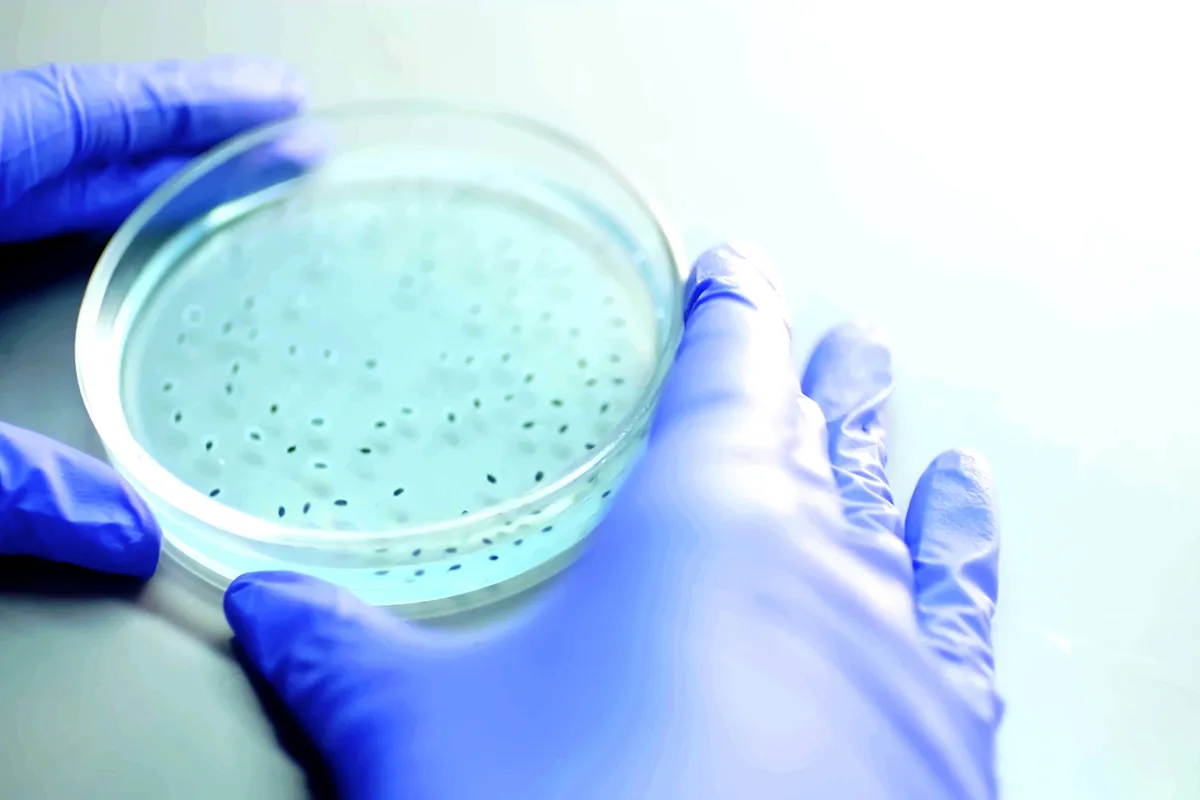
Antibacterial coatings have become a crucial technology in the fight against the growing threat of pathogenic micro-organisms across several sectors, including healthcare, food processing and consumer products. The evolution of this technology dates back to the early 20th century, with simple silver-based antimicrobial applications, and has made significant advances in recent decades thanks to major developments in materials science and nanotechnology.
Development has accelerated since the early 2000s, driven by growing concern about antibiotic resistance and healthcare-associated infections. This has led to extensive research into more advanced coating technologies that can effectively eliminate or inhibit bacterial growth without contributing to the development of resistance or causing environmental damage. Current technological trends point to a shift away from conventional biocide-releasing systems towards more sustainable, long-lasting solutions with smart-release mechanisms, contact-killing surfaces and anti-adhesive properties. The integration of nanotechnology has revolutionised this field, enabling unprecedented control over surface properties at the molecular level.
Why use antibacterial coatings?
The primary aim of research into antibacterial coatings is to develop solutions that demonstrate broad-spectrum efficacy against both Gram-positive and Gram-negative bacteria, while remaining stable over the long term under a range of environmental conditions. These coatings must also be non-toxic to humans and environmentally friendly, addressing growing concerns about chemical leaching and bioaccumulation. Another crucial aim is to create coatings that can be applied to a range of substrate materials, including metals, polymers, ceramics and textiles, without compromising the mechanical or aesthetic properties of the base material. This versatility is essential for widespread use across different industries.
Current coating technologies and challenges
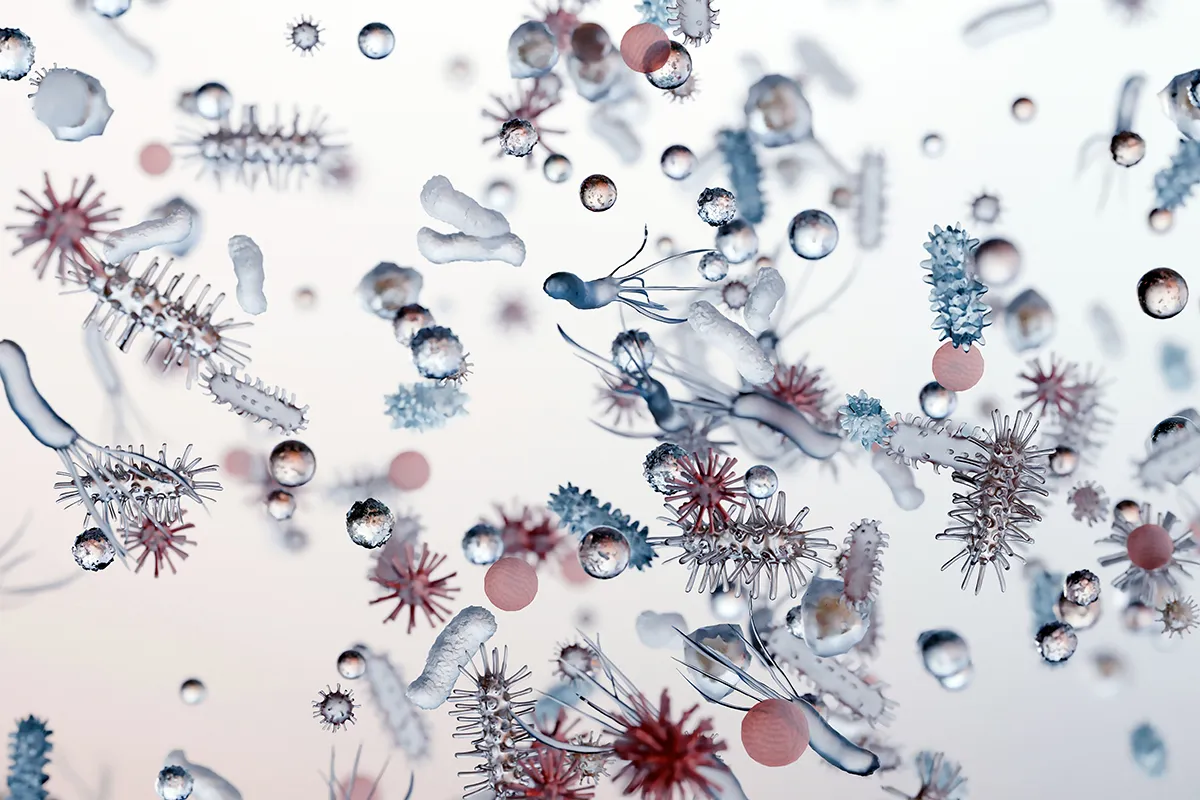
Metal-based coatings, particularly those containing silver, copper and zinc oxide nanoparticles, exhibit broad-spectrum antimicrobial activity through multiple mechanisms, including disruption of the cell membrane and DNA damage. These coatings have become highly popular due to their long-lasting efficacy, although concerns remain about possible environmental effects and cytotoxicity at higher concentrations. Quaternary ammonium compounds (QACs) are another prominent category, acting by disrupting bacterial cell membranes through their positively charged molecules. While effective against a wide range of micro-organisms, the development of bacterial resistance to QACs poses a significant challenge for long-term applications. Photocatalytic coatings, usually based on titanium dioxide (TiO₂), generate reactive oxygen species when exposed to light, providing a self-cleaning mechanism that destroys micro-organisms without the need for additional chemical agents. Their effectiveness is limited in low-light conditions, however, restricting their use in some indoor environments. Enzyme-based coatings, meanwhile, are an emerging technology that targets specific components of bacterial cell walls. These highly selective coatings minimise the risk of antimicrobial resistance developing, but face challenges in terms of stability and shelf life under changing environmental conditions.
Making them more affordable
Cost-effectiveness and scalability are important technical objectives, as many of today’s high-performance antibacterial technologies remain prohibitively expensive for mass-market applications. Research is focused on developing formulations that can be manufactured using conventional industrial processes, without specialist equipment or extreme conditions. The food sector has stringent requirements, as coatings must withstand rigorous cleaning procedures. In this context, research is increasingly focused on multifunctional coatings that combine antibacterial properties with anti-fouling, anti-inflammatory or tissue-integrating properties.
What the future holds
In the future, research will focus on biomimetic approaches that replicate natural antibacterial mechanisms found in plants, animals and micro-organisms. These bio-inspired strategies offer promising opportunities to develop next-generation coatings with improved performance and reduced environmental impact.
Question about this story? Ask your question
Keep following this
Get an email when a new story is published. No account needed.
- SubjectFood safety







