












The new reality for packaging
Text Valérie CouplezImage Wout Goeminne
What do quality management and packaging have in common? At first glance, perhaps not very much. Yes, packaging needs to be functional to ensure food is preserved as well as possible. But once selected, it often no longer crosses the quality manager’s desk. The approaching deadline for the Packaging and Packaging Waste Regulation will change that. As food companies are required to use less packaging material and packaging that is easy to recycle, a new balance will have to be found between sustainability and functionality, and therefore food safety. Quality Days 2026 offered some valuable insights.
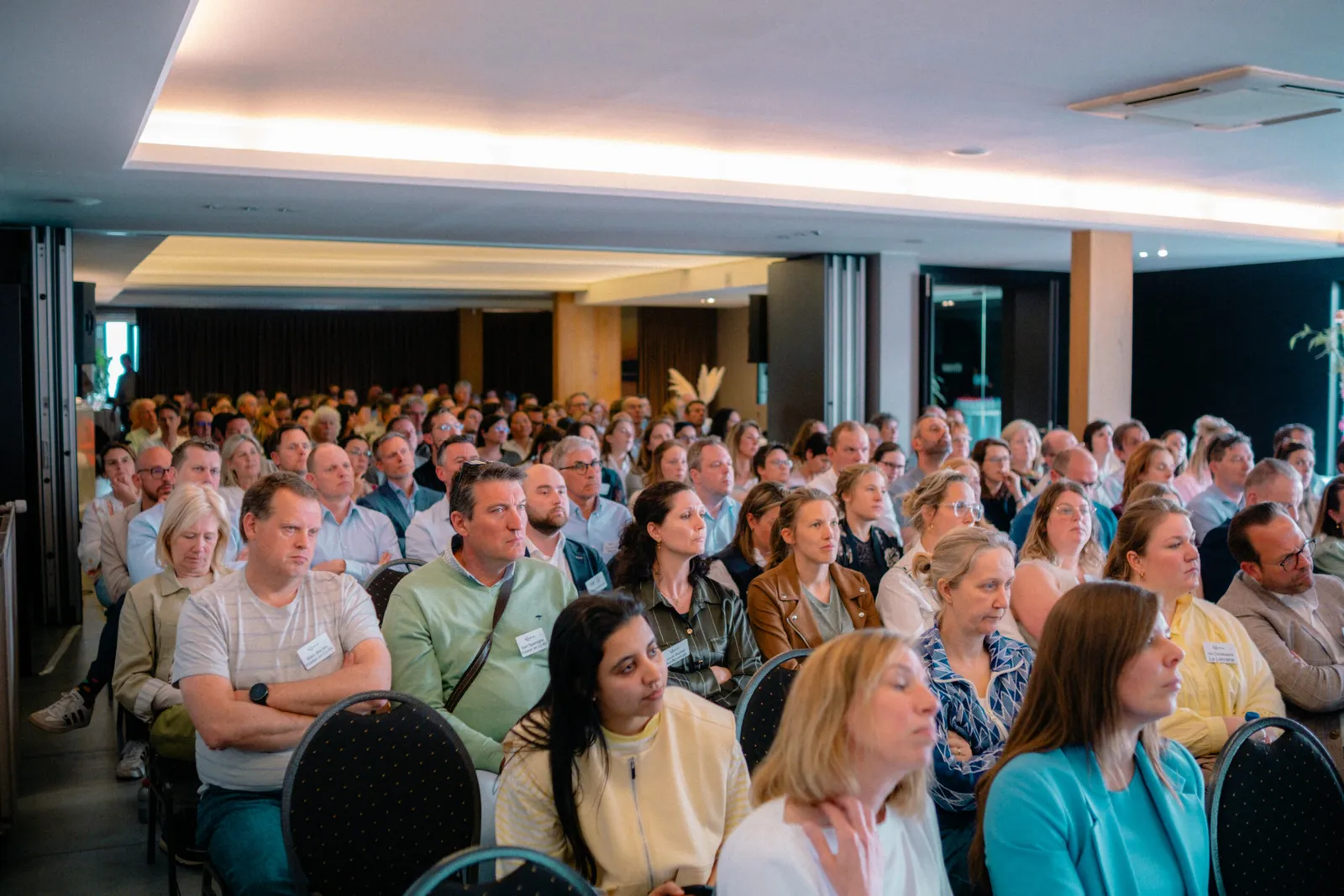
This year, Quality Days took place at Vijverhof in Wevelgem. Now in its fifteenth edition, the event continues to cement its reputation as the leading gathering for quality managers in the food industry. More than 200 people attended this year. After two company visits, to Grootmoeders Koffie or Klaratex, and in glorious sunshine, the event got off to a great start. It was almost a shame that presentations and a panel discussion were still to come, but the pressure was mounting. The first Packaging and Packaging Waste Regulation (PPWR) deadline is already this summer. The insights shared by An Vermeulen (Pack4Food), Elke Gijsbrechts (Fost Plus) and Amber Van Reepingen (UGent) were therefore particularly welcome.

Packaging: from legislation to the shop floor
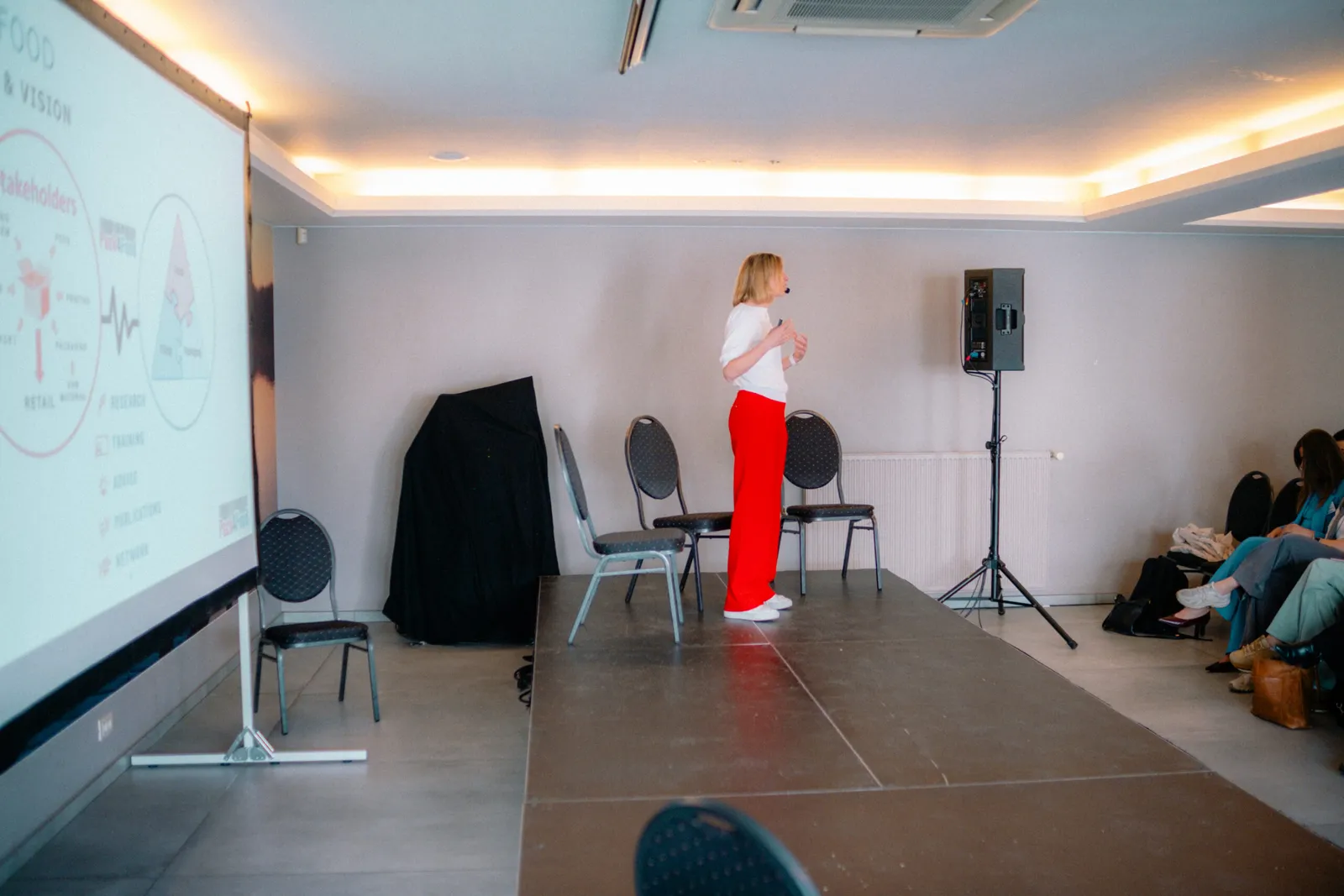
Vermeulen’s opening presentation made clear just how complex the PPWR legislation is. She outlined the main requirements for packaging and the relevant deadlines. “The challenge is to reconcile functional requirements with sustainability. Ultimately, your product has a greater environmental impact than its packaging. More sustainable packaging must therefore not lead to additional food waste.”
Reduce, refuse, reuse …
The legislation is built around the 4 Rs: refuse, reduce, reuse and recycle. Many types of packaging will be banned from 2030, including films around fruit and vegetables and oversized outer cartons. Annex 5, due to be published in 2027, will provide more detail. But the most urgent deadline takes effect as early as August 2026. From then on, packaging materials that come into contact with food must not contain PFAS. The substance is often used in extrusion processes for thin films, but it is also found in cardboard pizza boxes because of its moisture- and grease-repellent properties. “So it’s high time to ask your suppliers about this, as no transition period is planned,” Vermeulen warned. Several research projects are currently looking at reuse, examining how microbial and chemical safety can be reconciled with washing processes, and what this means for packaging integrity.

And recycle
Packaging will also have to meet stringent recyclability requirements from 2030. Gijsbrechts explored this in more detail. “Although the 2030 deadline may seem a long way off, food companies can already take the necessary steps today. This is important, because EPR contributions will also be linked to how recyclable your packaging is.” Secondary legislation setting out what is required to achieve recycling grades A, B or C is expected in 2028. From 2030, packaging with a lower grade will no longer be allowed on the market. Companies looking to assess their packaging today should ask themselves three questions:
- What is the predominant material?
- Is it flexible or rigid packaging?
- And what is my packaging unit?
That last question is likely to be particularly challenging. Gijsbrechts gives the example of a ketchup bottle. “Anything that arrives separately at the sorting centre in 70% of cases remains part of the unit. So the bottle, cap and label are considered integrated components. The seal is not, as consumers remove it separately, making it a separate component. The recycling grade applies to the entire unit.” There are, however, decisions you can make today that you are unlikely to regret. Gijsbrechts gives three examples of packaging that will certainly not be considered recyclable: packaging laminated with PE or PP, packaging coloured with carbon black, and flexible packaging containing a layer of aluminium. These will inevitably have to be incinerated, and you already pay a much higher green dot contribution for them.


Microbiological safety and shelf life
The last speaker was Van Reepingen. As a PhD student, she is investigating whether sustainable packaging materials are as safe for food as those commonly used in the industry today. The first focus is on the gas permeability of packaging, in other words, how well it can keep CO2 in and O2 out. “Multilayer packaging does this very well, but more sustainable, monolayer alternatives will shift that balance. You will then need to take a shorter shelf life into account. However, there is currently a lack of data to support food companies, particularly on how dynamic atmospheres evolve. That is why I am conducting this research.” Initial experimental studies show that the impact of the shift to more sustainable packaging will depend greatly on the characteristics of the food product. The data gap is due to experimental challenges. Precise and continuous control of gas composition is essential, requiring completely gas-tight systems and expensive equipment, as well as manual, and therefore labour-intensive, methods.
From theory to practice
Enough theory, but what does it mean in practice? This was explored in more detail during the panel discussion. Ruben Van Haleydt, Food & Packaging Quality consultant at AMNorman, also joined the panel. He stressed that the move to more sustainable packaging should not fall solely to the quality manager. “Yes, compliance is part of it, but the issue is much broader than that. So don’t leave the upcoming deadline of 12 August 2026 to the quality department alone. Food and packaging cannot be considered separately. The next PPWR deadlines will also come around sooner than you think. So prepare as well as you can now. Changing packaging is not something you can do in a few months.”


Een zakelijke vraag aan Epacco Food Cleaning? Get in touch
Companies in this story
Keep following this
Get an email when a new story is published. No account needed.
- ThemePackaging and product traceability
- SubjectFood safety
- CompanyEpacco Food Cleaning
- CompanyKlaratex







