












The right cable glands for the food industry
Text LAPP/Evi HussonImage LAPP
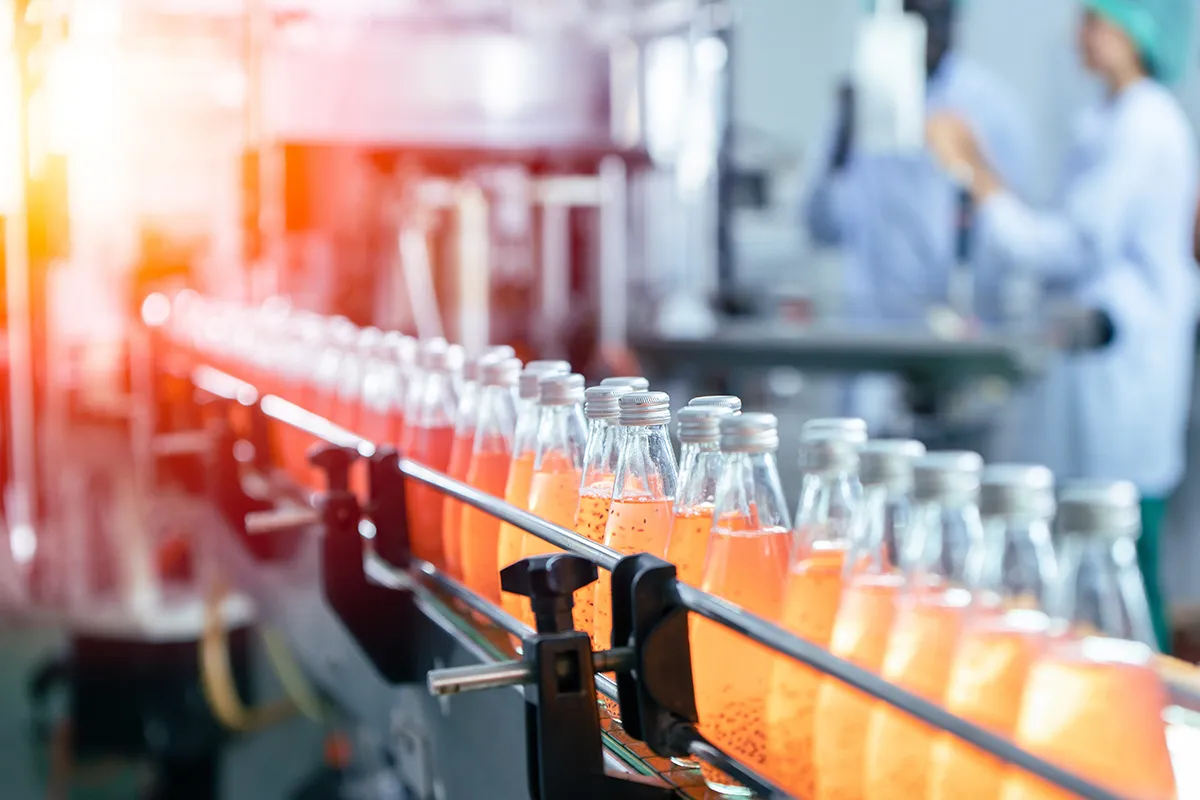
The food and beverage industry is subject to the highest hygiene standards. Contact between products and pathogens or contaminants must be avoided at all times. It is therefore essential that electrical components such as connectors and cable glands also meet the highest quality requirements. Rob van der Sluis, Head of Product Portfolio Management at LAPP, which specialises in cable and connection technology, discusses some key considerations.
“In many industrial environments, you look at what a cable needs to withstand in order to protect the electrical components. Cable glands are an important part of this. They provide strain relief for cables and ensure a reliable seal, while also needing to allow some movement with the cable. In the food sector, it is also essential that the cable and gland themselves do not have a negative impact on the environment. If they degrade, they must not release particles that could end up in the production environment,” explains van der Sluis.
Chemical, thermal and mechanical stresses
“When cleaning with aggressive cleaning agents, cables must not only be and remain watertight, they must also show no signs of wear. The same applies to thermal and mechanical stresses. Production environments have many moving parts and vibrations, and may also involve very high or low temperatures, or temperature fluctuations. To guarantee food safety, components must withstand aggressive cleaning agents, bio-based oils, fats, fruit and lactic acids, temperature fluctuations and water, and they must be corrosion-resistant.”
Zones
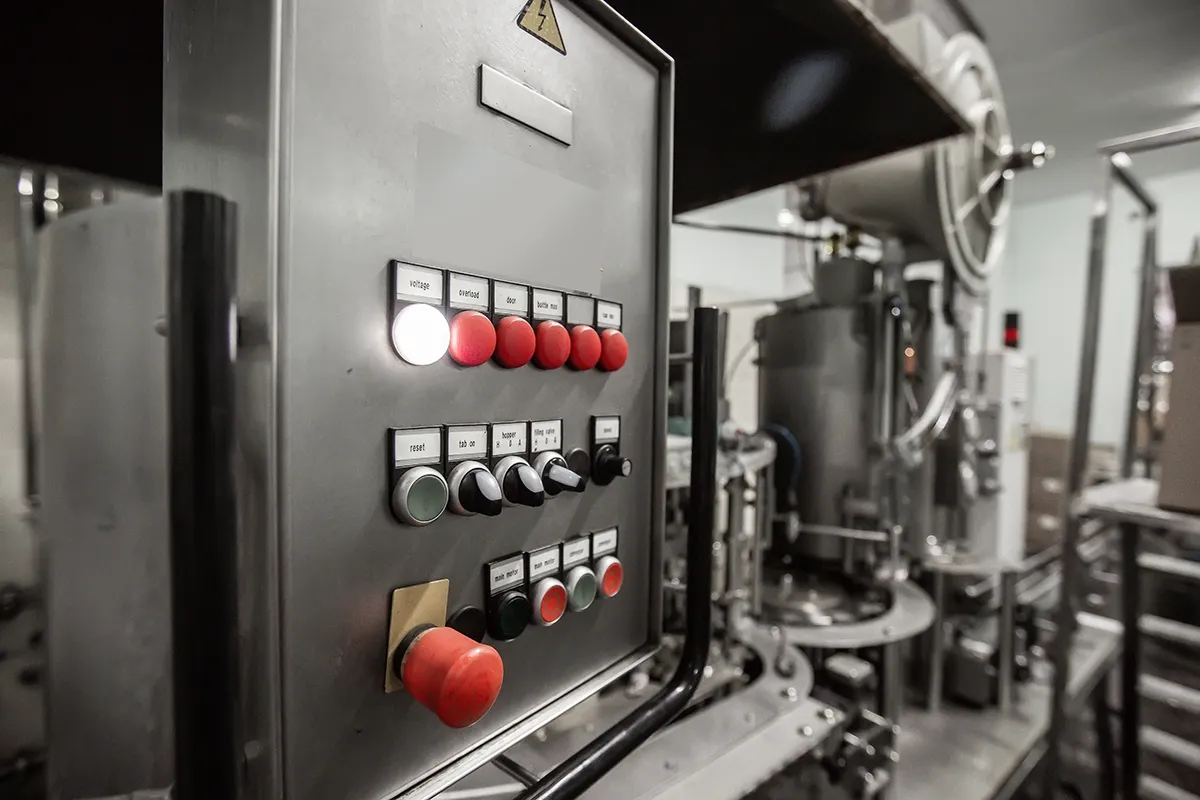
Three zones can be distinguished in food and beverage production. Depending on the zone, external influences such as mechanical stresses and temperature vary. “LAPP offers the right cables and connection solutions for machinery and equipment in all zones: Hygienic Design zone, splash zone and non-product zone, with the appropriate certifications.”
Misconceptions about stainless steel
“One major misconception I still encounter in practice is the assumption that if a component looks like a stainless steel component, it is automatically suitable for the food industry. Unfortunately, that is not the case. The right certifications are needed to guarantee food safety.” Van der Sluis gives an example from LAPP’s range. “Our SKINTOP Hygienic cable glands are specially designed with smooth surfaces and contours without corners or edges. This prevents residues such as liquids and micro-organisms from accumulating and posing a contamination risk to food-processing machinery.”
Certifications
The SKINTOP Hygienic cable glands, in a distinctive blue colour to make them easy to distinguish from food products, have multiple F&B certifications for both Europe and North America. They provide an optimal seal, with IP 68 (10 bar) and IP 69 protection ratings. The sealing material complies with FDA 21 CFR 177.2600, specifically for the food and beverage industry in North America. The gland is certified to NSF/ANSI 169 for use in hygienic areas in North America, and to EHEDG for use in hygiene-critical areas in Europe, in accordance with the principles of hygienic design (guideline ‘Design Criteria for Hygienic Machinery, Equipment and Components’). Finally, the gland has verified resistance to Ecolab disinfectants and cleaning agents. “Thanks to these certifications, the SKINTOP Hygienic gland can be used without issue in hygiene-critical areas of the food industry.”
Engineering platforms
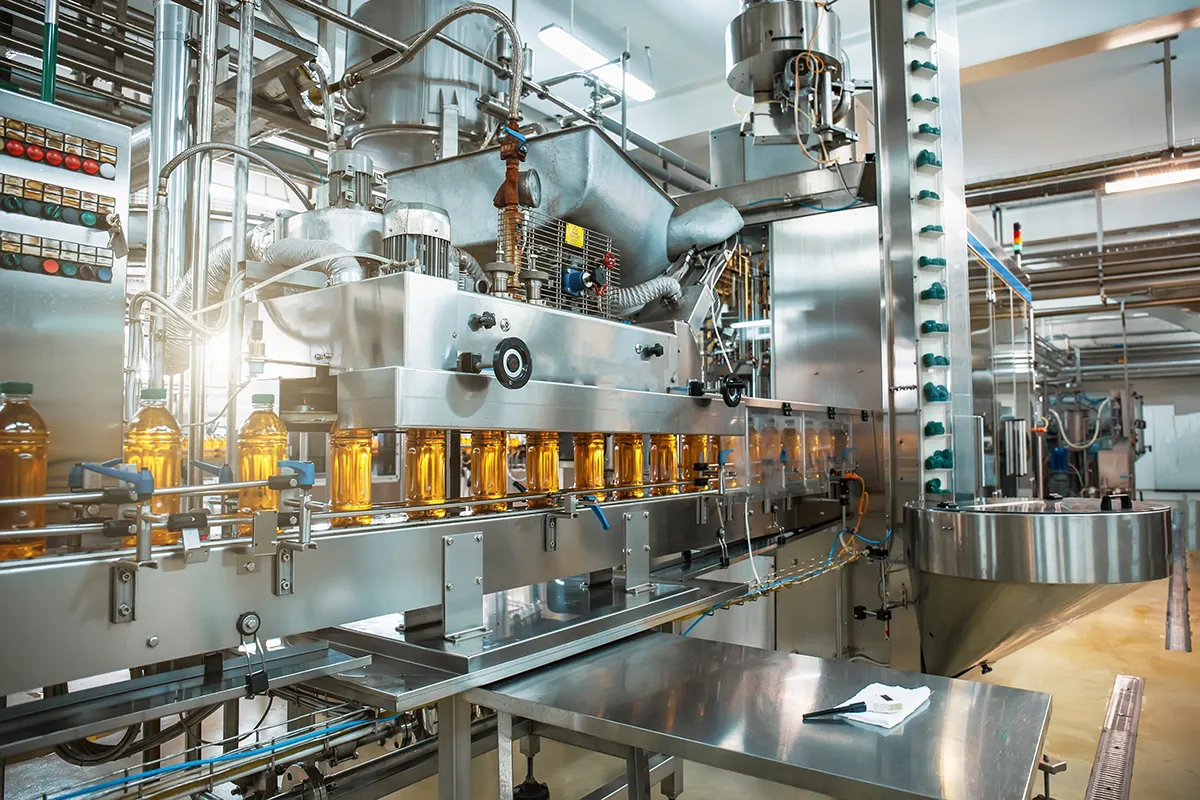
The SKINTOP Hygienic gland is not the only product in LAPP’s range for the food industry. “We have an extensive product range for the food sector, from cable glands, Ethernet cables, control cables and low-frequency data cables to temperature sensors. We are happy to advise anyone with questions about our products. We also make our component data available on engineering platforms such as EPLAN, Cadenas and Zuken. The product data complies with these platforms’ data standards, so engineers can rely on it being complete. They can use the product certificates and material information directly in their designs, increasing efficiency and making product selection easier.”
Een zakelijke vraag aan Lapp Benelux B.V.? Get in touch
Companies in this story
Keep following this
Get an email when a new story is published. No account needed.
- ThemeFood safety from design to audit
- SubjectFood safety
- CompanyLapp Benelux B.V.
- CompanyEcolab BV







