












Traceability: the foundation for optimised supply chains
Supply chain management has become more complex. Producers in every sector must balance the volatility of today’s business climate with rising consumer expectations. As a result, supply chains are under more pressure than ever. This is a perfect storm for the food industry, where consumer purchasing behaviour changed dramatically as a result of the global pandemic. The industry has also had to contend with a growing number of counterfeit products. To make supply chains more resilient, including to future challenges, food businesses will need to invest even more in traceability. Markem-Imaje is an expert in this field and supports food businesses with end-to-end traceability solutions.
Traceability has been an important topic in supply chains for years. Technology for traceability now plays a major role, particularly in industries subject to strict regulations where transparency is vital. Many companies now use track-and-trace functionality to better manage supply chain risks and strengthen their connection with customers. Traceability is the foundation of initiatives such as ‘farm to fork’. It can play a critical role against the backdrop of the disruption currently affecting the market.
Shortages of certain raw materials and labour are a major cause of market volatility. Last year, more than 500,000 vacancies in food & beverage were reportedly left unfilled in Europe;
- Changes in legislation and regulations are driving increasingly stringent product traceability requirements;
- The rise of counterfeit goods is undermining profitability and brand integrity. According to Europol figures, food products ranked second among goods seized at borders;
- Online marketplaces have changed consumer behaviour and expectations. Consumers are better informed than ever and demand greater transparency about the products they buy, where they come from and how they have been transported.
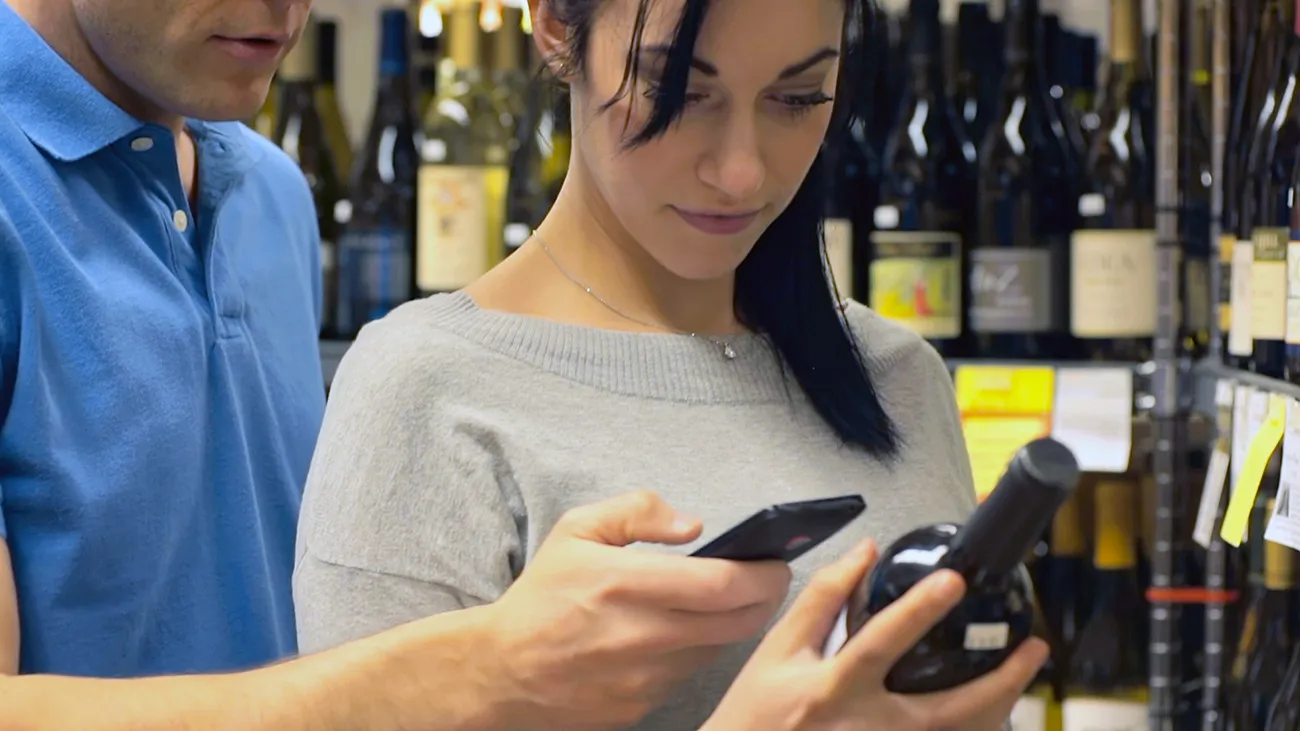
For greater food safety, product information and authenticity
Traceability is the answer to these challenges, providing transparency to identify inefficiencies, serve customers better and optimise logistics throughout the supply chain. Most organisations do not need to start from scratch. They often already apply traceability through supply chain partners. However, information often remains trapped in siloed systems that do not communicate with one another. The result? Information is often inaccessible, inconsistent and difficult to use. Modern traceability solutions help producers identify data, enabling end-to-end traceability. In food & beverage, traceability contributes to improved food safety, reliable product information and product authenticity. The data also provides valuable insights to improve customer engagement and brand performance.
Turn traceability into a competitive advantage
When a recall becomes necessary, traceability is essential. Food businesses may have systems and processes in place to locate and recall products quickly, but retrieving products remains a major challenge. It all starts with the organisation’s own traceability capabilities. A good understanding of how supply chains are structured is also essential. This is the basis for further optimisation. It also points the way to the right technology partner, who can drive the initiatives with the greatest added value. As supply chains become more complex, organisations will need a coordinated view of all inputs, outputs, participants and processes. The traditional siloed approach will become an increasingly significant burden. Building a robust traceability programme delivers added value by turning supply chain insights into a competitive advantage.
Question about this story? Ask your question
Companies in this story
Keep following this
Get an email when a new story is published. No account needed.
- ThemePackaging and product traceability
- SubjectFood safety
- CompanyMarkem-Imaje NV







