












Why HAZOP studies are becoming more valuable
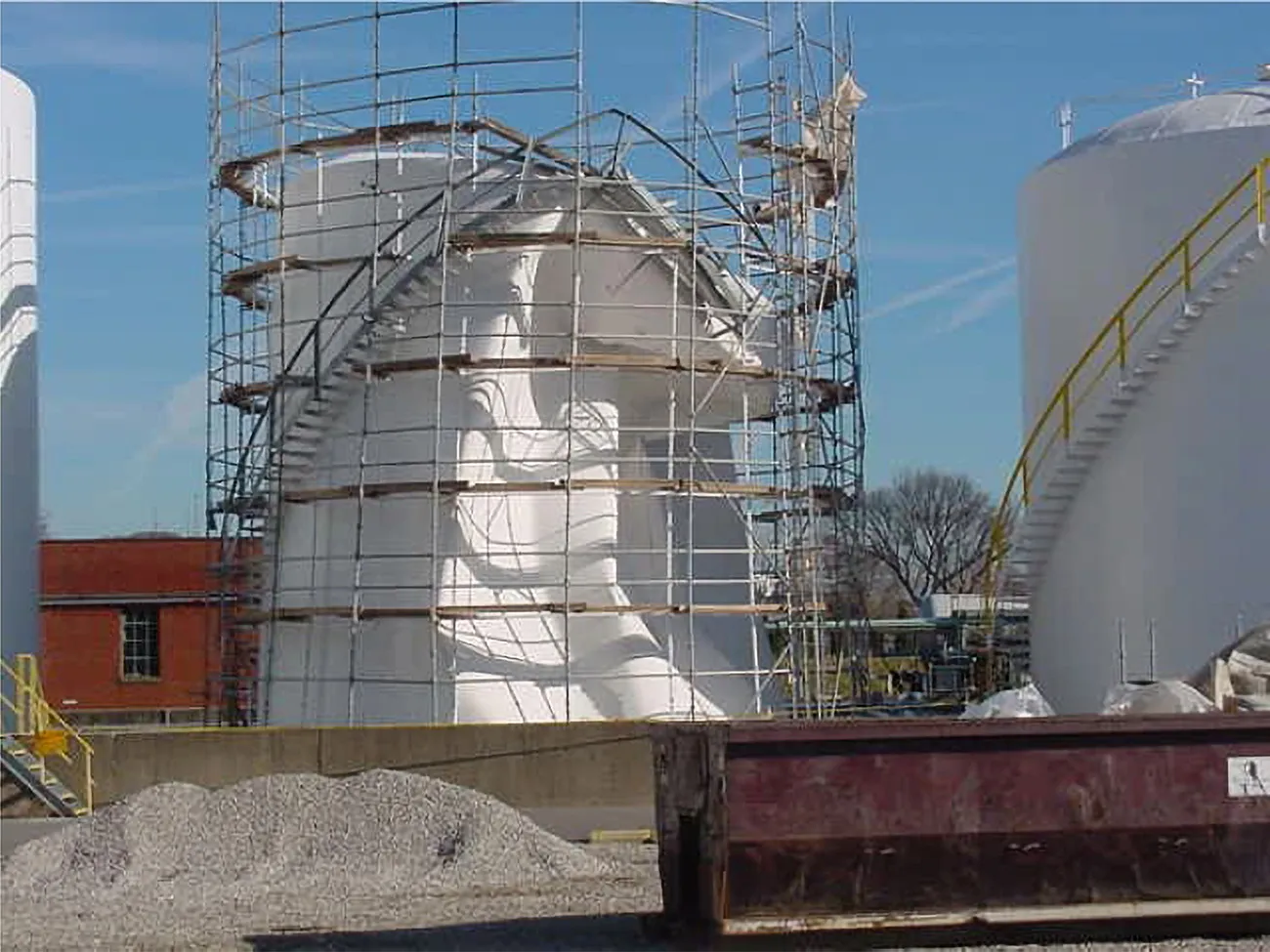
Industrial facilities in food-processing companies are exposed to all kinds of hazards and unwanted situations. In practice, numerous product flows, including water, air, oil and chemicals, pass through equipment via valves and instruments. A single error can have serious and costly consequences. That is why it is important to keep potential risks under control. One reliable way to map them is through a so-called HAZOP study. Christophe Huyghe, Technical Safety Expert at DD Engineering, explains the approach and its added value.
For more than 30 years, DD Engineering has been a trusted partner for companies conducting safety and risk analyses. “Our approach is based on four pillars,” says Huyghe. “We work in plant engineering, logistics consultancy, digital innovation linked to Industry 4.0, and finally translating complex safety legislation into tailor-made solutions. As part of this last pillar, we regularly carry out HAZOP studies.”
What is HAZOP?
“HAZOP stands for Hazard and Operability Analysis,” confirms Huyghe. “A HAZOP study is a well-known method for identifying hazards and unwanted situations in industrial facilities. It is applied to a chemical or physical process, or to the performance of tasks. In the first case, we focus on process risks; in the second, on human error. In other words, together with the client, we examine how potential hazards and risks can be turned into action points for a safer, more reliable and healthier working environment. A HAZOP study is typically carried out when a new plant is being installed, to proactively identify any weak points.”
Growing use in the food industry
HAZOP studies are becoming increasingly common in the food industry. Huyghe explains: “In the past, it was mainly chemical companies, more specifically Seveso companies, that carried them out. Today, we see food-sector manufacturers discovering the value of this tool too. For example, DD Engineering advises several chip producers and dairy companies. In the former group, many process flows come together, including steam, compressed air, frying oil, water and cleaning products.”
Approach
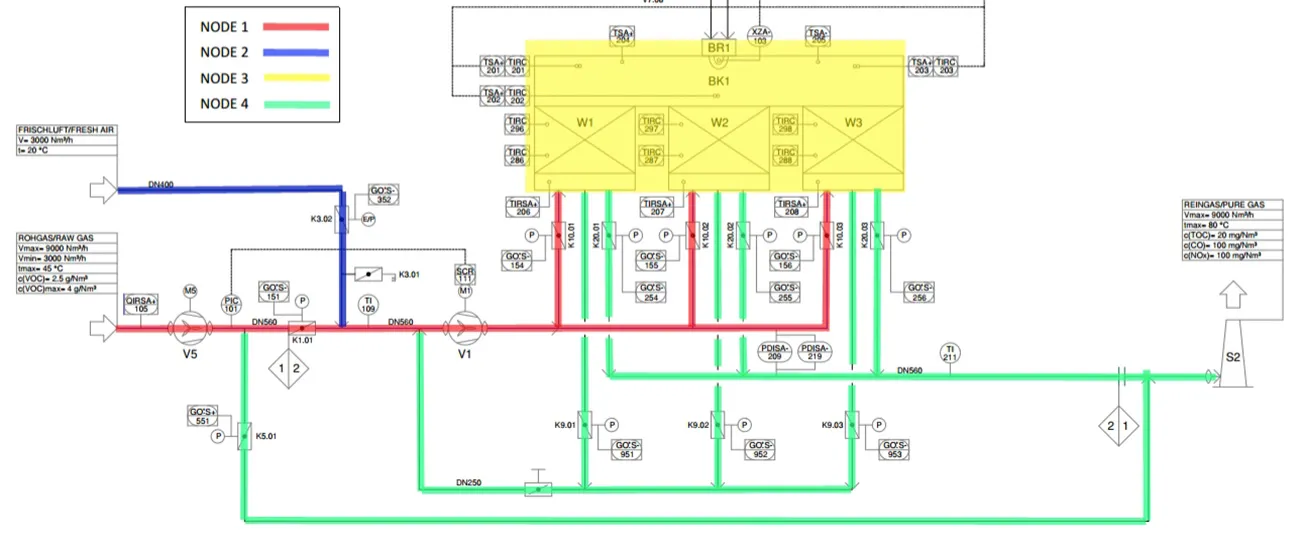
Accurate P&IDs are essential for clearly mapping a process. “P&ID stands for process and instrumentation diagram,” Huyghe explains. “These are diagrams showing product flows through equipment via the necessary valves and instruments, such as flow meters and temperature sensors. We then divide the process into sections, known as ‘nodes’, and analyse each node in detail for deviations from the normal process.”
Multidisciplinary team involvement
At DD Engineering, the analysis is always led by two experienced specialists with strong analytical skills and a solid track record in process safety. “What is also unique about a HAZOP study is that a multidisciplinary team works together to discuss any potential bottlenecks in the process,” says Huyghe. “The team consists of in-house staff from different disciplines, including production, maintenance, engineering and programming, as well as external experts, who know the process well. This creates a valuable exchange of ideas and expertise. Bottlenecks are discussed in several HAZOP meetings, with regard to both safety and reliability.” Huyghe acknowledges that this intensive approach comes at a cost. “Making several in-house employees available for multiple meetings does incur a cost. At the same time, it is an important investment in anticipating potentially dangerous and costly risks. In the long term, that can save a great deal of money.”
Greater peace of mind and certainty
When is a HAZOP study particularly useful? Huyghe points to several criteria: “If your business processes involve parameters such as flow, pressure or temperature, this kind of analysis is definitely recommended. We also recommend a study if these processes are complex, with multiple safeguards, and/or if you want to proactively prevent workplace accidents. At DD Engineering, we always work with our clients to develop practical and efficient solutions. As an independent partner, we recommend the best suppliers for potential solutions and always go beyond the minimum legal requirements. That is how we achieve the highest possible level of safety!”
Question about this story? Ask your question
Companies in this story
Keep following this
Get an email when a new story is published. No account needed.
- SubjectFood safety
- CompanyDD Engineering







