A strategic sector deserves strategic policy

Volkswagen, for years the driving force behind Europe’s car industry, is under heavy pressure and is considering far-reaching restructuring, potentially involving factory closures and putting up to 100,000 jobs or more at risk. The lesson is clear: an industrial presence can never be taken for granted. What seems firmly established today can come under pressure tomorrow when energy, labour costs, permits and regulation make investment more difficult than elsewhere. Losing a car factory is economically painful. Losing food production cuts much deeper. We would lose not only industrial activity, but also part of our strategic independence.
With more than 100,000 direct jobs and turnover of over €85 billion, food is the country’s largest industrial sector. Every food factory is also part of a broad ecosystem. Losing production ultimately means losing far more than a single factory. Every day, our food industry puts food on the plates of 11 million Belgians and supplies millions of people across the world, linking local production with international export strength.
In a world where geopolitical tensions, pandemics, climate shocks and trade disputes are increasingly putting supply chains under pressure, a strong local food industry is no luxury. It is a strategic necessity. Allowing food production to disappear makes us more dependent on foreign production and more vulnerable to supply chains. That means less control over quality, food safety and availability, a greater environmental impact from transport, and the loss of investment, innovation and technical know-how. The question, then, is not whether we can afford a strong food industry. It is whether we can afford to lose it.
But if we want to keep food production in Belgium, we must make the conditions for producing here competitive again. Specifically, that means affordable energy, manageable labour costs, an end to the tax lasagne, faster and more legally certain permitting, and fewer administrative burdens. Today, food businesses too often face a piling-up of costs, levies, rules and procedures. Each may seem manageable on its own, but together they weigh heavily on investment and competitiveness. They do not determine whether a company makes slightly more or less profit, but whether it invests in Belgium or elsewhere. If we want food businesses to keep producing here, we must ensure that producing here remains viable.
We may be small, but when it comes to food, we are among the world’s best. This strength is no coincidence. It is the result of generations of entrepreneurs, employees, farmers, researchers and exporters who have built a food industry that commands international respect. But this heritage cannot be taken for granted. If we do not make the right choices today, tomorrow we may still be producing Belgian recipes, but no longer in Belgium. We would lose not only production, but also jobs, knowledge, investment and part of what makes our country economically strong and internationally recognisable.
Belgium has everything it needs to continue producing world-class quality food for generations to come. But strategic sectors demand strategic choices. If we want to preserve our food industry, we must create the conditions today for it to keep investing, innovating and producing here tomorrow. That is not a cost. It is an investment in our economic strength, our strategic autonomy and our social resilience.
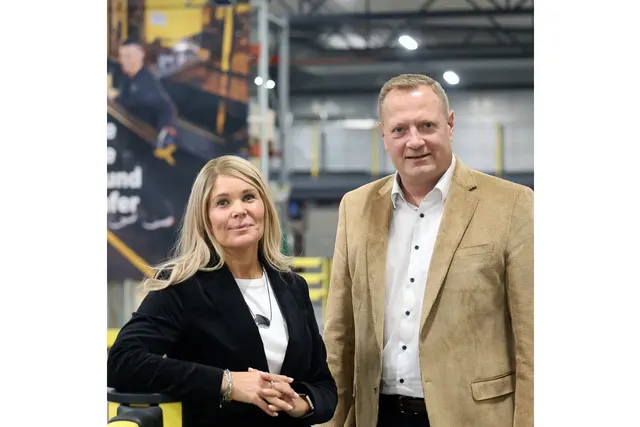
Ann Wurman
CEO Fevia
Question about this story? Ask your question
Keep following this
Get an email when a new story is published. No account needed.
- SubjectNews