Unlocking the power of data
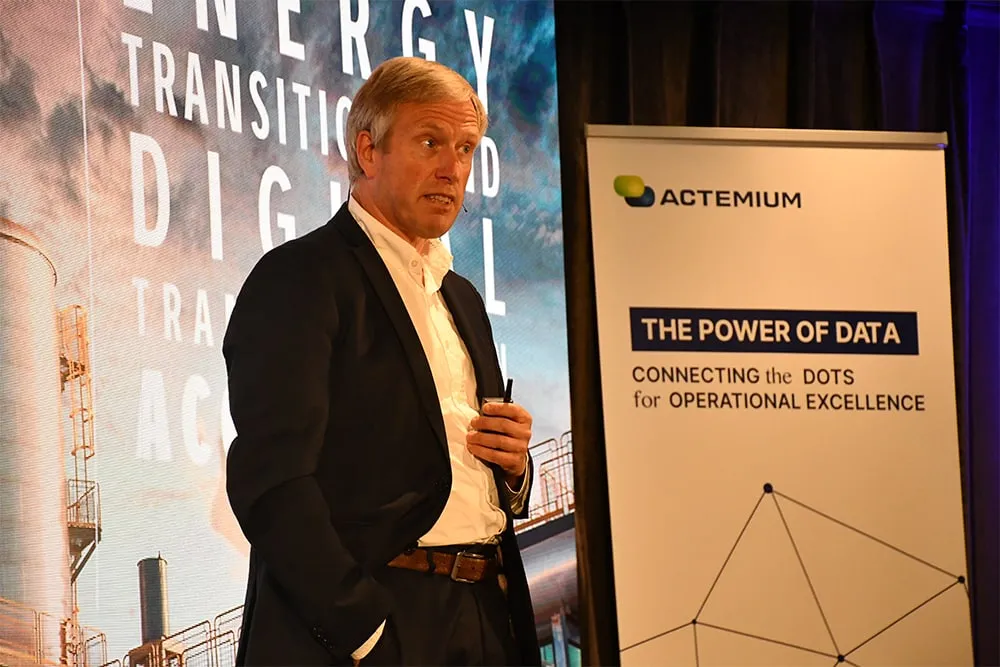
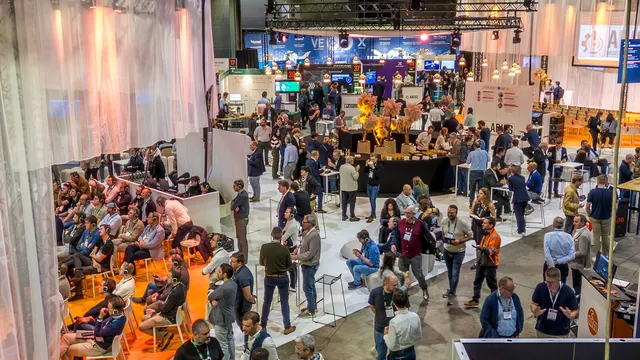
No sustainable factory without digital infrastructure. After all, the energy transition goes hand in hand with digital transformation. This presents food companies with a double challenge, but also a double opportunity. Factories already have a great deal of data at their disposal. The experts at Actemium help customers unlock its potential. The event ‘The Power of Data: Connecting the Dots for Operational Excellence’ inspired participants with ten highly practical smart solutions and the results they have already delivered for customers. “Data analytics isn’t about deploying technology, but about finding the right use case together and selecting the right technology for it,” summed up Actemium CEO Luc Clabout.
Virtual sensors that map utilities. Detecting production anomalies with a detection model. Simulation software to size your next investment perfectly. Vision technology to monitor your process. Smart routing for AGVs. Data integration for greater efficiency. Production planning based on available energy. Coordinating and optimising agricultural processes. Data insights for perfect dosing. Improving production through advanced data analytics.
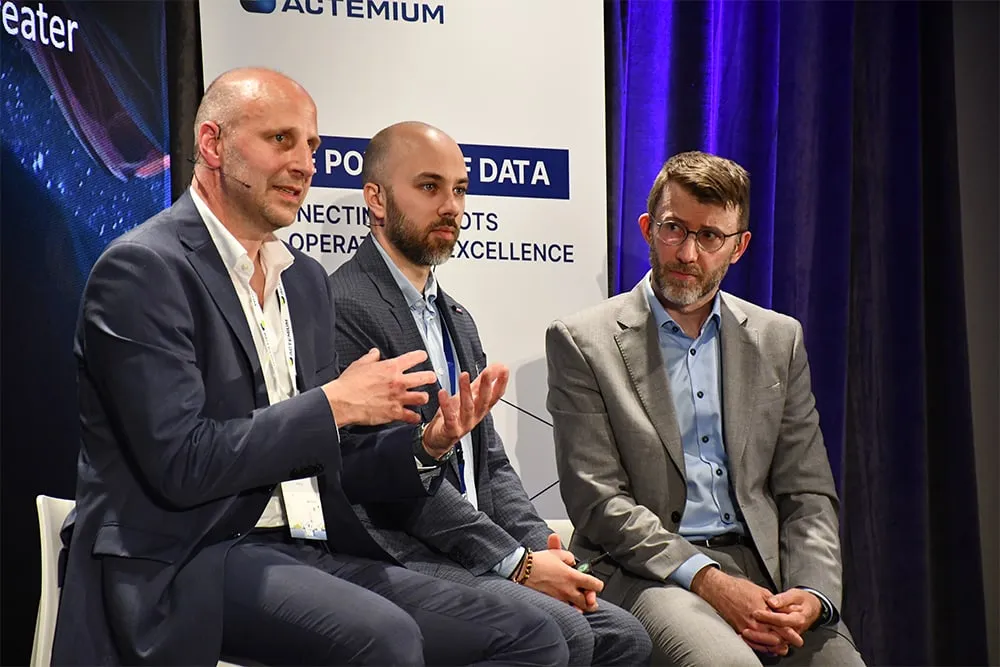
Unlocking data from processes
There is no shortage of digital possibilities. But the key is to tap into the right data for each application. And you don’t even need vast amounts of it. So forget big data: smart data will take you much further. That is precisely what sets the Actemium team apart. Their experience of production processes means they know exactly where to find those rich seams of data. With an Actemium twist, they bring them to the surface and devise a tailored digital response to the specific problems and challenges faced by customers in the manufacturing industry. The use cases they have delivered prove that it can be done, and that it delivers results.
AI is coming
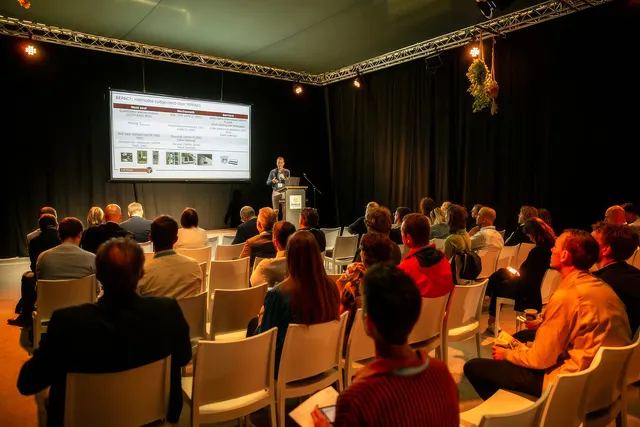
Artificial intelligence will only enhance that potential in the years ahead. Keynote speaker Prof. Dr. Erik Mannens gave an update on the current state of play. We have already seen the first big bang in artificial intelligence with ChatGPT last year. But in reality, this field is still in its infancy. It is fair to compare its current position with that of nuclear technology in 1945. To take the next steps, we will need sufficient high-quality data. The more context we add to captured data, the more easily and quickly we can process it.
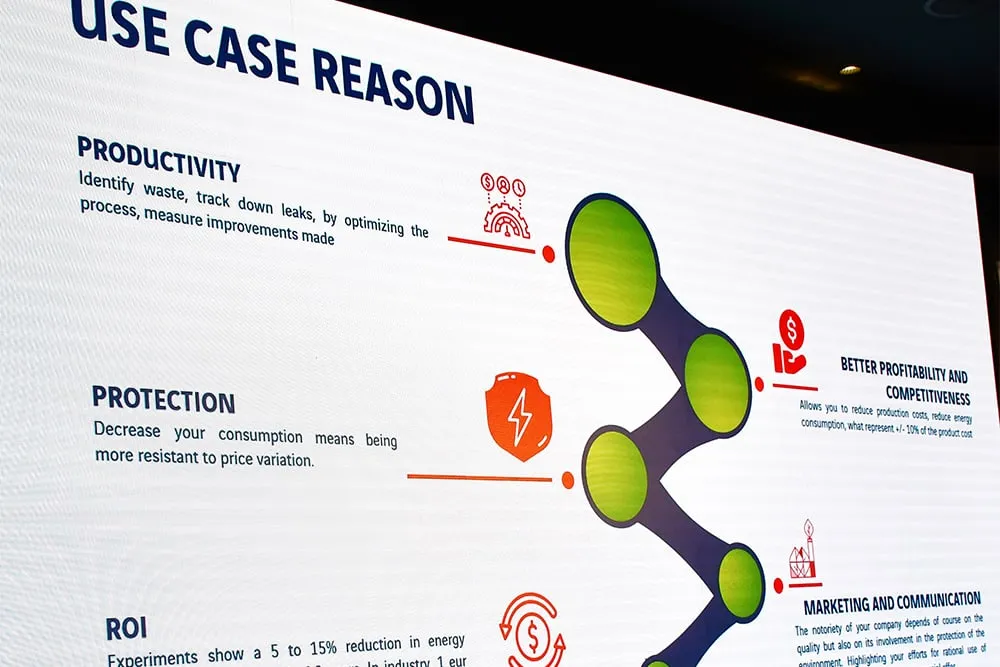
Applying it smartly and sustainably
We will also need to learn how to use it in a smart and sustainable way. Training all those models consumes a great deal of energy. To give one example, generating an image with AI from a prompt uses the equivalent of the energy needed to charge an iPhone once. If Google wants to train its next large language model, it will require 1 TWh of energy, equivalent to what we consume across Belgium in a week. Local processing, or AI at the edge, therefore makes sense. Not just in terms of energy, but because that is where your expertise lies too. Artificial intelligence is not always necessary, either. If there is a simpler solution, use it.
Building ecosystems
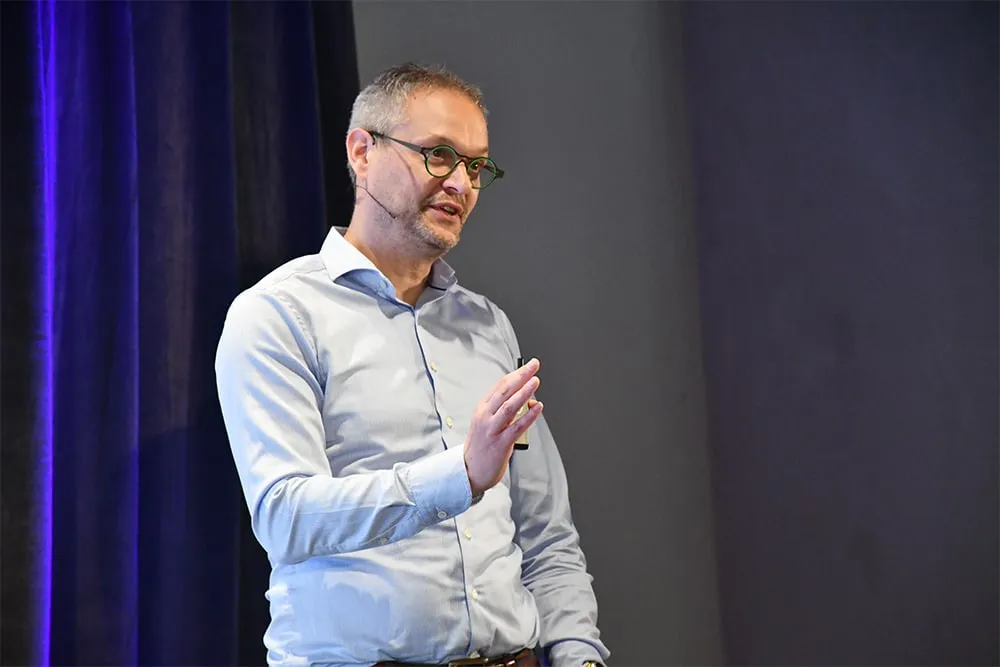
Boris Demarrez (AVEVA) and Bart Demaegdt (Siemens), partners in the event, also shared their views on the role artificial intelligence will play in the years ahead. They agreed that the pace at which AI capabilities are evolving will only accelerate. Managing their industrial data will therefore become a crucial task for companies. It is something they would be wise to start doing today rather than tomorrow, as they lay the foundations for their digital future. What challenge do I want to tackle? What data will I need? What data do I already have? Start with a small, concrete use case to explore the possibilities of AI. And make use of the ecosystem of technology partners and integrators around you to get your foundations right.
Een zakelijke vraag aan Actemium België? Get in touch
Companies in this story

Keep following this
Get an email when a new story is published. No account needed.
- SubjectEvents
- CompanyActemium België
- CompanySiemens