‘Food for thought’: facing the sustainable food industry with an open mind
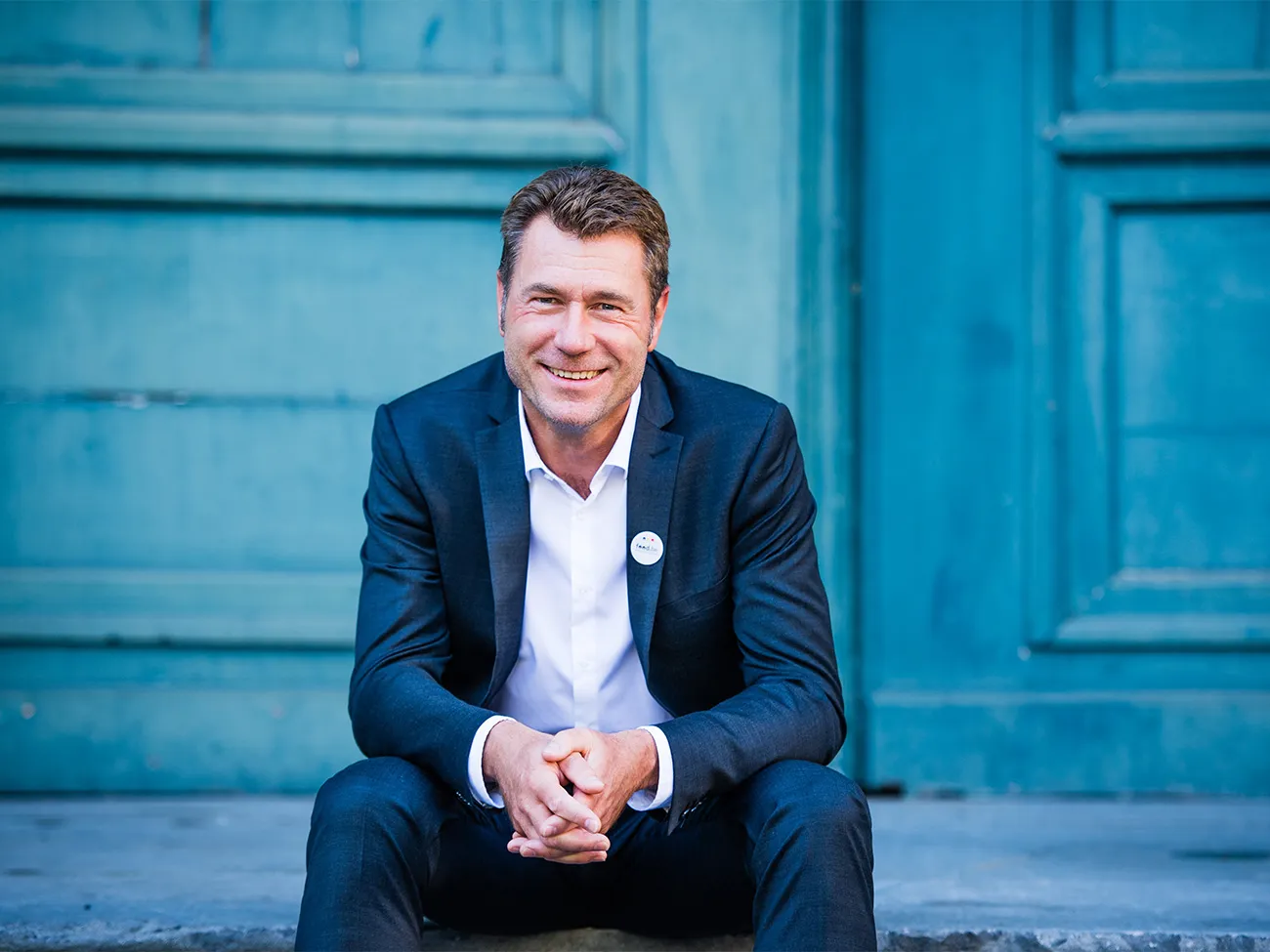
As the voice of a sector with annual turnover of €55 billion, €1.7 billion in investment and more than 95,000 employees, Fevia, the federation of the Belgian food industry, is a key market player in our country. Want more figures? The federation represents 27 sectors and more than 700 member companies producing quality food and drink. These economically turbulent times bring enormous challenges, but also put fantastic opportunities within reach. We visited CEO Bart Buysse for a conversation.
The food industry has been a leading sector in Belgium for years in terms of turnover, investment and employment. The coronavirus crisis brought a number of issues into sharp focus, including the importance of a balanced diet, a smoothly functioning supply chain and greater agility among the various food-chain partners. How does Bart Buysse view these and other challenges?
Food tailored to new needs
Belgian food companies and their partners are keeping a close eye on new trends and developments. Fevia’s CEO confirms: “With longer life expectancy, changing dietary and consumer needs, and a stronger focus on sustainable production and consumption, our food companies are investing heavily in innovation. We are seeing more and more inspiring partnerships emerge between different supply-chain partners, both locally and internationally. Partly prompted by the coronavirus crisis, when our turnover fell by 1.7% in 2020 compared with 2019, companies began looking for new ways to bring our tasty, passionately made food products to consumers.”
Lead, Care, Grow
As the federation of the Belgian food industry, Fevia has a number of ‘traditional’ responsibilities. But in 2021, the trade federation is also taking a proactive approach. Buysse: “Alongside our established responsibilities, such as representation, managing the sector’s image, and drafting and defending sector positions, in 2018 we developed a new strategic vision (‘Lead, Care, Grow’). With this vision, we want the sector to lead the way, capture what is happening in society and the media, and translate that information and the challenges it raises into action across our 27 food sectors. In other words, we still have our sights set on our companies, but we are widening the lens to take account of consumer and societal interests more than ever before. By the end of 2021, we aim to launch our new sector-wide sustainability strategy, which fits perfectly with this approach.”
Major projects and specific challenges
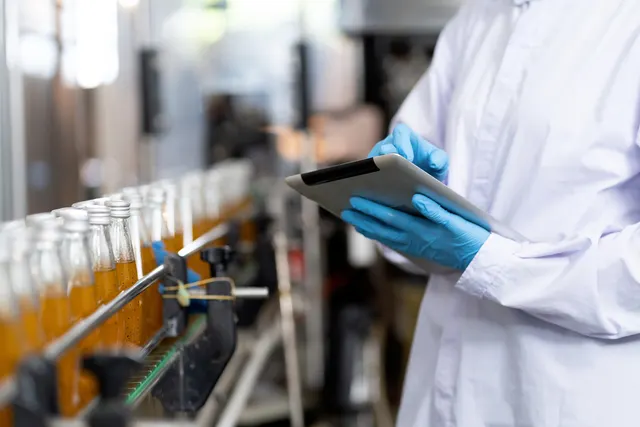
The shift towards a more sustainable food system is one of many challenges facing the food industry in our country. Buysse lists several other major projects. “First and foremost among the major challenges is the need to steer our food companies through the coronavirus storm and get back to pre-crisis levels as quickly as possible. The effects of Brexit also require close attention in our strongly export-oriented sector. In the coming months, additional certificates and formalities, as well as stricter customs checks, could throw a spanner in the works for our companies. And in the longer term, Brexit must not lead to distorted competition. A third major project is the transition to a digital and circular economy. A wide range of technologies, from big data and artificial intelligence to robotics, gives us plenty of fascinating business stories to tell. Energy efficiency and the energy transition are part of this picture too. There is also the serious labour shortage, which is being felt keenly in our sector; our continued efforts to be top of the class in food safety; the focus on healthy eating patterns in policymaking (what measures do our governments have in store?); and further investment in e-marketing and e-commerce. These topics are high on the agenda too.”
Digitalisation and innovation in practice
Today, our food companies and their external partners already have some great stories to tell about digitalisation and innovation. Buysse: “Drones, for example, measure crops in the field to predict what harvests will look like in a few weeks’ time. And big data helps some market players better forecast how consumption will develop, enabling them to respond more effectively to production capacity, consumer behaviour and raw-material purchasing. One of our members is investigating how grain can be grown using minimal land, air and water, so that it could be cultivated anywhere in the world, or even in space. At Expo 2020 Dubai in 2022, we also want to present other projects, such as using mini-drones rather than bees to pollinate plants, and ways to use water more efficiently. Collaboration between people, machines and data can certainly deliver a fantastic win-win.”
Question about this story? Ask your question
Keep following this
Get an email when a new story is published. No account needed.
- SubjectPeople & training