The stronger the team, the better the quality
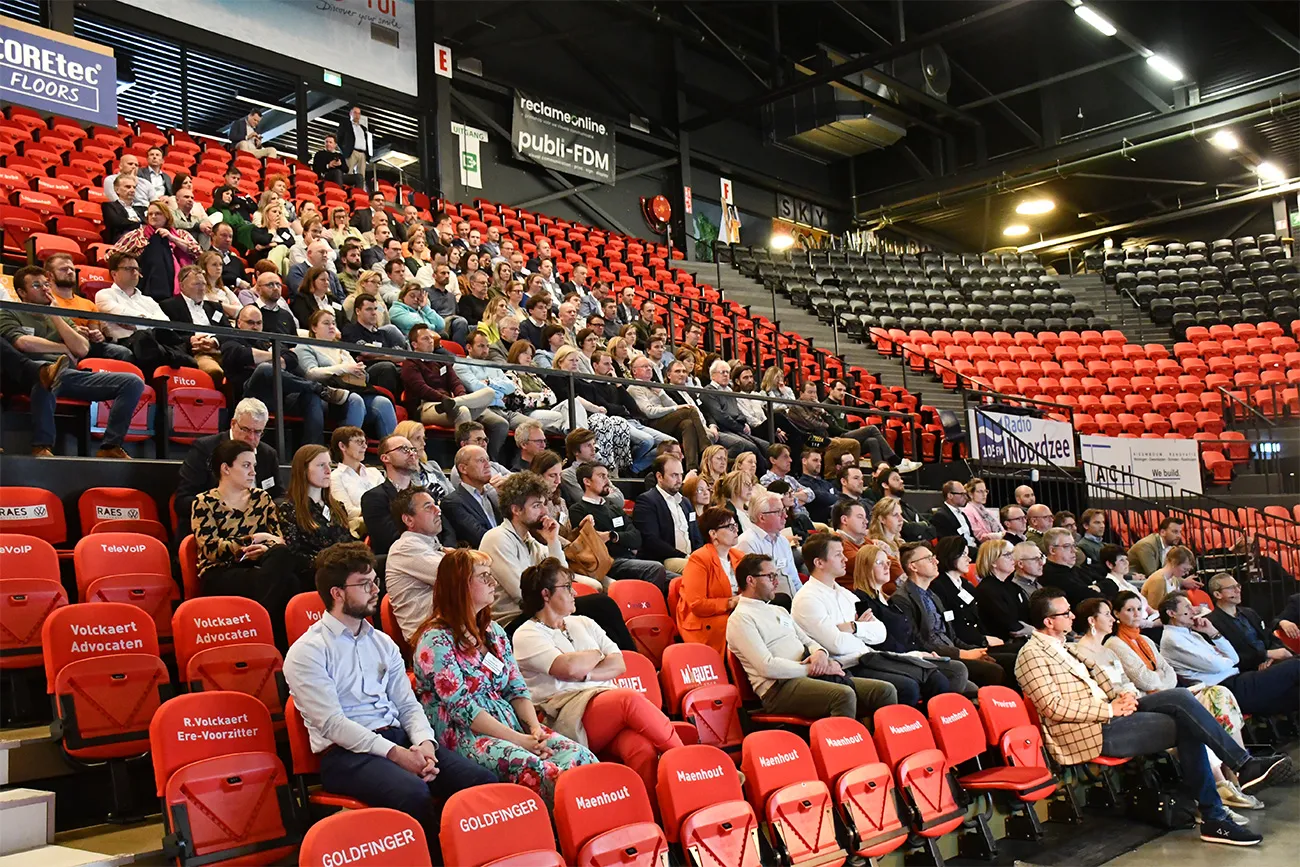
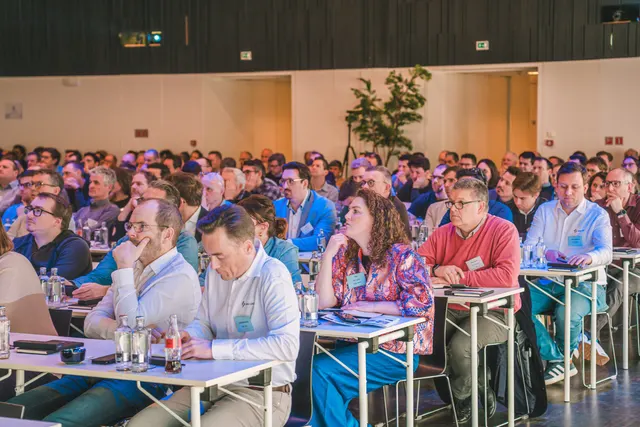
‘Teamwork makes the dream work’. Food safety may not be the first topic that comes to mind for everyone, but it is no less important for that. It was therefore at the heart of this year’s Quality Days. After all, building a food safety culture is about people, and it can only be achieved if every link in the chain is brought on board. It was no coincidence that the venue for this 14th edition was the COREtec Dome in Ostend, home of basketball club Filou Oostende. After all, you can only win the championship 11 years in a row by building a strong team. There was plenty of inspiration, then, for the 200 quality managers in attendance to get their own organisations playing in the top league of food safety.
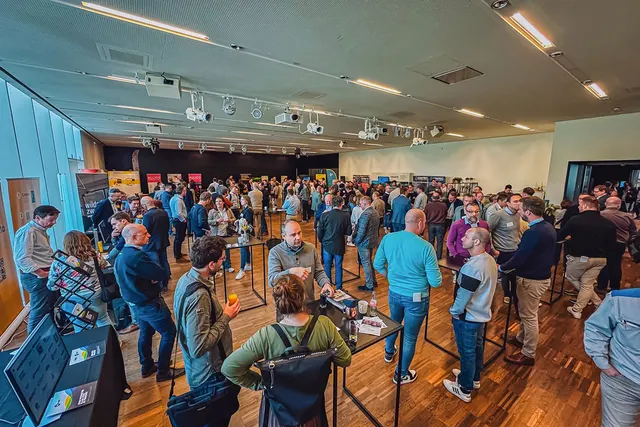
Every year, the Quality Days offer the perfect mix of learning and inspiration on the one hand, and networking on the other. As usual, the fourth Thursday in April is the occasion for quality managers to brush up on their knowledge of quality and food safety. This year, the organisers highlighted the importance of people and team building in achieving a fantastic, food-safe end product. Under the theme ‘Does teamwork determine the quality of our food?’, three experts shared their views. An afternoon of information concluded with a panel discussion. Here are the key insights.
“Five minutes to midnight”
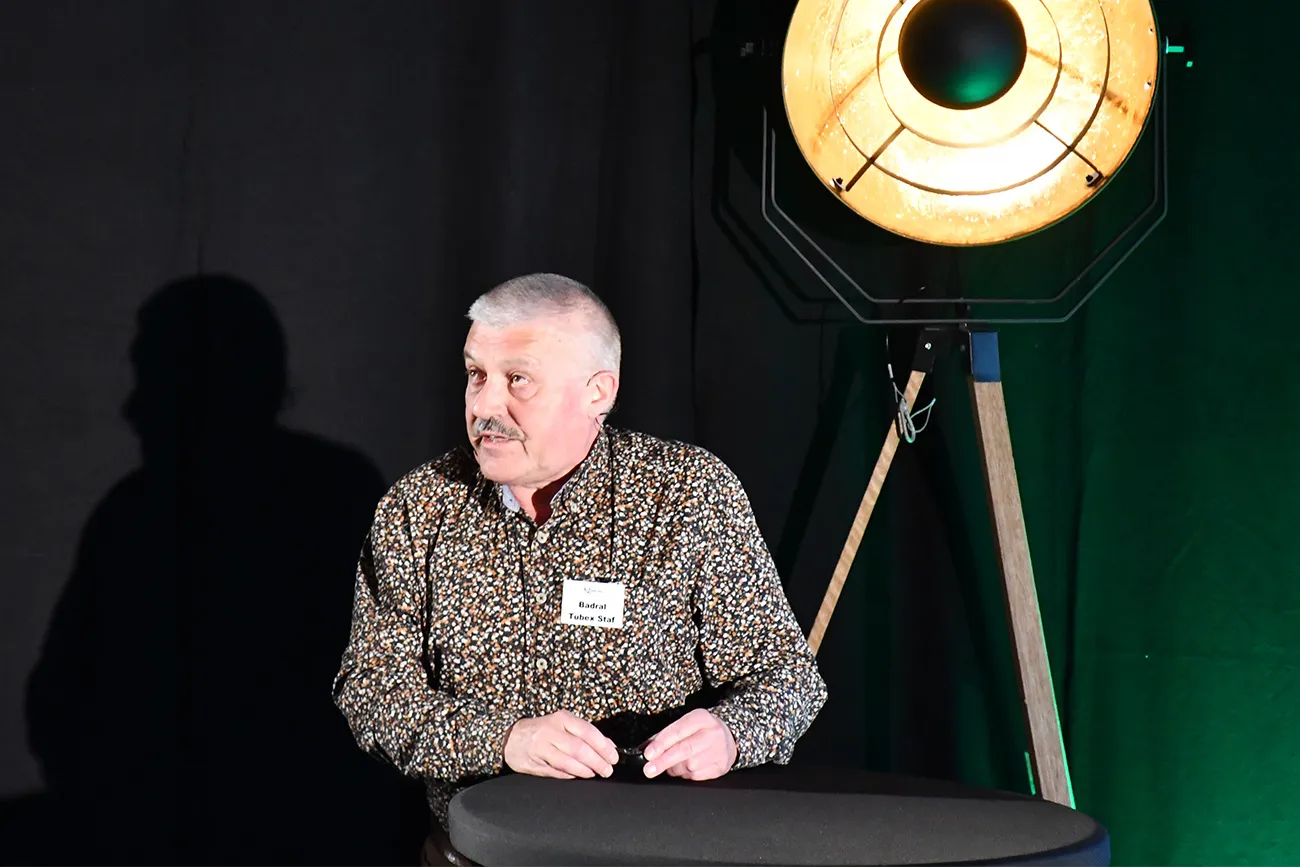
Staf Tubex, managing director of Badral Management, got proceedings under way. As an interim manager, he has spent recent years working with food companies in difficulty. He was therefore ideally placed to explain why things so often go wrong. “I usually only come in once the financial results have plummeted. By then, it’s already five minutes to midnight. One complaint I hear almost everywhere is that people on the shop floor have not been listened to, leaving the business without any structure. This is often due to short-term thinking, with indiscriminate cuts to staff, preventive maintenance, training … That has led to internal errors, staff turnover and a brain drain, and sometimes even the loss of certifications. In short, it has created the precarious situation the company finds itself in.” Putting everything right again takes time and money, as well as an enormous amount of energy from the change team. “One of the most important lessons I’ve learnt is that people are quite willing to think about how things could be improved. Maslow’s theory of motivation dates back to ’43, but it is still relevant today: people need recognition and self-actualisation. So give them the trust they need.”
Trust as the foundation
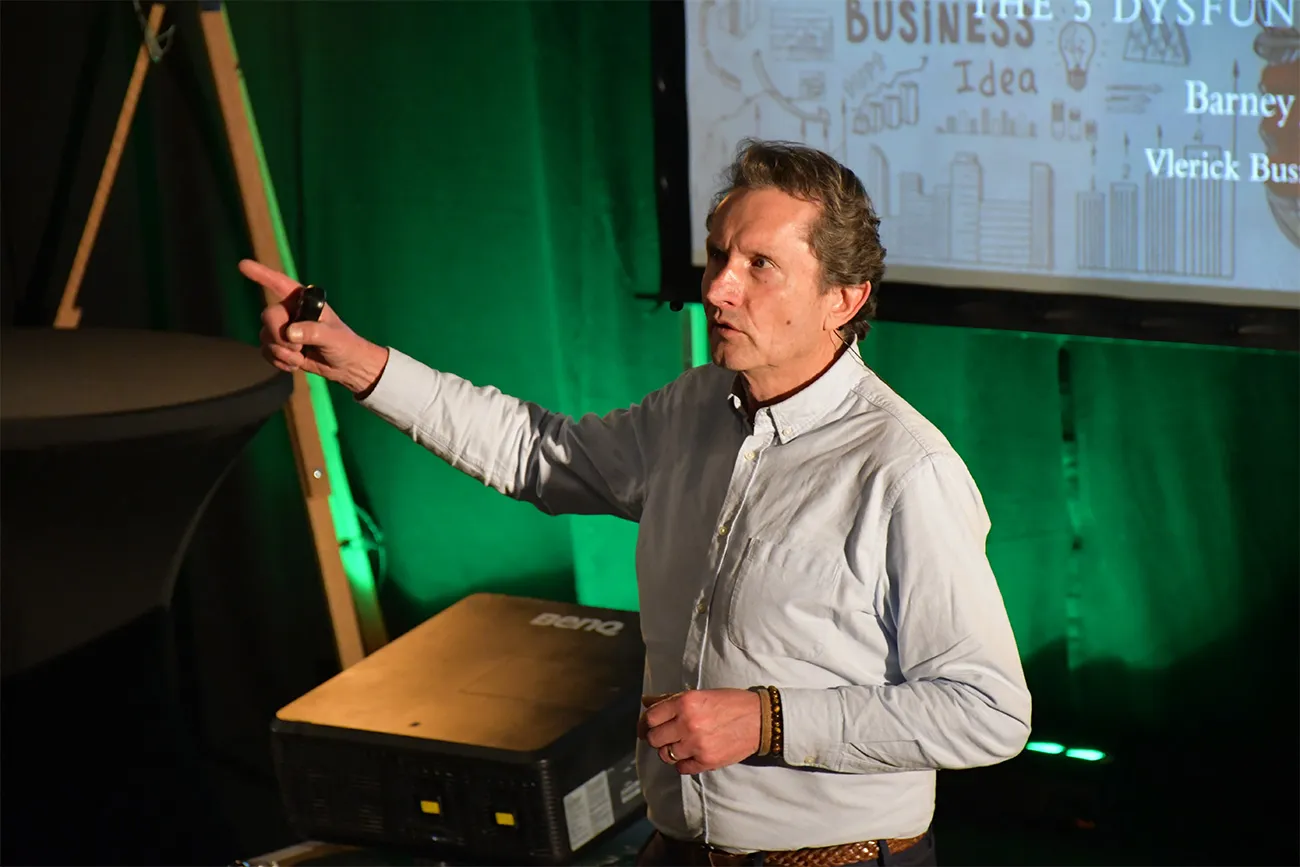
Next up was Barney Jordaan, professor at Vlerick Business School. He too sees trust as the key to building a good team. He points to Lancioni’s model of the five elements of a functional team, in which trust forms the solid foundation of the pyramid. But how can you, as a team leader or quality manager, earn and maintain that trust? “The good news is that there is even a formula for it. It comes down to the sum of your competence, integrity and benevolence, but we need to set that against people’s propensity to trust. Those are factors that depend heavily on culture and personality, and are not always within your control.” Belgium’s score is not particularly high, either. Only 25% think that people can be trusted, below the global average of 30%. “That makes it difficult to foster trust throughout the organisation, but there is plenty you can do to build it within your own team. Interaction, transparent communication and balancing autonomy with monitoring are key. Give your team members a voice and praise them when they deserve it,” Jordaan added.
“What makes us strong? Teamwork!”
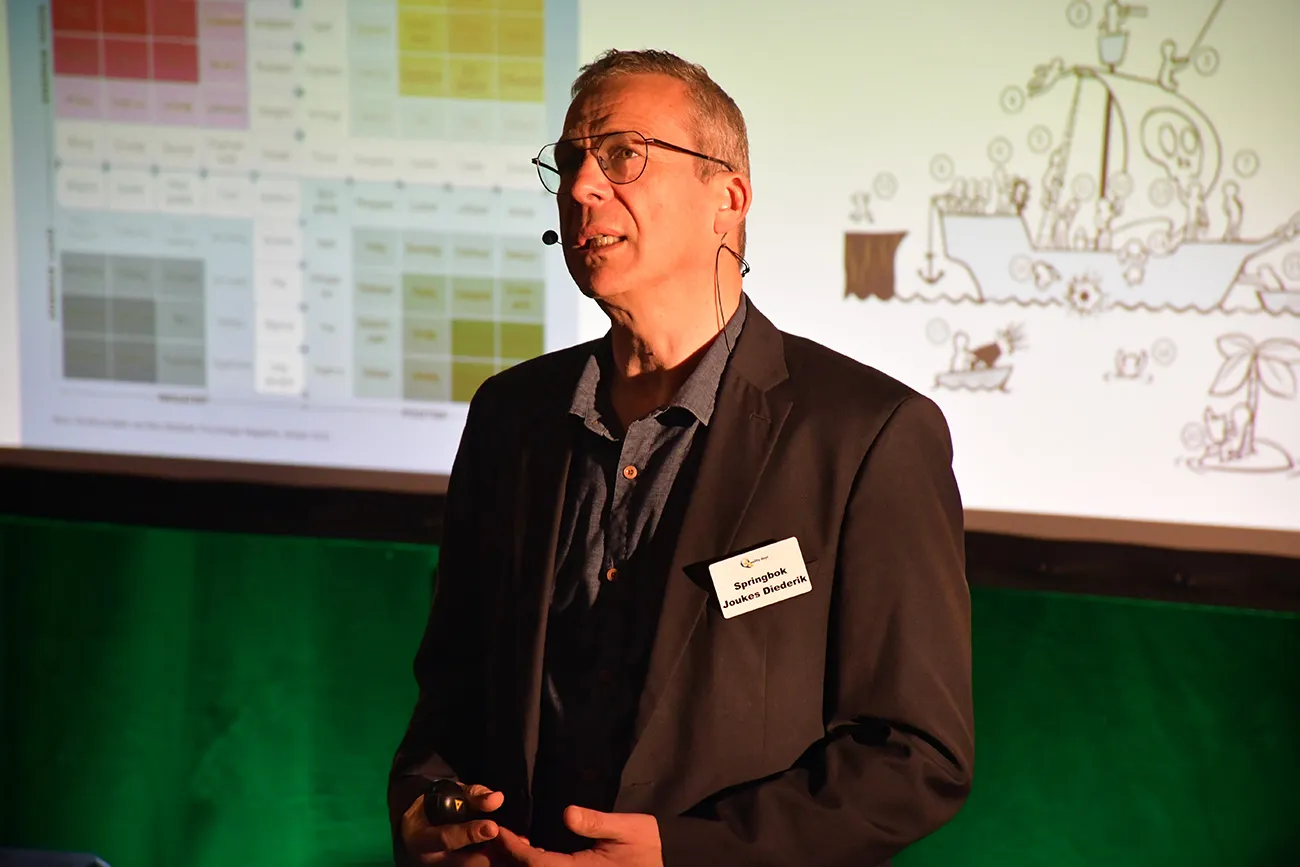
Diederik Joukes of Springbok Health coaching picked up where Jordaan left off. How do we build a stronger team? That was the starting point for his presentation. He opened with a piece of wisdom from everyone’s favourite builder, Bob de Bouwer: “What makes us strong? Teamwork!” “Teamwork is crucial to producing quality. If you want a strategy to work, you need the right culture. And changing it is actually less difficult than it seems, because it is an ongoing process in which you need to push systematically in the right direction. So it is important to know where you want to go and why you want to get there.” A good leader therefore needs to give their team attention and time, including on a personal level. Joukes shared some practical tips on how to make meetings a useful tool. “A check-in can work wonders: taking a genuine interest in what people bring with them makes it easier for them to leave it behind. It is also better to focus on what went well. From there, you can consider what could be improved to set the bar as high as possible for quality. Finally, sum up every meeting in a to-do list that makes everyone’s tasks clear, and follow up on them at the next meeting. That is how you build trust,” Joukes concluded.
Know your team’s strengths
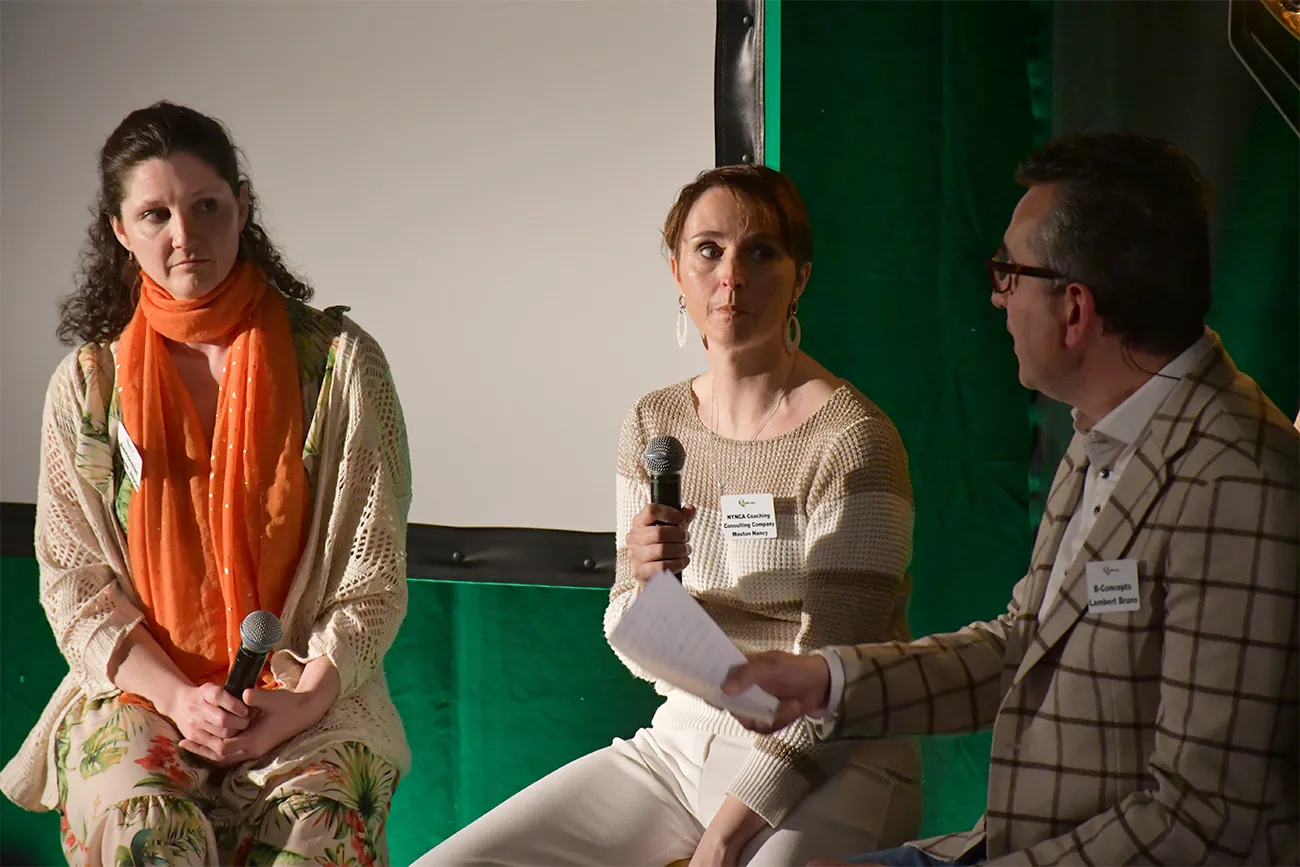
Two more women joined the panel discussion. After a career in quality control, Nancy Mouton now works as an executive coach and consultant, drawing on her 20 years of experience in the food industry to help other companies get on the right track. “I’ve always been fascinated by working with and between people. Today, I help companies build strong teams that can deliver excellent results. You need to put the right people in the right roles. The only way to do that is to understand their strengths, know what they enjoy doing and take that into account. You can see the difference straight away on the shop floor. Some people are really committed and feel good in their jobs. Then there are those who seem to have left their brains at home and do only the bare minimum. That makes it easier for mistakes to happen, whereas otherwise people think things through and help prevent them.”
Put feedback into action
The final word goes to AMNorman Consultant Joyce Buysse. She emphasises how important it is, when things do go wrong, to carry out a thorough root cause analysis that goes beyond a round of finger-pointing. “If the packer has picked the wrong boxes for packing the biscuits, you need to dig deeper and find out which processes and procedures failed. You have to tackle problems at their source if you want lasting solutions and a food safety culture. And if employees make suggestions, show them that their input or feedback is actually acted on. At the very least, you need to consider it and explain why it is or isn’t being taken forward. Learn to really listen to your people, and map out a path to better food safety together.”
Question about this story? Ask your question
Keep following this
Get an email when a new story is published. No account needed.
- ThemeFood safety from design to audit
- SubjectPeople & training