A simple guide to checkweighing
Text Valérie CouplezImage iStock
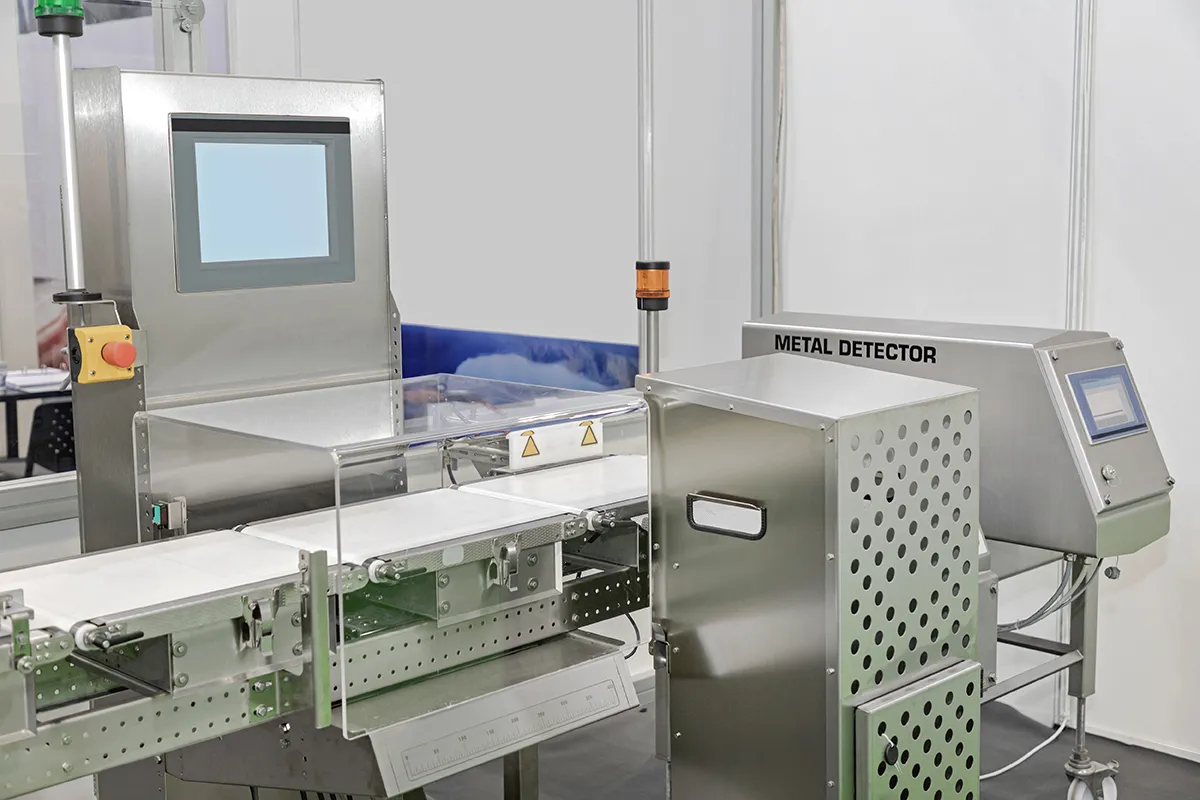
Checkweighing, or dynamic weighing, involves weighing items as they move along a production line. This article outlines the basics of checkweighing.
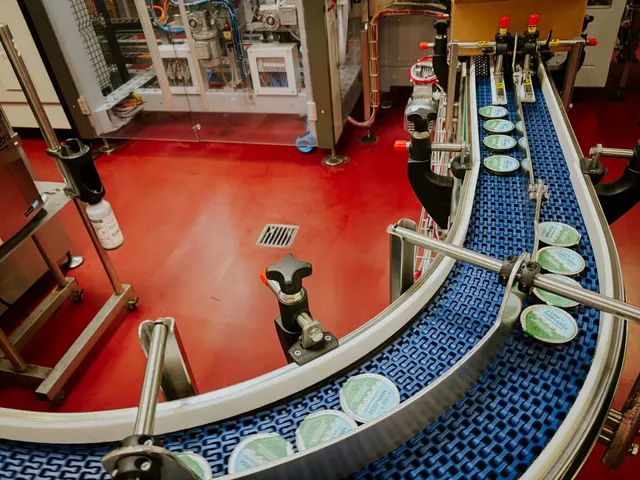
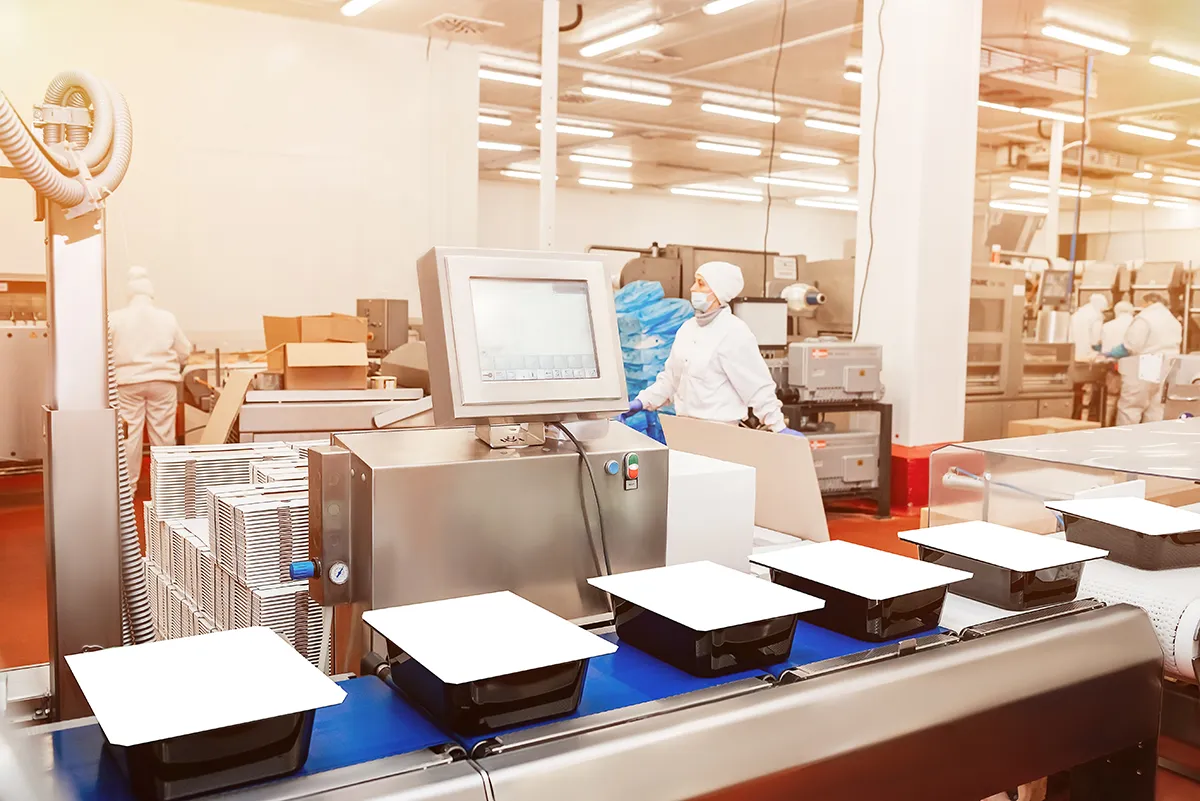
These systems typically consist of an infeed conveyor, a weighing section and an outfeed conveyor with sorting or rejection equipment. As products pass through the system, their weight is measured and categorised according to preset weight ranges. Dynamic weighing differs from static weighing in several ways:
- Static scales weigh stationary products, whereas checkweighers weigh products as they move along the line, making the process fully automated.
- Static weighing typically involves manual sampling, whereas dynamic weighing automatically checks the weight of every product on the line, resulting in greater consistency.
- Checkweighers operate within strict tolerance limits. Products outside these limits are automatically removed from the line to maintain quality standards.
Why install a checkweigher?
With manual methods, which check only a small sample, most products go unchecked. For example, weighing 15 out of 6,000 packages covers just 0.25%, whereas checkweighers inspect 100% of products, in real time and without interrupting the production line. This technology helps manufacturers comply with national and international weighing regulations. In Europe, EU legislation requires products to match their declared weight, and no package may be significantly underweight. In the US, for example, the average weight must match the label, and no package may exceed the legal limits. Checkweighing also helps protect brand reputation by ensuring consistent product quality. Underfilled products can lead to dissatisfied customers, lost sales and costly recalls. This technology builds consumer trust and supports brand loyalty. As global markets demand clearer, more accurate labelling, precision weighing systems help manufacturers stay competitive.
How do checkweighing systems work?
At their core, these systems are equipped with load cells, sensors that convert the force exerted by a weight into an electrical signal. When an object is placed on the scale, the load cell measures its weight and sends the data to a digital display. These dynamic weighing systems often work alongside other machines, such as filling or packaging equipment, to streamline the weighing process. By integrating accurate weighing systems into production lines, manufacturers can monitor product weights in real time as products pass through the various stages of production. If a product is too heavy, for example, the system can alert operators or automatically adjust the filling machine to resolve the issue. This reduces the risk of product waste, which is important for businesses looking to cut costs. Many checkweighers come with data management software that stores and analyses weight data. This software can track weights over time, providing insight into production efficiency and product quality. By digitising weighing processes, manufacturers can generate detailed reports to support compliance audits and quality checks. In addition, these data can help reveal trends, such as weight variations, enabling manufacturers to improve their processes.
Can checkweighers do more than just weigh?
Absolutely! Modern checkweighers can also be combined with other tools to improve quality control and safety. These include metal detectors, X-ray inspection equipment and vision systems. These combination systems provide additional layers of quality control and safety, all managed through a single interface for ease of use and faster production. Together, they can check for:
- Correct labelling;
- Open flaps on boxes or cases;
- Missing caps;
- Barcode labels and tamper-evident seals;
- Packaging orientation and misalignment;
- The presence of batch numbers, expiry dates or best-before dates;
- Contaminants such as metal, stone or glass.
What food products can checkweighers handle?
Dynamic weighing systems are highly versatile and can accurately weigh both unpackaged and packaged food products. They can handle a range of products, including liquids such as sauces and beverages, solids such as meat and cheese, and dry ingredients such as grains and powders. These systems are also suitable for different types of packaging, including bottles, jars, cartons, pouches and bulk containers. This flexibility allows manufacturers to use a single checkweigher across multiple product lines, ensuring consistent weight control and maximising operational efficiency.
Where should checkweighers be installed?
Dynamic scales are typically installed at critical control points in production, before and after packaging, and just before goods leave the factory. By positioning them strategically, manufacturers can detect weight discrepancies early and prevent downstream problems such as waste, regulatory breaches and packaging errors.
The evolution of checkweighers
Checkweighers are part of a broader shift towards intelligent weighing automation, using real-time data, connectivity and machine learning to drive automatic adjustments across the production line. These systems do more than just measure weight; they actively contribute to process optimisation. With feedback control, for example, the checkweigher communicates directly with the upstream filling machine. When weight deviations are detected, the system automatically adjusts fill volumes to maintain consistency. This continuous fine-tuning reduces overfilling, minimises ingredient waste, improves yield and ultimately helps manufacturers maximise profits. By increasing accuracy, reducing rework and enabling predictive maintenance, intelligent checkweighers support more sustainable, cost-effective and profitable production.
Question about this story? Ask your question
Keep following this
Get an email when a new story is published. No account needed.
- ThemeSmart production with data
- SubjectSolutions