Brine: smarter for your process, better for your people
Text and images Zoutman
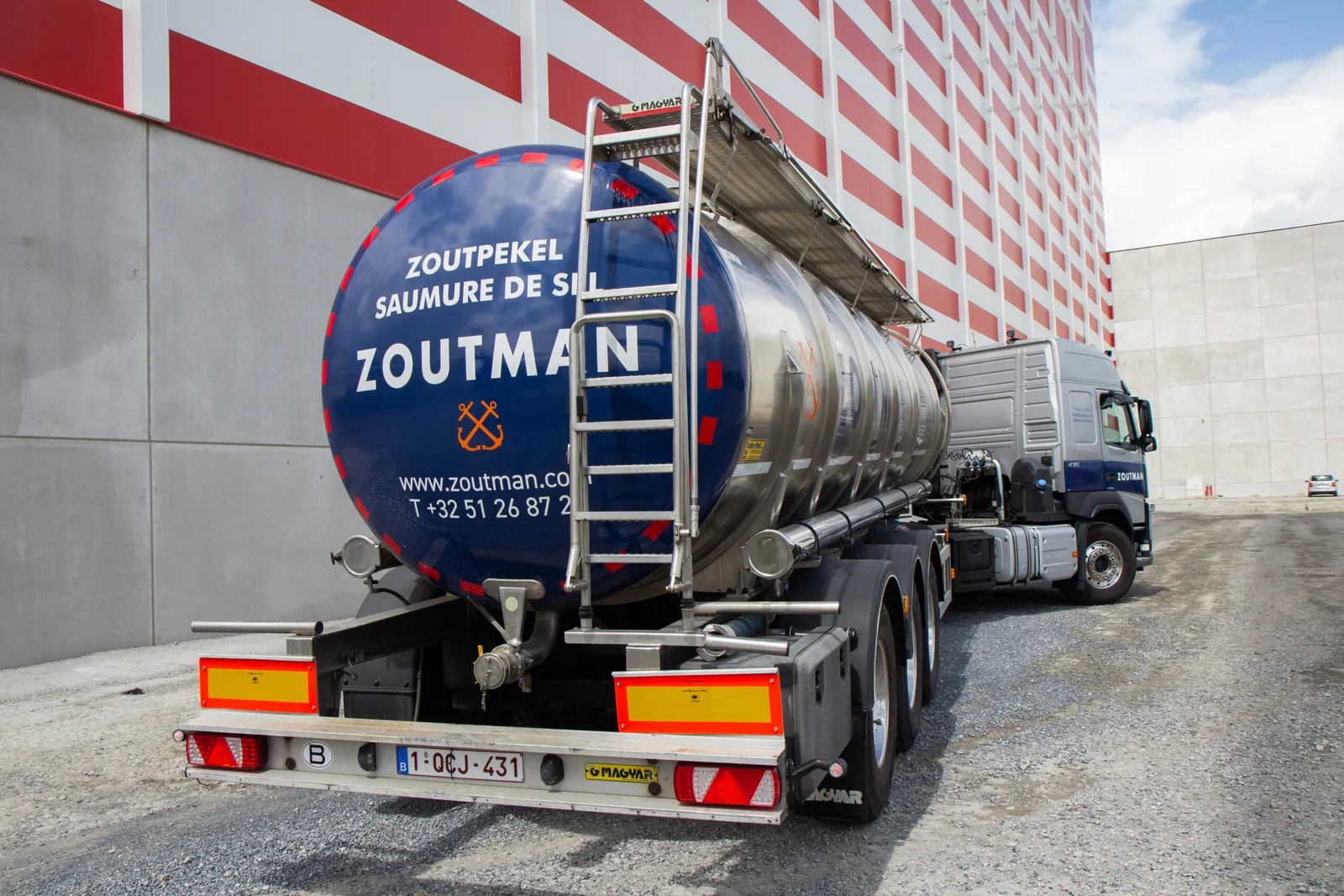
More and more food companies are switching from dry salt to ready-to-use brine. Not just for greater precision or efficiency, but above all because work on the production floor can simply be made more ergonomic.
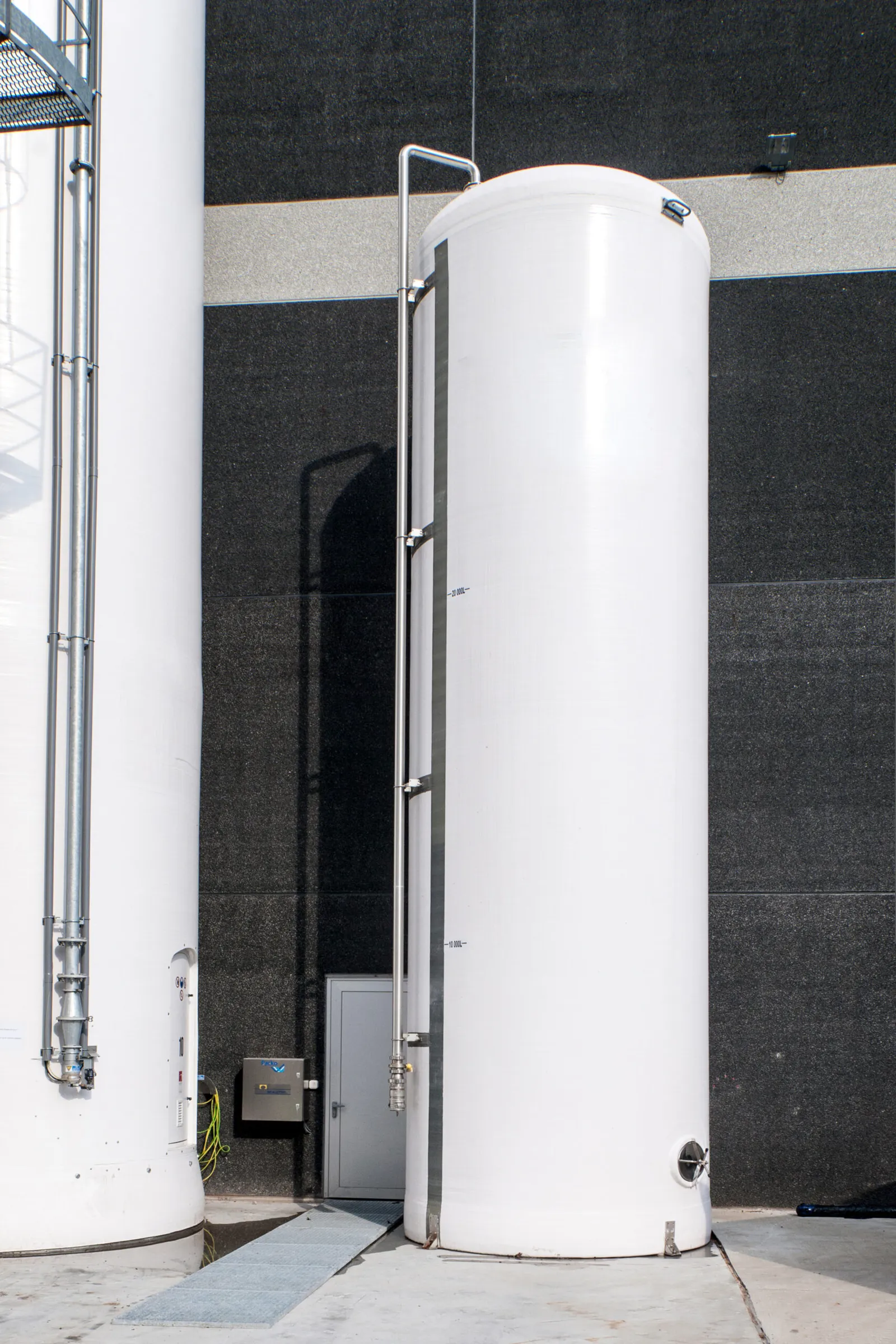
Companies still handling bagged salt know the problem: heavy industrial bags that have to be moved, opened and emptied by hand. This places a physical strain on workers, involves repetitive tasks and increases the risk of accidents at work. Even switching to bulk salt often leaves a labour-intensive process. The salt still has to be handled on site, often using additional equipment and manual intervention. Ready-to-use brine completely breaks this pattern: no bags, no lifting, no manual handling. The brine is delivered directly and stored in a brine tank, ready for use in the production process. The result is a working environment that is not only more efficient, but above all safer and more pleasant for employees.
Fewer steps, less risk
Every additional step in a process is a potential source of error. With dry salt, this means transport, storage, dosing and making the brine in-house. That last step is crucial. Dissolving salt requires precision: variations in concentration can directly affect the taste, quality and consistency of the end product. Ready-to-use brine removes that uncertainty.
- The concentration is exact and consistent;
- The product is food-grade and ready to use;
- The process is simpler, and therefore more reliable.

Making smart use of water
Sustainability is also becoming increasingly important, alongside ergonomics. In regions such as northern France, companies are assessed on their own water abstraction, particularly during periods of drought. Here, brine makes a difference once again. When you make brine in-house, you use local water, and this counts towards your consumption in full. Purchased brine is different: the water is already part of the product, so it is not counted as local water abstraction. For water-intensive sectors such as the potato industry, this is a strategic advantage that cannot be ignored. In practical terms, this means:
- Less pressure on water quotas;
- Less risk during drought (from ‘alerte’ to ‘crise’);
- Less administrative work;
- Greater confidence during inspections.
Paulig switches from dry salt to brine
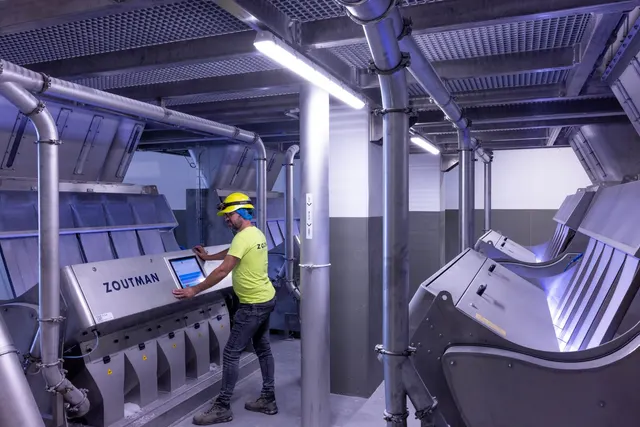
Paulig has three production sites in Belgium for Poco Loco and Santa Maria tortilla chips and wraps, tacos, sauces, dips and dinner kits. With this range, the international family-owned company is one of the market leaders in private-label Tex-Mex products. It is an understatement to say that salt is essential to the production process. Salt is used at almost every stage, from seasoning the dough and the chips to softening the process water. Zoutman is a reliable and flexible partner for this essential part of the production process. “If there’s a problem with the salt, our entire production comes to a standstill,” says Operations Director Bruno Noppe, highlighting its importance. On Zoutman’s recommendation, Paulig switched to salt brine for its chip and tortilla doughs. The brine is delivered ready to use and stored in a brine tank. Employees no longer have to dose the salt, and the same product is used in the water softeners. This is another way of simplifying production. Zoutman’s latest innovation, its telemetry system, takes this a step further. “A pressure sensor on the brine tank allows Zoutman to monitor the brine level remotely,” says Paulig. “When the level in our brine tank gets low, they let us know so we can coordinate the next delivery. We no longer have to monitor it ourselves, and we never run out of brine. That’s one less major concern for us, and a big plus in our partnership.”
Interested? Scan this code to request a brochure with case studies and full technical information about ready-to-use brine.

Een zakelijke vraag aan ZOUTMAN? Get in touch
Companies in this story

Keep following this
Get an email when a new story is published. No account needed.
- ThemeDeveloping new foods
- SubjectSolutions
- CompanyZOUTMAN