Choose the right cooling solution for control cabinets
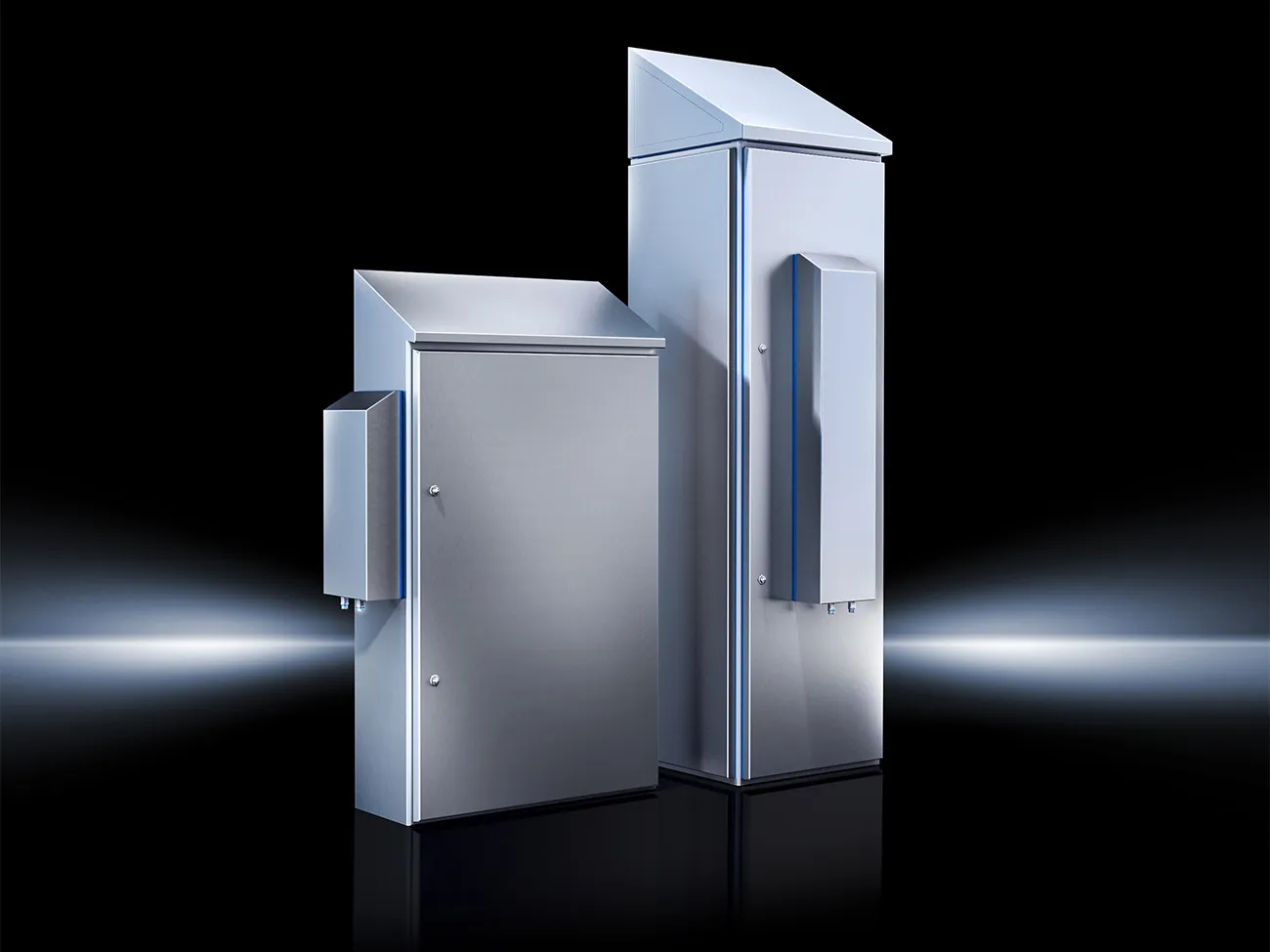
Hygiene is an absolute necessity in the food industry. The surfaces of control cabinets must be easy to clean, and contaminants must not be able to settle on them. Rittal addresses this need perfectly with its Hygienic Design enclosures. The right cooling solution for these cabinets depends on the space in which they are located. In areas where food is prepared, air/water heat exchangers are the best choice. For packaging, storage and dispatch areas, where standard sheet steel or stainless steel enclosures are usually installed, Blue e+ chillers and cooling units can provide a solution.
For applications in the food industry, Rittal offers wall-mounted air/water heat exchangers in two Hygienic Design versions, with cooling capacities of 0.65 kW or 1.2 kW. “Cooling cabinets with water cooling is highly efficient. Because cooling can take place without any exchange with the ambient air, this solution is ideal for applications with higher temperatures. The central cooling water supply can also be used to control the climate in the cabinets, meaning that only the right air/water heat exchangers need to be installed,” says product manager Danny Forré. “The smooth stainless steel enclosure of these systems is easy to maintain, and no screws are visible from the outside. There are no gaps where dirt can accumulate. A blue silicone seal is used, making it easy to distinguish from contaminants such as food residue.”
Energy-efficient chillers and cooling units
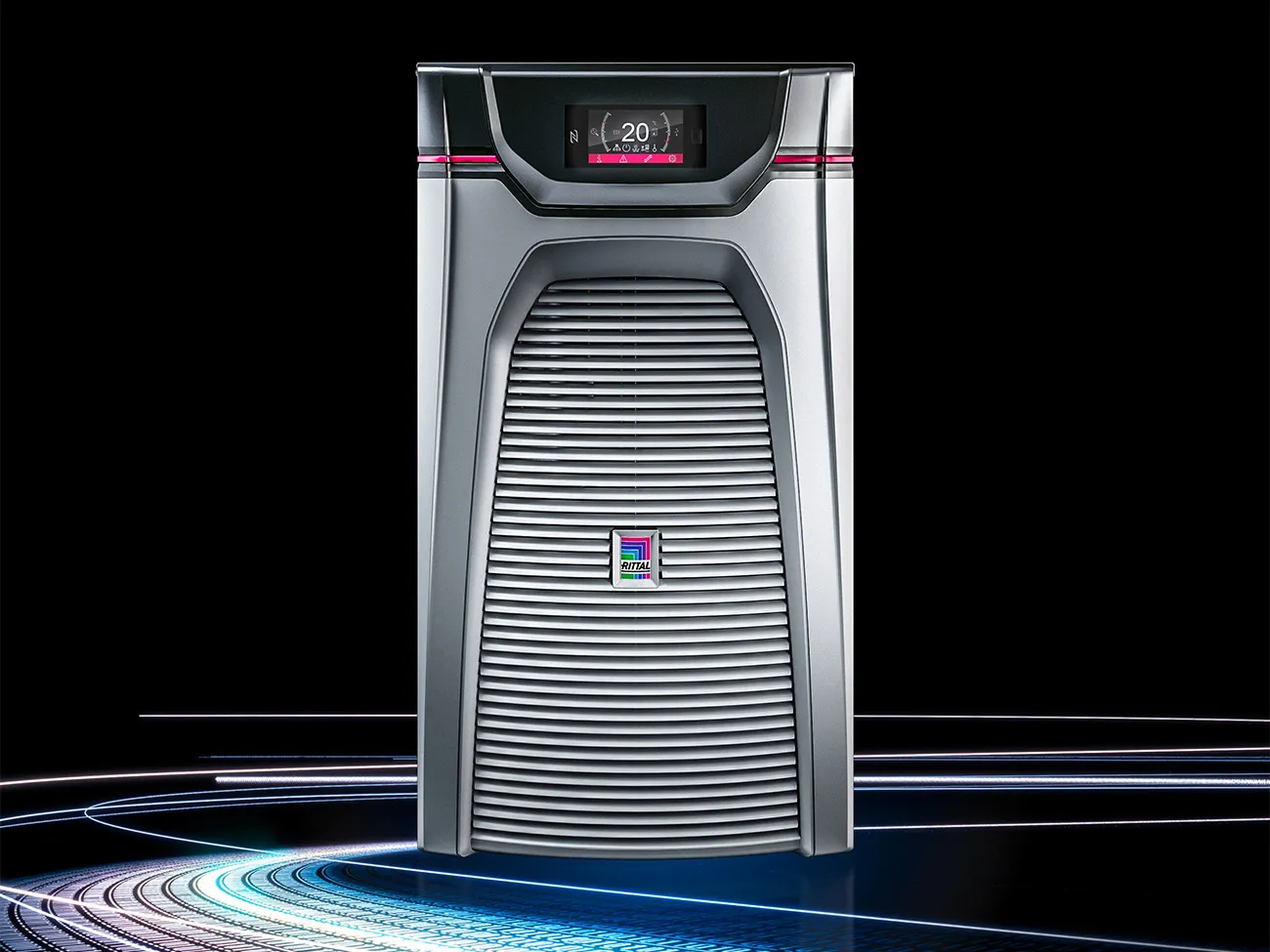
Chillers and cooling units from the Blue e+ range can be used in storage, packaging and dispatch areas. “The chillers are available with cooling capacities of 2, 5, 4 and 6 kW and can be used flexibly at ambient temperatures from -5 °C to 50 °C. The Blue e+ range of cooling units includes systems with a capacity range of 2 to 6 kW, as well as more compact units in a lower capacity class of 1.6 kW, suitable for temperatures from -30 °C to 60 °C,” Forré explains. “Chillers and cooling units from the Blue e+ range are also highly energy-efficient. They use inverter technology, which ensures that the right cooling capacity is available at all times. In our cooling units, we use an innovative hybrid system that combines a compressor cooling unit with a passively cooling heat pipe. Tests have shown that these solutions save up to 75% energy.”
Question about this story? Ask your question
Keep following this
Get an email when a new story is published. No account needed.
- ThemeFood safety from design to audit
- SubjectSolutions