












Fast processing of carrots and onions thanks to reliable measurement data
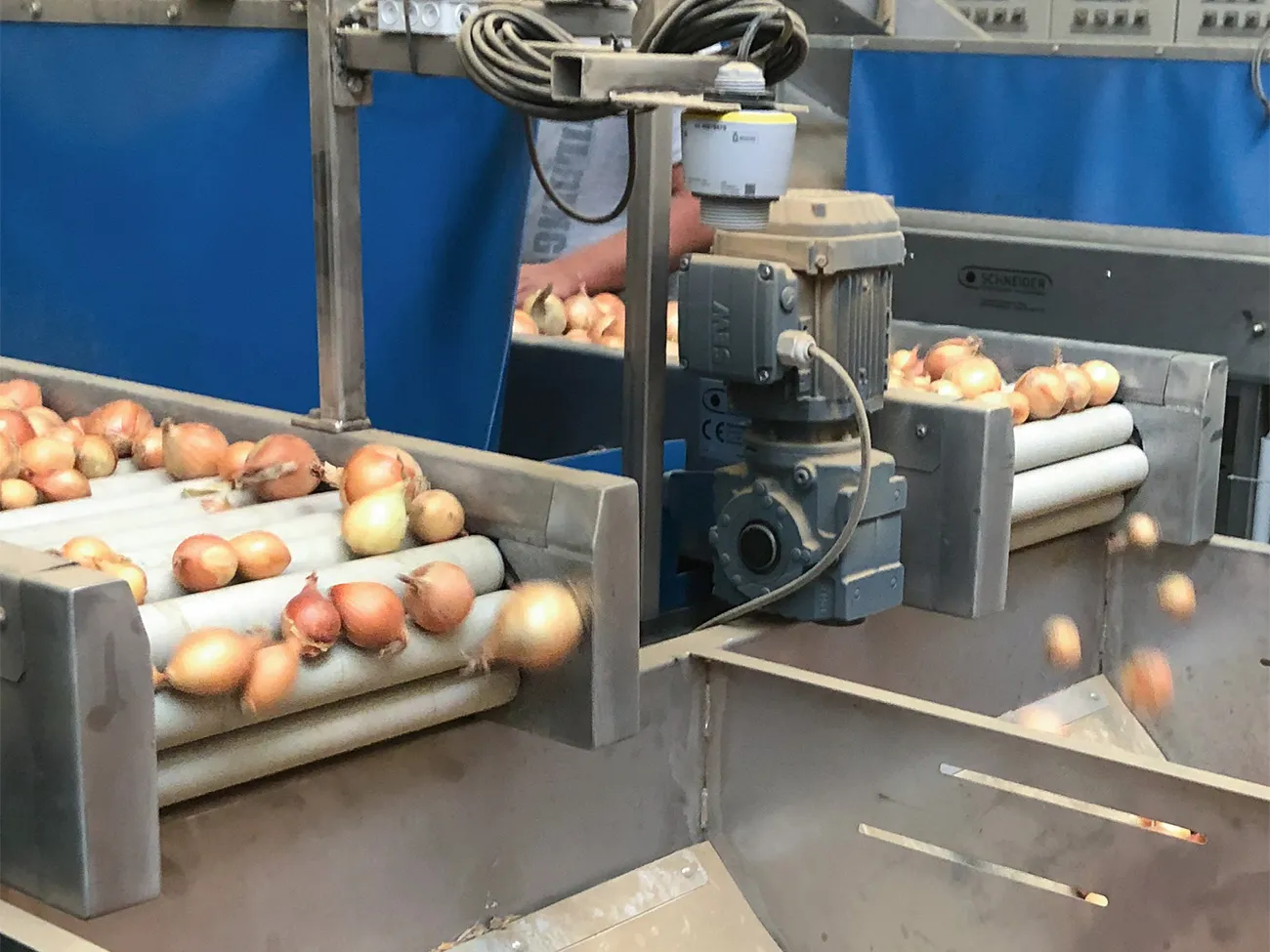
The shortest route from field to supermarket shelf runs through automated packaging processes. The compact VEGAPULS C11 radar level sensor plays a decisive role in this process at German agricultural business Gemüseland Schlereth.
Agricultural business Gemüseland Schlereth, based in Unterpleichfeld, Germany, keeps a close eye on every step from harvest to the supermarket shelf. Its own packaging system and logistics enable it to supply retailers with fresh vegetables straight from the field. It is a mission that comes with its challenges. Martin Schlereth runs the family business with his brother: “We have to comply with more and more legal requirements. At the same time, we are feeling the effects of climate change. Higher temperatures, a greater risk of extreme weather and longer periods of drought are already a reality for us as farmers.”
High level of automation
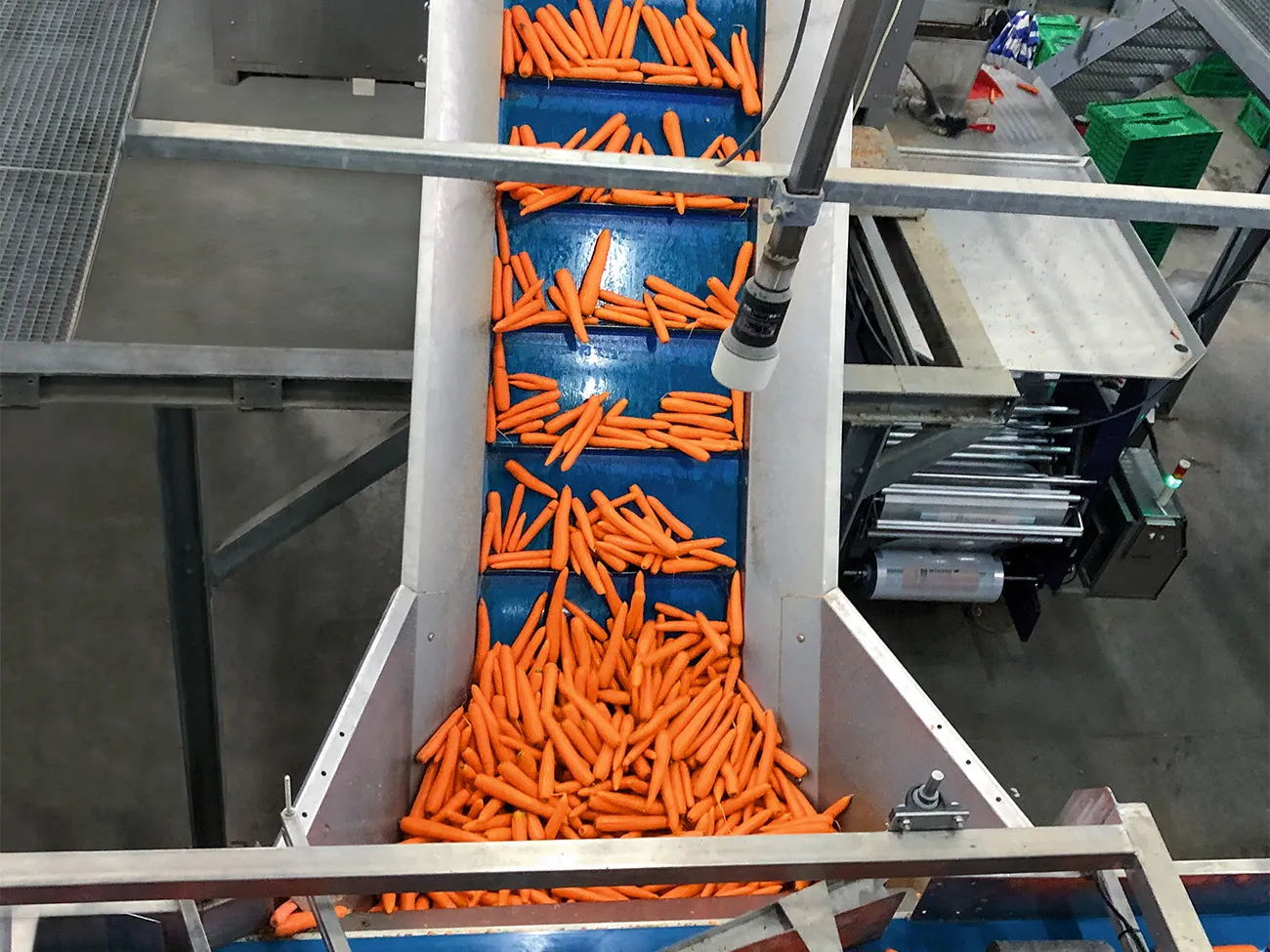
But customers simply want attractive, tasty carrots. The brothers have therefore opted for a high level of automation. As well as achieving high throughput, this allows them to maintain consistent quality. VEGA sensors are used for level measurement at various points in the sorting, filling and packaging systems. The compact VEGAPULS C11 radar level sensor is central to the process. Electrical engineer Joachim Hammer is responsible for automation. When it was time to upgrade the carrot sorting and distribution system in 2019, he asked VEGA’s field sales team to design the installation. There are no off-the-shelf systems in this sector; every installation is built from scratch. And time was short. “A carrot doesn’t care when the processing line is ready. When it’s ripe, it has to be harvested. An installation like this would normally take months, but this system was ready in a week,” says Hammer.
Level measurement underpins automation
To ensure that the entire system runs smoothly and the individual sorting machines and scales operate without interruption, the installation has numerous conveyor belts and diverters, with bunkers in between. Everything is controlled by a PLC. “At first, we tried to measure the level optically. But dust build-up kept causing problems,” says Hammer. Rapid level changes, difficult surfaces, limited space and short distances to the product also presented challenges. But level measurement is crucial to achieving a high level of automation. The problem was solved using several VEGAPULS C 11 sensors, installed 1 to 2 m apart above the chutes, belts and hoppers. “The hermetically sealed VEGAPULS C 11 is very robust, which is particularly useful given the moist clay soil in this area. It sticks to the vegetables. And the sensor also delivers reliable, more accurate readings,” Hammer summarises.
Reliable measurement, fast connection
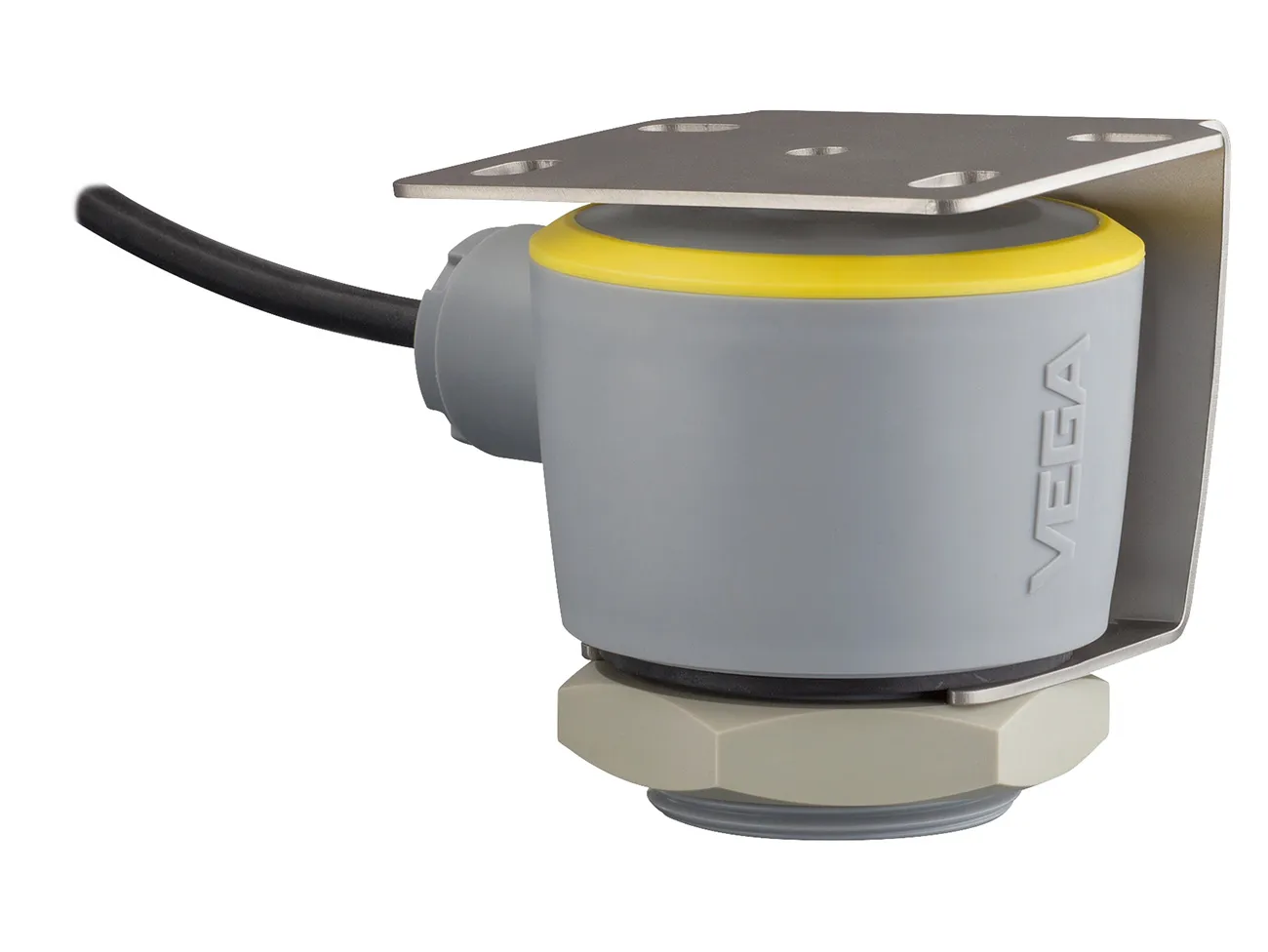
Radar sensors operate independently of temperature fluctuations, vacuum and high pressure, and are also unaffected by contamination. The new VEGAPULS series also measures at 80 GHz, providing excellent signal focusing to better distinguish measurement signals from interference. Another advantage is its compact size. “You build a system to suit your needs. So, in tight spaces, we were very pleased that the sensor was so compact,” says Hammer. Its small size is made possible by the new radar microchip, which is notable for its very small dimensions and low energy-
consumption. Both the sensors and the signal conditioners can be conveniently configured via Bluetooth using a smartphone or tablet. Based on the positive experience, the onion processing and packaging system was also upgraded. It is slightly smaller than the carrot line, requiring only six VEGAPULS C 11 sensors, but onions create a lot of dust in the system. The sensors therefore need to be resistant to build-up.
The right support, every time
Although the VEGAPULS C 11 is very attractively priced, this alone was not decisive for Hammer. “I think it is much more important to have a direct contact who also visits the site from time to time. Level measurement is usually only a small part of the overall installation. I can’t know every sensor in detail, so it’s good to have the manufacturer on hand quickly when you have questions.” Schlereth agrees: “Communication through our electrical engineer was good. The same goes for the quick, helpful advice on the various possible applications.” Schlereth is certain that whenever systems need to be modernised or new facilities built, the company will contact VEGA first with any questions about sensors.
Question about this story? Ask your question
Companies in this story

Keep following this
Get an email when a new story is published. No account needed.
- ThemePackaging and product traceability
- SubjectSolutions
- CompanyVEGA N.V.







