












French fry production perfectly controlled
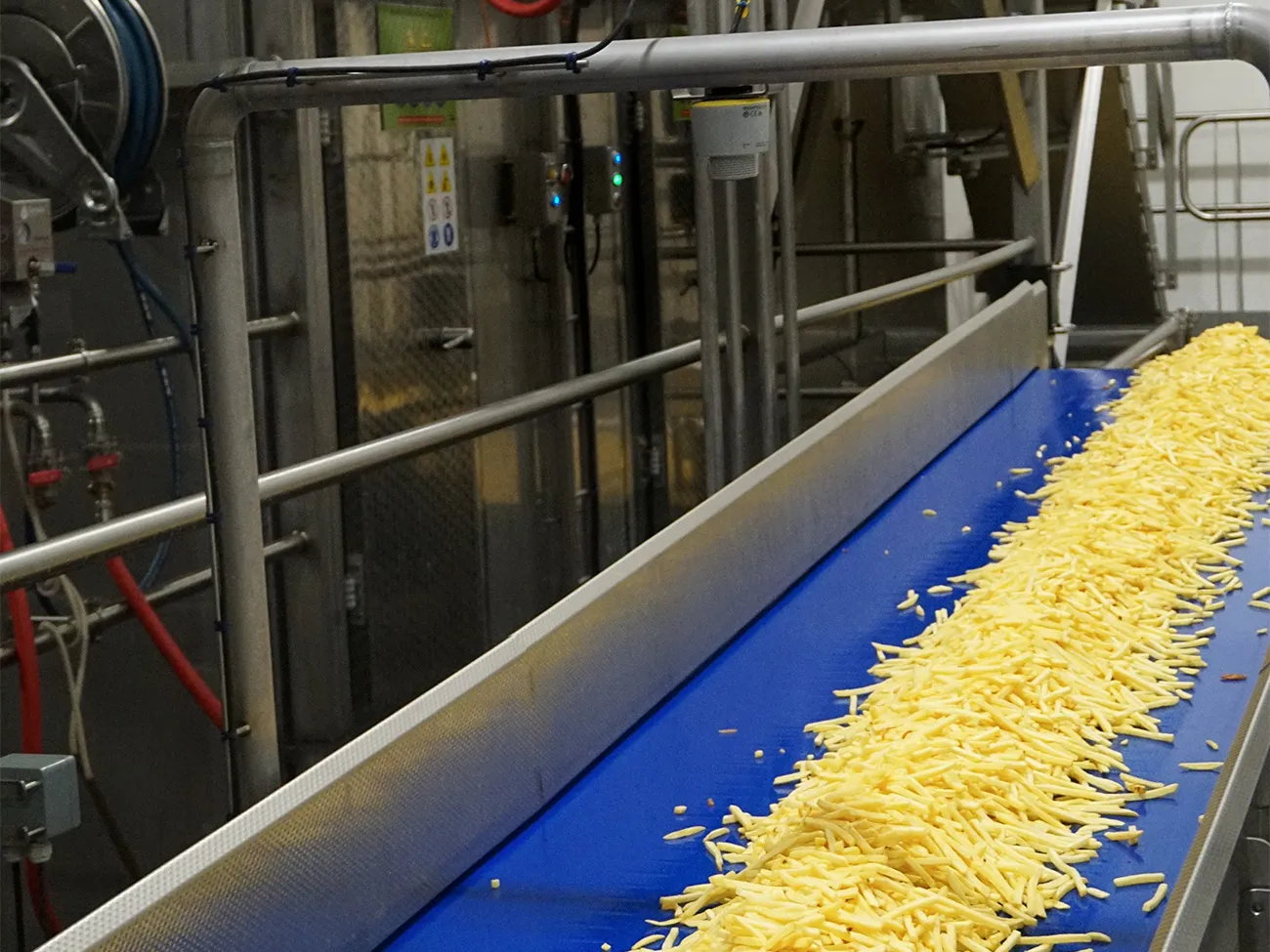
Whether it is classic fries, specially shaped fries or wedges, extra-crispy fries or very thin fries … There is probably no French fry dream that Belgian company Farm Frites cannot make come true. To run its automated processes as efficiently as possible, the company in Lommel relies on VEGA’s level and pressure measurement technology.
The Farm Frites factory in Lommel stands out for its many new installations and modern production facilities, with separate storage and refrigeration areas. The floors are spotless, and all components must be robust enough to withstand daily cleaning with hot water and thorough cleaning with chemicals every two weeks. Alongside the silos and twenty tanks for the different oils, the large potato-processing machines that reach up to the ceiling are particularly impressive. In recent years, as many processes as possible have been automated, both to make production more efficient and to improve workplace safety.
A long-standing partnership
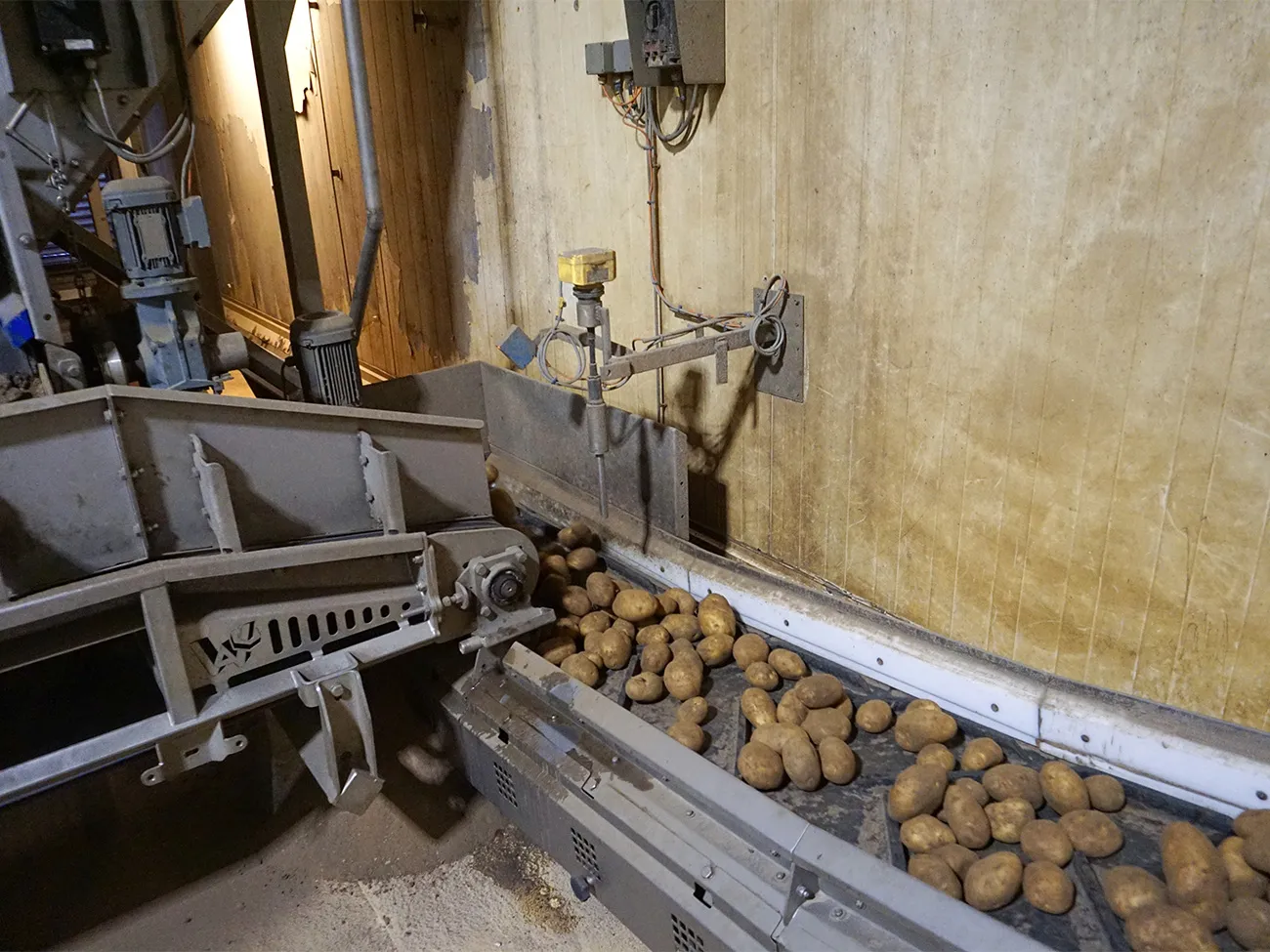
Farm Frites first gained experience with VEGA sensors back in 2005, and some of the units installed then are still in use. The VEGAVIB 61, for example, continues to detect dirty, unpeeled potatoes with great reliability. Since 2019, the company has increasingly opted for these instruments to automate and monitor even more processes. VEGA sensors are used in the many storage tanks for different oils, where they continuously measure and detect the level. Several VEGASWING 51 units have also been installed on the small tanks, along with several VEGAVIB 61 units to detect potatoes in water. The VEGABAR 83 has been in use since 2017, and the VEGAPULS 64 since 2019. This year, the easy-to-install VEGAPOINT 23 level switch has been deployed in the outdoor storage tanks for cooking oil.
Measuring sticky oils
In the past, pressure sensors were used to measure the level in the palm oil tanks. However, palm oil solidifies fairly quickly, often causing false readings as a result of build-up on the pressure sensor. “Sometimes the sensor showed full, at 100%, even though the tanks were actually completely empty,” says Maarten Willems, electrical maintenance manager at Farm Frites. “The temperature of the oil in the tank, which can reach 150 °C at the bottom and is still around 80 °C near the edge, also caused problems.” It was time for a different solution. The VEGAPULS 64 radar level sensor is unaffected by high temperatures or solidified palm oil because it measures without contact. Switching to radar technology therefore easily resolved the problem. It is also much easier to replace a radar sensor than a pressure sensor. “The VEGAPULS 64 does not require an additional process connection at the bottom, reducing the risk of leakage,” Willems explains.
Sensors save electricity
Since 2020, a new addition from VEGA has been used on the conveyor belts: VEGAPULS C 21 sensors measure the height of the fries. “The fries are spread out on the conveyor belt to dry and need to be distributed as evenly as possible to prevent them from sticking,” Willems explains. “When there are no fries on the belts, the sensors automatically reduce the speed of the 25 fans. Each fan uses 22 kW, so this saves a lot of money.” The VEGAPULS C 21 was chosen because it is attractively priced and its operation is unaffected by build-up or condensation. A special application is the ‘Batter Tanks’. This is where the fries are coated with a special layer of water and powder to make them crispier. A whole series of VEGABAR 38 pressure sensors is needed to monitor the supply line for this flavour experience. VEGAPOINT 11 capacitive switches detect high or low levels.
Tank levels at a glance
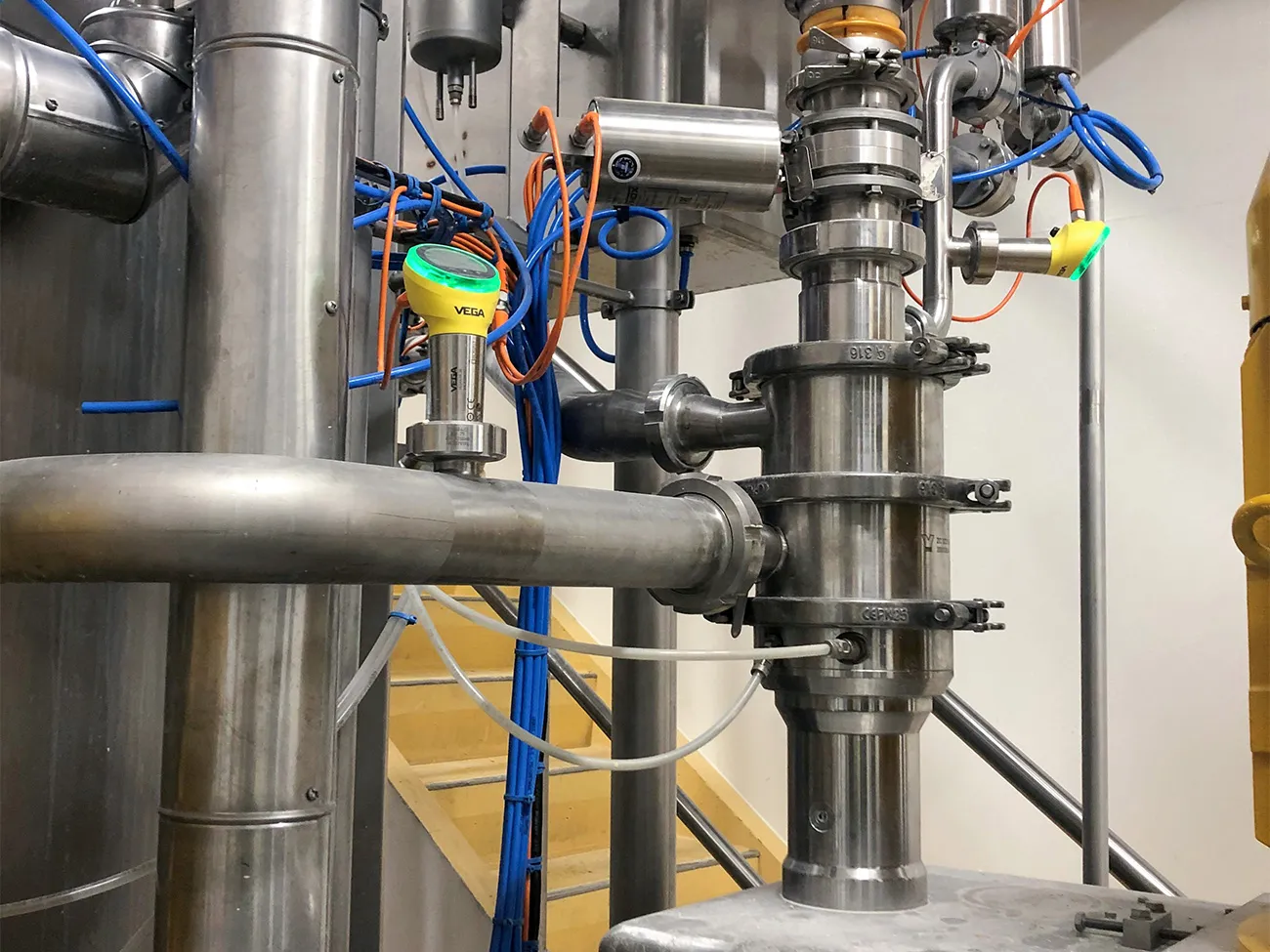
“I commissioned the instruments myself, and they were all very easy to configure using the VEGA Tools app or, in some cases, PLICSCOM,” says Willems. “I can even log in to the VEGAPULS 64 instruments on the storage tanks from my office, which is about 50 m away, to check them or adjust the settings.” He also appreciates how quick and easy it is to commission the VEGAPOINT 23 using the VEGA Tools app. So far, there have been very few problems with the sensors, which operate very reliably. Willems cites the VEGABAR 82 with a ceramic diaphragm as an example: “They are simply robust sensors that still look good despite the sometimes very intensive processes we have here. Unlike other manufacturers, the staff at VEGA Belgium are always on hand, visiting us, providing service or drawing our attention to new developments. I really appreciate that.”
Question about this story? Ask your question
Companies in this story

Keep following this
Get an email when a new story is published. No account needed.
- SubjectSolutions
- CompanyVEGA N.V.







