












How smart printing and coding can optimise your production
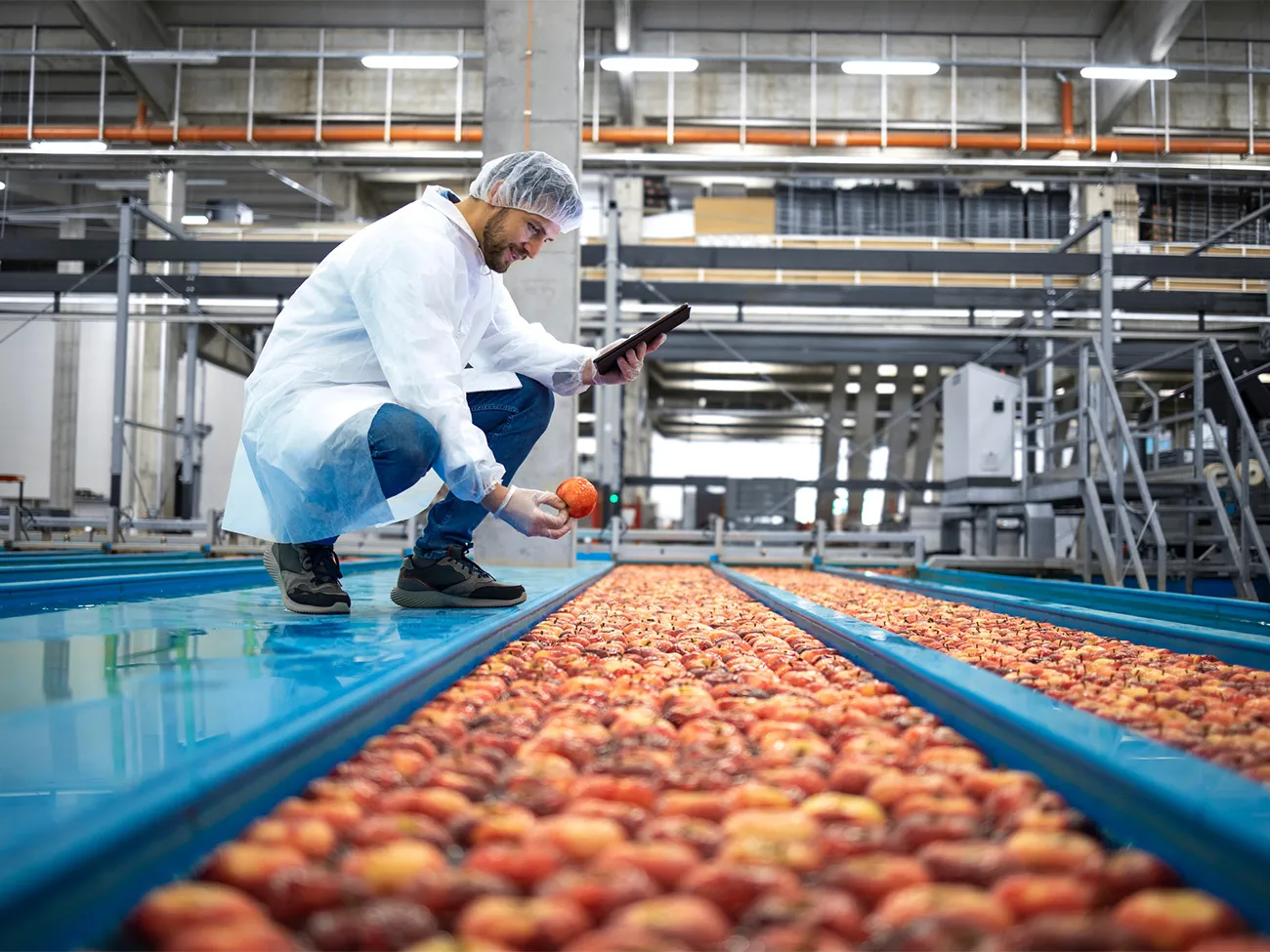
The demands on food producers to produce faster, for longer and in greater volumes, with fewer errors, less waste and lower costs, will only increase in the coming years. They also face the challenge of meeting consumer expectations for a wider range of product variants. This will lead to more production lines and increasingly rapid changeovers between product batches. The food industry is also subject to the trend towards greater sustainability. In short, food producers must do more with less waste and lower costs, without compromising flawless product marking, labelling and coding.
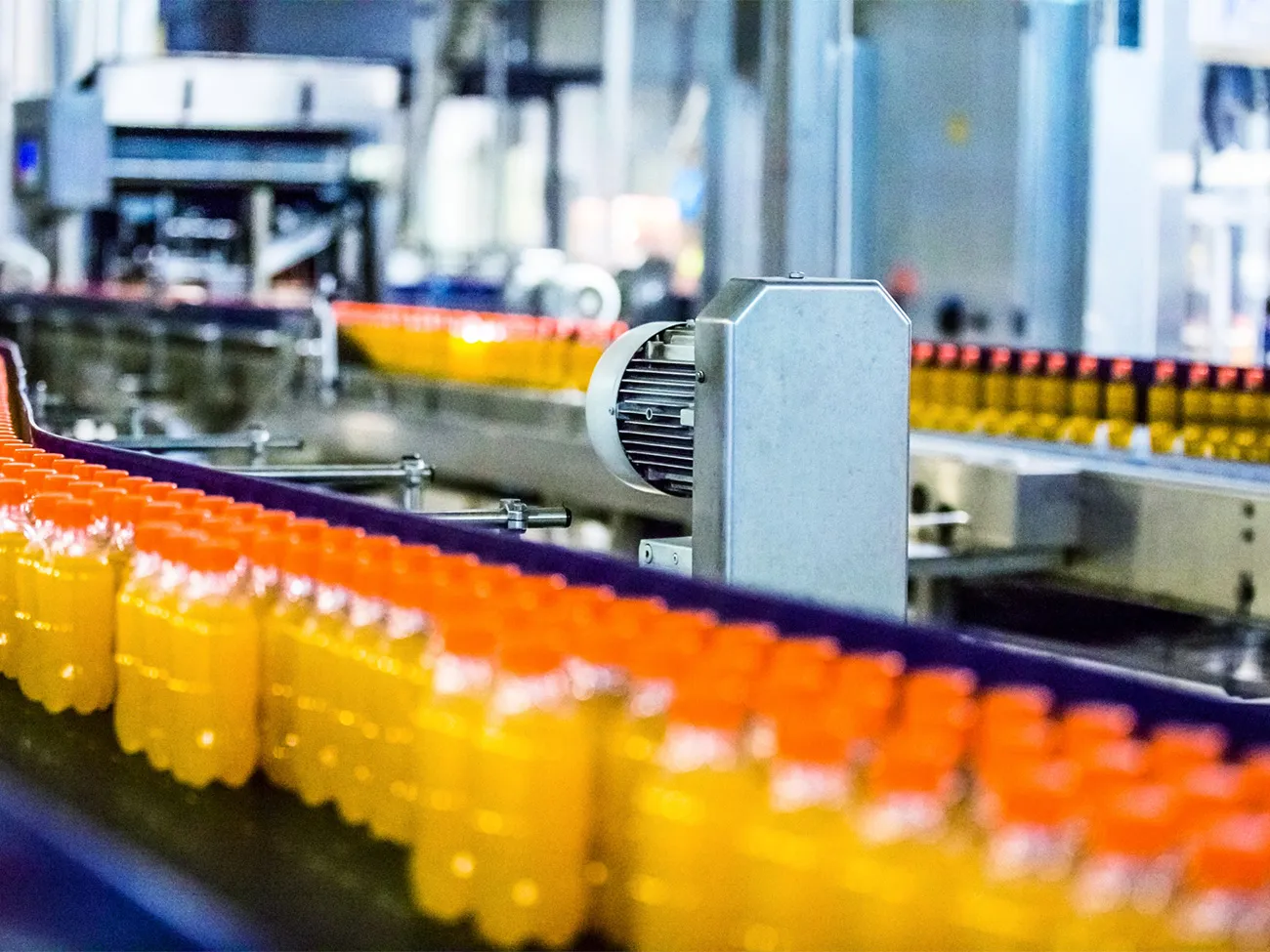
Food companies must therefore scrutinise every step of their production lines in search of efficiency gains, however small, to improve production. After all, every incremental improvement is a step towards full optimisation. Advances in printing and coding technology now enable food producers both to meet standards and to streamline their operations. Drawing on decades of experience in direct coding, Markem-Imaje has now made a major leap forward, enabling efficiency gains at several points along the production line. “We have extremely rewarding relationships with our customers and work closely with them to understand their challenges and address them with products that support not only optimal printing and coding, but also a more efficient process overall,” says Kees Bink, Sales Manager Benelux at Markem-Imaje.
Identifying opportunities for improvement
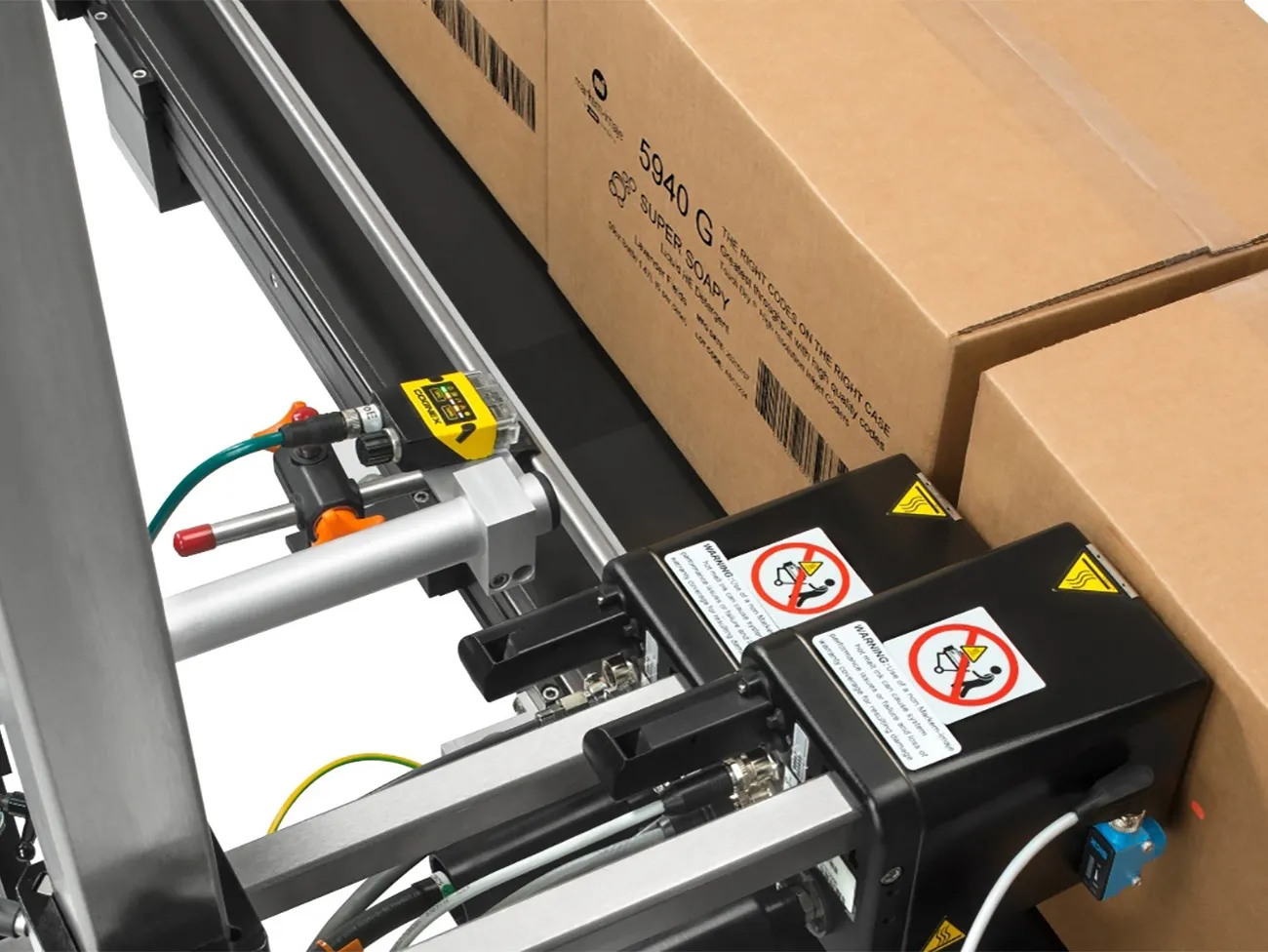
A first step towards improving the efficiency of secondary coding is to work with a supplier that has an in-depth understanding of the sector and can provide the right advice. Bink adds: “We find that our customers can make immediate efficiency gains by switching to direct coding. There are, of course, many advantages to the different approaches to indirect product coding. But for those looking to reduce consumables and maximise uptime, direct coding is an excellent option. And it is something we do very well.” Building on this expertise, Markem-Imaje has just launched the 5940 G, a Touch Dry® inkjet printer. It produces GS1-128-compliant codes, logos and text without labels and in high resolution. “Waste is not only bad for the environment, it also means extra handling, work, attention and time. A label-free solution therefore offers several advantages. What is more, the Touch Dry inks used with the new 5940 G contain no volatile organic compounds (VOCs). This technology is available exclusively from Markem-Imaje, which is why it is so important for companies to match their needs with the right supplier.”
Keeping pace with industry standards
In Europe, as in most regions, major retail chains require barcodes to meet at least GS1-128 Class C. Products are often packed on pallets, so codes must be applied to both sides. This ensures the code is always visible and provides a fail-safe if one code cannot be scanned. Meeting these requirements increases the time and margin for error on a production line. However, smart solutions can help producers keep pace with evolving industry standards. For example, Markem-Imaje’s new 5940 G can be fitted with up to four printheads, allowing both sides of a carton to be printed simultaneously.
Thinking beyond the obvious
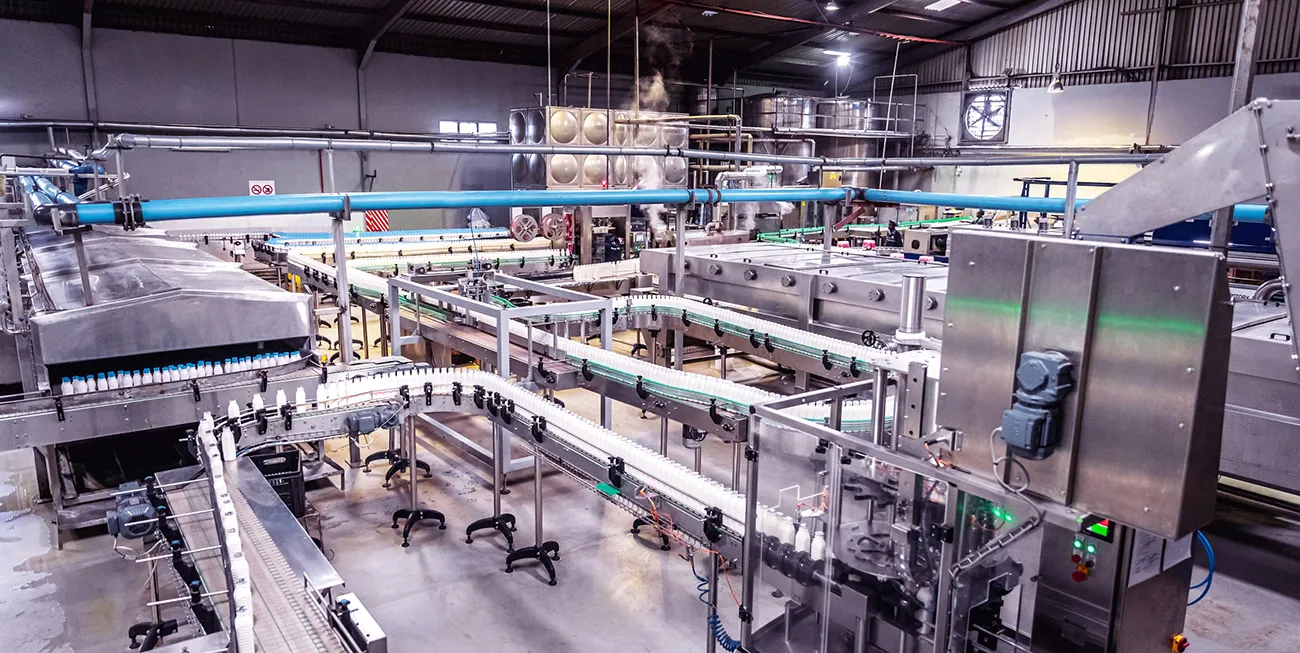
It may not be immediately obvious, but switching to direct printing can also improve efficiency in other ways. Bink explains: “Many of our customers produce under private label. They therefore have to maintain a large inventory of packaging for different brands. This takes up space and ties up capital, while also increasing the risk of errors. Applying secondary codes directly means uniform packaging can be used throughout the entire process.” Food producers looking for ways to optimise uptime and consumables also deserve attention. The Touch Dry ink for Markem-Imaje’s 5940 G gives users an ink reservoir that is 75% larger than those offered by most competitors. This reduces operator interventions by 43%. Markem-Imaje has also designed the reservoirs so they can be replaced without stopping production. “The more continuous your production, the more you can run, the more you can produce and the more profit you can make,” Bink concludes.
Question about this story? Ask your question
Companies in this story
Keep following this
Get an email when a new story is published. No account needed.
- ThemePackaging and product traceability
- SubjectSolutions
- CompanyMarkem-Imaje NV







