Key considerations when selecting a multihead weigher
Text Valérie CouplezImage iStock
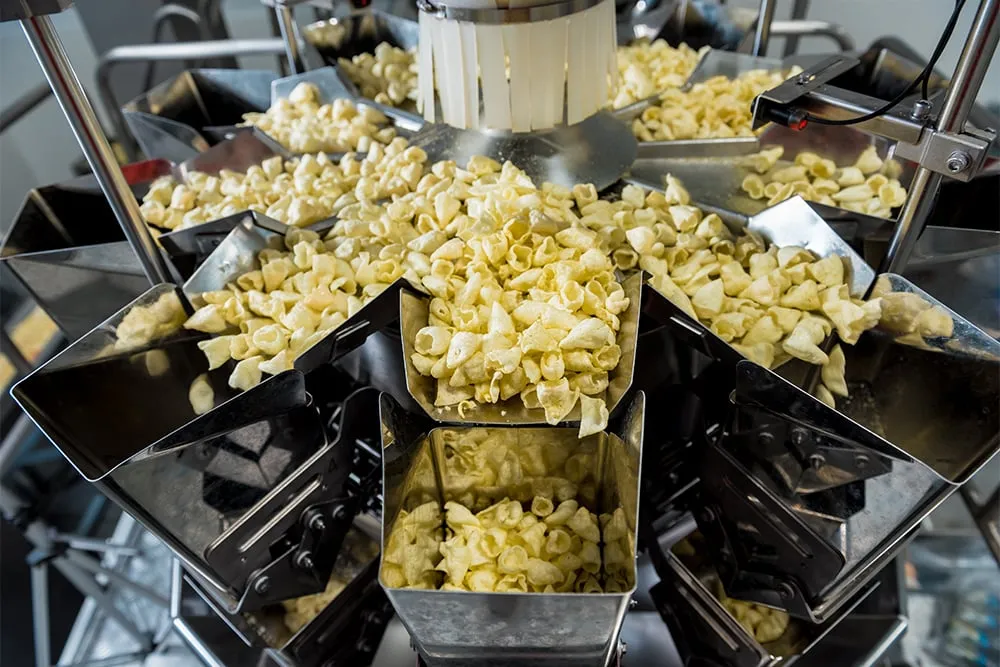
The principle behind a multihead weigher is relatively simple. This weighing solution divides a bulk product into smaller portions based on pre-defined limits programmed into the software. Vibrations and rotary movements are used to feed the product into the weigh buckets (the ‘heads’) and achieve the correct total weight. The key advantage of multihead weighers is their combination of accuracy and speed. Bulk products can be processed extremely quickly without deviating far from the target weight. Manual weighing cannot come anywhere near matching these speeds. But what should you look out for when selecting a multihead weigher?
Thanks to the various functions that can be incorporated into a multihead weigher, a solution tailored to your product type is achievable. This means they can be used across all sectors and handle a wide range of production challenges. There are many factors to consider when choosing a multihead weigher for your factory. Each system has unique features that make it better suited to specific product types or objectives. We have listed the most important ones below.
Number of heads
A multihead weigher can have many weigh buckets, also known as heads, usually from 10 to 32+. The more heads there are, the faster the system can find the best combination to reach the target weight. This also improves the accuracy of portions weighed in a single cycle. If you want to process large quantities of bulk product quickly, adding more weigh heads increases speed without compromising accuracy. Depending on the consistency of the product you are processing, additional features may be needed for efficient weighing. For example, the weigh buckets can have a corrugated surface to help sticky products, such as confectionery and fruit, move more easily along the production line. Smoother surfaces, on the other hand, work best for dry products.
Choosing the right vibration settings
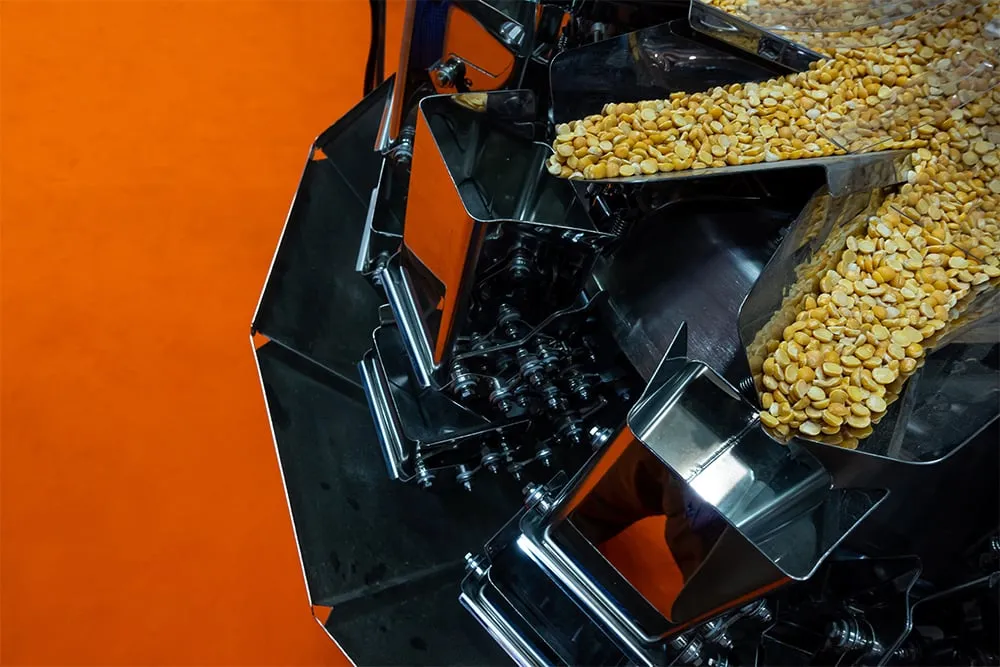
In addition to the surface type, the amplitude and duration of the vibration used to distribute the product must also be adjusted to suit the materials you use. Sticky products generally need more vibration to get them moving. Dry products flow more freely, so only minimal vibration is needed to move them. This also makes it possible to handle delicate products gently. Consider the products you will be running through your multihead weigher to ensure it has the right features for maximum compatibility and performance.
Weigh buckets tailored to your application
If you process bulky products, you will want a weigher with larger heads, as this lets you weigh more in a single cycle. The same applies if you need to fill larger containers. As well as the size of the weigh buckets, you should also consider their shape. This largely depends on your requirements. Polygonal weigh buckets or buckets with rounded corners are easier to clean, making them useful for sticky substances. These require cleaning between batches. Standard weigh buckets are often sufficient for drier products. IP ratings are also relevant here. They indicate how well a machine’s mechanical and electrical components are protected against water, dust and other ingress. If you work with sticky products or need to clean your weigher regularly to meet standards, make sure its IP rating is high enough. The higher the rating, the more durable the system.
Speed versus gentle handling
Speed is another factor to consider when identifying the best weigher for your needs. The faster the weigher can process output, the shorter your lead times. To assess speed, check the weights per minute for each machine you are considering. If you work with fragile products, you may need to compromise on speed to handle them gently. The key is to understand your materials and ensure the weigher meets their specific requirements.
Question about this story? Ask your question
Keep following this
Get an email when a new story is published. No account needed.
- SubjectSolutions