












New standard focuses on people’s behaviour when interacting with machines
Text Valérie CouplezImage Euchner
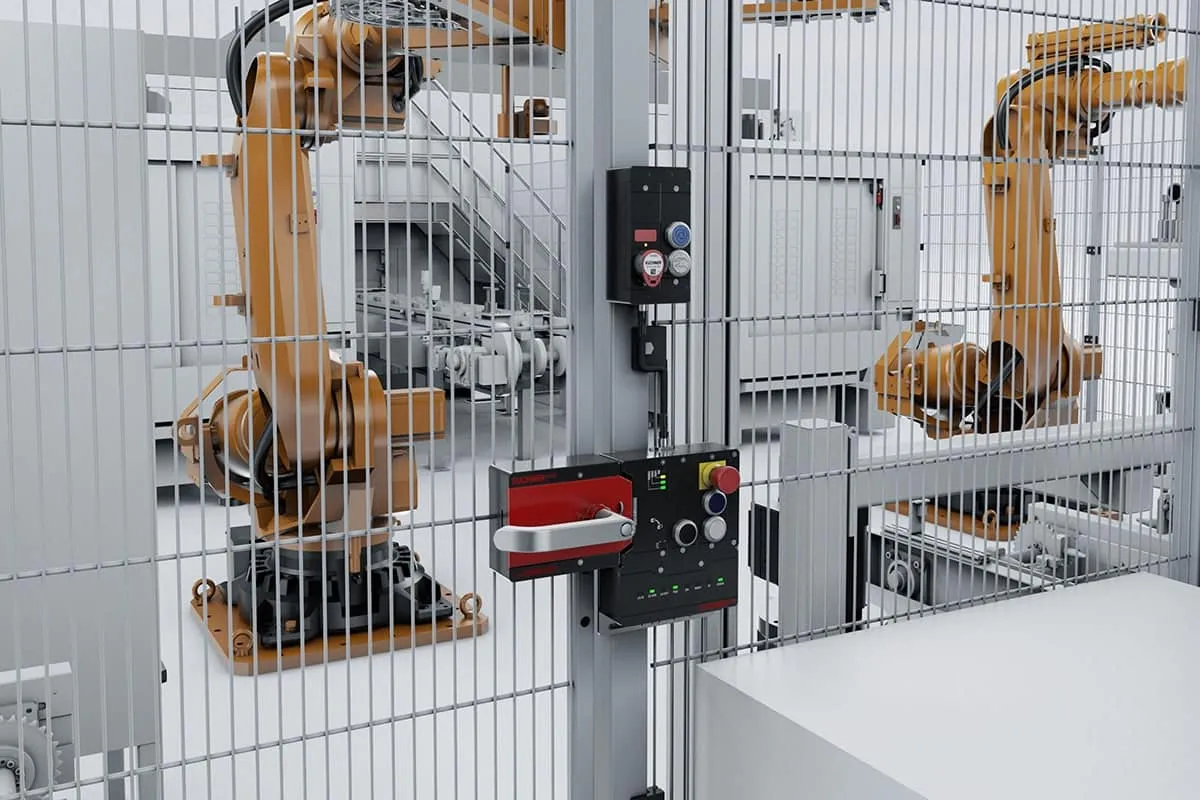
The international ISO 14119 standard covers ‘Interlocking devices associated with guards: Principles for design and selection’. In other words, it sets out how to design and select safety switches fitted to doors. A revised version has been available since October, fresh off the press. Vladimir Dragosavic, International Training Manager at Euchner, talks us through the key points of the new standard. Surprisingly, its main focus is not technology, but people’s behaviour.
ISO 14119 covers interlocking devices used on machines to ensure safety and applies to every machine that is built. “The first important point is that the interlock must be appropriate for the application,” Dragosavic begins. “A heavy door needs more than a small plastic safety switch. The components must be suited to the machine’s mechanics and the environment in which it operates. If there is dust or temperatures can get high, the interlock must be able to cope. Once the right equipment has been selected, it must also be fitted and used correctly. This ensures that the interlock engages properly with the lock mechanically, while also being controlled correctly in electrical terms according to the risks.”
Focusing on behaviour
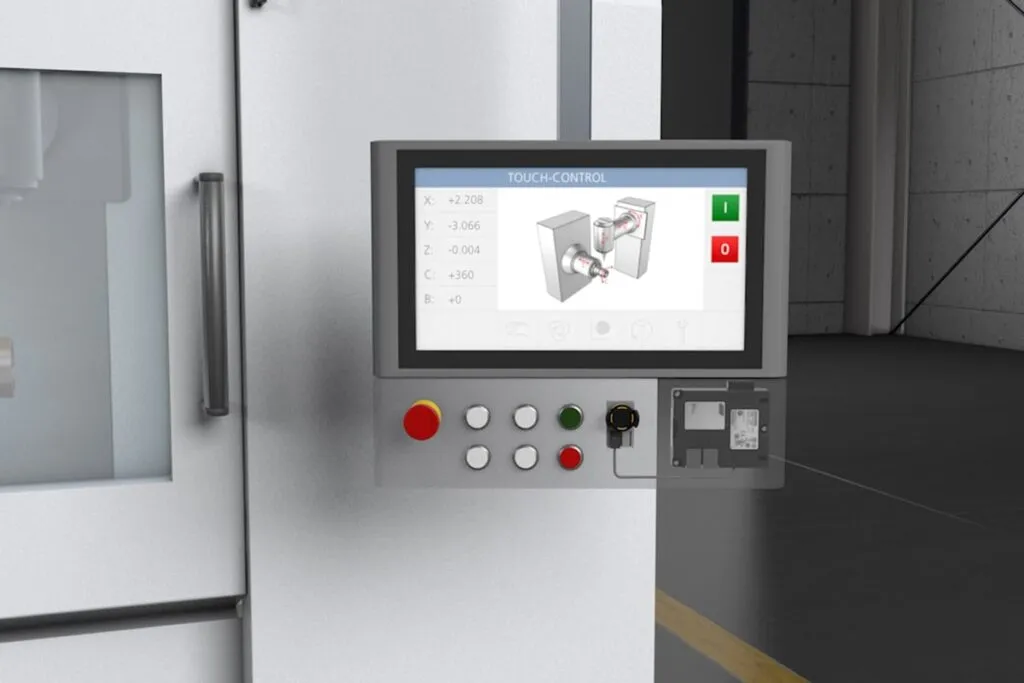
According to Dragosavic, what makes ISO 14119 valuable is that it combines technical solutions with human behaviour. “A machine is as predictable as it gets. People aren’t. However safe you make a machine, people will always think of a way to bypass its built-in safety measures. You therefore need to make sure they have no reason to take a less safe approach, because ultimately all those measures are there to protect them. Machine builders must think about how to avoid frustrating operators. For example, make sure they do not have to wait longer than necessary. It takes time to reach for the door handle and walk towards the machine. Factor these things into your calculations when timing when the machine stops and the door opens.” He offers a second tip, too. “Make sure the actuator is permanently attached. That can prevent a great deal of tampering.”
Plausibility checks
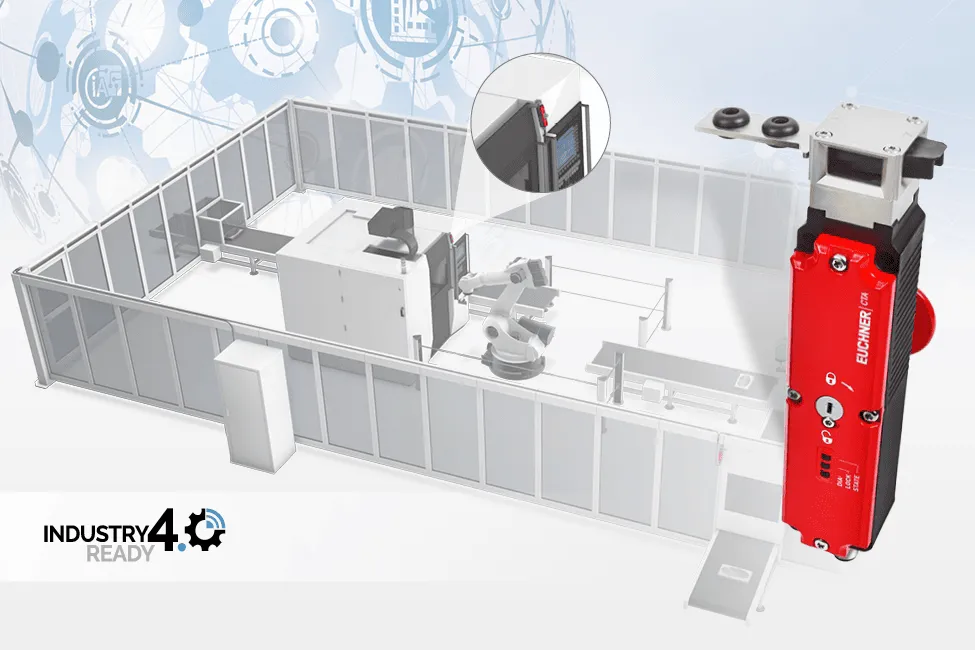
Like the Machinery Directive, this standard is based on a risk assessment. “We look at the hazards that may arise from operating the machine, together with how often the door needs to be opened. The interlock you choose must therefore meet the Performance Level identified by the analysis.” Those performance requirements remain important. The test procedures already included in the standard are now described in greater detail. “Is the door still working as it should? Are the right signals being received? Anything that meets PL d or lower must be checked annually, while PL e requires monthly checks. In practice, it is difficult to keep track of this manually. That is why plausibility checks are now also possible, allowing the control system to check whether everything remains within the specified time tolerances. If it does not, a message will appear on the HMI prompting the maintenance team to be contacted.”

Updated to reflect the latest state of the art
There is little change for users in the 2024 edition of the standard compared with the previous version from 2016. “The changes are mainly driven by technological developments. The characteristics that the four types of safety sensors and switches must meet have been updated to reflect the current state of the art. One new addition is trapped key systems. The key cannot be removed from the lock unless certain conditions are met. This will take more time, but these systems do not require electrical wiring and help improve safety. A third new feature concerns fault masking that can occur when switches are connected in series. A calculation method has now been introduced to determine exactly how many switches can be connected in series and what the consequences are for the Performance Level. This allows you to make your own assessment.”
Een zakelijke vraag aan EUCHNER? Get in touch
Companies in this story

Keep following this
Get an email when a new story is published. No account needed.
- ThemeReliable machinery and drives
- SubjectSolutions
- CompanyEUCHNER







