












Perfect control over production
Text Valérie CouplezImage Tereos en Valérie Couplez
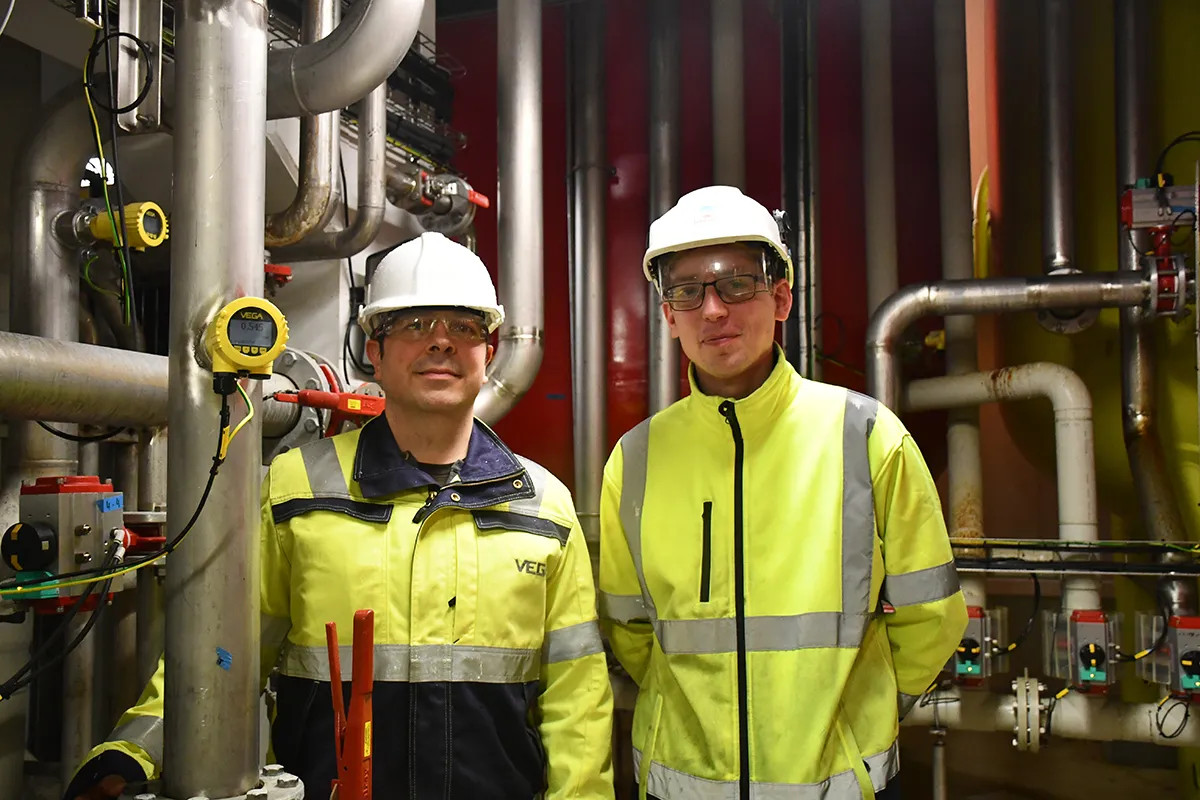
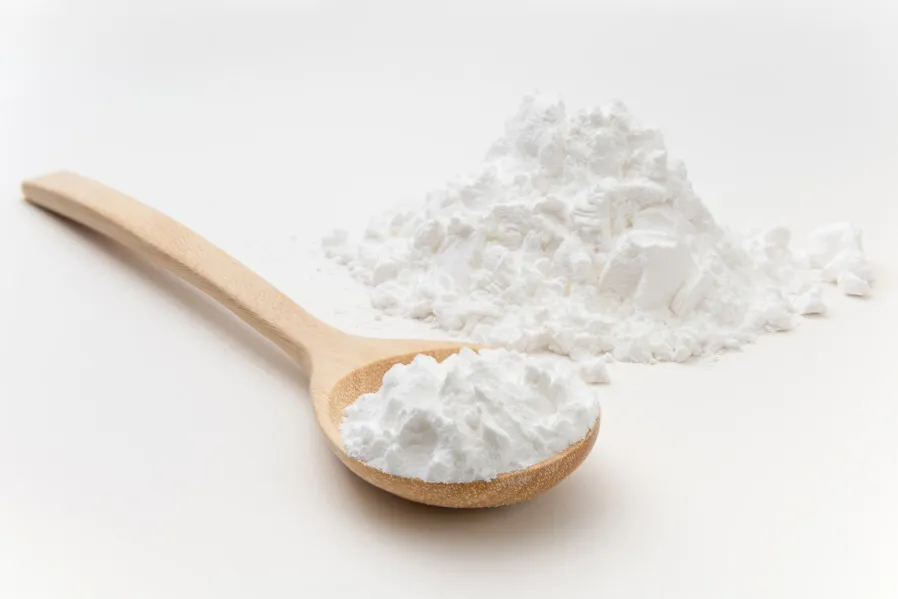
The Tereos Group has more than 20,000 employees across thirteen countries. They turn agricultural raw materials into sugar, alcohol and starch to develop sustainable, high-quality food products. Their products also find their way into the energy, animal feed, green chemicals, pharmaceuticals, cosmetics, and paper and board sectors. For perfect control of production processes, Tereos Starch & Sweeteners Europe in Aalst relies on VEGA level and pressure sensors.
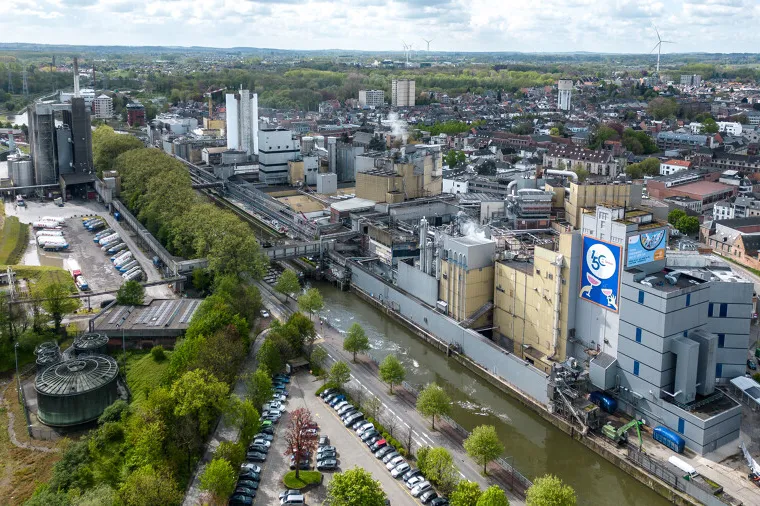
Did you know that Aalst had an island for almost a century? It was created when the Dender was straightened in 1867 and disappeared again when an old branch of the river was filled in in 1962. This reconnected it with the rest of the city on one side. A glucose factory has stood in the middle of this so-called Chipka island since 1873: Callebaut Frères & Lejeune. Over the years, operations even expanded across the entire island. Today, the factory belongs to the French group Tereos. “The former maize processing operation has made way for a wheat-based starch process,” explains Peter Joos, Engineering Manager Starch & Sweeteners at the Aalst factory. “What makes our work unique is that we extract basic molecules from wheat and then use enzymes to convert them into other molecules that are difficult to obtain from plants. So we make them to order rather than extract them.”
A complex process
Not only the raw materials, but also the processes can rightly be called unique. “Turning wheat into sugar is a complex process. It requires knowledge, experience and resources. Our aim is to ensure that none of the wheat grain goes to waste. That makes our operation profitable.” First, the bran and grain are separated. Once the wheat has been milled into flour, Tereos removes the gluten by adding water and washing out the starch. “Gluten is a sought-after building block and is used, among other things, as a bread improver. But we can also extract value from the process water. We ferment the residual fractions it contains into bioethanol.”
Tailor-made sugar syrups
But the heart of Tereos’s operations remains the actual saccharification process. “We produce as many as 200 different sugar syrups here, which we also blend ourselves into products tailored to our customers’ needs. We give each one the right sweetness and properties for its intended application. They are still food products, but we look at them through a scientist’s lens so we can keep innovating. This means we can respond very quickly to market trends around sugar and always deliver the right taste experience.”
Building the plant in-house
The fact that not everyone has switched to this raw material is all down to the complexity of the production processes. “We really are in a niche market. For example, there are no machinery manufacturers that specialise solely in this process. So we build the equipment we need ourselves, based on specifications we provide to manufacturers of components such as evaporators or distillation columns. That works best: our experience means we know exactly how the sugar will behave. And if something goes wrong, we have the in-house know-how to fix it.”
Swiss Army knife
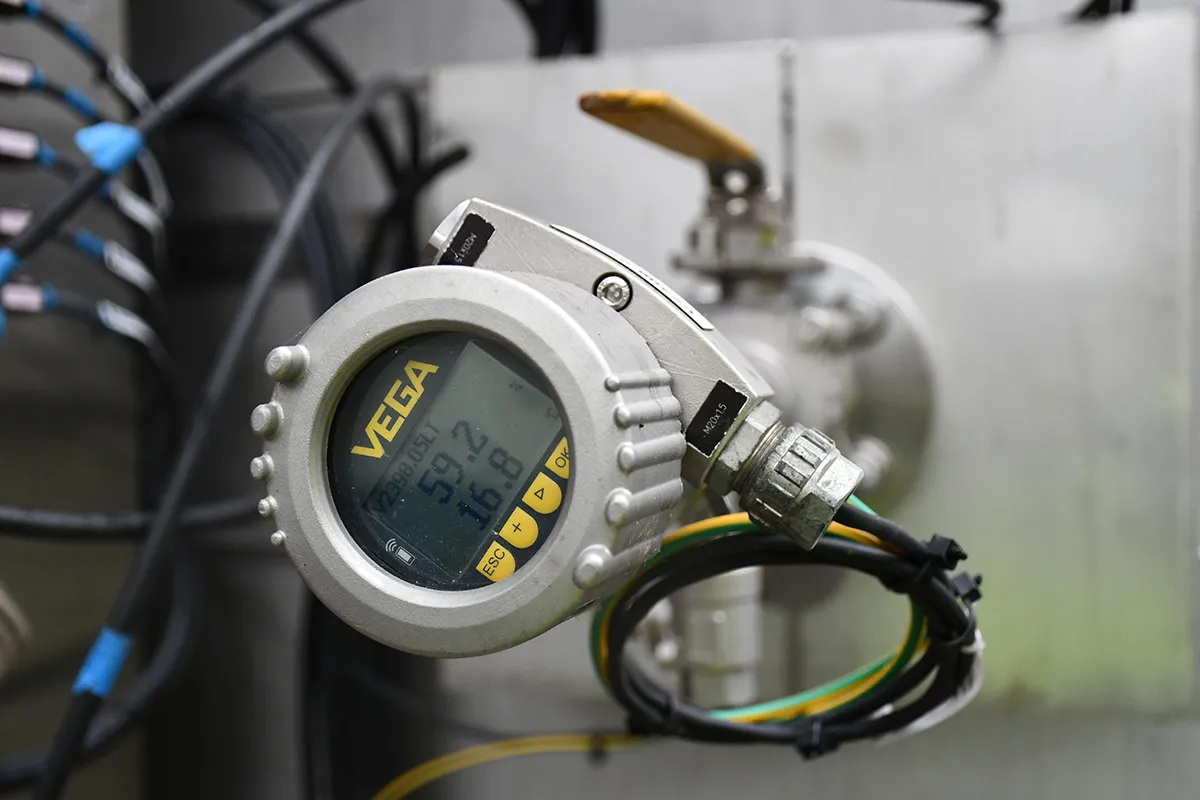
Joos and his team have relied on VEGA level and pressure sensors as standard for years to monitor these processes closely. “Even before I started working here,” Joos adds. “The quality and reliability of VEGA instruments are beyond doubt. They have more than proved themselves over the past decades in our production, which places considerable demands on equipment.
What also makes VEGA such a good fit with the way we work is that its sensors are like a Swiss Army knife. You can use the same transmitter even when the process is completely different. On the website, you simply configure the materials, connection, housing and display you need for the specific application. And the range is broad, from sensors suitable for direct contact with food to ATEX-certified models. That gives us peace of mind and makes stock management straightforward.”
New wastewater treatment plant
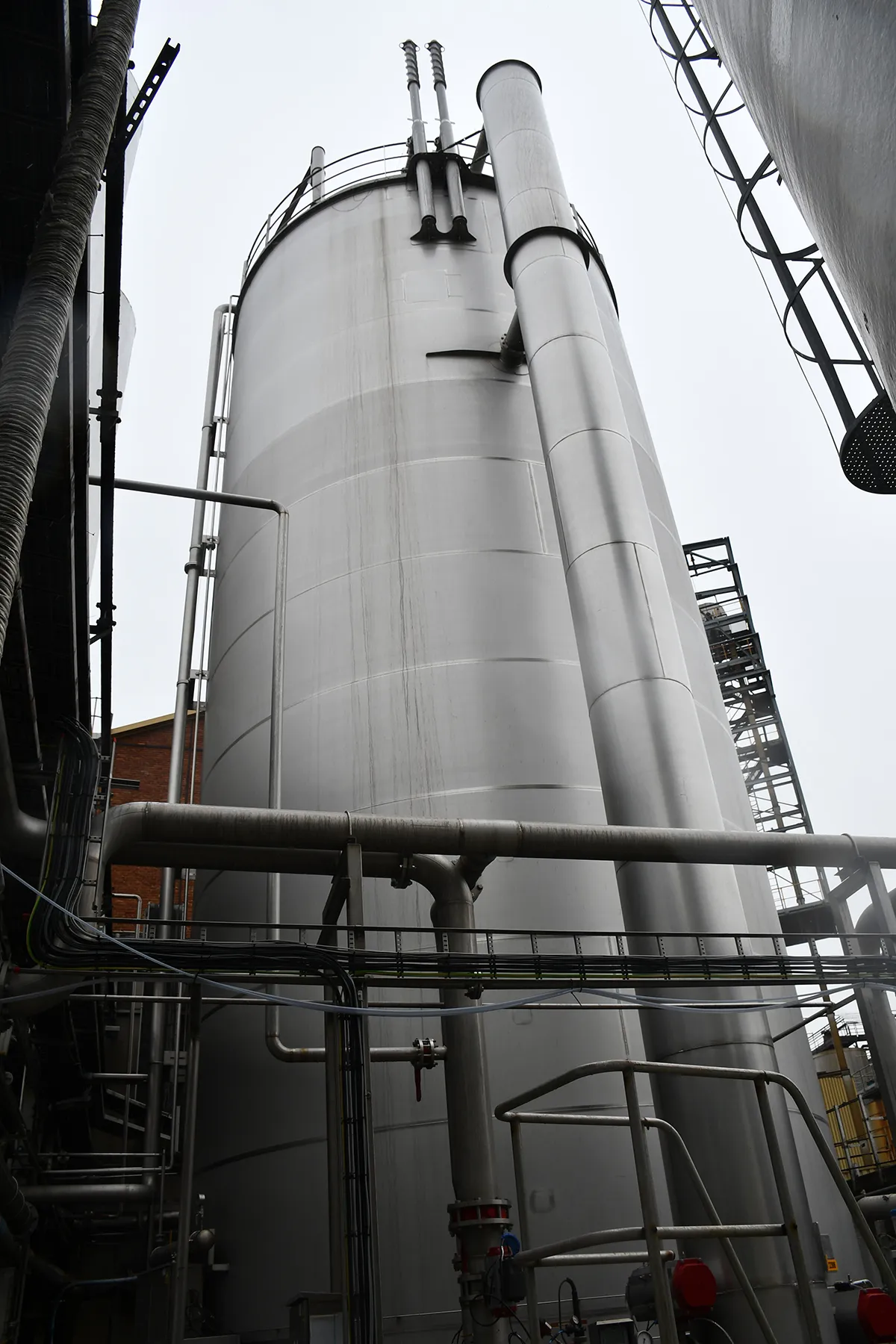
Joos also appreciates the technical support provided by the Belgian team. He cites the wastewater treatment plant installed in 2022 as an example. “We are right in the middle of the city, so we do everything we can to limit the impact of our activities. Since the 1980s, we have used anaerobic reactors to treat our waste streams. We use the biogas produced as a by-product to generate green electricity. I did say that we make sure nothing goes to waste here,” Joos laughs. But the best available techniques of that time are no longer the best available today. By introducing new technology, Tereos was able to replace two 1,200 m³ reactors with a single 700 m³ reactor and achieve the same result.
“Looking inside the tank”
Operational reliability is crucial, especially for a tank in which biogas is produced and from which odours could escape. “We can’t just open a manhole to see what’s going on inside the tank. We have to rely entirely on our instruments. Thanks to Rudy Cousin, Key Account Manager responsible for Tereos at VEGA, we knew exactly which instruments to select and how many, so that we can, as it were, look inside the tank for perfect control.” Tereos monitors the liquid level using hydrostatic pressure transmitters and cross-checks it with radar, which also indicates whether a foam layer is forming on the liquid surface. Joos says: “This foam layer is detrimental to downstream processes, so it is suppressed inside the tank using a spray system and additives.” The biogas line is dewatered via water seals, which are kept flooded at all times. “Otherwise, we would have a gas and odour leak. VEGA sensors continuously monitor that the water seals are working properly, measuring both the gas and liquid sides. As soon as we receive an illogical signal from both sensors, we know straight away that there is a problem. If only one of them indicates a deviation, an early warning gives us time to intervene. So here we apply the principle of belt and braces.”
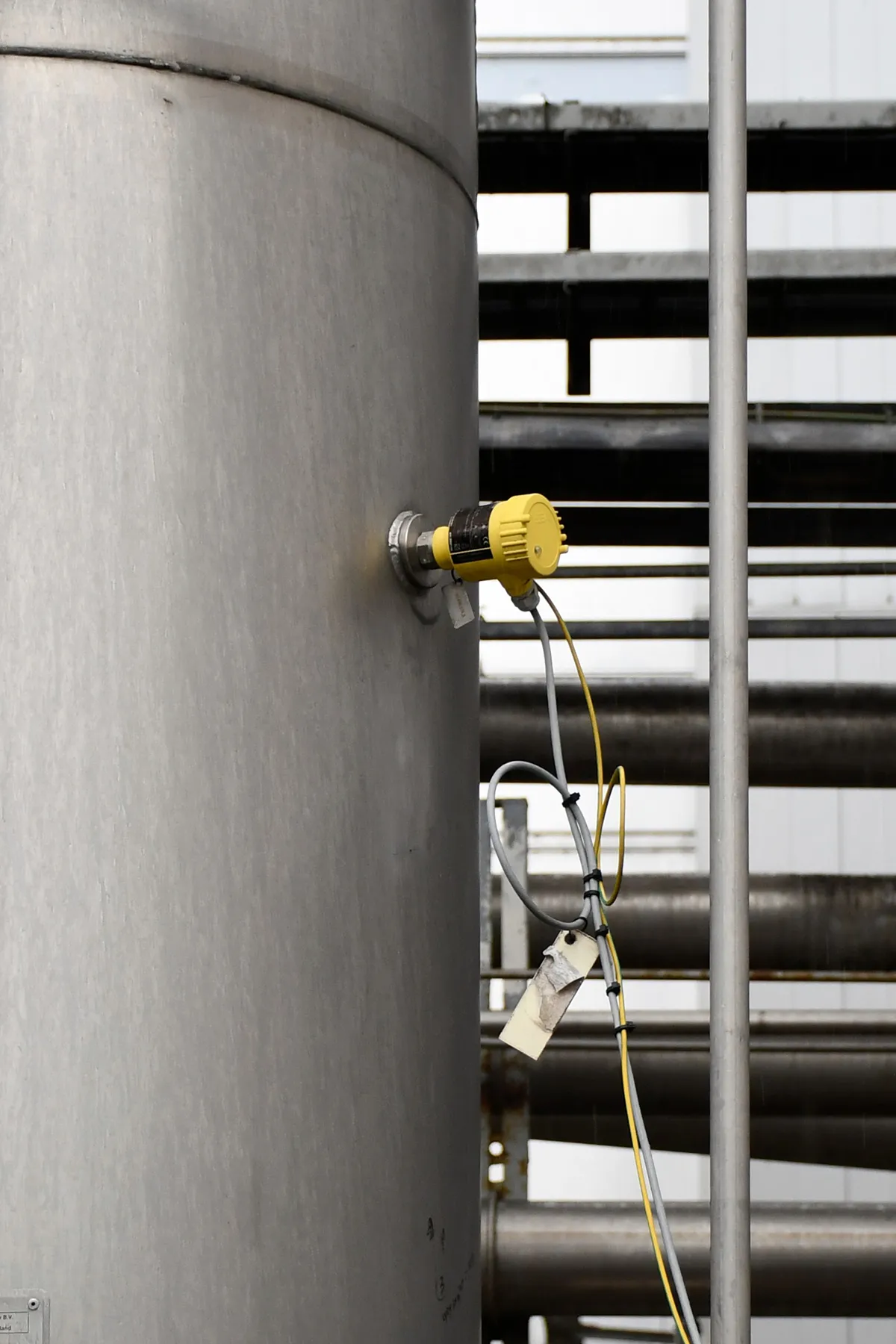
High-fructose syrup
Even in the most challenging conditions, VEGA instruments perform their tasks exceptionally well at Tereos. One particularly unusual application is the production of the high-fructose syrup F95, a product that really sets the Aalst site apart. “Conventional glucose-fructose syrup has the same sweetness as granulated sugar. We take it a step further by passing the glucose-fructose syrup through a chromatography column. It is filled with small resin beads loaded with calcium ions, to which the fructose tends to stick. As a result, it flows through the resin more slowly than glucose. This gives us a syrup containing more than 95% fructose. It is the perfect raw material for bioplastics, or, thanks to its high sweetness, a ‘light’ alternative to ordinary sugar.”
Complete confidence
The innovation proved particularly popular in the market. Tereos is therefore currently doubling its existing capacity, with VEGA technology, of course. “It is crucial to monitor the process closely. Concentration, for example, takes place by means of mechanical vapour recompression. We have to measure the vacuum very accurately. Fortunately, we can have complete confidence in VEGA instruments. Nothing is more satisfying than a process that does what it is supposed to do. Sensors make that possible, provided the barrier to using them is low enough.”
Ease of use
Joos says this is another area in which VEGA stands out. “The latest generation of sensors can be connected easily via Bluetooth and the VEGA Tools App. So you no longer need to be electrically qualified to install them or add them to a new design. Our mechanical engineers can do that just as well, thanks to the availability of 3D models. This also means we can think more carefully in advance about where to position them in the pipework, where the cable trays should go, and whether they will be accessible enough for maintenance. That too is excellent support,” Joos concludes.
Een zakelijke vraag aan VEGA N.V.? Get in touch
Companies in this story

Keep following this
Get an email when a new story is published. No account needed.
- SubjectSolutions
- CompanyVEGA N.V.







